Innovative commercial luminaires, advanced smart control architecture, and integrated engineering modules built for performance and durability.
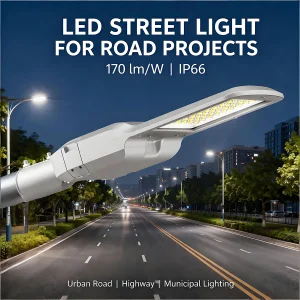
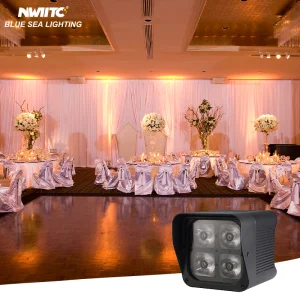
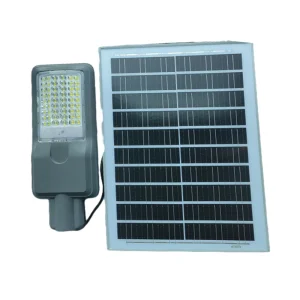
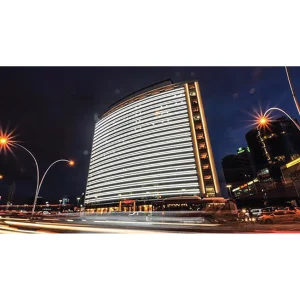
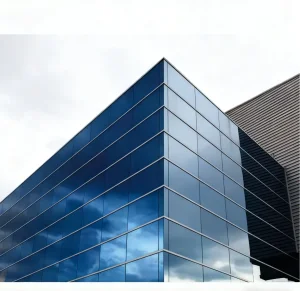
The global functional lighting landscape has transitioned rapidly from basic illumination to highly engineered, adaptive systems. Modern infrastructure demands more than mere visibility. Today, functional lighting incorporates advanced electronics, network connectivity, and sophisticated optics designed to optimize performance while drastically reducing carbon footprints. Architectural and engineering criteria now focus on high luminous efficacy (exceeding 170lm/W), thermal dissipation management, and compliance with dynamic international regulatory frameworks like CE and UKCA.
Functional lighting designs must now integrate seamlessly with building management systems (BMS) through DMX, Wi-Fi, or Dali controls. This allows operators to leverage software-controlled parameters for scheduled dimming, automated color rendering, and real-time power consumption metrics. By matching lighting patterns to actual human activity and ambient light availability, modern projects achieve operational cost reductions of up to 70% compared to traditional HID or standard fluorescent systems.
Luminaires act as node networks within commercial projects, providing data feedback, environmental telemetry, and real-time occupancy monitoring.
Leveraging high-performance drivers and optical arrays to achieve maximum luminous flux while maintaining ultra-low active power metrics.
Advanced engineering featuring IP65 to IP68 water/dust ingress protection and IK08+ impact resilience ratings for harsh outdoor environments.
Commercial and industrial sourcing directors operate under strict mandates to balance Capital Expenditure (CapEx) against Operational Expenditure (OpEx). Procurement policies require products that offer long warranties (typically 3 to 5 years), certified components (Meanwell, Inventronics, or Osram drivers), and traceable material sources. In particular, municipal and enterprise buyers prioritize lighting structures that satisfy strict environmental footprint protocols and localized electrical codes.
"Sustainable sourcing requires a paradigm shift from initial component cost to total lifetime value. A product that fails prematurely in a municipal environment incurs substantial replacement labor costs that dwarf any initial acquisition savings."
To systematically evaluate global supply options, international procurement teams focus on three primary metrics:
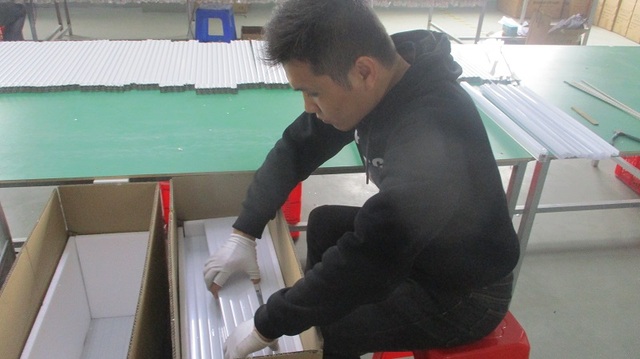
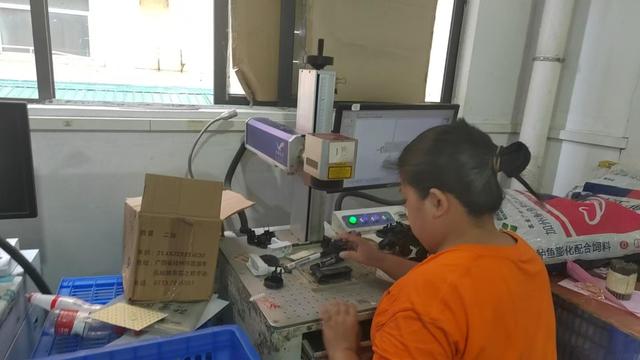
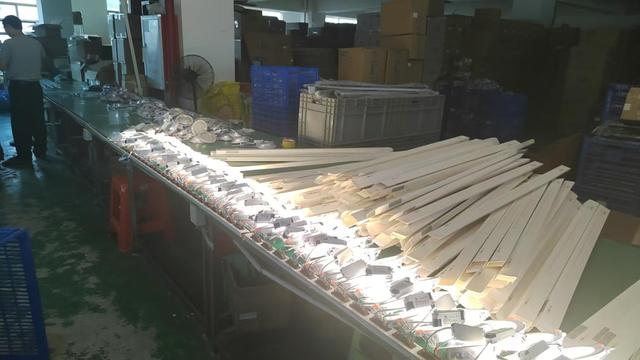
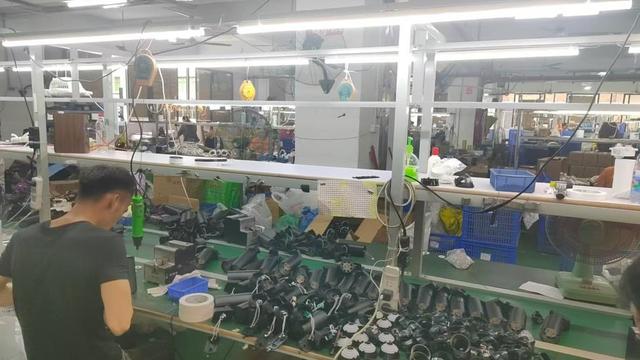
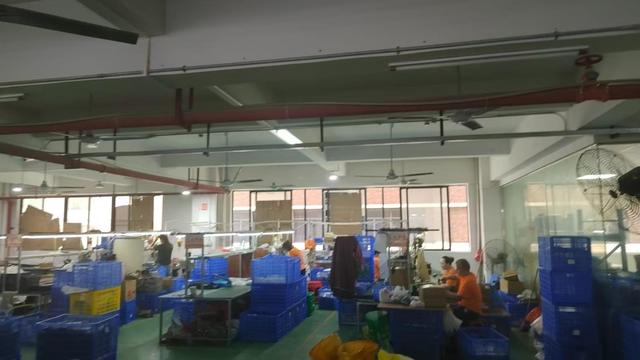
The core of China's dominance in functional lighting manufacturing lies in its highly integrated industrial cluster model. Guangzhou, as an industrial core, houses sophisticated engineering hubs like Guangzhou Bluu Light Co., Ltd. These production ecosystems leverage Industry 4.0 automation, incorporating computerized placement machines, automated optical inspection (AOI), and precise robotic aluminum die-casting rigs to build high-performance fixtures.
This automated framework allows for rapid turnaround on bespoke engineering. For instance, when custom LED linear systems or architectural control systems require physical modifications to suit specific structural envelopes (like modern curtain wall systems or stadium structures), manufacturers can rapidly prototype, test, and manufacture customized fixtures within weeks. This level of agility is unmatched globally.
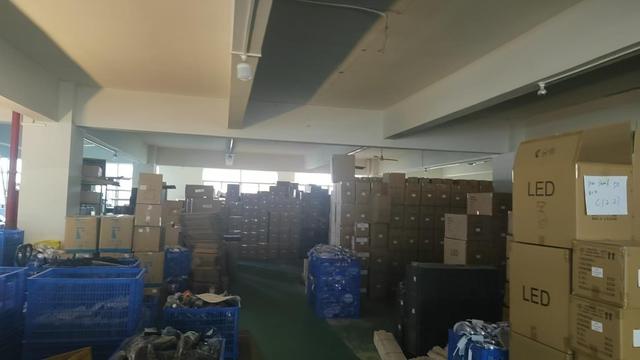
In addition, internal logistics ecosystems and material procurement paths within Guangdong minimize raw material delays, providing solid supply chain resilience against geopolitical headwinds. This ensures that large-scale infrastructure projects, ranging from athletic complexes to citywide smart-lighting retrofits, remain strictly on schedule.
Functional lighting designs must adapt to unique ambient environments. Standardized systems often fail when exposed to extreme operational parameters. Below are the key scenarios requiring tailored solutions:
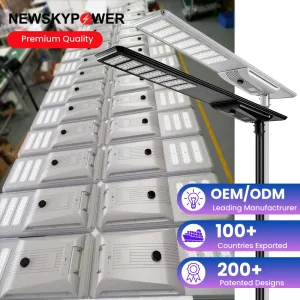
Outdoor street and high-mast installations must withstand high UV exposure, coastal humidity, and wind-shear stresses. Solutions require marine-grade powder coatings, IP66+ housings, and integrated 10kV surge protection components to prevent lightning strike failures.
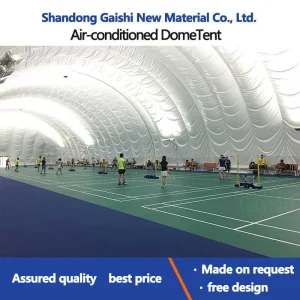
Warehousing and indoor athletics centers demand high glare control (UGR < 22) and stable lux distributions from elevated heights. Turnkey air domes and high-bay lighting installations use asymmetric optical lenses to optimize lux levels directly on floor zones without wasted upwards flux.
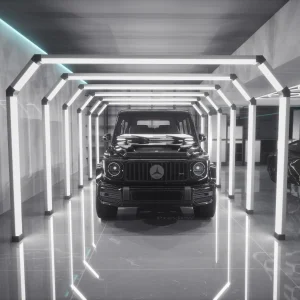
Retail operations and detailing garages require exceptional color fidelity (CRI > 90) and highly uniform beam designs. Magnetic track slot systems allow modular display updates, whereas custom gantry lighting is essential for precision automotive coating inspections.
Emergency exit paths and hazardous areas demand fail-safe operational systems. High-reliability battery backups, self-diagnostic software, and robust IP65 fire-retardant enclosures ensure uninterrupted wayfinding under extreme building evacuation conditions.
How do thermal dissipation systems impact the overall operational lifespan of 1000W+ high-mast LED fixtures?
High-power LED luminaires generate massive localized junction heat. High-grade systems implement multi-phase hollow aluminum heatsinks that leverage convection currents. Keeping junction temperatures under 75°C minimizes luminous decay and prevents driver component degradation, ensuring the unit passes the 50,000-hour L70 rating.
What are the distinct advantages of DMX512 controls versus wireless IoT applications in facade and linear lighting?
DMX512 offers latency-free, frame-perfect wired sync for complex visual patterns and large-scale architectural video playback. Wireless options (Zigbee, Wi-Fi) reduce installation wiring costs, making them ideal for static zone adjustments, scheduling, and standard commercial energy optimization.
How does CRI (Color Rendering Index) influence commercial sales performance and manufacturing precision?
A higher CRI (specifically R9 red values) displays product colors with accuracy, which directly boosts consumer purchase confidence in retail environments. In detailing or inspection garages, high-fidelity light allows inspectors to detect surface micro-scratches and color mismatching easily.
Why are intelligent solar charge controllers (MPPT) preferred over standard PWM designs in industrial solar streetlights?
MPPT (Maximum Power Point Tracking) controllers track the panel's optimal power point in real-time, providing 20% to 30% higher charging efficiency. This ensures the batteries charge fully during low-light winter days, preventing system blackout during extended periods of overcast weather.
What is the significance of the IK rating in public infrastructure and emergency pathway lighting?
The IK rating (e.g., IK08 or IK10) defines the luminaire's resistance to mechanical impact. Public street lighting and emergency corridor units must carry high IK ratings to survive potential vandalism and structural impacts during facility accidents or seismic events.
Explore our complete range of high-efficiency lighting arrays, structural components, and smart architectural control elements.
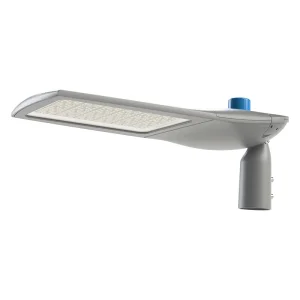
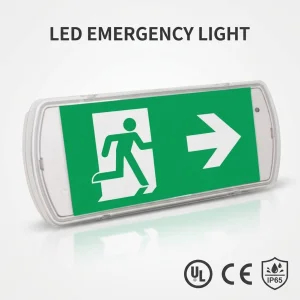
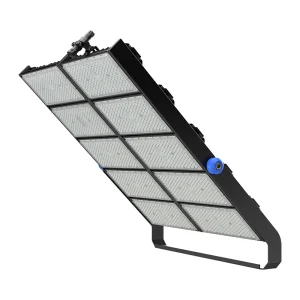
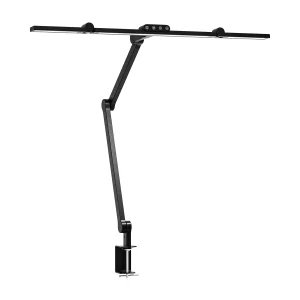
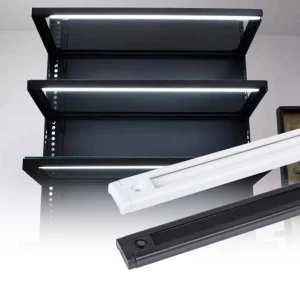
Guangzhou Bluu Light Co., Ltd. is a professional Commercial LED Lighting Manufacturer specializing in smart lighting solutions for retail, office, industrial, and commercial environments. Based in Guangzhou, China, the company focuses on the development, manufacturing, and supply of energy-efficient LED lighting systems designed to improve illumination quality, operational efficiency, and sustainability across a wide range of applications.
With a strong commitment to innovation and performance, Bluu Light offers comprehensive lighting solutions for commercial buildings, office spaces, retail stores, warehouses, industrial facilities, hospitality venues, educational institutions, healthcare environments, and outdoor infrastructure projects. The company integrates advanced LED technology with intelligent lighting controls to help customers optimize energy consumption, enhance visual comfort, and reduce long-term operating costs.
Bluu Light emphasizes product reliability, engineering expertise, and project-oriented customization. Its experienced technical team works closely with clients, architects, contractors, and distributors to develop lighting solutions that meet specific project requirements, industry standards, and environmental objectives. From lighting design consultation and product selection to manufacturing and project support, the company provides end-to-end services for diverse commercial lighting applications.
Equipped with modern production facilities and rigorous quality management systems, Bluu Light maintains strict control throughout the manufacturing process to ensure consistent product performance and durability. The company continually invests in research and development to advance smart lighting technologies, energy-saving innovations, and intelligent control systems that support the evolving needs of global markets.
Serving customers across North America, Europe, Asia, the Middle East, South America, and other international regions, Guangzhou Bluu Light Co., Ltd. is dedicated to delivering reliable commercial LED lighting solutions that combine efficiency, functionality, and long-term value for modern businesses and infrastructure projects worldwide.
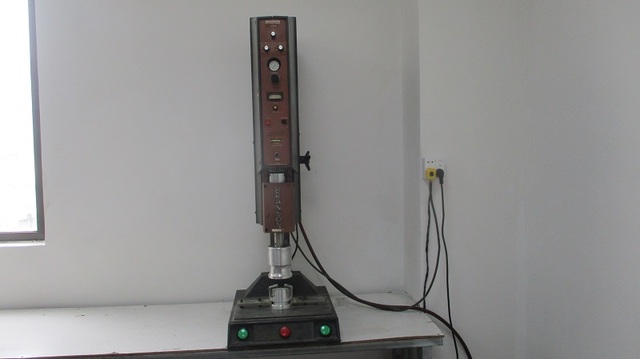
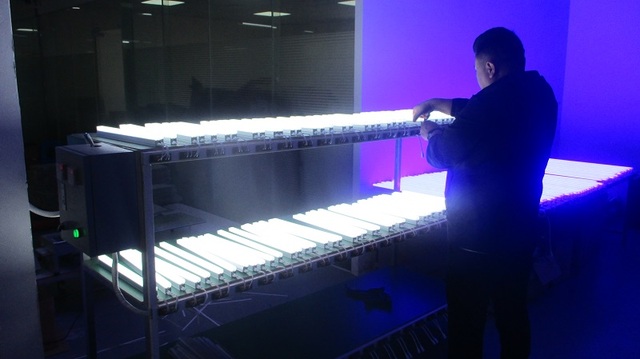

 Bluu Light