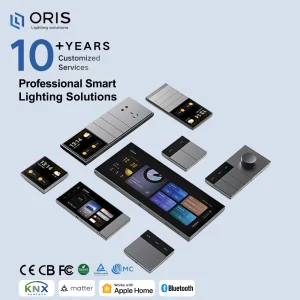
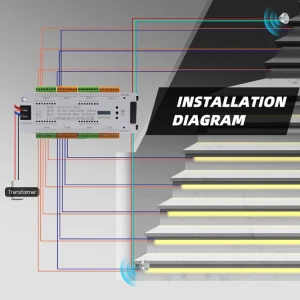
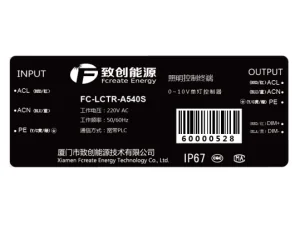
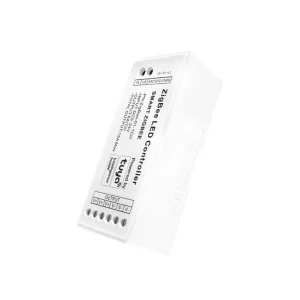
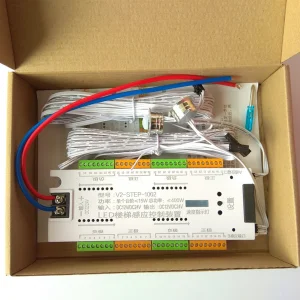
Explore industrial, commercial, and municipal grade controllers designed for integration and seamless deployment.
How multinational corporations leverage intelligent controls to align with ESG parameters, achieve energy savings, and secure local regulatory clearances.
In the modern commercial landscape, the adoption of Smart Lighting Control Solutions is no longer simply about upgrading light bulbs; it represents a core pillar of corporate infrastructure strategy. Global enterprises face unprecedented pressure from regulatory bodies, consumers, and institutional investors to execute on carbon reduction targets (specifically Scope 1 and Scope 2 emissions). Intelligent lighting systems, when integrated with robust control architectures like DALI-2, ZigBee 3.0, and LoRaWAN, present one of the highest Return-on-Investment (ROI) pathways to immediate energy conservation.
When evaluating factories and suppliers, procurement divisions focus on three main operational paradigms:
Enterprises require detailed power consumption data to report on sustainability metrics. Intelligent lighting systems collect real-time wattage data, providing the auditable evidence demanded by ESG compliance platforms.
Systems must not operate in silos. They are expected to interface with complex Building Management Systems (BMS) through standard protocols such as BACnet, Modbus, and open-source APIs, ensuring synchronized utility management.
B2B procurement teams prioritize systems that safeguard network integrity. Hardware suppliers must satisfy cybersecurity frameworks (such as IEC 62443 or OWASP recommendations) and feature local fail-safe protocols.
Different physical environments require radically different topologies. Here is how our hardware range adapts to distinct industry sectors.
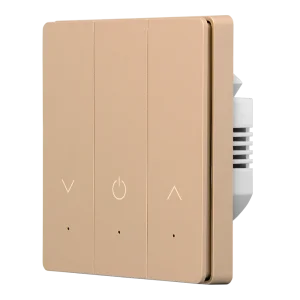
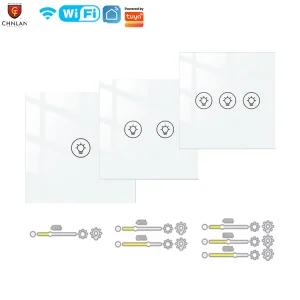
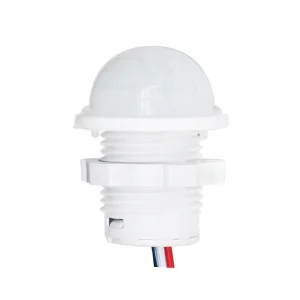
In office environments and retail venues, lighting control serves a dual purpose: improving human productivity and presenting merchandise appealingly. By implementing tunable white LED controllers (with PIR sensors) and daylight harvesting technology, companies can dynamically adjust color temperature and brightness based on incoming natural sunlight. Our Led Smart Panel Light Controller and Tuya Touch Dimmer Switches provide localized override capabilities, while maintaining global algorithmic scheduling to reduce waste.
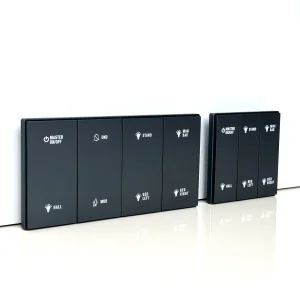
In high-end hospitality projects, guest experience is directly linked to luxury. Our Tuya Smart Life ZigBee 3.0 Hotel Room Lights Control System RCU Solution leverages RS485 communication protocols and custom wall plates. It gives guests total control over ambient lighting, HVAC systems, and motorized curtains. Crucially, the Room Control Unit (RCU) integrates with PMS (Property Management Systems) to set rooms to "eco-mode" instantly when checked out, yielding savings of up to 45% in guestroom electricity usage.
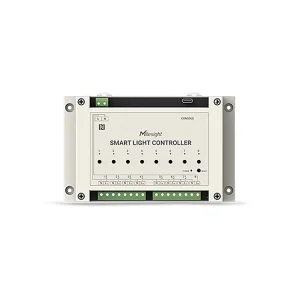
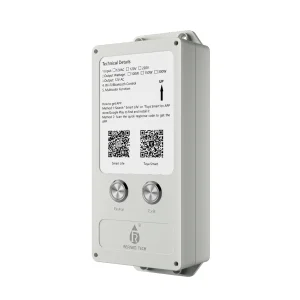
High-bay lighting in logistics centers demands heavy-duty switching and robust wireless protocols to overcome steel racking blockages. Using solutions like the Milesight LoRaWAN + D2D Smart Light Controller, industrial facilities can deploy long-range, interference-free control networks. Operating on sub-GHz frequencies, these controllers manage multiple 100-240 VAC channels over vast physical areas, employing motion detection so that only active aisles are fully illuminated.
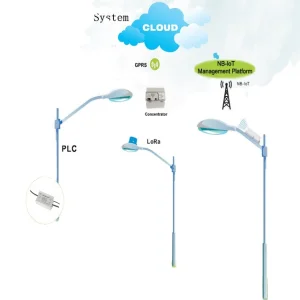
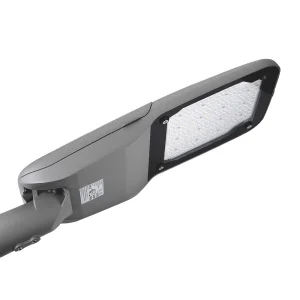
Street lighting is one of the single largest line items on a municipality's electrical bill. By deploying smart street lighting platforms, such as the YTL Smart Street Light Control System or NEMA-compliant LoRaWAN street light controllers, city councils can monitor, dim, and receive fault reports on every individual luminaire in their network. This drastically reduces maintenance dispatch costs and lowers overall urban carbon footprints.
An objective, technical comparison designed to guide B2B procurement decisions based on network limitations and environment types.
| Technology Protocol | Typical Range | Power consumption | Ideal Application Case | Key Strengths | Potential Limitations |
|---|---|---|---|---|---|
| DALI / DALI-2 (Wired) | Up to 300 meters | Low-Medium (Wired) | Premium Commercial Offices, Architectural Projects | Extremely stable, granular feedback, open standard | High installation/wiring cost |
| ZigBee 3.0 (Wireless Mesh) | 10 - 100 meters (Hop-based) | Very Low | Hotel Guestrooms, Smart Residences, Offices | Self-healing mesh network, low hardware cost | Susceptible to 2.4 GHz WiFi interference |
| LoRaWAN (Wireless LPWAN) | 2 - 15 kilometers (Sub-GHz) | Ultra Low | Smart Street Lighting, Large Industrial Parks | Immense range, outstanding wall penetration | Low bandwidth, not for real-time high-speed data |
| RS485 Protocol (Wired Bus) | Up to 1200 meters | Medium | RCU Systems, Industrial DIN Rail Installations | Zero wireless interference, high throughput | Requires physical bus cabling layout |
| WiFi (Wireless) | 50 - 100 meters | Medium-High | Residential Retrofits, Pool Lighting Control | No gateway required, directly pairs with mobile apps | Overloads standard routers with many devices |
The convergence of IoT, AI-driven edge computing, and predictive maintenance in modern smart illumination.
The smart lighting sector is evolving from pre-programmed schedules to truly autonomous, adaptive ecosystems. We have outlined the major milestones defining this transition below:
Our upcoming hardware generation features microcontrollers with basic neural processing capability, allowing sensor-equipped luminaires to detect patterns in occupant behavior and self-optimize schedules without cloud dependency.
As the smart building ecosystem moves toward unified communication, we are adapting our ZigBee and WiFi modules to support Matter, ensuring cross-platform capability with all global Smart Building systems.
Utilizing real-time sensor feedback tracking driver temperatures and LED lumen degradation, municipal and industrial managers can dispatch technicians prior to a critical light failure event.
Ensuring your smart lighting deployments meet safety, electromagnetic, and environment regulations worldwide.
Deploying electrical systems internationally requires navigating a complex web of certifications. Guangzhou Bluu Light Co., Ltd. ensures that all products are fully prepared for local inspection approvals.
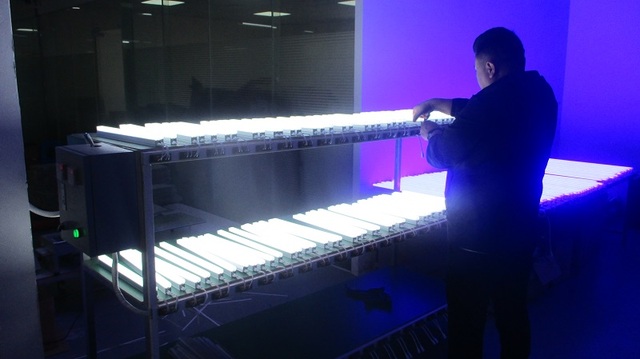
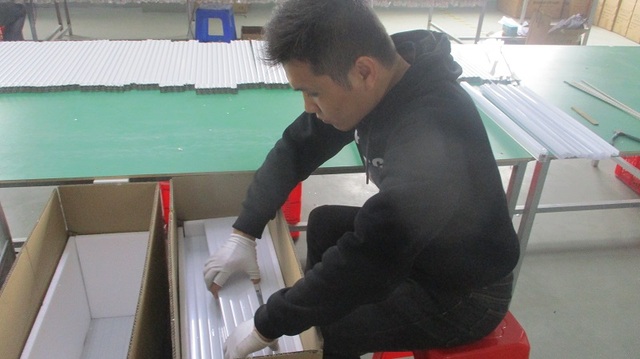
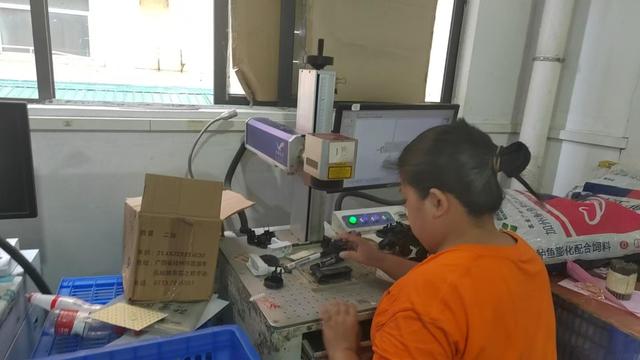
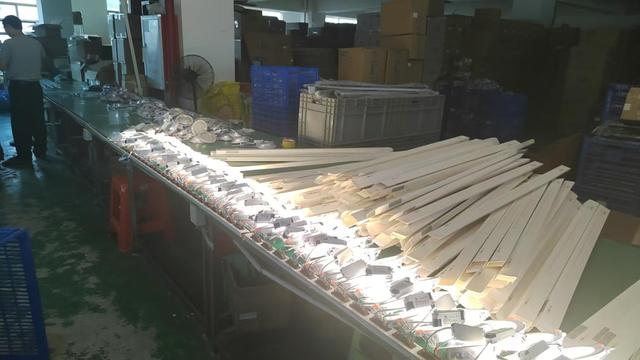
A closer look at our state-of-the-art facilities, R&D pipeline, and commitment to global lighting solutions.
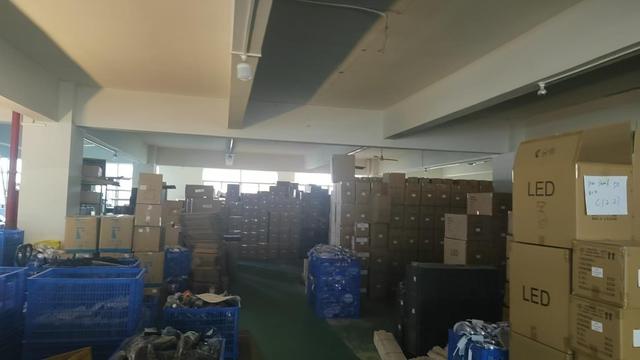
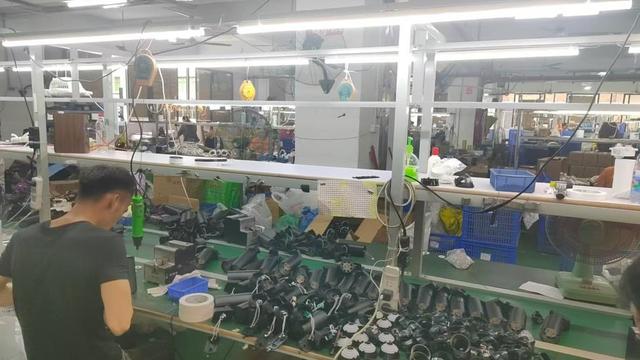
Guangzhou Bluu Light Co., Ltd. is a professional Commercial LED Lighting Manufacturer specializing in smart lighting solutions for retail, office, industrial, and commercial environments. Based in Guangzhou, China, the company focuses on the development, manufacturing, and supply of energy-efficient LED lighting systems designed to improve illumination quality, operational efficiency, and sustainability across a wide range of applications.
With a strong commitment to innovation and performance, Bluu Light offers comprehensive lighting solutions for commercial buildings, office spaces, retail stores, warehouses, industrial facilities, hospitality venues, educational institutions, healthcare environments, and outdoor infrastructure projects. The company integrates advanced LED technology with intelligent lighting controls to help customers optimize energy consumption, enhance visual comfort, and reduce long-term operating costs.
Bluu Light emphasizes product reliability, engineering expertise, and project-oriented customization. Its experienced technical team works closely with clients, architects, contractors, and distributors to develop lighting solutions that meet specific project requirements, industry standards, and environmental objectives. From lighting design consultation and product selection to manufacturing and project support, the company provides end-to-end services for diverse commercial lighting applications.
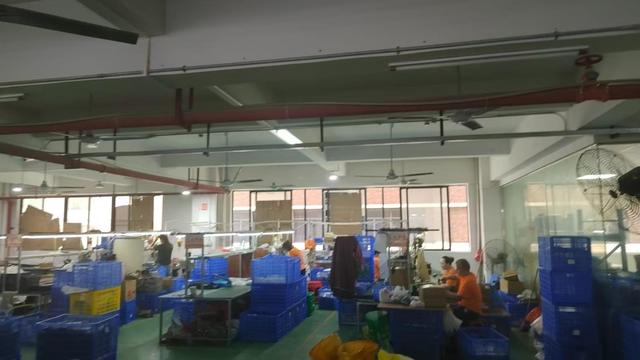
Equipped with modern production facilities and rigorous quality management systems, Bluu Light maintains strict control throughout the manufacturing process to ensure consistent product performance and durability. The company continually invests in research and development to advance smart lighting technologies, energy-saving innovations, and intelligent control systems that support the evolving needs of global markets.
Serving customers across North America, Europe, Asia, the Middle East, South America, and other international regions, Guangzhou Bluu Light Co., Ltd. is dedicated to delivering reliable commercial LED lighting solutions that combine efficiency, functionality, and long-term value for modern businesses and infrastructure projects worldwide.

Addressing the top technical and commercial concerns of global project leads and procurement engineers.
Complete your deployment with our range of specialized sensor systems, dimmers, and outdoor road control platforms.
 Bluu Light