Engineered to exceed UL, CE, and NFPA requirements. Tested for ultimate battery-backup resilience.
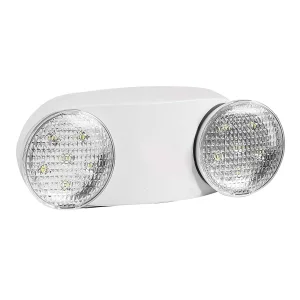
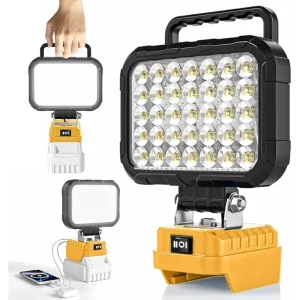
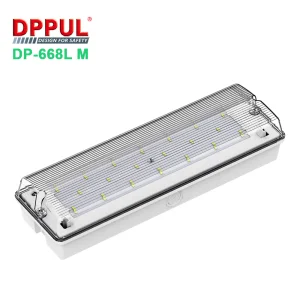
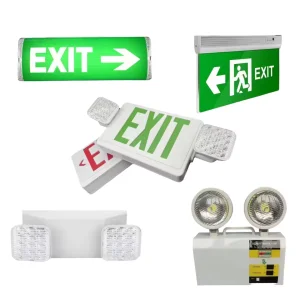
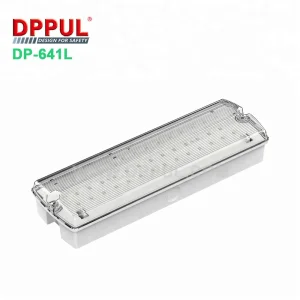
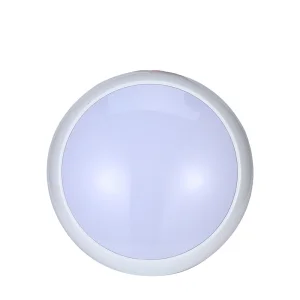
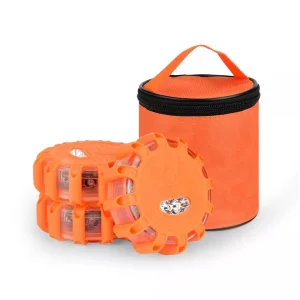
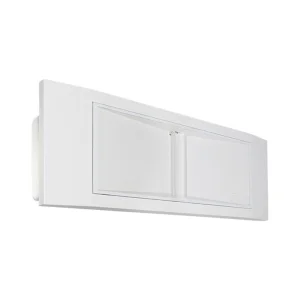
Emergency lighting solutions have transitioned from isolated standby units into deeply integrated, smart safety networks. As global building codes enforce rigorous security measures, industrial engineering, commercial architectural design, and municipal planning rely on failure-proof emergency systems. A primary failure in backup lighting can compromise life safety, resulting in heavy fines, loss of licensing, or structural disasters.
At Guangzhou Bluu Light Co., Ltd., we serve as a specialized manufacturer and global exporter, designing systems that prioritize high performance, smart diagnostic compliance, and absolute thermal resilience. Modern facilities require a multi-faceted approach. We combine the design requirements of architects with the execution speeds needed by EPC (Engineering, Procurement, and Construction) contractors to provide systems that ensure seamless emergency egress pathways under the most extreme conditions.
"Emergency illumination is not merely a component of regulatory checklists; it is a critical life-support mechanism that bridges the gap between infrastructure failure and successful evacuation."
Deciding between centralized infrastructure and localized, self-contained hardware for commercial and industrial plants.
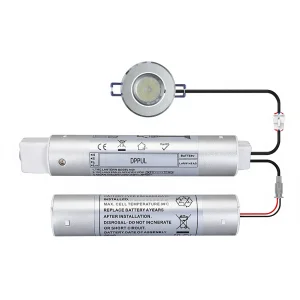
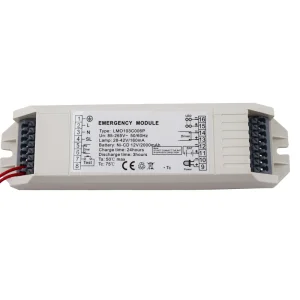
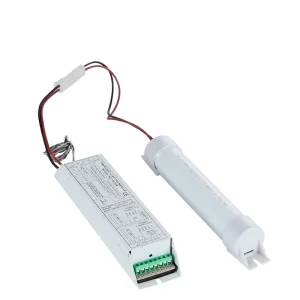
Each luminaire operates independently, incorporating its own battery backup, charger, and detection circuitry. Highly scalable, simple to retrofit, and limits localized failures.
Luminaires are powered by a central emergency generator or battery bank. Ideal for complex structures and large complexes, reducing maintenance points and easing visual testing protocols.
Utilizing DALI-2, wireless RF, or power-line carrier communication. Automated diagnostic reporting monitors lumens, charge levels, and status indicators in real-time.
Deciding between these topologies hinges on the scale of deployment, localized zoning laws, and budget considerations. For instance, high-density environments like multi-terminal airports are moving toward Centralized Systems because they reduce the cost of manually replacing hundreds of individual battery packs. On the other hand, multi-branch commercial networks, standard hotels, and high-rise office towers often favor Self-Contained LED Emergency Units because they require lower initial capital investment and offer easier installation procedures.
| Performance Metrics | Nickel-Cadmium (Ni-Cd) | Nickel-Metal Hydride (Ni-MH) | Lithium Iron Phosphate (LiFePO4) |
|---|---|---|---|
| Energy Density | Low (~50 Wh/kg) | Medium (~80 Wh/kg) | High (~120 Wh/kg) |
| Service Life Cycle | 3 - 5 Years | 4 - 6 Years | 8 - 10 Years |
| Thermal Range (Operational) | -20°C to +50°C | -10°C to +40°C | -20°C to +60°C |
| Environmental Profile | Hazardous (Contains Cadmium) | Eco-Friendly | Green / Highly Recyclable |
| Total Cost of Ownership (TCO) | High (Frequent replacement) | Moderate | Very Low (Extended lifespan) |
Navigating global building codes is a central challenge for procurement offices and engineering consultants. Our development process at Guangzhou Bluu Light Co., Ltd. ensures compliance with key international standards:
NFPA 101 Life Safety Code (USA): Requires reliable illumination for egress pathways. Egress illumination must remain active for a minimum of 90 minutes during main power loss, and average 1 foot-candle along the path of travel.
UL 924 (Standard for Emergency Lighting and Power Equipment): Imposes strict testing criteria on internal component temperature rises, enclosure durability, self-testing automation, and overall transfer speeds.
EN 60598-2-22 (European Standard): Covers specific requirements for emergency luminaires utilizing electrical supply sources not exceeding 1000V. It focuses on photobiological safety, mechanical strength, and ingress protection (IP ratings) for harsh climates.
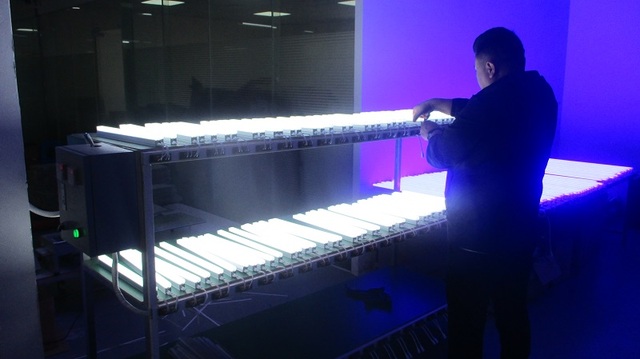
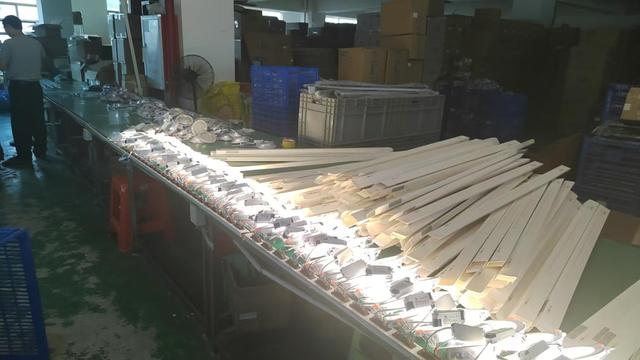
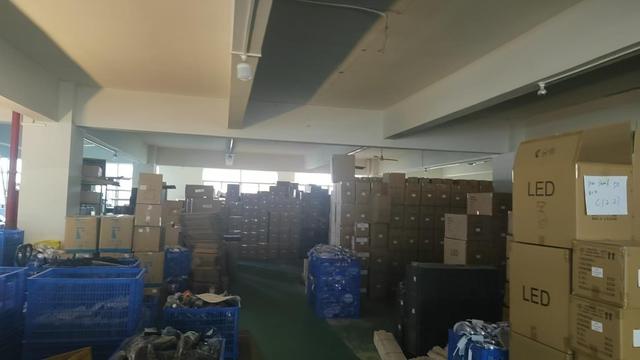
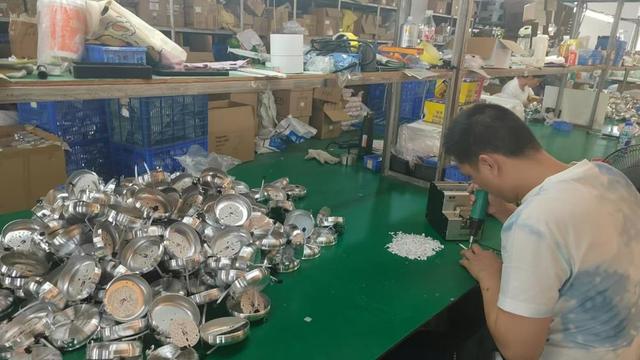
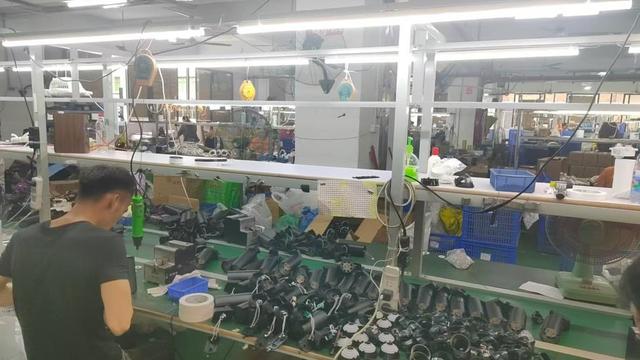
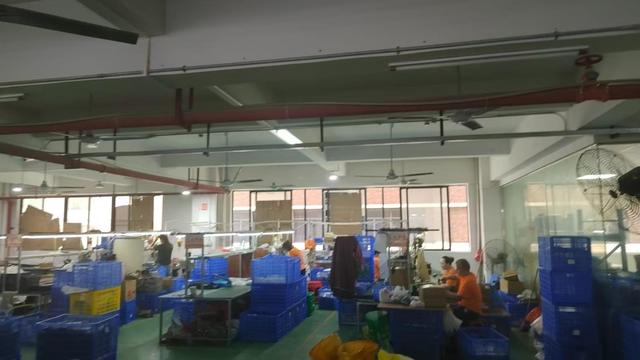
In an era defined by global shipping challenges and fluctuating material costs, Guangzhou Bluu Light Co., Ltd. utilizes smart factory manufacturing processes. Our Guangzhou-based facility employs automation to streamline high-volume production while maintaining consistent quality standards.
By using automated Surface Mount Technology (SMT) for driver assembly and computerized optical testing booths, we eliminate manual assembly errors. Our integrated logistics network ensures efficient sourcing of components, reducing production lead times for large-scale developments.
Vertical integration allows us to customize housing designs, configure emergency battery durations, and modify PCB boards for specific voltage needs without delaying production schedules. This setup minimizes risk for international buyers, guaranteeing timely project deliveries.
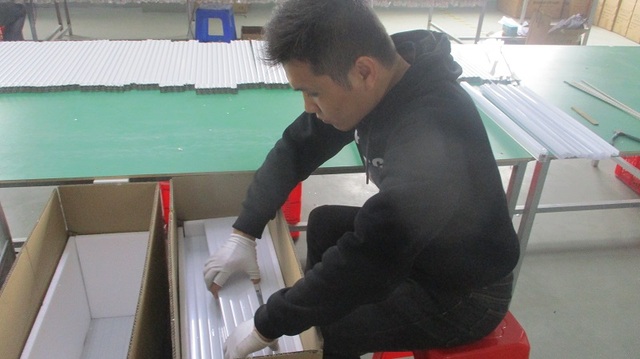
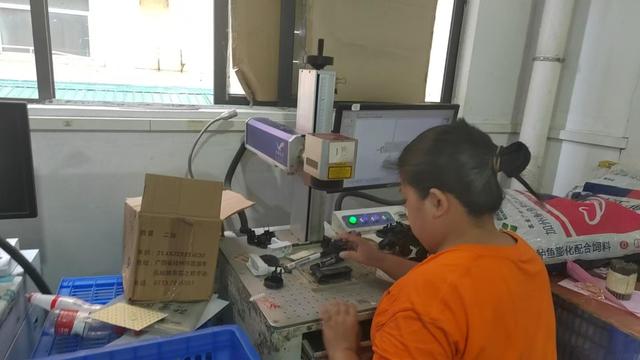
For procurement officers, sourcing emergency lighting is a balancing act between price compliance, structural durability, and lifetime maintenance costs. Low-cost units often lead to higher maintenance expenses due to battery degradation and driver failures in hot environments.
When evaluating suppliers, key factors include charge efficiency (aim for >90% efficiency to lower standby energy costs), high-grade fire-retardant enclosures (UL 94 V-0 level), and clear warranties. Guangzhou Bluu Light provides comprehensive documentation, standard 3-to-5-year warranties, and replacement parts, protecting your building assets from operational interruptions.
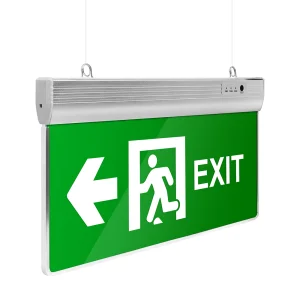
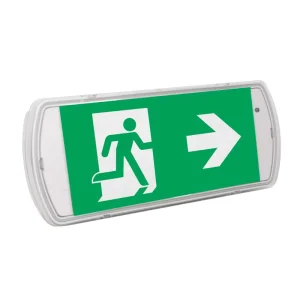
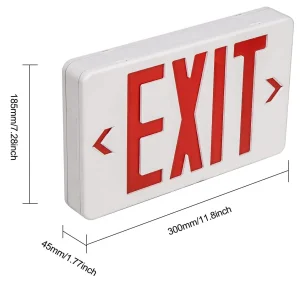
Emergency lighting must be engineered for its specific installation environment. Inside clean commercial offices, visual integration and architectural aesthetics are paramount. Low-profile, recessed emergency downlights and thin, double-sided exit signs ensure safety without disrupting modern interior designs.
In contrast, industrial sites like warehouses, heavy manufacturing plants, and chemical processing facilities require rugged hardware. These locations demand IP65/IP66 waterproof ratings, dustproof enclosures, and impact-resistant materials. Corrosive vapors, humidity, and vibration can quickly damage standard lights, making robust construction essential.
Outdoor settings require additional considerations. Parking structures, egress pathways, and loading docks need weather-sealed, temperature-controlled fixtures. These lights must withstand freeze-and-thaw cycles and high summer heat while maintaining battery integrity for consistent standby operation.
Helping B2B buyers, electrical contractors, and building safety engineers make informed decisions.
Flexible options for retrofits, custom industrial builds, and new construction projects.
 Bluu Light