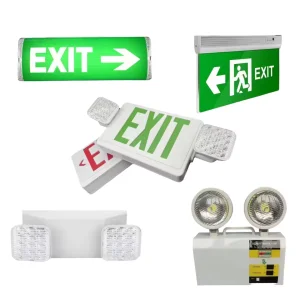
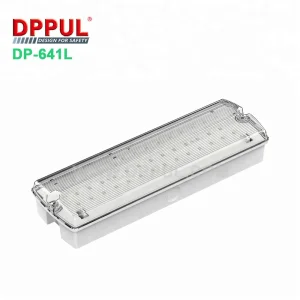
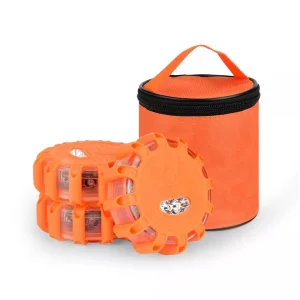
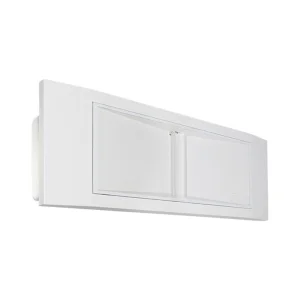
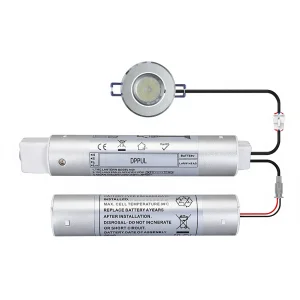
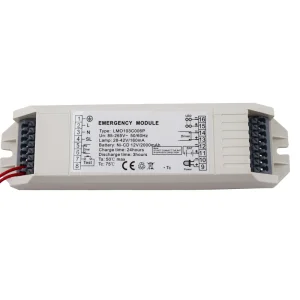
Product Description

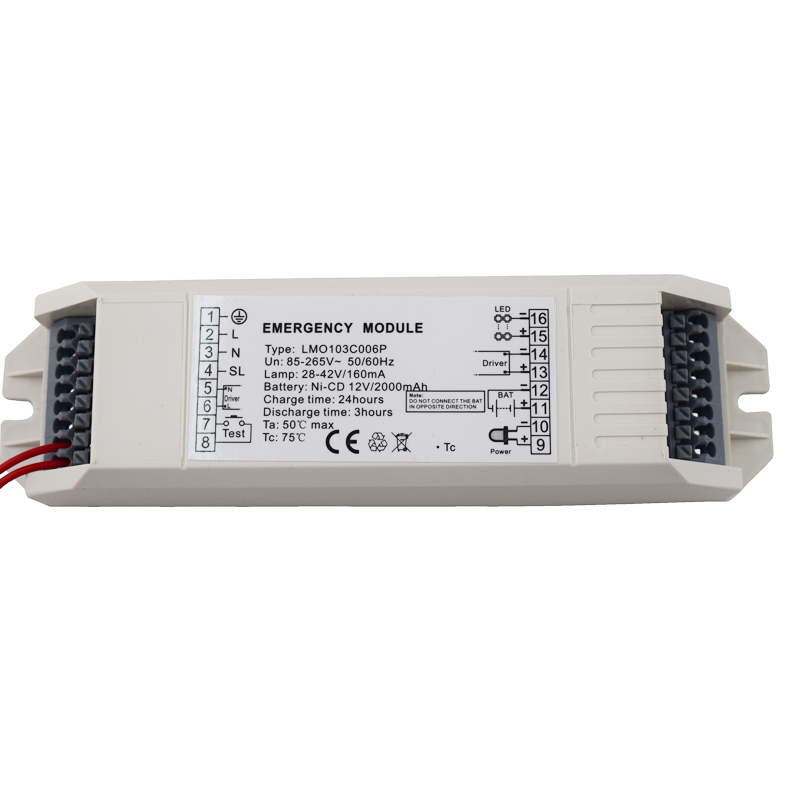
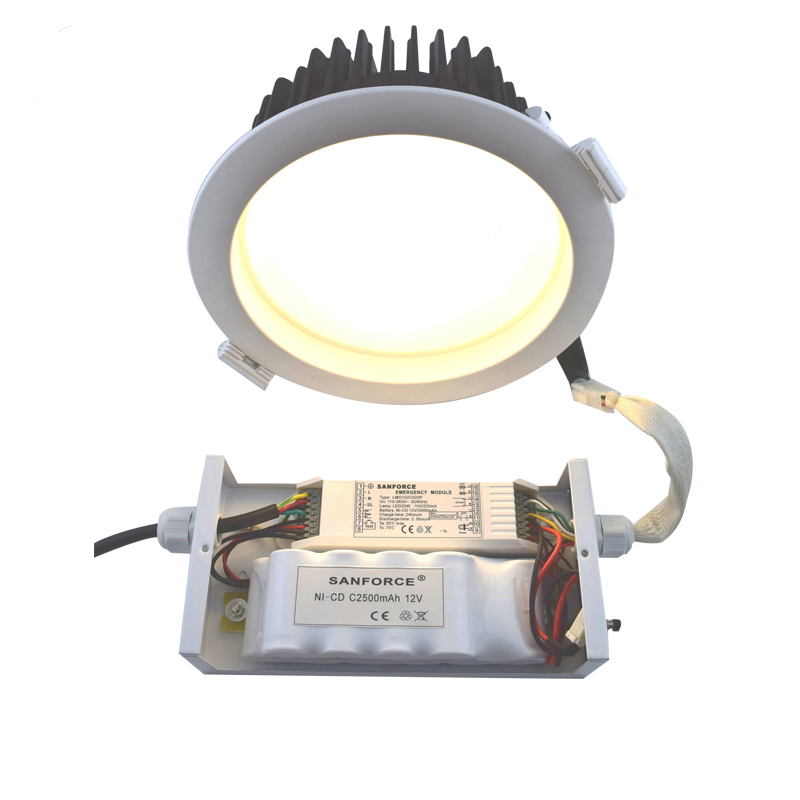
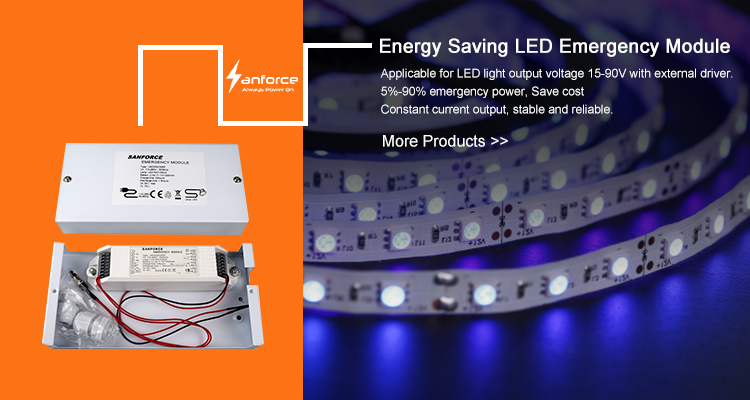
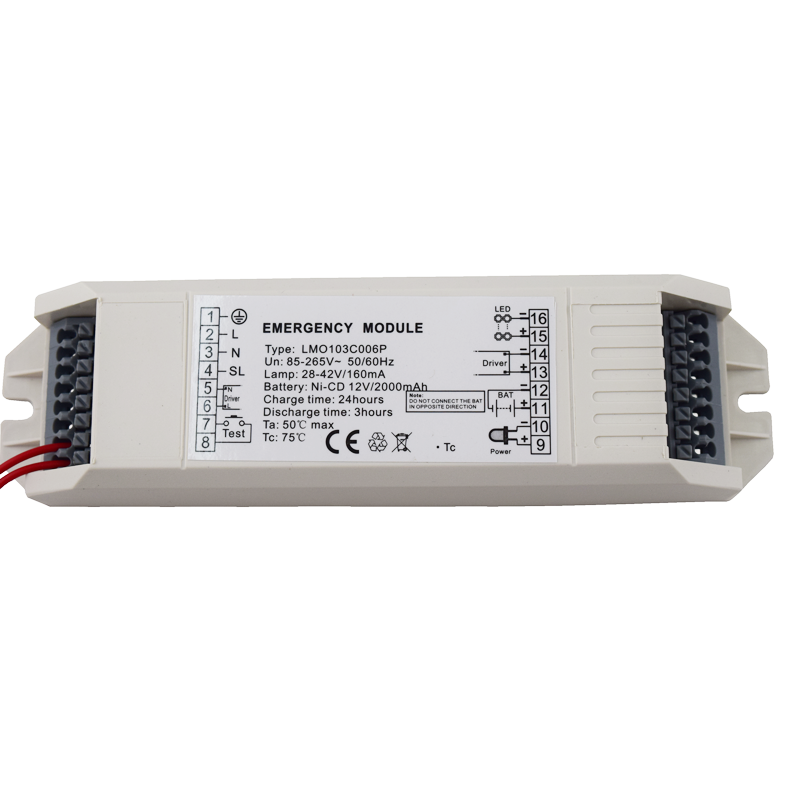
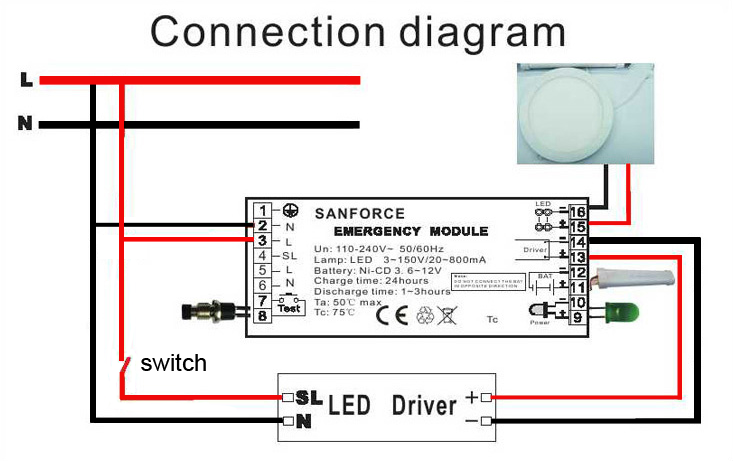
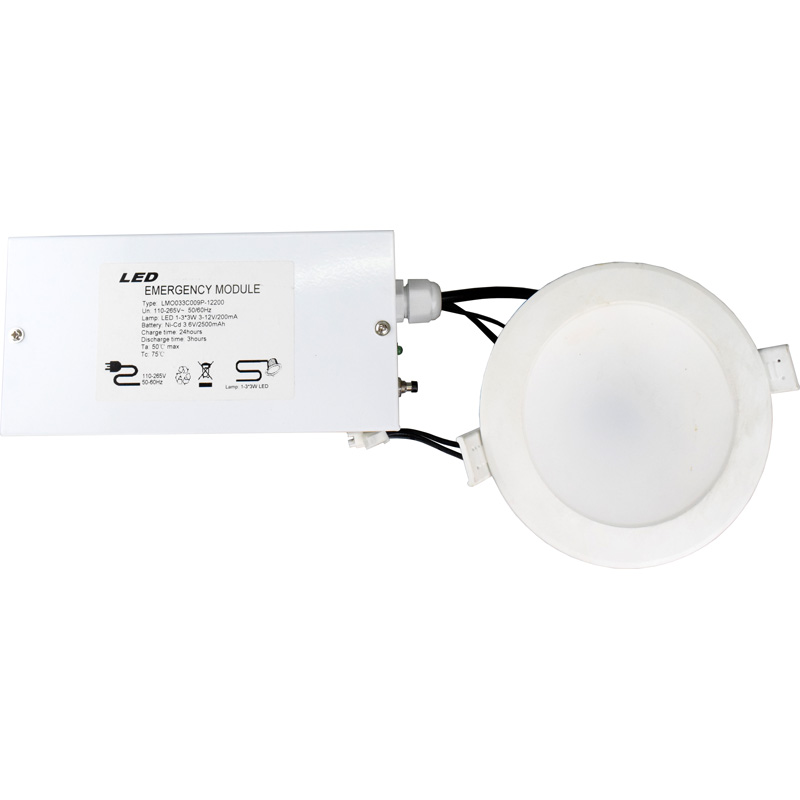
Emergency power packs allow the LED fixtures to meet requirement for emergency illumination. Designed especially for Constant Current type LEDs and circuits. Utilizing DC/DC switcher circuitry. Product is compatible with wide range of LED fixture ideal for LED panel light, LED down light, LED ceiling light and many others with external LED driver and low voltage (6-90V).
| Model No. |
LMO101C025P |
| Product Name |
LED emergency module |
| Battery Type |
NiMH, NiCd, Lithium battery |
| Lighting Power |
25W LED panel |
| Emergency Power |
15W |
| Input voltage |
AC85~265V, 50/60Hz |
| Battery protection |
Yes |
| Operation temperature |
-20--70℃ , 65+20% RB |
| Highest Surface Temperature |
50°C |
| Battery Capacity |
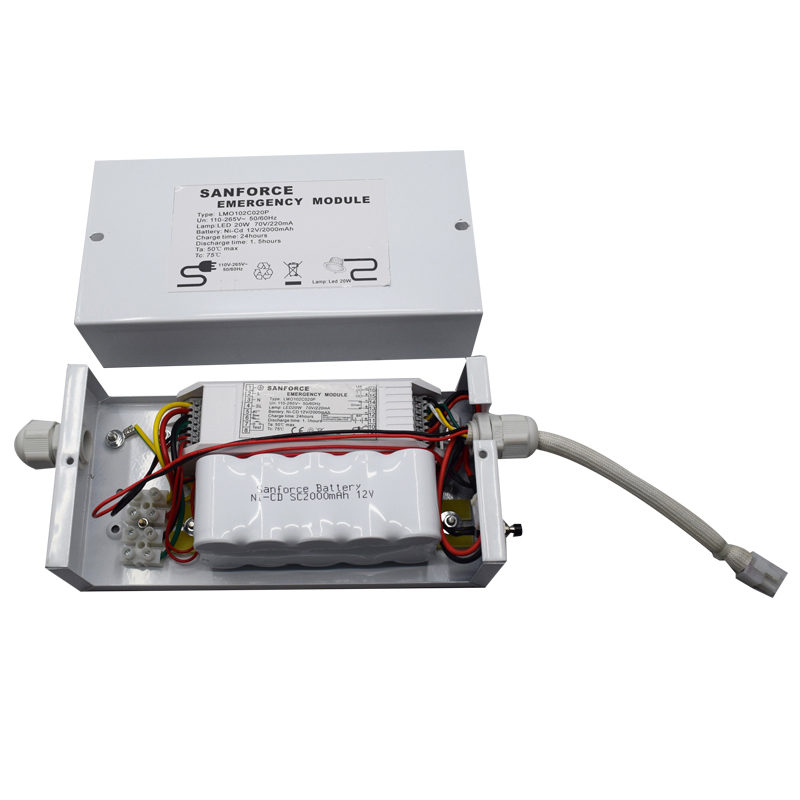
12V 2000mAh Rechargeable Nicd battery pack |
| Charging Time |
>24h without break |
| Output Voltage in emergency |
DC28-42V,160mAh |
| Suitable light source |
LED PANEL, DOWN LIGHT, CEILING LIGHT |
| Emergency power |
60% |
| Emergency duration |
180 minutes |
| Product Weight |
1.3kgs |
| Inverter dimension |
155*40*30mm |
| Outer casing size |
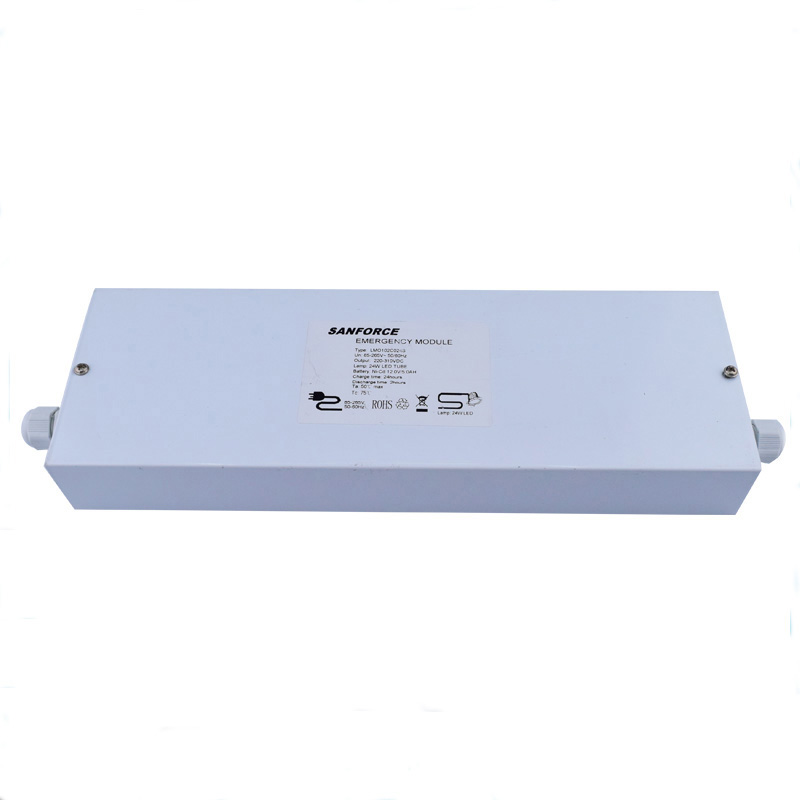
200*100*53mm |
| Note |
Custom-Made battery to be configured with different back-up period and different light output levels. |
Frequently Asked Questions
Are there any recommended testing procedures for LED Emergency Drivers?
Press the test button to cut the power to the AC driver and switch the system to Emergency Mode. Release the test button to return to Normal Mode. Switch off the circuit breaker to simulate a full power outage. For Initial Testing, allow the unit to charge approximately one hour, and then conduct a short discharge test. Allow 24 hour charge before conducting a one hour test.
Is there a shelf life to the batteries?
Nickel Cadmium batteries can be stored in either a charged or discharged state. However, long term storage can accelerate battery self-discharge, and lead to the deactivation of reactants. Although the cells can be stored at temperatures between -20°C and +45°C, as with almost all batteries heat can cause deterioration of the active chemicals and it is better to keep the cells in a cool, clean, dry, non-corrosive environment. After prolonged storage, two or three deep discharge cycles may be needed to restore full capacity. When storing for periods longer than a year or two, some performance decay can occur – NiCAD batteries that are on a shelf for longer than a year should be subjected to deep discharge/charge cycle to prevent this decay.
Does it need to be charged for the first time usage after installation?
Yes, the battery packs must be charged over 24 hours after installation.
Can EM kit work with any kinds of lights?
No, we have different EM kit for different lamps, please reference to "How to choose the right emergency battery packs".
How to know if you should choose high temperature battery or regular temperature battery?
The high temperature battery can be trickle charged well even if the emergency kit is in high temperature due to insufficient radiating caused by the lights working for long time. While regular temperature battery stop charging in high temperature that result in emergency light failed to work. We recommend to use high temperature battery for EM kit.
Are the emergency modules with over charging protection and discharging protection?
The battery is being charged all along when mains is working, and the charging current will be decreased based on the capacity status of battery packs during charging. When the battery pack is charged enough, the charging current is very small, and needs no over voltage protection. On discharging operation, the emergency module sets a cutting voltage to protect against over-discharging.
 Bluu Light