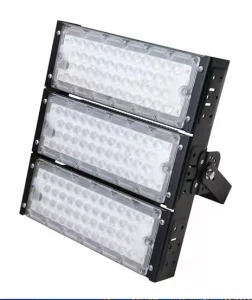
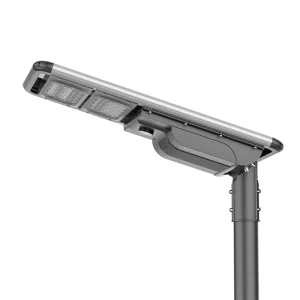
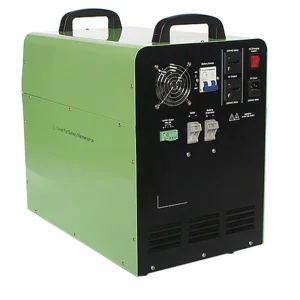
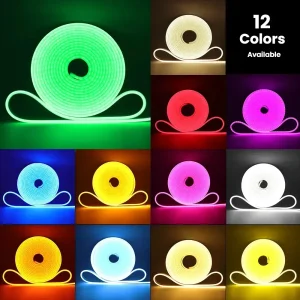
Guangzhou Bluu Light Co., Ltd. is a professional Commercial LED Lighting Manufacturer specializing in smart lighting solutions for retail, office, industrial, and commercial environments. Based in Guangzhou, China, the company focuses on the development, manufacturing, and supply of energy-efficient LED lighting systems designed to improve illumination quality, operational efficiency, and sustainability across a wide range of applications.
With a strong commitment to innovation and performance, Bluu Light offers comprehensive lighting solutions for commercial buildings, office spaces, retail stores, warehouses, industrial facilities, hospitality venues, educational institutions, healthcare environments, and outdoor infrastructure projects. The company integrates advanced LED technology with intelligent lighting controls to help customers optimize energy consumption, enhance visual comfort, and reduce long-term operating costs.
Bluu Light emphasizes product reliability, engineering expertise, and project-oriented customization. Its experienced technical team works closely with clients, architects, contractors, and distributors to develop lighting solutions that meet specific project requirements, industry standards, and environmental objectives. From lighting design consultation and product selection to manufacturing and project support, the company provides end-to-end services for diverse commercial lighting applications.
Equipped with modern production facilities and rigorous quality management systems, Bluu Light maintains strict control throughout the manufacturing process to ensure consistent product performance and durability. The company continually invests in research and development to advance smart lighting technologies, energy-saving innovations, and intelligent control systems that support the evolving needs of global markets.
Serving customers across North America, Europe, Asia, the Middle East, South America, and other international regions, Guangzhou Bluu Light Co., Ltd. is dedicated to delivering reliable commercial LED lighting solutions that combine efficiency, functionality, and long-term value for modern businesses and infrastructure projects worldwide.
As global urban infrastructure rapidly digitizes, parking lighting has transitioned from basic utility lamps to sophisticated, network-enabled assets. Chinese manufacturers, specifically cluster leaders located in Guangzhou and the broader Pearl River Delta, sit at the epicentre of this transformation. China's dominance as the premier exporter of parking lighting solutions is built upon key architectural advantages:
The geographic concentration of raw materials, chip casting, driver development, and advanced polymer extrusions guarantees short production cycle times and unparalleled agility in fulfilling large scale B2B orders.
Exporters regularly comply with UL, DLC Premium, CE, RoHS, UKCA, and CB schemes, ensuring that municipal and commercial products can be integrated globally with local grid safety codes without modification.
Rapid iterative development allows Chinese factories to adapt to smart sensor protocols (microwave, PIR, Zhaga, NEMA) months ahead of Western competitors, adding significant technological value.
As global urban landscapes shift towards carbon neutrality and intelligent operations, the technologies deployed in parking structure luminaires are experiencing a profound technological renaissance. No longer does a design specify simple high-pressure sodium (HPS) or metal halide lamps. Instead, specifiers seek platforms that support longevity, network capabilities, and multi-functional sensors.
Modern parking luminaires are equipped with standardized receptacles such as 5-pin/7-pin NEMA sockets or Zhaga Book 18 connectors. These interfaces enable the hot-swapping of smart controllers, wireless node photocells, and IoT gateways utilizing protocol standards like Zigbee, Bluetooth Mesh, or LoRaWAN. This allows facility managers to monitor individual energy draw, receive automatic maintenance failure alerts, and program custom scheduling remotely.
Continuous operation of high-output luminaires in unoccupied zones leads to massive resource waste. By incorporating microwave occupancy sensors with bi-level dimming capabilities, modern fixtures idle at 10% to 20% brightness when no activity is detected. Once a vehicle or pedestrian is detected, the fixture transitions smoothly to 100% output. This minimizes the footprint while increasing security perceptions in parking garages.
As parking garages evolve into primary hubs for EV charging infrastructure, modern lighting runs are designed alongside complex high-voltage power paths. Lighting designers are integrating charging station indicator signals and security cameras directly into structural light poles and ceiling fixtures, utilizing centralized driver boxes to ease structural load and maintenance profiles.
Parking environments vary widely across the globe, each requiring dedicated engineering considerations to withstand environmental stressors and satisfy specific codes:
Characterized by low ceilings, humidity, and constant exhaust particulate buildup. These require vapor-tight linear tri-proof fixtures (IP65 or IP66 rated) designed with impact-resistant polycarbonate housings (IK08-IK10) to guard against mechanical damage, corrosion from dampness, and chemical breakdown from motor vehicle fumes.
These environments balance aesthetic consistency with heavy mechanical vibration from incoming traffic. High-efficiency canopy lights with asymmetric optics are deployed to cast wide, uniform light across vehicle decks without creating dangerous glare zones in the drivers' line of sight.
Subjected to severe wind loads, ambient temperature fluctuations, and direct UV degradation. High-power outdoor pole-mounted area lights with IP66-level enclosures, professional surge protection (10kV/20kV), and dark-sky compliant optics are essential to limit upward light spill and resist localized lightning events.
Port structures and coastal resorts experience corrosion from salt-laden atmospheres. These projects rely on marine-grade powder coatings, stainless-steel hardware, and special chemical surface treatments to ensure the integrity of the heat dissipation fins and structural brackets over decades.
Corporate real estate groups, logistics companies, and municipal contractors face rigorous parameters when purchasing industrial and commercial lighting. The procurement criteria must look past basic product cost and focus closely on the Total Cost of Ownership (TCO) and compliance framework. Proper supply chain validation requires reviewing three core manufacturing aspects:
Enterprise buyers need concrete proof of efficacy. Authentic manufacturers offer validated IES files generated from their internal goniophotometer testing equipment. These photometric reports allow engineers to run precise Dialux simulations, confirming Lux distributions and ensuring they meet target safety illumination guidelines before shipping a single cargo container.
The life-limiting component of any LED system is the driver, closely followed by the heat sink. Guangzhou Bluu Light utilizes die-cast aluminum heat sinks designed for passive air convection, paired with top-tier driver platforms (such as MeanWell, Inventronics, or Sosen). These drivers feature built-in over-voltage, short-circuit, and over-temperature protections to guarantee the system surpasses its 50,000-hour rated lifespan.
From fire retardant ratings for structural housings to UV stabilization of acrylic lens arrays, compliance with modern building regulations is a necessity. Specifiers check that internal wire insulation meets class-leading temperature requirements and that terminal connection blocks feature tool-free spring retention to minimize localized installation overhead in the field.
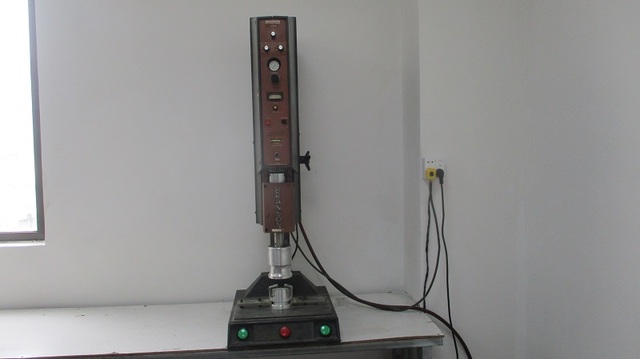
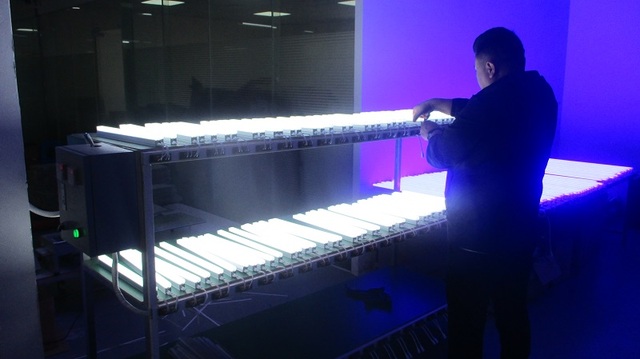
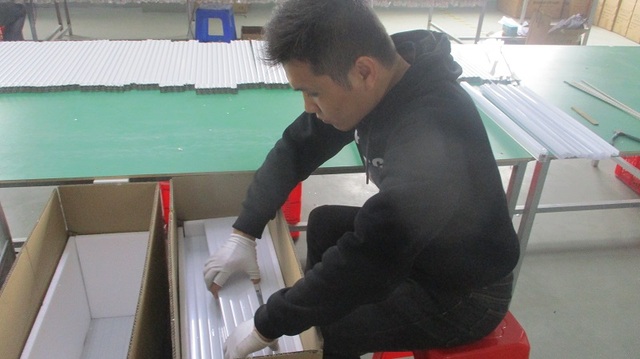
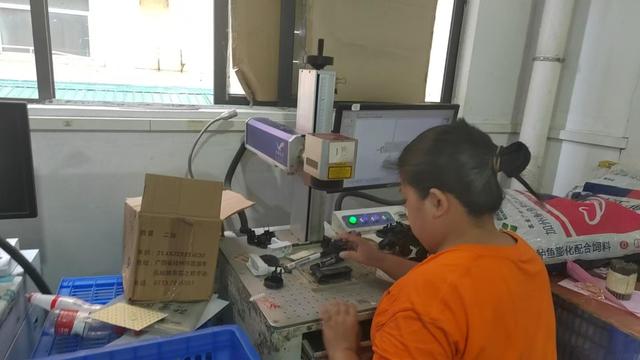
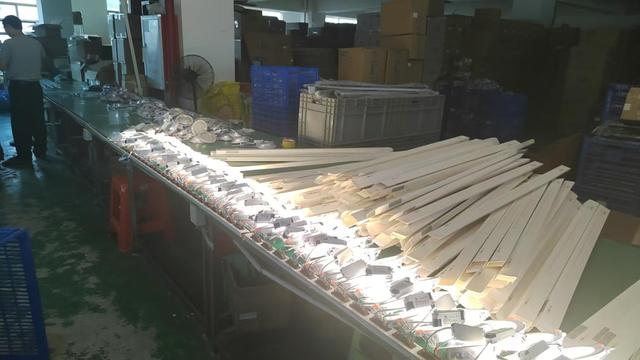
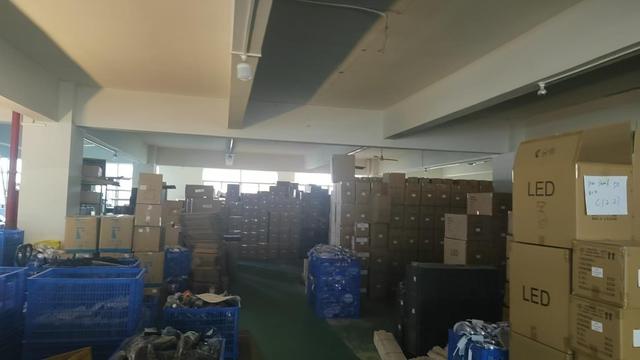
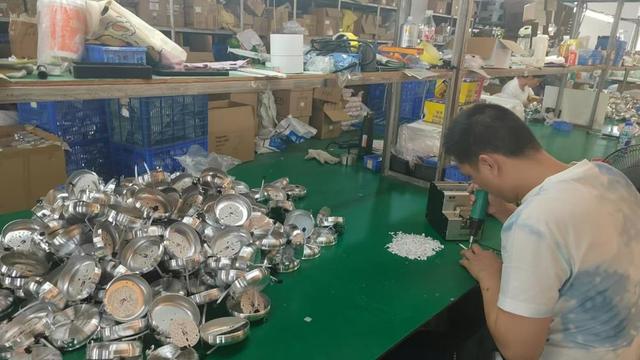
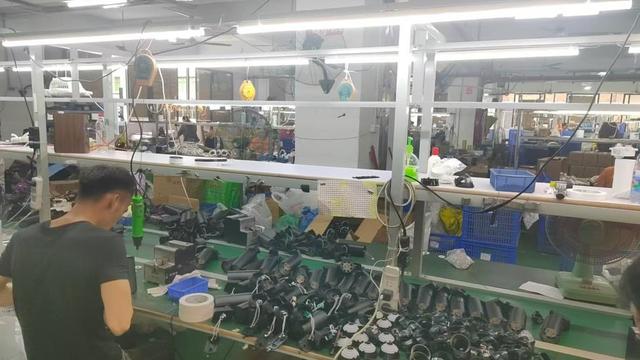
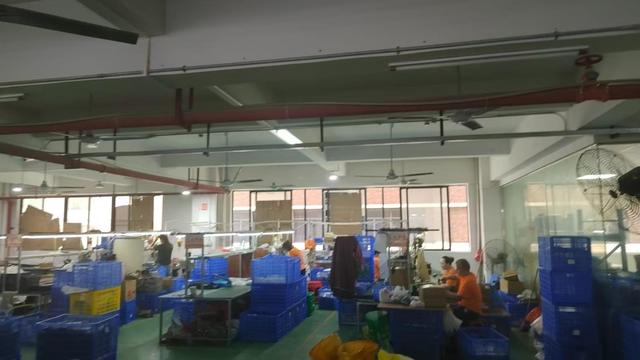
To ensure complete reliability and compliance with Google's E-E-A-T requirements for transparency, below are verified photographic archives showcasing the manufacturing environments, custom testing labs, assembly lines, and design workflows at Guangzhou Bluu Light.
 Bluu Light