QCan solar streetlights work normally on cloudy or rainy days?
Yes, they can work normally. Our products are configured with high-efficiency photovoltaic panels and high-capacity lithium batteries, supporting continuous lighting for 3-5 rainy days under standard configuration. The controller intelligently manages the discharge strategy to prioritize core night lighting periods.
QWhat are the advantages of solar streetlights compared to ordinary mains-powered lights?
The core advantages include: 1. Zero ongoing electricity costs. 2. Convenient and efficient installation without the need for cable trenching, reducing labor and construction costs. 3. Environmentally friendly with a stable power supply independent of grid outages.
QIs solar street light installation complicated? Is a professional team required?
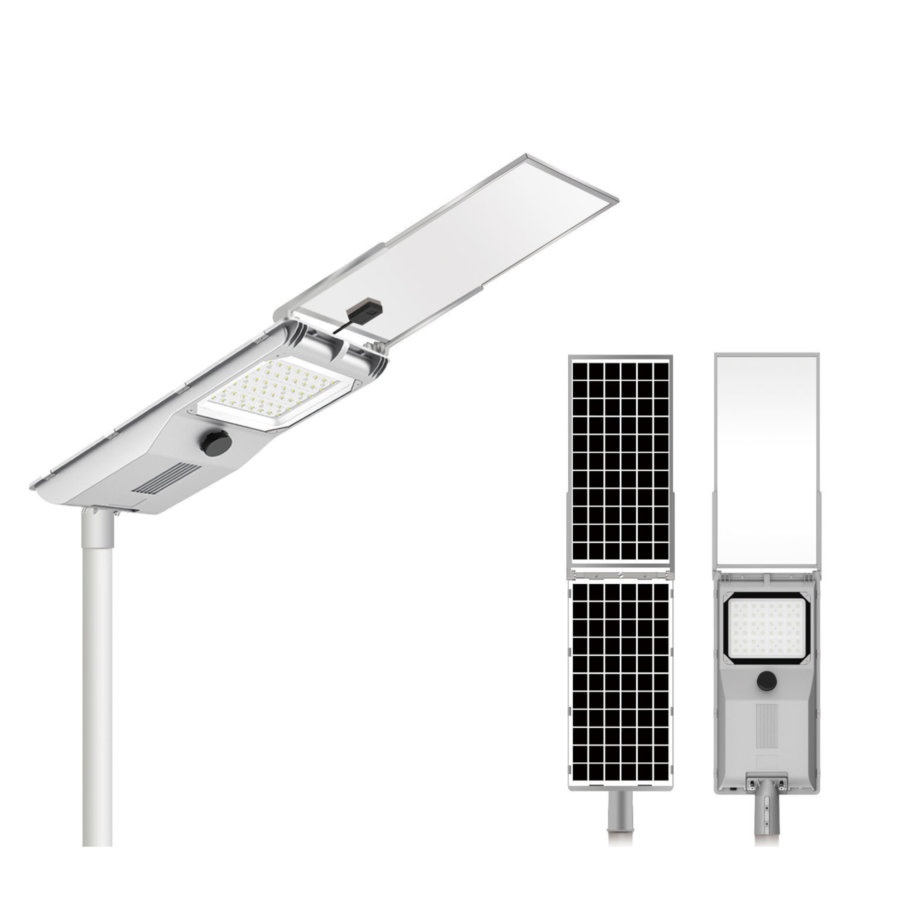
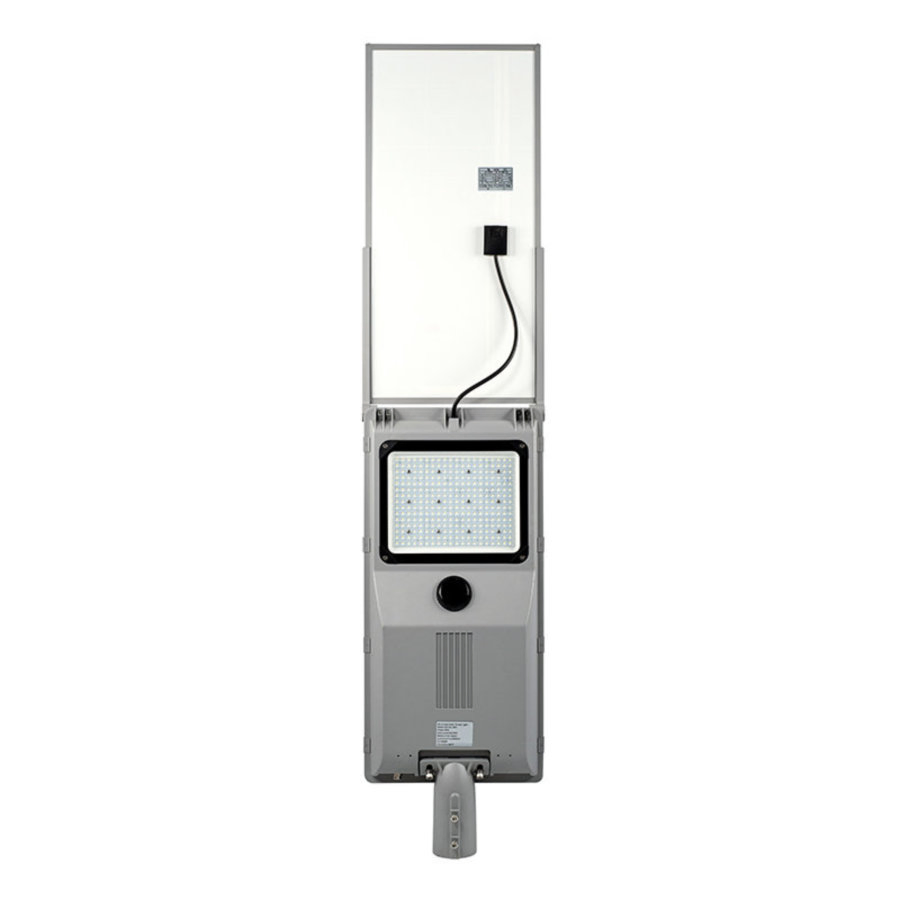
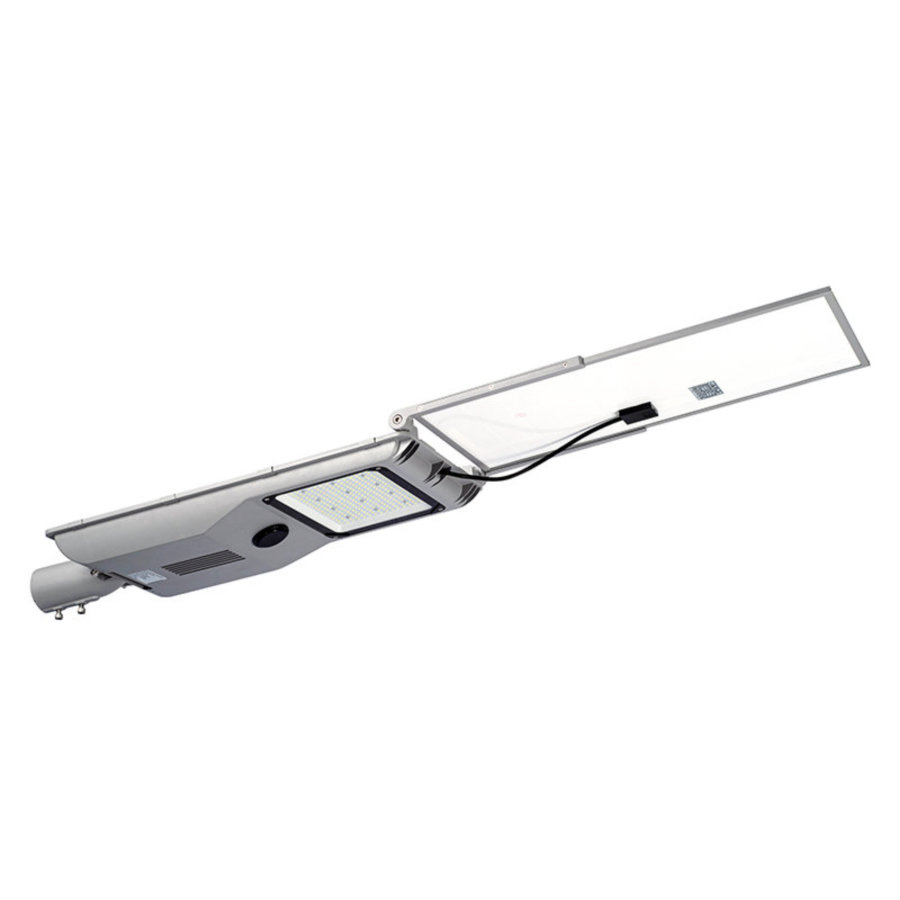
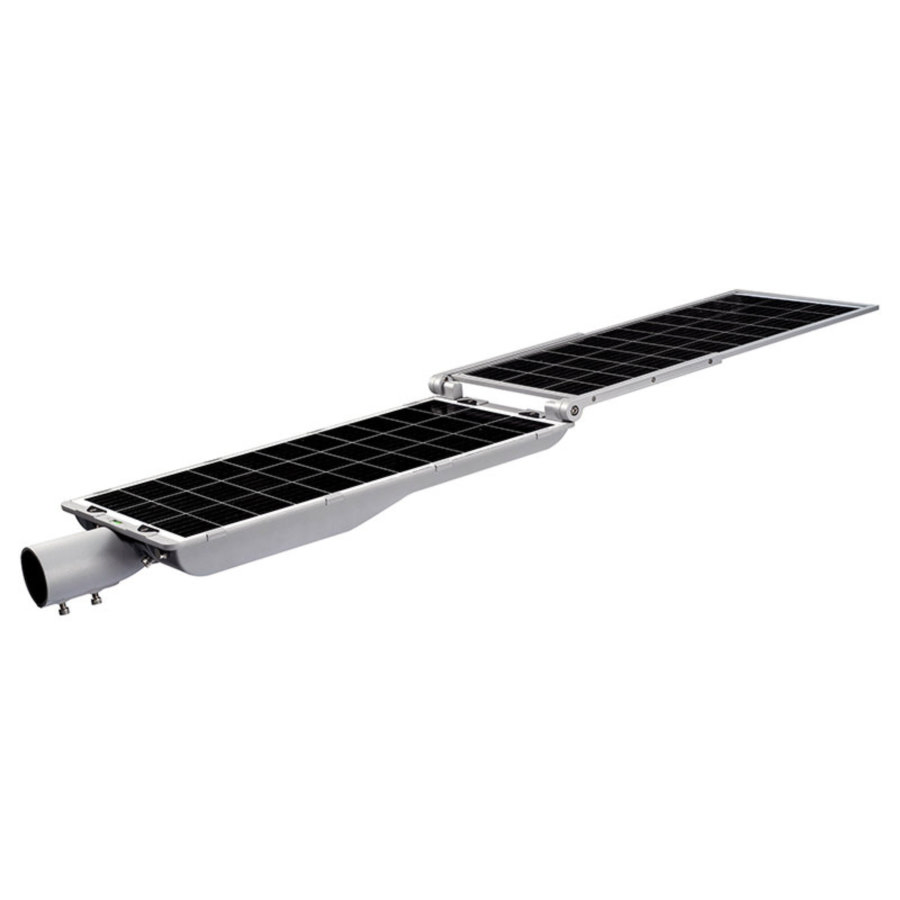
Installation is simple and convenient, requiring no professional electrician team. The integrated design simplifies setup into three easy steps: completing the foundation pouring, hoisting the light pole, and securing the components.
QWhat daily maintenance is required and what is the cost?
Maintenance is extremely minimal and low-cost. It mainly involves cleaning dust and leaves from the photovoltaic panel surfaces every 3-6 months to ensure charging efficiency, and checking the structural stability of the pole and connection interfaces.
QIs it worthwhile to purchase solar streetlights considering the higher initial cost?
Yes. Although the initial purchase cost is higher than conventional lights, the lack of electricity bills, cabling, and low maintenance costs allow the price difference to be recovered within 2-3 years. Over the full lifespan, the total cost is only about 1/3 of a conventional grid-powered streetlight.
QWhat is the lifespan of the core components?
The core components are built to last: the solar panels have a lifespan of 10-25 years, the LiFePO4 battery supports over 2000 cycles (3-8 years), the LED light source lasts 5-10 years, and the controller has a lifespan of 5-8 years. Individual components can be replaced easily to extend total system life.
 Bluu Light