Premium architectural and commercial-grade illumination solutions engineered for operational resilience.
Executive Abstract: The integration of Intelligent Building Lighting Systems within commercial and industrial facilities has evolved from a simple energy-reduction tactic to a core component of digital building lifecycle management. In the high-density metropolitan area of Houston, Texas, local environmental parameters, grid variability, and strict building codes present unique operational challenges. This whitepaper analyzes the commercial viability, technological architecture, regulatory frameworks, and supply chain strategies of smart lighting systems, highlighting the manufacturing edge offered by Guangzhou Bluu Light Co., Ltd. for North American engineering applications.
Houston, Texas, represents one of the most dynamic yet challenging environments for commercial real estate and industrial infrastructure in the United States. As a primary global hub for energy, logistics, biomedical research, and aerospace, the city demands infrastructure capable of withstanding extreme operational pressures. These pressures include high ambient heat indexes, intense humidity, coastal wind loads, and occasional severe weather events.
For industrial operators—especially in the petrochemical, warehousing, and shipping sectors surrounding the Port of Houston—lighting systems are not merely aesthetic; they are safety-critical assets. Traditional lighting systems struggle under persistent thermal loads, accelerating lumen degradation and driver failures. Intelligent lighting addresses these challenges by incorporating active thermal management, adaptive dimming, and real-time fault telemetry.
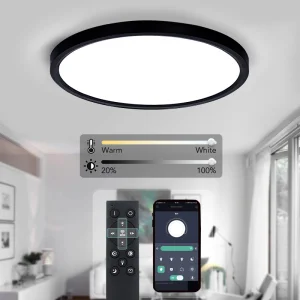
Furthermore, Houston's commercial office spaces, stretching from the Downtown business district to the Energy Corridor, are undergoing rapid modernization. Developers are leveraging IoT-enabled, human-centric lighting (HCL) systems to attract premium tenants. Human-centric lighting aligns indoor color temperatures and light levels with natural circadian rhythms, improving productivity and workplace wellness.
Navigating the regulatory landscape of the state of Texas requires strict adherence to both localized amendments and international building codes. For Houston-based projects, compliance with the International Energy Conservation Code (IECC) and ASHRAE Standard 90.1 is mandatory. These codes mandate rigorous controls over lighting power density (LPD) and require the integration of automated shut-off mechanisms, daylight harvesting, and demand-responsive dimming.
Key regulatory imperatives for Houston building projects include:
As a premier Commercial LED Lighting Manufacturer, Guangzhou Bluu Light Co., Ltd. serves as a reliable global manufacturing partner, bridging high-volume production efficiency with the strict requirements of North American projects. Based in the industrial hub of Guangzhou, China, the company integrates research and development with modern production lines to deliver advanced, energy-efficient solutions.
The company's capability portfolio includes comprehensive lighting design consultation, engineering support, and high-performance product manufacturing. Working closely with lighting designers, electrical contractors, and distributors, Bluu Light develops specialized fixtures that comply with regional codes while lowering procurement costs.
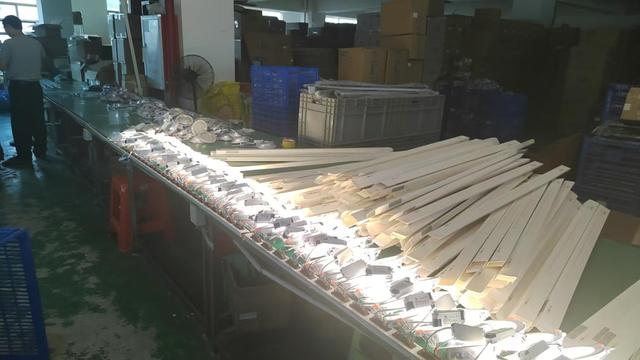
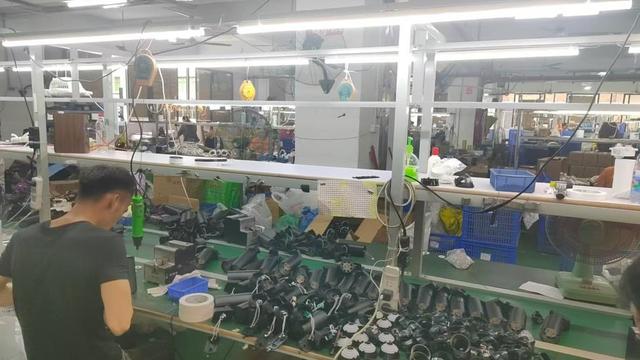
A key advantage of sourcing from Bluu Light is their vertically integrated manufacturing process. Utilizing automated surface-mount technology (SMT) for LED boards, CNC machining for robust aluminum enclosures, and advanced testing facilities (incorporating integrating spheres and goniophotometers), they guarantee consistent thermal and photometric performance. Their components use premium drivers (such as MeanWell or Inventronics) and high-lumen LED chips, ensuring system lifetimes exceed 50,000 to 100,000 hours under operational stresses.
Modern intelligent building lighting systems rely on robust digital control frameworks. Selecting the correct communication protocol is essential to ensure long-term scalability and seamless integration with existing Building Automation Systems (BAS) via BACnet or Modbus protocols.
Our systems support several control topologies:
Different vertical sectors in the Houston market require distinct architectural and performance characteristics. In medical districts like the Texas Medical Center, circadian-tuned, low-glare ceiling systems are prioritized to improve patient recovery and support clinical staff working night shifts.
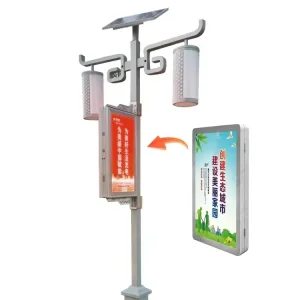
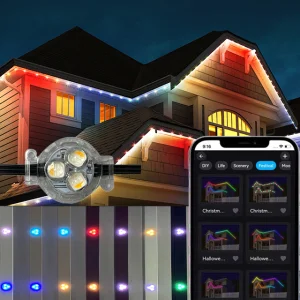
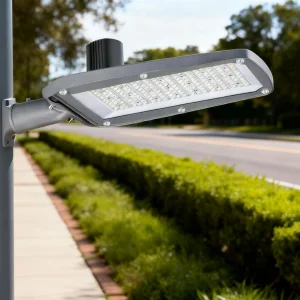
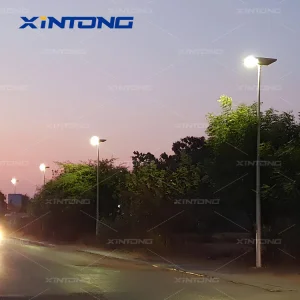
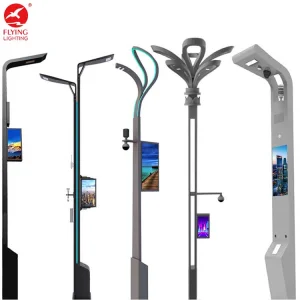
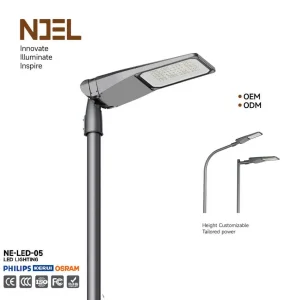
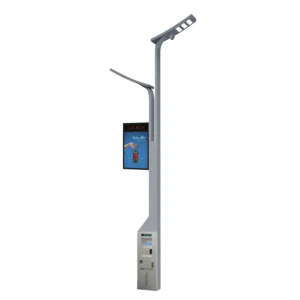
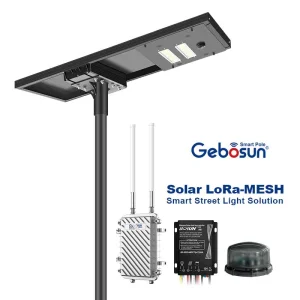
Conversely, in municipal and perimeter security applications, outdoor eave lights, floodlights, and smart street poles serve as the primary defensive perimeter. By integrating CCTV cameras, environmental sensors, and EV charging options directly into street lighting poles, municipal operators can gather data on local traffic patterns while providing public safety infrastructure.
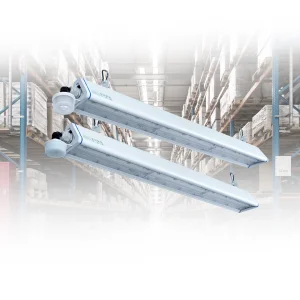
In heavy industrial yards, warehouses, and storage depots, high-bay lighting with integrated microwave motion sensors is standard. In these high-ceiling spaces, traditional lighting remains active even when areas are unoccupied. In contrast, motion-controlled systems reduce output to a low safety level during periods of inactivity, scaling up to full brightness only when a worker or vehicle is detected, saving up to 80% in energy costs.
Procurement professionals must balance upfront capital savings against long-term maintenance costs. Importing high-volume smart lighting products from China offers significant cost advantages, but requires careful risk management:
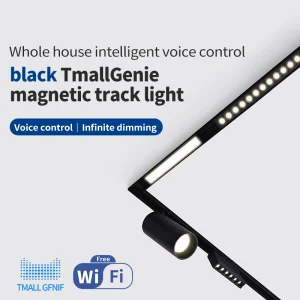
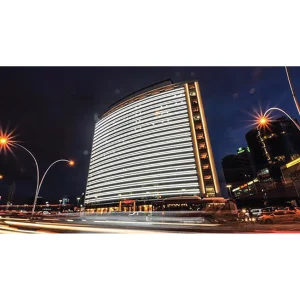
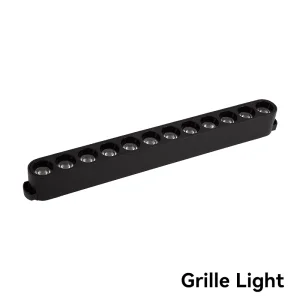
Dynamic linear components and magnetic tracking grids designed for high-end commercial interiors and facade structures.
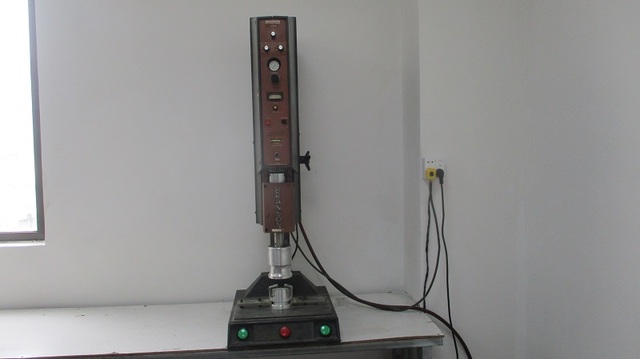
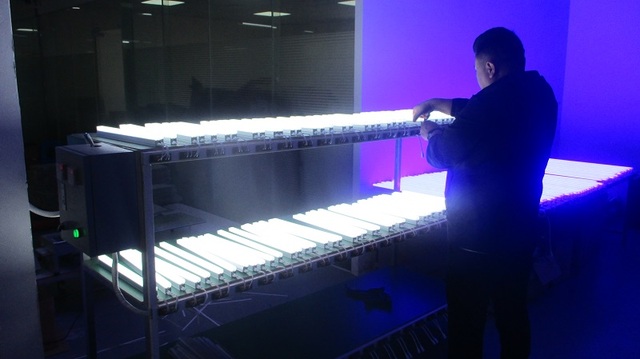
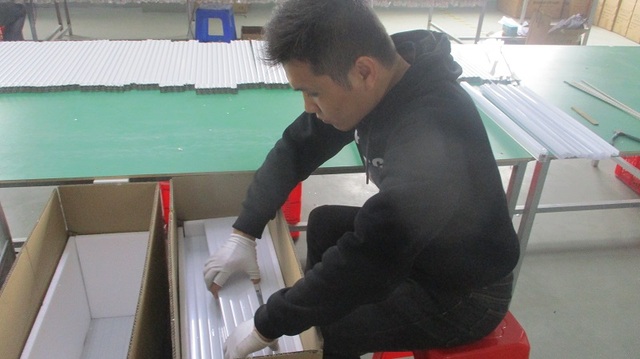
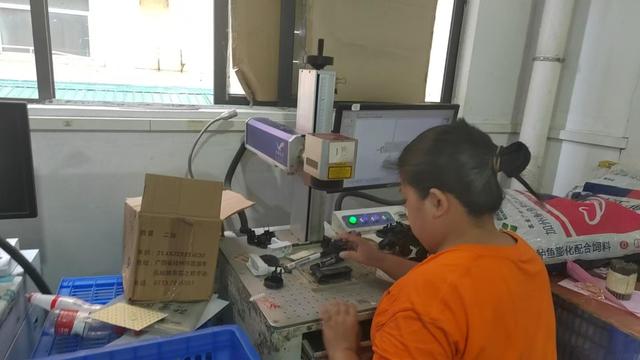
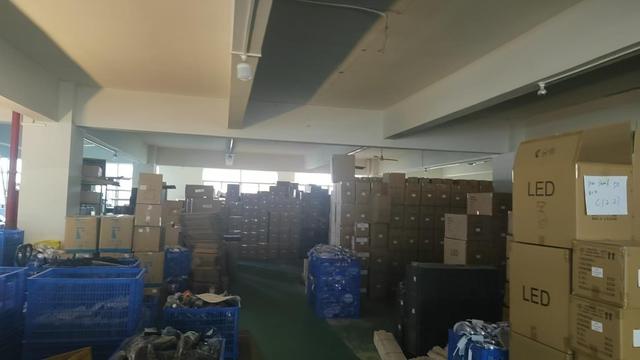
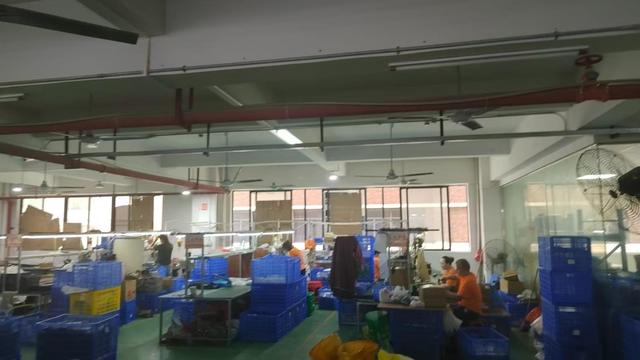
Take a virtual tour of our production workshop, CNC processing lines, testing labs, and completed structural light projects.

Addressing engineering, code compliance, and direct global procurement strategies.
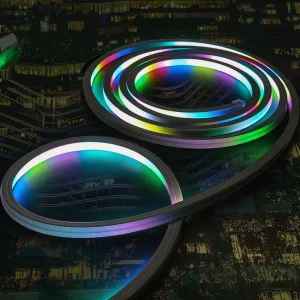
Explore our full range of smart lighting solutions, featuring integrated wireless nodes, rugged industrial casings, and architectural accents.
 Bluu Light