Advanced structural illumination engineered for energy efficiency, low maintenance overhead, and seamless smart control integration.
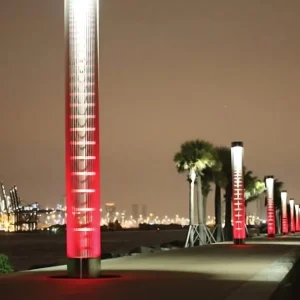
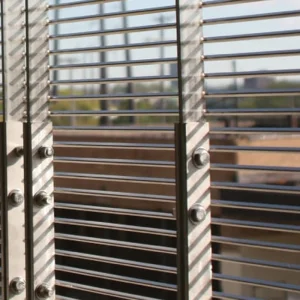
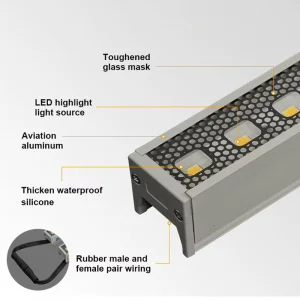
Namibia's architectural landscape is undergoing an ambitious modernization phase. Driven by the Harambee Prosperity Plan, urban expansion in cities like Windhoek, Swakopmund, and Walvis Bay demands cutting-edge building envelopes that emphasize environmental compatibility, energy conservation, and aesthetic durability. In this arid but rapidly evolving market, commercial lighting systems account for up to 35% of a building's overall operational carbon footprint. Thus, transitioning to high-luminous-efficacy, smart-controlled, and physically resilient lighting installations is not merely a design preference; it is a structural necessity.
Guangzhou Bluu Light Co., Ltd. stands as a premier manufacturing partner capable of delivering high-efficacy LED lighting systems engineered for Namibia's severe climate conditions. From corrosive coastal environments in Swakopmund requiring robust stainless steel chassis to scorching inland regions demanding advanced thermal management systems, our products integrate advanced LED driver technology, premium materials, and intelligent wireless protocols to solve specific geographic challenges.
By integrating smart lighting systems, developers and contractors across Namibia can align their projects with international green building standards (such as SANS 10400-XA and Green Star certifications), minimizing peak load grid dependencies while transforming nocturnal cityscapes.
Maximum Efficacy Available
Weatherproof Corrosion Standards
Operational Lifespan Rating
Compliant Design Methodologies
Understanding the unique environmental and electrical challenges of importing commercial lighting systems to Southern Africa.
Namibia's regional energy distribution often experiences voltage spikes and load shifts. Our smart lighting drivers are equipped with wide-input voltage tolerance (100V-305V AC or specialized DC 48V magnetic rails) and built-in 10kV surge protection, protecting light sources from grid-induced burnouts.
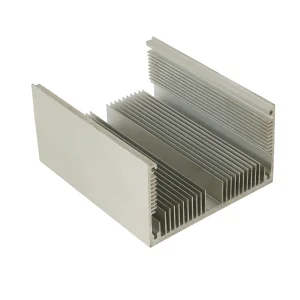
With temperatures topping 40°C inland and high salinity along the Atlantic coast, standard aluminum oxidize quickly and experience thermal runaways. We utilize marine-grade 316 stainless steel and specialized cooling fins to maintain junction temperatures under 65°C.
Ecotourism in the Namib Desert demands strict Dark Sky compliance to protect pristine night-sky viewing. Our architectural lights support precision beam optics, honeycombs, and deep glare-cut designs to prevent ambient light pollution in sensitive desert ecosystems.
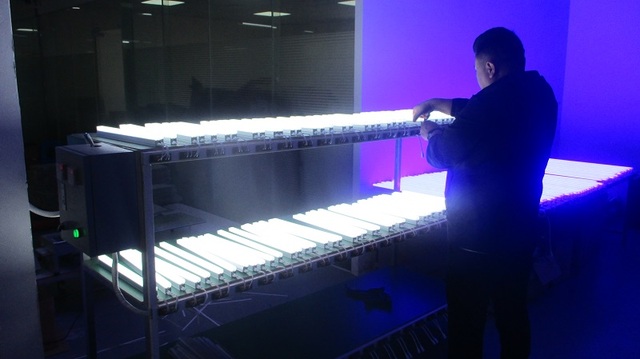
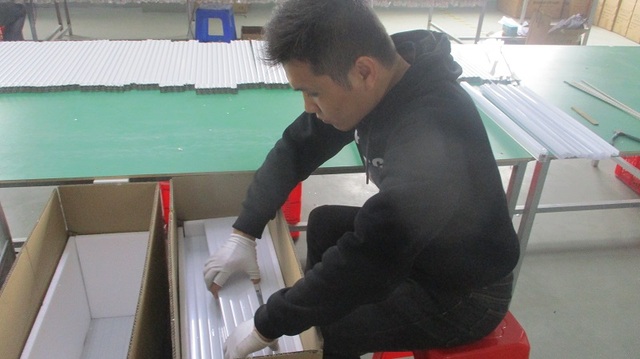
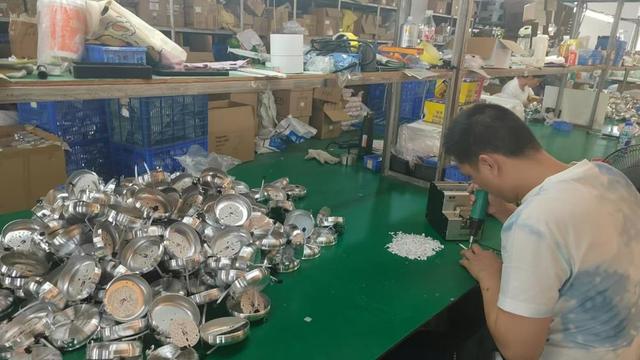
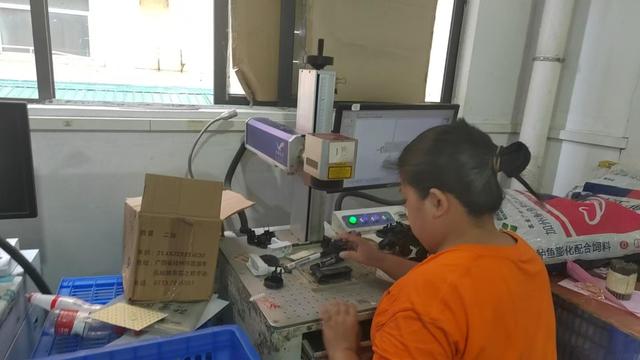
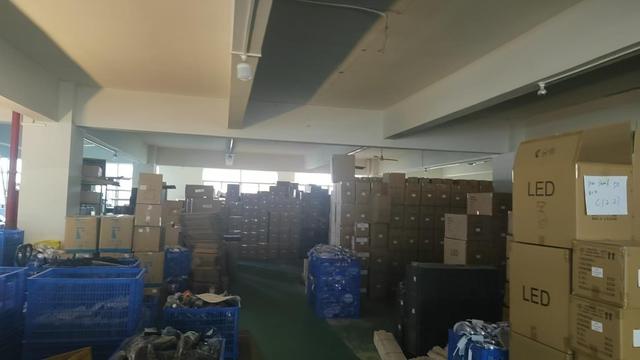
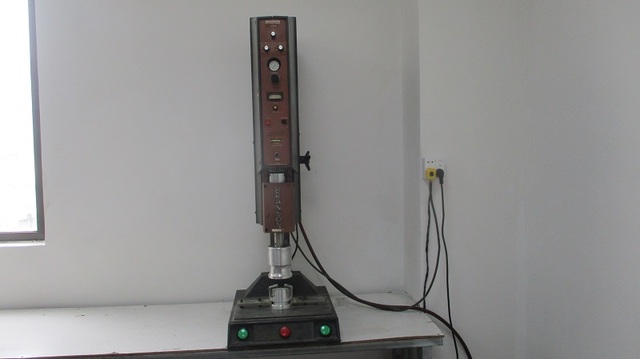
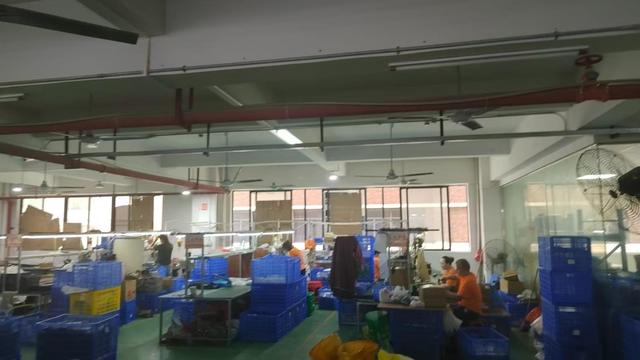
Based in Guangzhou, China, Guangzhou Bluu Light Co., Ltd. operates modern, highly automated facilities dedicated to commercial LED development. Our R&D lab houses advanced testing apparatus, including high-precision goniophotometers and integrating spheres, ensuring every batch conforms to targeted optical and electrical parameters before dispatch.
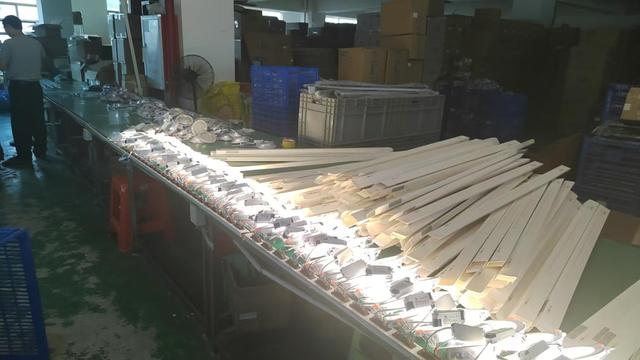
To back our visual claims with concrete authority, every architectural lighting fixture undergoes rigorous aging tests at full power load under controlled heat cycles for a minimum of 48 hours. This process filters out early semiconductor failures, ensuring that when our products land at Walvis Bay port, they are ready for immediate install and decades of maintenance-free performance.
Ancillary high-performance building solutions designed to complete modern structural frameworks in Namibia's harsh desert environment.
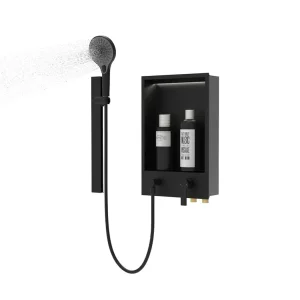
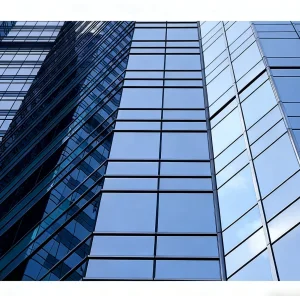
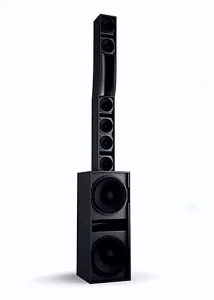
Exploring actual industrial, commercial, and structural deployments of Bluu Light products in modern architectures.
For major construction works in Southern Africa, developers must align with South African National Standards (SANS) which govern electrical setups and structural engineering codes. Our fixtures utilize standard testing interfaces and unified driver configurations, making SANS compliance approvals seamless during structural municipal inspections.
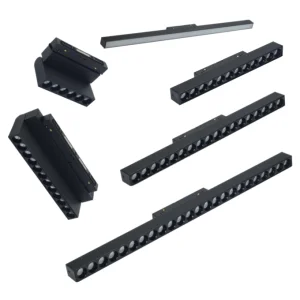
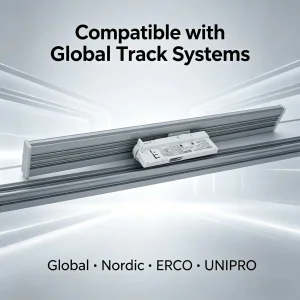
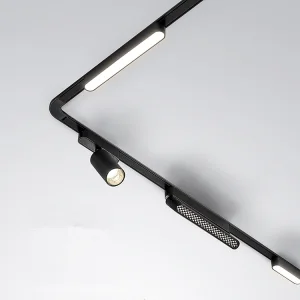
Beyond local safety approvals, the installation process of smart low-voltage magnetic lighting reduces installation risks. Systems like our DC48V tracks allow technicians to hot-swap modules safely without cutting the main power, ensuring long-term maintenance cycles do not disrupt the client's operations.
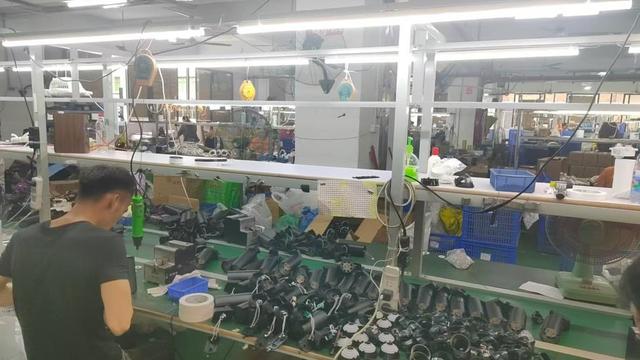
Whether you are drafting bids for government facilities, international hospitality chains, or modern residential estates in Namibia, our technical engineering team can provide comprehensive dialux models, photometric reports, and electrical blueprints to streamline your technical submittals.
Get Free Photometric DesignAnswering crucial technical questions for architects, structural engineers, and electrical project contractors.
Namibia primarily recognizes SABS (South African Bureau of Standards) and SANS regulations through regional alignment within the Southern African Customs Union (SACU). Guangzhou Bluu Light designs products compliant with these requirements, as well as CE, FCC, and RoHS standards, facilitating smooth customs clearance at Namibian port terminals.
Our low-voltage (DC48V) magnetic tracks are designed with dust-guards and tight-fit mechanical slots. The contacts are gold-plated to prevent oxidation or dust film insulating the power terminals, which ensures consistent electrical pathways in dust-prone environments like Swakopmund or inland desert districts.
Yes. Because eco-lodges and mining facilities in Namibia often rely on off-grid solar and energy storage systems, our LED systems feature high-efficiency constant-current drivers that run natively or smoothly adapt to DC power grids. High power factor (PF >0.95) and low total harmonic distortion (THD <10%) prevent wasting precious battery energy.
Standard batch production ranges from 15 to 25 days depending on customization metrics. Sea freight shipping routes from Guangzhou or Shenzhen ports directly to Walvis Bay Port take approximately 30 to 35 days, bringing total delivery to around 6 to 8 weeks. For urgent schedules, fast air freight options are available to Windhoek Airport.
Premium fixtures, energy-efficient modules, and low-voltage dynamic lights engineered for reliability.
 Bluu Light