As the global economy shifts toward carbon neutrality, Solar-Powered Lighting Systems have transitioned from niche eco-friendly alternatives to essential infrastructure components. Modern manufacturing now integrates high-efficiency monocrystalline silicon panels, LiFePO4 battery storage, and AI-driven IoT controllers to ensure 99.9% uptime even in challenging climatic conditions.
For procurement officers and urban planners, selecting a top-tier manufacturer is no longer just about the initial cost-per-unit; it is about the "Information Gain" from technical data—analyzing luminous efficacy (lm/W), battery cycle life, and the modularity of the system for long-term maintenance. This report delves into why leading factories in China are dominating the global supply chain through Industry 4.0 integration.
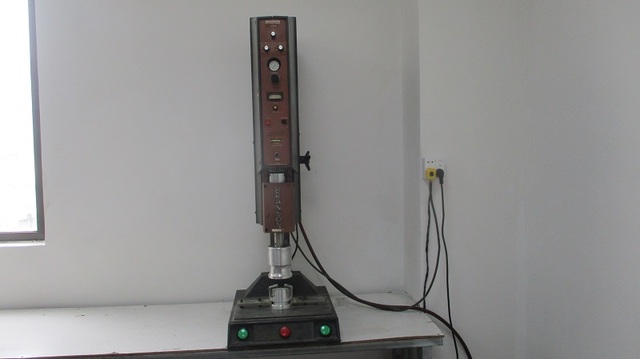
The convergence of semiconductor efficiency and renewable energy storage.
Remote monitoring via Zigbee or LoRaWAN allows operators to track battery health and adjust dimming schedules in real-time to save energy.
New generation factories are producing panels that capture sunlight from both sides, increasing energy yield by up to 25% in snowy or sandy environments.
Leading manufacturers now focus on "Right to Repair," with modular components that allow for easy battery or LED module replacement without discarding the housing.
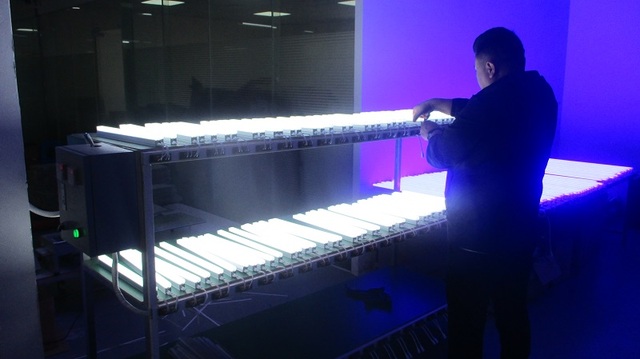
Guangzhou Bluu Light Co., Ltd. is a professional Commercial LED Lighting Manufacturer specializing in smart lighting solutions for retail, office, industrial, and commercial environments. Based in Guangzhou, China, the company focuses on the development, manufacturing, and supply of energy-efficient LED lighting systems designed to improve illumination quality, operational efficiency, and sustainability.
With a strong commitment to innovation, Bluu Light offers comprehensive lighting solutions for warehouses, industrial facilities, hospitality venues, and outdoor infrastructure projects. The company integrates advanced LED technology with intelligent lighting controls to help customers optimize energy consumption and reduce long-term operating costs.
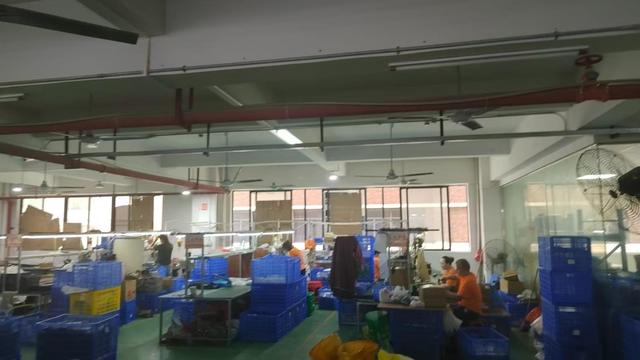
How the Pearl River Delta remains the heart of solar innovation.
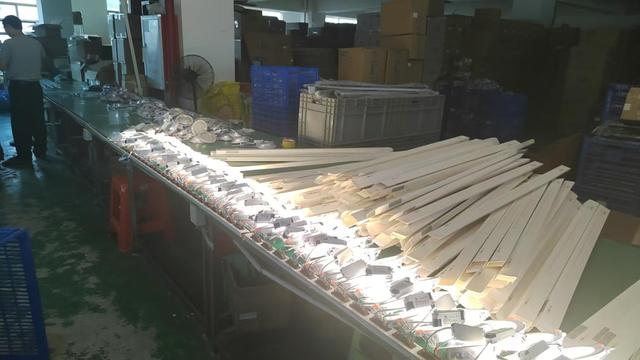
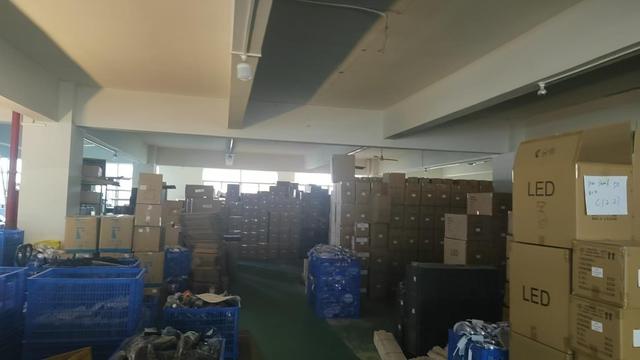
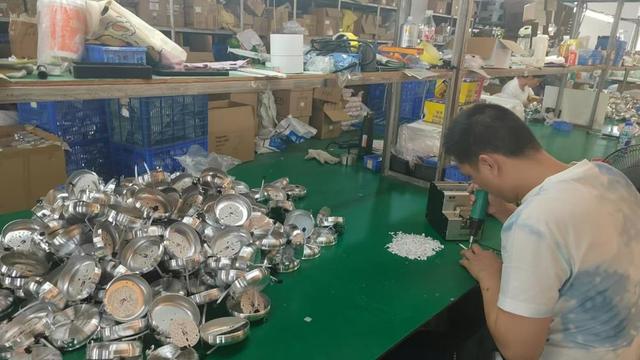
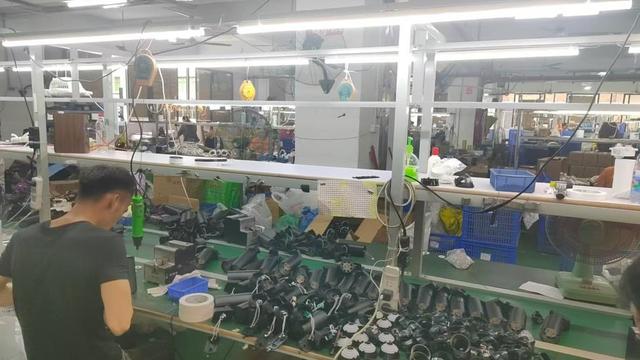
The "China Factory 4.0" model leverages highly verticalized supply chains. At Guangzhou Bluu Light, the integration of Automated Optical Inspection (AOI) and Smart Warehousing ensures that every solar luminaire meets rigorous international standards like CE, RoHS, and UL.
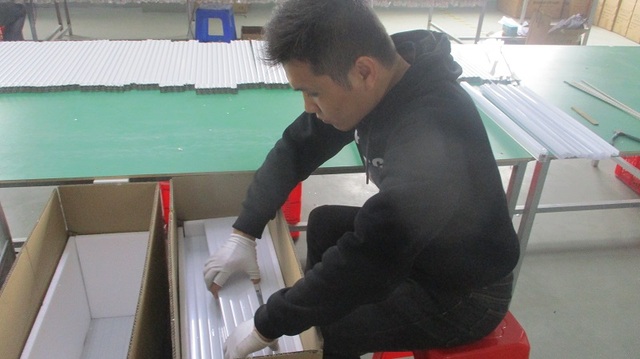
Tailoring solar solutions to diverse geographical and industrial needs.
Utilizing Solar-Powered LED Storage Aisle Lighting to eliminate the need for expensive high-voltage trenching in remote logistics hubs.
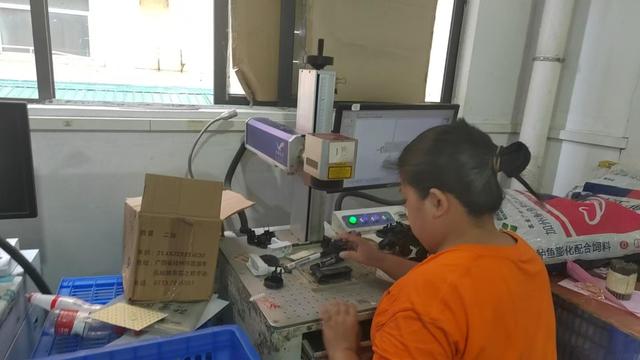
Street lighting systems for smart cities that integrate EV charging stations and public Wi-Fi hotspots, powered entirely by solar canopies.
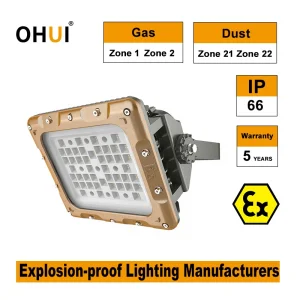
ATEX-certified explosion-proof solar lights for gas stations and chemical plants where grid sparks pose a severe safety risk.
Technical insights for informed procurement decisions.
Modern systems are designed with "Autonomy Days" (usually 3-5 days). Advanced MPPT controllers optimize charging even in low-light conditions, ensuring the battery retains enough capacity to power the LEDs through overcast periods.
Standard Lithium Iron Phosphate batteries used by top factories offer 2,000 to 5,000 charge cycles, which typically equates to 8-12 years of service life, far exceeding traditional Lead-Acid alternatives.
Yes, through smart gateways using protocols like DALI or Zigbee, solar luminaires can be monitored alongside grid-tied systems for a unified facility management experience.
Many industrial solar systems are "All-in-One" or "Plug-and-Play," requiring no specialized electrical wiring, which reduces installation labor costs by up to 70% compared to grid-tied lighting.
 Bluu Light