Explore our cutting-edge components and luminaire assemblies, engineered to deliver superior luminous efficacy, exceptional thermal reliability, and precise beam control.
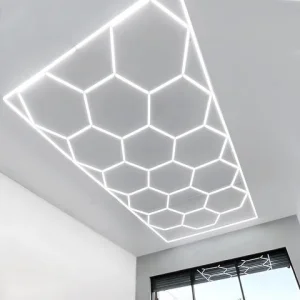
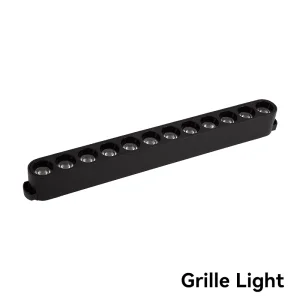
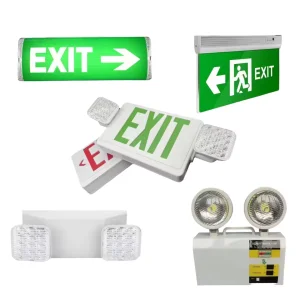
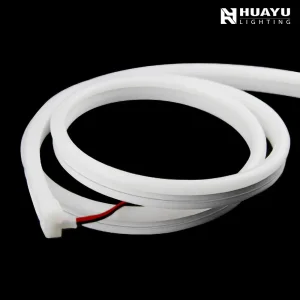
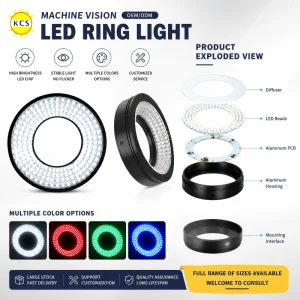
Modern architectural lighting has transitioned from simple illumination to a sophisticated synthesis of art, physiological health, and energy efficiency. Today, architectural spotlighting serves as a critical design element that defines spatial hierarchies, accentuates textures, and guides human interactions. As developers and lighting designers demand more from built environments, the engineering parameters of high-performance fixtures have become increasingly strict.
From the perspective of optical physics, high-grade architectural spotlights must provide precise control over light distribution to prevent glare and light spill. Manufacturers are now utilizing advanced free-form reflectors and TIR (Total Internal Reflection) lenses to ensure beam angles are razor-sharp, maintaining uniform color mixing even at the periphery of the beam. This focus on optical control is directly linked to the widespread adoption of Human-Centric Lighting (HCL) principles, which harmonize artificial lighting patterns with natural human circadian rhythms.
Standard CRI metrics (Ra) are no longer sufficient. Specifiers demand comprehensive evaluations using the IES TM-30-15 standard, analyzing Fidelity (Rf) and Gamut (Rg) vectors to ensure that materials, artworks, and architectural textures are rendered with absolute realism under low-glare environments.
Modern commercial infrastructure leverages DALI-2, Casambi, and Zigbee wireless protocols. Spotlighting is no longer a static element; it is dynamically programmed to respond to daylight harvesting sensors, ambient user activities, and flexible spatial division schedules.
Architects prefer lighting fixtures that are integrated into the architecture itself. The development of ultra-small magnetic track spot nodes, recessable micro-spotlights, and hidden optical systems achieves high lumen output without disrupting visual clean lines.
Based in the manufacturing powerhouse of Guangzhou, China, Guangzhou Bluu Light Co., Ltd. has established itself as a premier, professional Commercial LED Lighting Manufacturer. The enterprise focuses on smart, sustainable, and highly efficient lighting systems designed for diverse environments, ranging from modern workspace layouts and high-end boutique retail outlets to heavy-duty industrial facilities and municipal transport corridors.
With a comprehensive engineering capability, Bluu Light oversees product lifecycles from optical simulation, structural heat sink design, and CNC component machining, through to assembly and photometrical verification. Our technical team works in close collaboration with global distribution partners, specialized contractors, and architectural consultancies to align tailored product lines to strict local building codes and rigorous energy requirements (such as Title 24, ErP, and CE directives).
Equipped with state-of-the-art production environments and demanding quality management protocols, Bluu Light maintains strict control throughout the manufacturing sequence. By investing consistently in emerging solid-state lighting breakthroughs and high-efficiency driver components, the enterprise delivers systems that combine long-term functional value with optimal energy reductions, serving key markets across North America, the EU, the Middle East, Africa, and East Asia.
For B2B procurement managers, EPC contractors, and OEM lighting distributors, sourcing premium lighting fixtures from China involves balancing high-efficiency targets with structural durability. Standard consumer-grade products often suffer from color shifting, premature driver failure, and thermal overload when operating continuously in demanding commercial environments. Professional procurement requires strict validation across several key criteria:
Recognizing the varied requirements across international markets, Bluu Light has developed dedicated macroeconomic solutions designed for specific deployment scenarios:
Engineered to highlight products and create welcoming atmospheres. These systems feature high CRI values (up to Ra 98) with adjustable beam angles from narrow spot (15°) to wide flood (60°), allowing displays to be updated without changing the underlying lighting infrastructure.
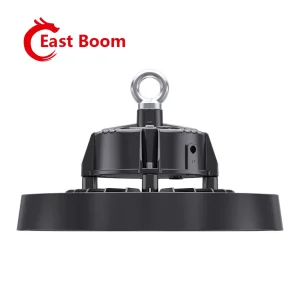
Combining heavy-duty IP65 waterproof capabilities with high-lumen, high-bay outputs. These environments require reliable fixtures that resist chemical exposure and dust, minimizing maintenance costs in hard-to-reach industrial ceilings.
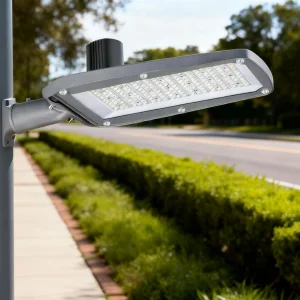
Engineered with rugged aluminum housings, smart photocells, and optical lenses designed to meet strict optical regulations. These configurations ensure safe, glare-free, and energy-efficient lighting for highways and urban streets.
Entering international markets requires deep knowledge of local compliance frameworks. As a global exporter, Bluu Light ensures all products meet international regulations. Our engineering department aligns product designs with local certification standards to streamline import processes and ensure compliance with municipal project bids:
Additionally, our logistics network provides flexible shipping options, customs documentation, and container optimization to lower transportation costs. For commercial projects, we provide complete DiaLUX calculation models, allowing designers to simulate lighting performance before shipping begins.
The future of architectural lighting is defined by intelligence, efficiency, and sustainability. Bluu Light's development pipeline focuses on introducing smart-grid compatible fixtures that support demand-response strategies. By incorporating next-generation Gallium Nitride (GaN) power units, our future drivers will reduce power loss by up to 25%, while shrinking overall size to fit minimalist designs.
We are also integrating advanced spectral control technology into our products. This allows users to adjust both intensity and spectrum to support human circadian health. Additionally, in line with circular economy principles, we are shifting toward modular product assemblies. This design approach allows individual LED engines and drivers to be serviced or upgraded without replacing the entire housing, minimizing e-waste and extending the service life of our fixtures.
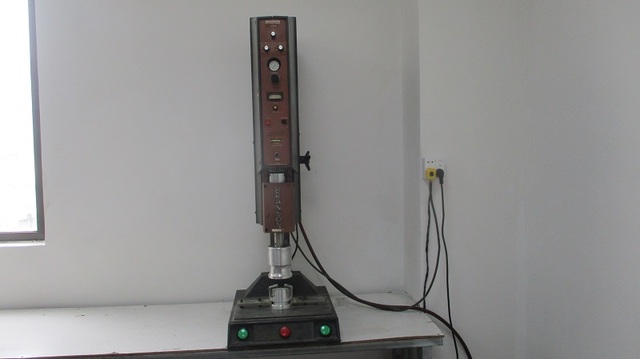
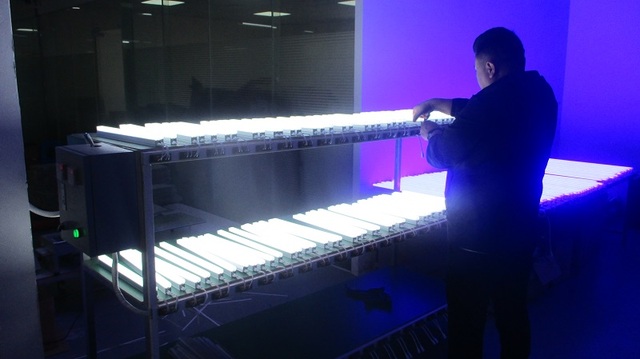
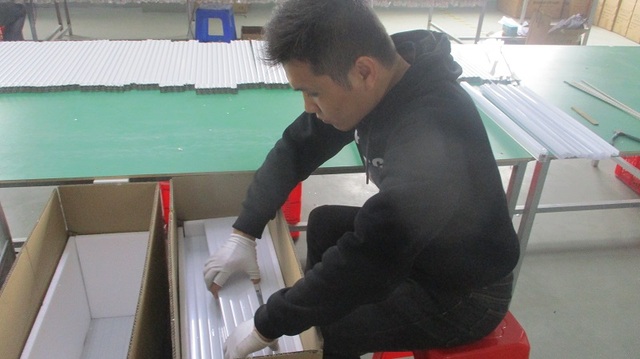
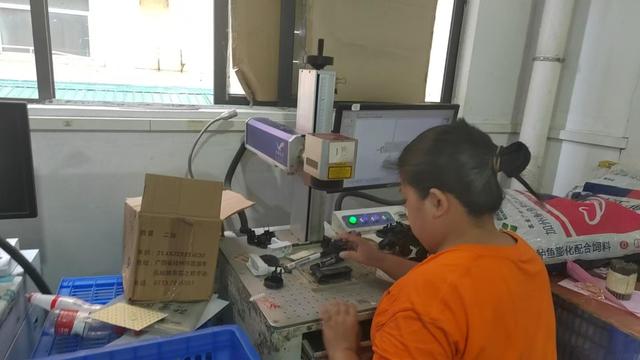
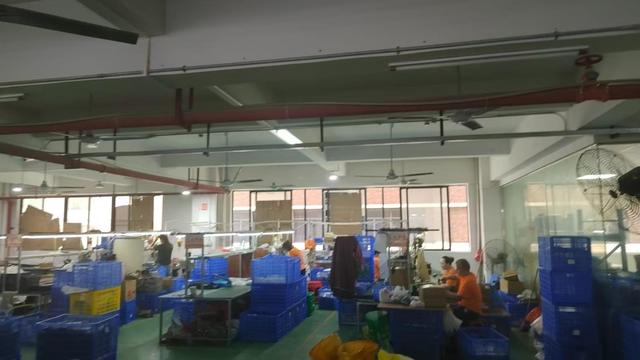
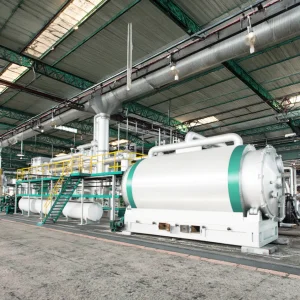
A visual overview of our manufacturing facilities, assembly lines, and global installations, highlighting our commitment to quality, durability, and performance.
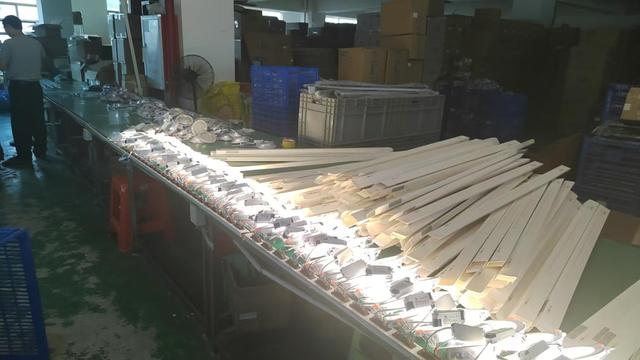
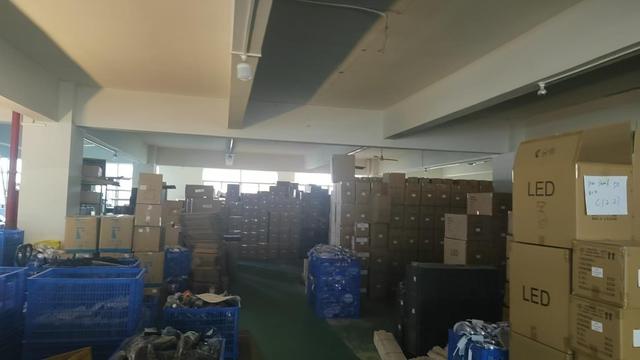
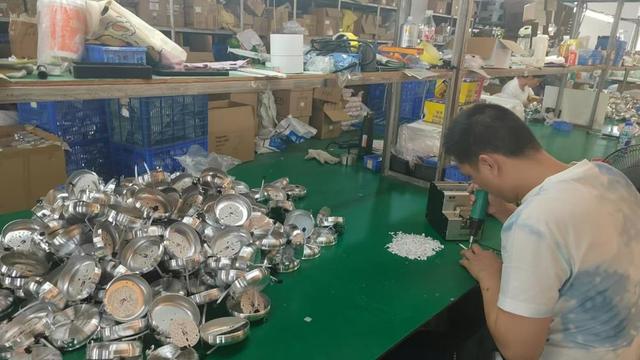
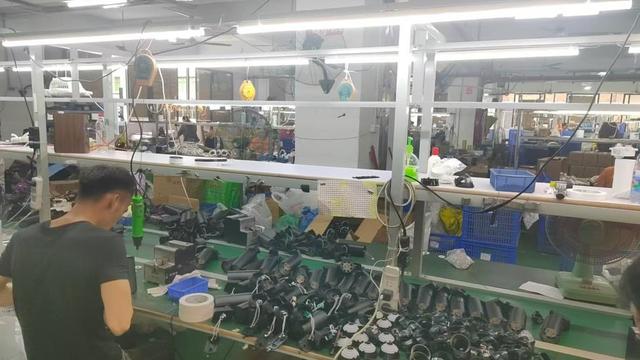
Find answers to key technical questions from lighting engineers, project managers, and procurement professionals.
Architectural spotlights prioritize optical precision, color fidelity, and visual comfort. They use specialized TIR lenses or reflectors to create clean beam distributions with minimal glare. Additionally, they offer high color rendering (CRI ≥ 90, with high R9 values) and tight color binning (SDCM ≤ 3) to ensure consistent light quality, compared to standard commercial options where efficiency is often prioritized over color accuracy.
We source our LEDs from leading suppliers with strict color binning. Our standards require a color consistency within a 3-step MacAdam Ellipse (SDCM ≤ 3), meaning chromaticity variations are virtually imperceptible to the human eye. This ensures uniform color output across large-scale projects and future expansions.
Our fixtures support major dimming and control protocols, including DALI-2 (DT6 and DT8 for tunable white), 0-10V, Phase/TRIAC dimming, and wireless options like Casambi and Zigbee. This compatibility ensures seamless integration with automated building management systems.
We use high-conductivity die-cast aluminum alloys (6063 or similar) for our housings, designed through finite element thermal analysis. These structures maximize surface area and encourage natural convection, keeping junction temperatures well below limits to maintain lumen output and color stability over time.
Yes, we provide full ODM customization. Our optical engineers can design, simulate, and manufacture custom lenses or reflectors to meet specific target beam requirements. We also provide IES/LDT files to support your DiaLUX simulations.
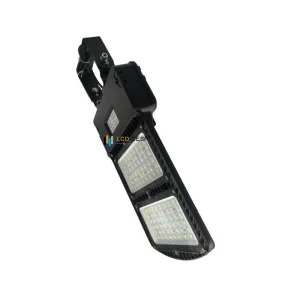
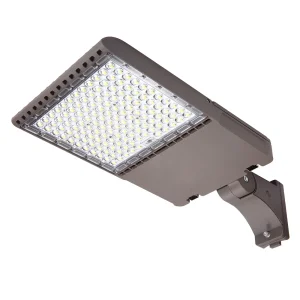
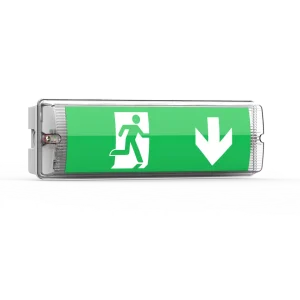
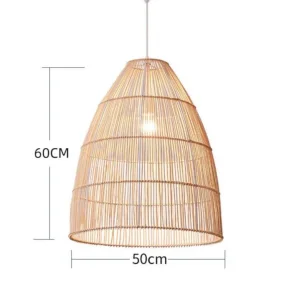
Browse our range of specialized industrial systems, high-efficiency municipal roadway luminaires, and architectural decor solutions.
 Bluu Light