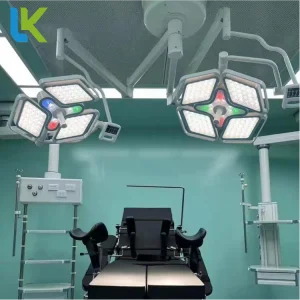
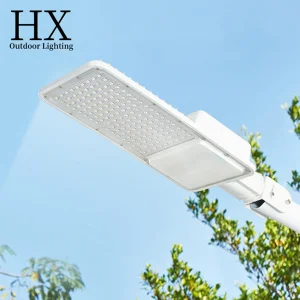
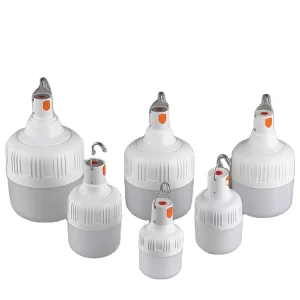
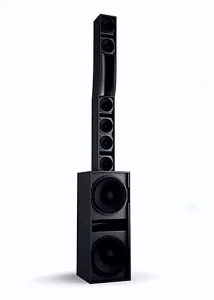
Guangzhou Bluu Light Co., Ltd. is a professional Commercial LED Lighting Manufacturer specializing in smart lighting solutions for retail, office, industrial, and commercial environments. Based in Guangzhou, China, the company focuses on the development, manufacturing, and supply of energy-efficient LED lighting systems designed to improve illumination quality, operational efficiency, and sustainability across a wide range of applications.
With a strong commitment to innovation and performance, Bluu Light offers comprehensive lighting solutions for commercial buildings, office spaces, retail stores, warehouses, industrial facilities, hospitality venues, educational institutions, healthcare environments, and outdoor infrastructure projects. The company integrates advanced LED technology with intelligent lighting controls to help customers optimize energy consumption, enhance visual comfort, and reduce long-term operating costs.
Bluu Light emphasizes product reliability, engineering expertise, and project-oriented customization. Its experienced technical team works closely with clients, architects, contractors, and distributors to develop lighting solutions that meet specific project requirements, industry standards, and environmental objectives. From lighting design consultation and product selection to manufacturing and project support, the company provides end-to-end services for diverse commercial lighting applications.
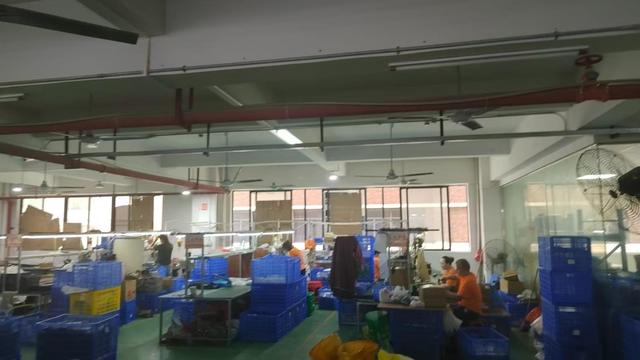
Equipped with modern production facilities and rigorous quality management systems, Bluu Light maintains strict control throughout the manufacturing process to ensure consistent product performance and durability. The company continually invests in research and development to advance smart lighting technologies, energy-saving innovations, and intelligent control systems that support the evolving needs of global markets. Serving customers across North America, Europe, Asia, the Middle East, South America, and other international regions, Guangzhou Bluu Light Co., Ltd. is dedicated to delivering reliable commercial LED lighting solutions that combine efficiency, functionality, and long-term value for modern businesses and infrastructure projects worldwide.
The localization of component manufacturing in hubs like Guangzhou and Shenzhen drives unprecedented efficiency. From aluminum extrusion mills to automated SMT PCB assembly lines and advanced optic lens molding, the entire lifecycle of an energy-efficient illumination fixture occurs within a 50km radius. This minimizes logistics friction and accelerates prototyping cycles.
Chinese manufacturers leverage global alliances alongside domestic silicon innovation. Incorporating tier-one LED packages (such as Cree, Nichia, and Lumileds) and intelligent driver topologies (including MeanWell, Inventronics, and Lifud), systems are validated for high power factor (PF > 0.95) and low total harmonic distortion (THD < 10%).
Export-oriented facilities implement strict QA regimes testing under UL1598, EN60598, and DLC Premium criteria. These facilities feature environmental chambers capable of simulating thermal shock, intense humidity, salt spray environments, and long-term lumen maintenance (LM-80 / TM-21 projection profiles).
The convergence of material sciences and advanced automation allows manufacturers like Guangzhou Bluu Light Co., Ltd. to push the theoretical boundaries of luminous efficacy. While standard commercial fixtures achieve roughly 120 lm/W, next-generation agricultural and industrial luminaires operate up to 180 lm/W. This drastically reduces the amortization period of initial capital expenditures (CAPEX) by saving massive amounts of operational energy (OPEX).
The global illumination industry is transitioning from legacy physical infrastructure to smart, responsive building assets. This shifts user intent from basic illumination sourcing to searching for complex, integrated building systems. Below are the key technological pillars shaping modern energy-efficient procurement:
Educational and healthcare institutions are mandating lighting profiles that support human circadian rhythms. This requires high Color Rendering Index (CRI Ra > 95, R9 > 80) and low-glare properties (UGR < 19). For example, full-spectrum classroom blackboard lights reduce visual fatigue by eliminating blue-light spikes, improving student focus and wellbeing.
Modern facilities demand integration with building management systems (BMS). Using open protocols like DALI-2 (Digital Addressable Lighting Interface) or wireless mesh configurations, fixtures can report physical status, real-time power consumption, and thermal warnings back to central dashboards, reducing diagnostic labor and preventing unexpected downtime.
For poultry houses, food processing lines, and chemical plants, illumination fixtures face corrosive substances (like ammonia and nitric acid) and high-pressure steam washes. State-of-the-art IP69K-certified enclosures feature PMMA (polymethyl methacrylate) or impact-resistant polycarbonate housings with vacuum-sealed silicon gaskets, ensuring reliable operations under severe exposure.
A structural reference guide for design engineers and global procurement officers
| Application Scenario | Recommended Fixture Type | Key Optical & Electrical Specs | Core Materials & Protection | Smart Protocol Capability |
|---|---|---|---|---|
| Poultry & Livestock Farming | Ammonia-Proof Tri-Proof Light | 180 lm/W, CCT Selectable, Low Flicker | PMMA / Stainless 316 / IP69K | Dali / 0-10V Dimming |
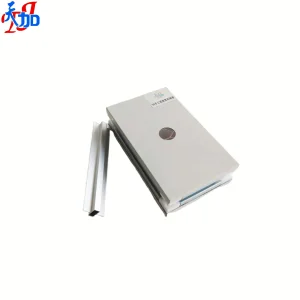
| High-Tech Cleanrooms | Flush-Mount Cleanroom Panel | 140 lm/W, CRI 90+, High IP Rating | Anti-static Aluminum / Tempered Glass | Smart Sensors / Dali Control |
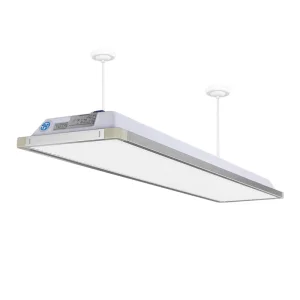
| Smart Classrooms | Anti-Glare Blackboard & Classroom Pendant | CRI 95+, UGR < 16, Flicker-Free | Extruded Aluminum / PMMA Diffuser | Daylight Harvesting Sensors |
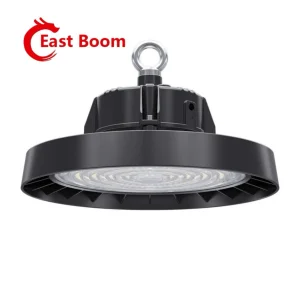
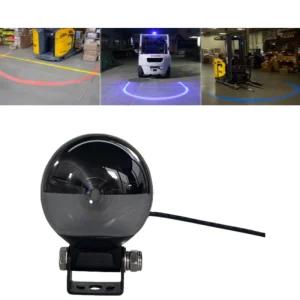
| Industrial Warehousing | Foldable LED Highbay & Safety Lamps | 160 lm/W, Arch Zone Warning Projection | Heavy-Duty Die Cast Aluminum / IK08 | Motion Sensor / Occupancy Control |
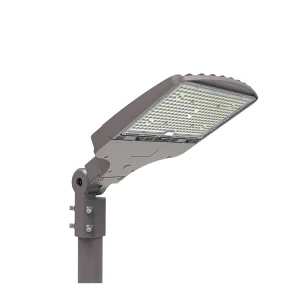
| Municipal Roadways | Shoebox Pole Street Light | 140 lm/W, 10KV Surge Protection | ADC12 Die-Cast / UV-Stabilized Lens | NEMA Photocell / LoRa Smart Node |
In pharmaceutical fabrication labs and semiconductor packaging cleanrooms, the design of lighting fixtures directly influences airflow laminarity and ambient particulates. Bluu Light's Premium Cleanroom Solutions are built with ultra-slim, dust-free step bevel profiles. The flush-mounted system ensures no pockets of turbulence form. Polycarbonate diffusers resist chemical degradation from isopropyl alcohol (IPA) and other harsh sterilizing agents, maintaining optical clarity and mechanical integrity over decades.
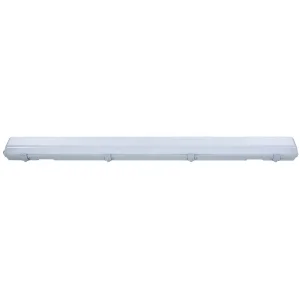
Industrial poultry farming requires specialized illumination solutions due to the corrosive nature of animal environments. Ammonia vapors from waste corrode standard PCB traces and housing sealants within months. Bluu Light's Ammonia Proof LED Tri-Proof Light uses customized PMMA resins and high-grade silicone gaskets. Engineered to resist both chemical attack and 100-bar high-pressure hot water washdowns, these lights deliver 180 lm/W to maximize feed conversion rates through tailored spectral curves.
Traditional fluorescent tubes and lower-grade LEDs emit rapid, imperceptible flicker that causes chronic eye strain, headaches, and learning fatigue. Bluu Light's anti-glare school lighting fixtures use ripple-free isolated constant-current drivers (flicker index < 0.01). With a high color rendering index (CRI Ra > 95, R9 > 90) and low-glare grid louvers, these fixtures mimic natural daylight. This protects students' eyesight and improves attention spans in classroom environments.
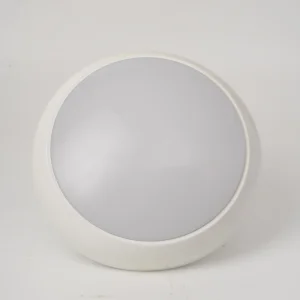
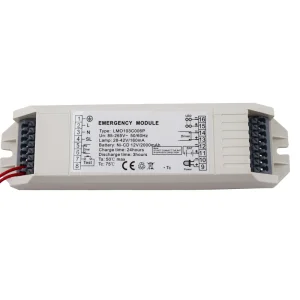
Safety regulations mandate reliable emergency illumination during sudden power grid failures. Bluu Light's range of emergency conversion kits, batten lights, and bulkhead fixtures incorporate high-capacity lithium-iron-phosphate (LiFePO4) battery packs. These packs run on smart charging boards that prevent over-charge and deep-discharge. In a power outage, the fixtures transition to backup mode within 0.5 seconds, providing safe egress illumination for up to three hours in commercial high-rises and subways.
The main cause of LED failure is heat accumulation. Although LEDs convert electricity to light efficiently, a portion of the energy is still released as thermal energy at the junction point. If the junction temperature (Tj) exceeds rated limits, it degrades the phosphor coating and stresses the driver capacitors. Premium systems combat this using high-conductivity aluminum PCBs (thermal conductivity > 2.0 W/m·K) and die-cast aluminum heat sinks designed for passive convective cooling.
An IP69K rating is the highest level of ingress protection available. While IP65 or IP66 fixtures only resist splashing water, IP69K fixtures withstand high-pressure steam cleaning (80-100 bar at 80°C). This is essential in sanitation-heavy environments like poultry houses and food processing lines, preventing water ingress and internal condensation during temperature drops.
0-10V dimming is an analog standard that controls light output via a direct DC voltage signal. DALI (Digital Addressable Lighting Interface) is a bidirectional digital protocol that assigns unique addresses to each fixture. This allows individual or grouped control, parameter monitoring, and diagnostic reporting. Multi-driver options allow users to switch between these control modes during installation.
CRI (Ra) measures a light source's ability to reveal colors compared to daylight, averaging eight pastel shades. However, the standard CRI score excludes R9, which represents saturated red. For surgical procedures and precise quality inspections, a high R9 value (typically R9 > 80, alongside Ra > 95) is essential to accurately distinguish tissue structures and small defects.
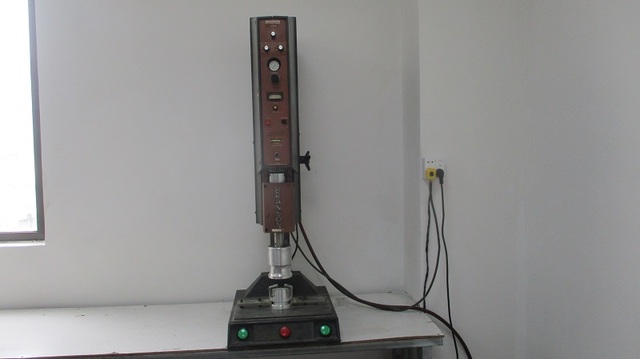
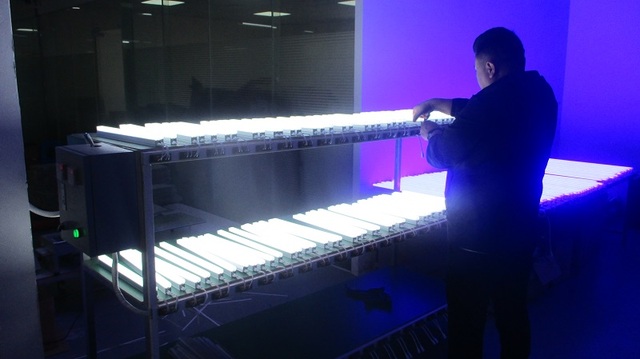
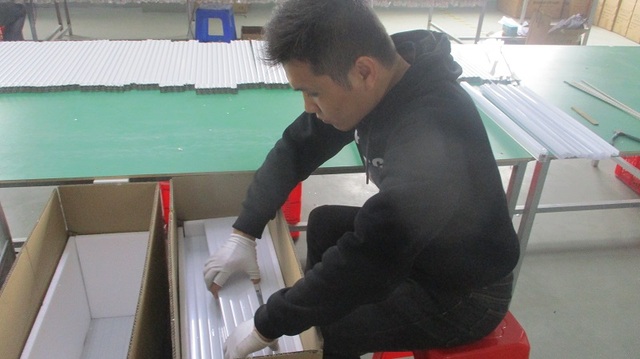
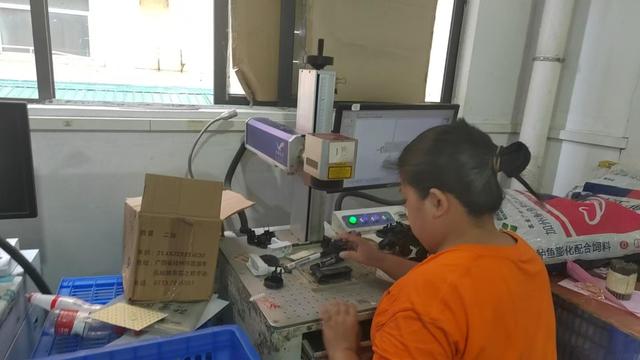
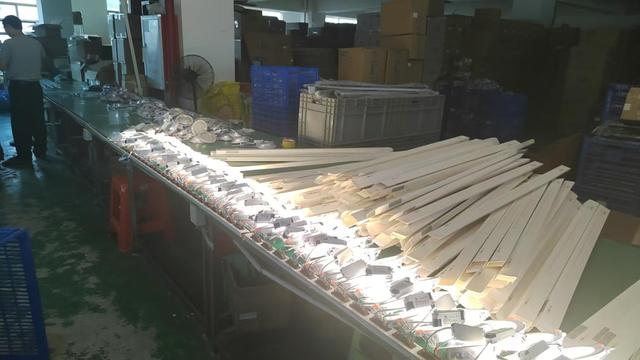
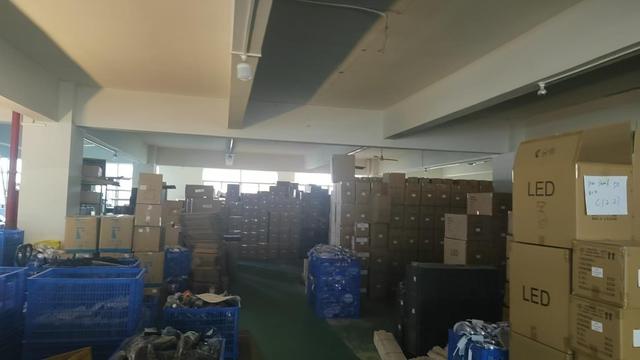
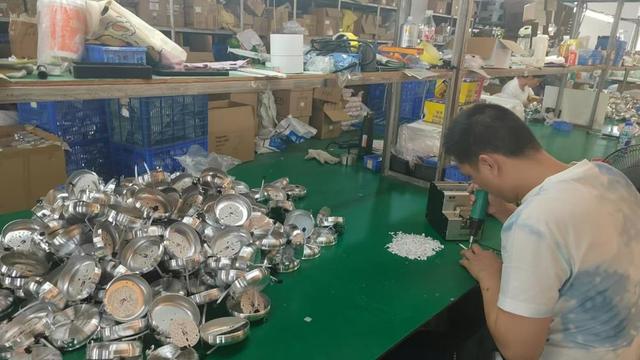
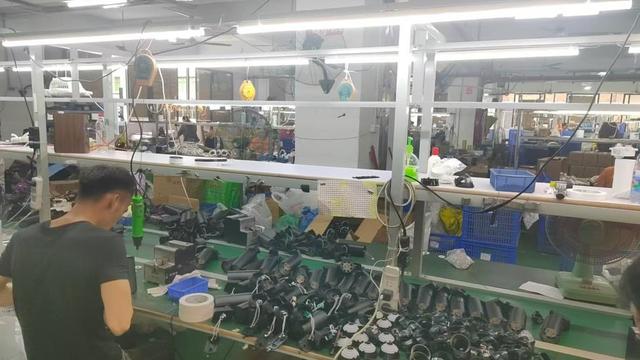
Take an interactive tour through our assembly facilities, inspection cleanrooms, automatic SMT placement labs, and environmental validation stations.
 Bluu Light