Engineered for visual comfort, structural resilience, and architectural refinement in dynamic commercial settings.
Modern lighting in commercial architectural spaces has shifted from basic lumen delivery to custom-tailored, multi-functional visual support systems. Businesses and designers are demanding adaptable luminaires that accommodate fluid layouts, reduce peak power requirements, and elevate spatial visual comfort.
In high-end retail, hospitality, and office contexts, track lighting has emerged as a premium solution because of its versatility. By allowing fixtures to be repositioned, rotated, and focused dynamically, magnetic track spotlight systems fulfill the demands of both product highlighting and ambient wash. At the same time, high-productivity fixtures and explosion-proof safety options ensure reliability in specialized industrial sites, balancing visual appeal with robust operations.
A professional commercial LED lighting manufacturer specializing in smart systems for retail, office, industrial, and architectural environments.
We work directly with architects, lighting designers, and global distributors to provide layout consultation, photometrics, and tailored solutions to meet project needs.
Our modern manufacturing base relies on a rigorous quality assurance cycle, testing thermal dissipation, driver output ripple, and color consistency across production batches.
Serving North America, Europe, Asia, and the Middle East. Our logistic partnerships ensure streamlined customs clearance and timely deliveries for major projects.
Why Chinese factory hubs offer distinct structural, speed, and cost advantages in architectural lighting production.
The Pearl River Delta and Yangtze River Delta regions cluster together aluminum extrusion facilities, optics manufacturers, driver R&D centers, and testing labs. This geographical concentration allows for rapid turnaround on customized items. If a lighting designer requests a modified beam-shaping lens or a specific custom finish, local factories can produce and test prototypes within days instead of weeks.
This cluster effect also protects the supply chain against disruptions. If a material shortage occurs, factories can rely on alternative local suppliers immediately, preventing production delays and keeping international project schedules on track.
By producing at scale, Chinese factories can invest in high-end automation equipment. Automated pick-and-place systems, laser-soldering machines, and advanced goniophotometer darkrooms help maintain consistent quality across high-volume production runs.
A look at the emerging engineering trends, smart protocols, and visual performance advances shaping the industry.
Modern designs lean toward minimal visual clutter. The transition from line-voltage tracks to 48V safety low-voltage magnetic profiles allows for thin, unobtrusive recessed lines. Spotlights can be inserted and repositioned safely without tools, supporting cleaner ceiling profiles.
Standard white light is no longer the default. Future fixtures prioritize high fidelity (Rf > 90) and saturation (Rg ≈ 100), simulating natural daylight closely. Specialized phosphors are also used in retail settings to make whites look cleaner and colors more vivid without oversaturating the space.
Dual-channel COB packages allow color temperatures to adjust smoothly from warm 2700K to cool 6500K. When paired with smart drivers, these fixtures can synchronize with natural circadian rhythms, helping to improve alertness in offices and create a welcoming atmosphere in retail environments.
Lighting systems are moving away from complex wired layouts to wireless protocols like Zigbee, Casambi, and Matter. This shift makes it easier to set up zoning, schedule dimming, and track energy usage, allowing property managers to monitor power consumption across multiple facilities in real time.
How architectural lighting translates to performance, sales, and atmosphere across different applications.
Using adjustable beam track spotlights, designers create clear contrast ratios (often 5:1 or 10:1) to draw attention to featured merchandise. High color rendering ensures products look appealing and accurate, helping to improve purchase conversion rates.
By blending glare-controlled linear task lighting with track accent systems, office spaces can maintain comfortable, glare-free desk illumination (UGR < 19) while adding focal lighting on feature walls, reception desks, and collaborative zones.
Galleries require stable, high-performance light sources. Using flicker-free drivers and UV-free LED components protects delicate art mediums while offering precise beam control to frame paintings, sculptures, and installations cleanly.
Importing architectural fixtures for commercial projects requires strict adherence to regional safety and environmental standards. Reputable Chinese factories align their products with certifications that match local building regulations:
To guarantee performance, top suppliers run raw materials and finished goods through comprehensive quality checks:
Complementary high-output systems, smart control interfaces, and rugged outdoor equipment for comprehensive project planning.
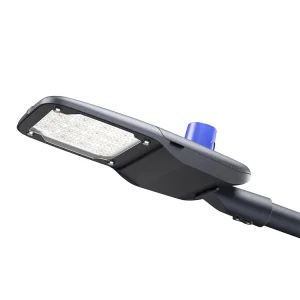
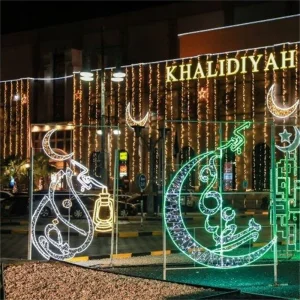
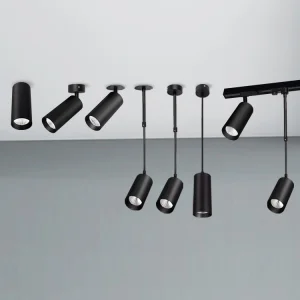
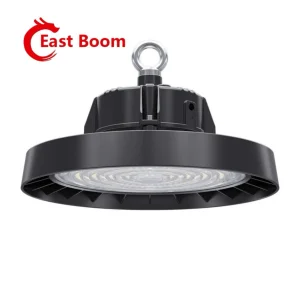
Answering common engineering, procurement, and design queries from developers, builders, and wholesalers.
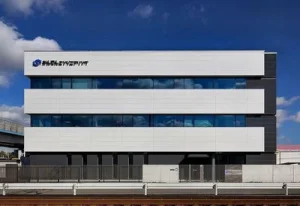
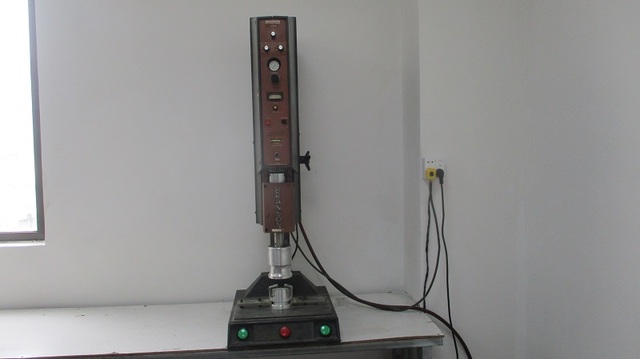
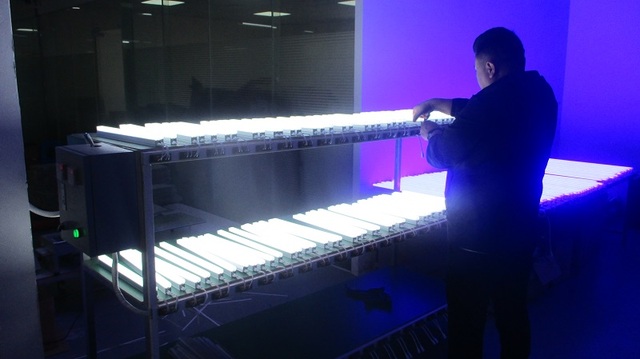
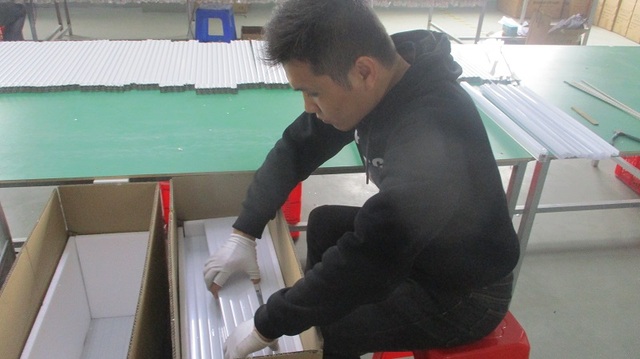
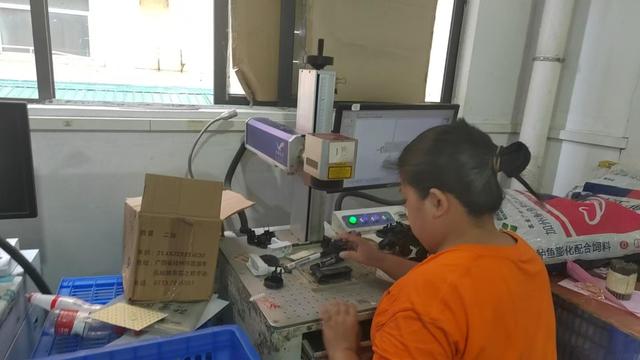
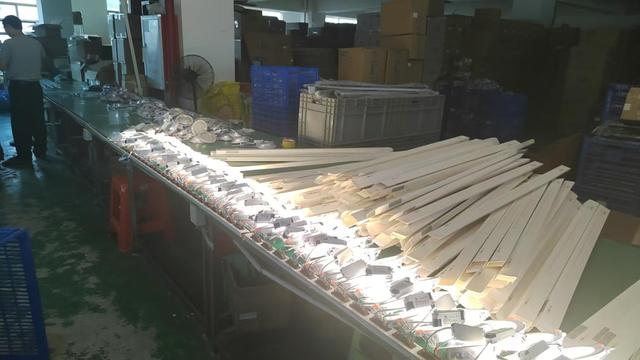
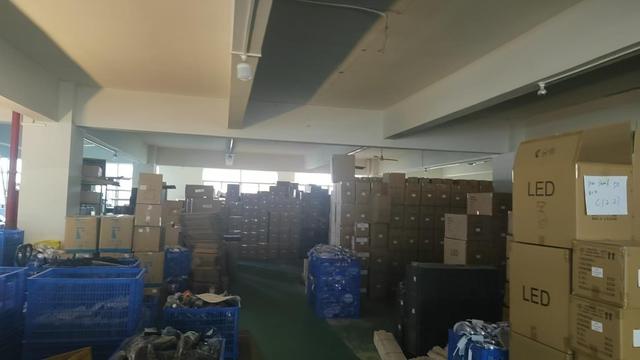
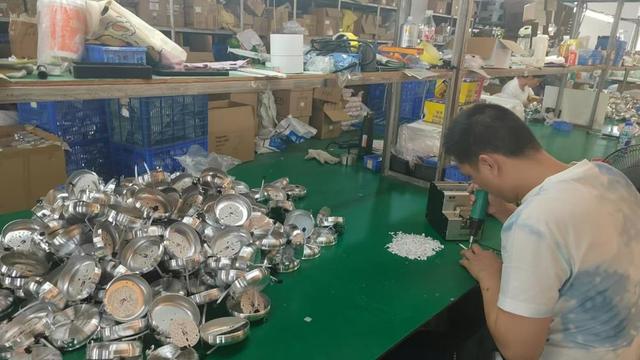
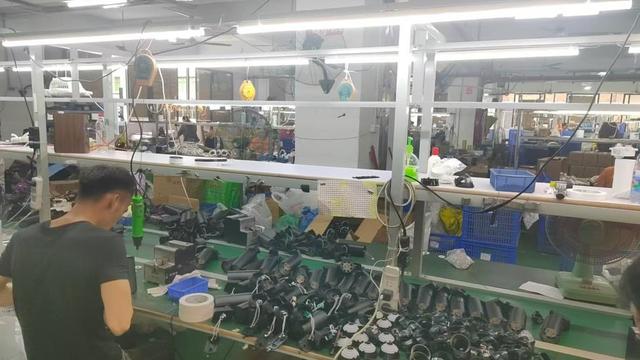
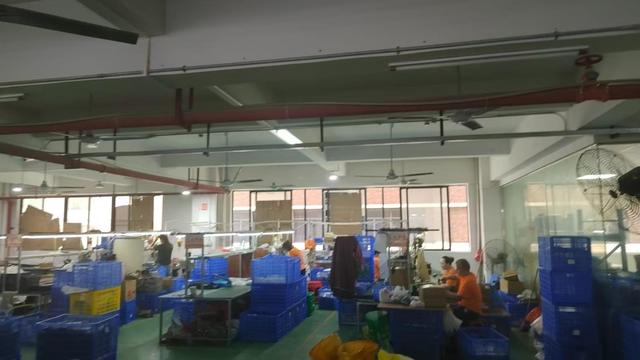
Our manufacturing sites, testing labs, and assembly divisions are built to meet the needs of international engineering projects.
 Bluu Light