CE Certified Lighting Automation Solutions Manufacturers & OEM Providers

Pioneering High-Efficiency Intelligent Controls, Hazardous Area Fixtures, and Commercial Smart Systems for Global Infrastructures

1. Executive Summary & The Global Paradigm Shift in Lighting Automation

The global smart lighting and building automation landscape is undergoing a profound structural transition. Modern commercial real estate developers, municipal infrastructure coordinators, and industrial plant managers are no longer evaluating illumination options purely based on initial lumen outputs or upfront acquisition costs. Instead, decision-makers focus on holistic Lighting Automation Solutions that optimize energy footprint, satisfy stringent environmental regulations (such as Title 24 in California and the European Union’s Energy Performance of Buildings Directive), and offer seamless integration into broader Building Management Systems (BMS).

At the heart of this operational evolution is CE Certification. The CE mark serves as a mandatory conformity verification for products sold within the European Economic Area (EEA), signaling compliance with crucial European directives. In the context of lighting automation, CE certification signifies rigorous validation against the Low Voltage Directive (LVD 2014/35/EU), Electromagnetic Compatibility Directive (EMC 2014/30/EU), and the Restriction of Hazardous Substances (RoHS 2011/65/EU). Working with an established manufacturer like Guangzhou Bluu Light Co., Ltd. ensures that electrical systems, intelligent controllers, and luminaires are engineered to withstand electromagnetic fluctuations, operate with optimal thermal safety, and conform to the highest global safety standards.

The Strategic Advantage of True Compliance

True CE compliance goes beyond a simple mark on a specification sheet. It involves comprehensive testing of electromagnetic interference (EMI) profiles, insulation breakdown resistance, and structural integrity. For international procurement managers, specifying CE-certified automation systems guarantees reduced legal risks, lower insurance premiums, and faster onsite commissioning.

65%
Typical Energy Savings
CE / RoHS
Full Standard Compliance
50k+ Hrs
Design Service Life
IP66 / ATEX
Hazardous Protection

2. Technical Components of Modern Commercial & Industrial Lighting Systems

A comprehensive lighting automation deployment is a multi-layered ecosystem. To achieve optimal energy efficiency and environmental control, modern facilities deploy a combination of specialized hardware, firmware, and communications protocols. Understanding the specific components within this matrix is crucial for procurement and system design:

  • Intelligent Control Drivers & Ballasts: Operating as the execution layer, modern drivers utilize protocols such as DALI-2 (Digital Addressable Lighting Interface) and 0-10V analog interfaces to execute granular dimming, harvest daylight, and report diagnostic statuses.
  • Microwave Motion & Occupancy Sensors: Unlike traditional Passive Infrared (PIR) sensors that require direct line-of-sight, integrated microwave sensors detect subtle volumetric changes in space. They operate effectively inside high-bay fixtures, dust-laden environments, and public parking lots.
  • Daylight Harvesting Photocells: These components measure ambient sunlight levels and dynamically adjust the output of indoor linear profiles (e.g., *No-flicker LED Classroom Lights*) to maintain a constant, pre-configured lux level, reducing grid consumption during peak daylight hours.
  • Centralized Gateways & Edge Controllers: Bridging the field level with cloud databases, these controllers compile operational telemetries, translate proprietary protocols to BACnet or Modbus, and facilitate remote configurations.

3. The Strategic Role of Guangzhou Manufacturing in the Supply Chain

The Pearl River Delta, with Guangzhou at its hub, represents one of the most mature lighting technology clusters globally. Guangzhou Bluu Light Co., Ltd. leverages this ecosystem to deliver structural efficiencies, technical innovations, and quality assurances that are difficult to match in other manufacturing corridors.

Vertical Integration & Custom Tooling

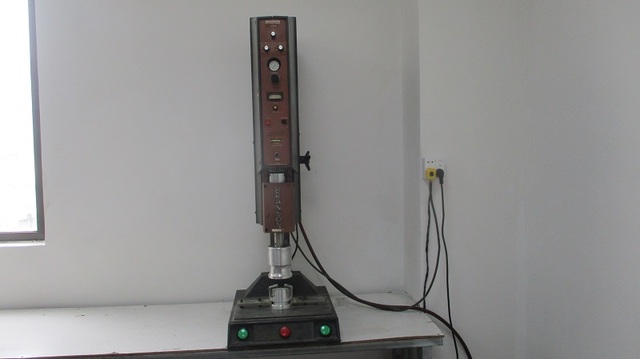
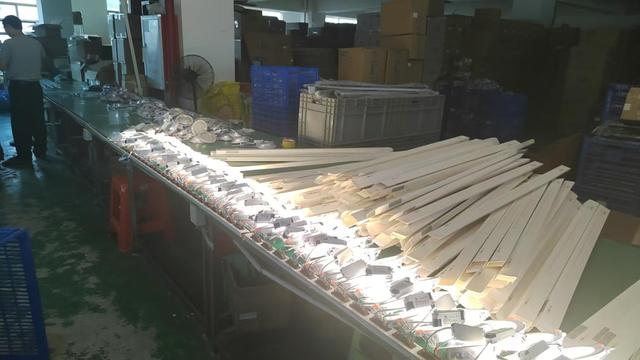
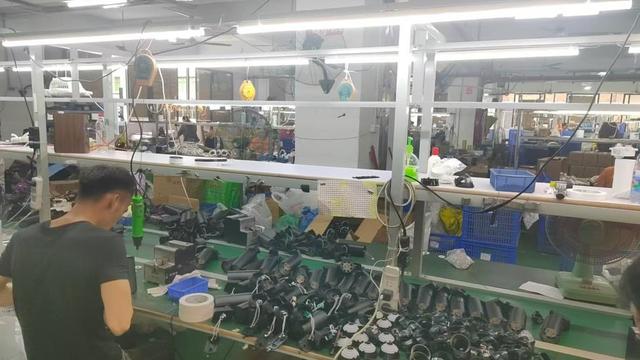
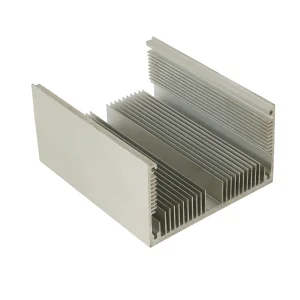
By keeping design, extrusion molding, SMT placement, and testing under unified control, we reduce prototyping lead times for custom heat sinks and architectural housings from months to weeks.

Advanced SMT & Automated Testing

Our surface-mount technology lines place micro-components with exceptional accuracy, ensuring high thermal performance and stability of integrated drive systems.

Rigorous Compliance Protocols

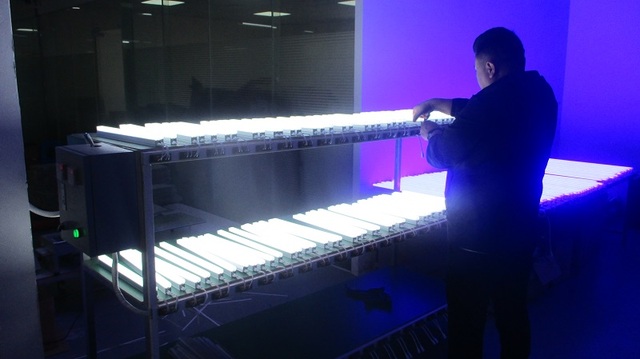
Every batch of commercial fixtures undergoes automated thermal runaway testing, surge testing up to 10kV, and photometric analysis via integrating spheres.

For international procurement managers, partnering directly with a Guangzhou manufacturer like Bluu Light eliminates intermediaries, allows for customized modifications of driver specifications, and ensures full compliance with CE standards.

4. Application Scenarios & Case Studies

Lighting automation needs vary significantly depending on the operational environment. Below are some of the primary application areas where specialized CE-certified automated lighting provides significant energy savings and operational utility:

A. Hazardous Industrial Environments (Zone 1 / Zone 21 ATEX Regulations)

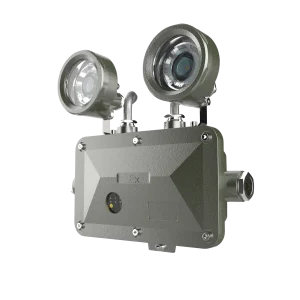
In locations such as petrochemical processing plants, grain silos, and marine vessels, standard lighting presents a spark hazard. In these scenarios, utilizing specialized fixtures like the *ATEX LED Explosion Proof Emergency Light* is essential. These fixtures feature flame-proof cast-aluminum enclosures and double-insulated internal circuits, ensuring that even under severe component failure or physical impact, no spark can escape to ignite volatile atmospheric gases.

B. Municipal Infrastructure, Urban Areas & Modern Streetscapes

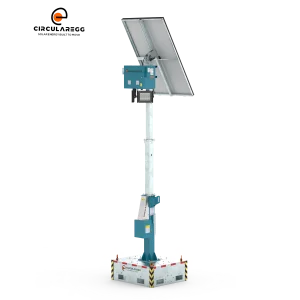
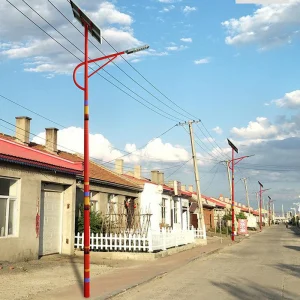
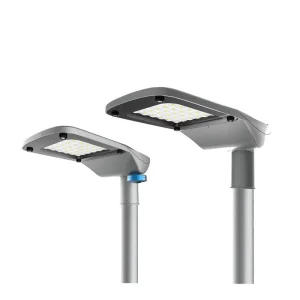
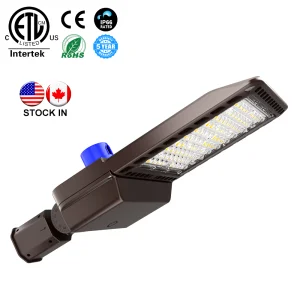
Modern city planners seek to lower municipal grid reliance by adopting off-grid and smart-grid outdoor systems. High-capacity fixtures like the *Advanced Solar Street Light* and the *150W LED Street Light with UKCA/CE Energy Saving Certificates* utilize built-in programmable controllers to adjust brightness levels based on historical traffic flow data and real-time astronomical clocks. The addition of microwave motion sensors ensures full-power output only when pedestrian or vehicular motion is detected, conserving power during low-use hours.

C. Educational Institutions & Commercial Office Environments

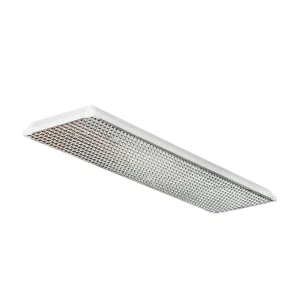
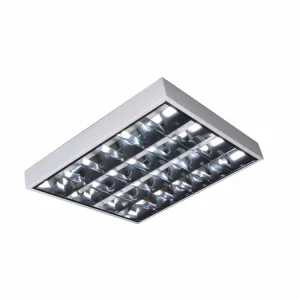
Studies show that lighting quality directly impacts occupant well-being and productivity. Linear fixtures like the *No-flicker True Color LED Classroom Light* utilize high-frequency, ripple-free drivers to eliminate the sub-visible flicker common in lower-end fixtures, helping to reduce eye strain. Coupled with automated dimming and daylight harvesting, educational facilities can achieve up to a 40% reduction in electricity consumption while maintaining standard desk-level lux requirements.

D. Sports Arenas & Large Outdoor Venues

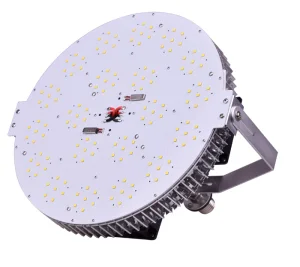
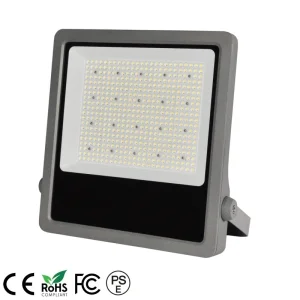
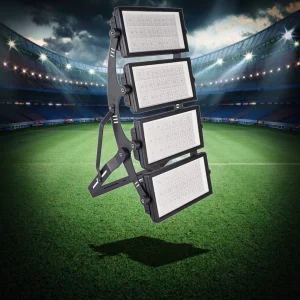
Illuminating larger structures like football stadiums requires precise optical control and significant power. Systems like the *Aluminum Body IP65 1000W Foldable LED Projector Lights* provide high-power output without the excessive weight and wind resistance of traditional floodlighting configurations. Integrating these fixtures with intelligent DMX or DALI control loops allows operators to manage individual sectors, program dynamic lighting transitions, and monitor driver health in real-time.

5. Future Trends & Technical Matrix

The lighting industry is moving beyond basic illumination to focus on integrated, data-driven systems. Key emerging trends include:

  • Human-Centric Lighting (HCL): Dynamically adjusting color temperatures throughout the day to align with natural human circadian rhythms, promoting alertness during daytime hours and restfulness in the evening.
  • LiFi & Visible Light Communications: Utilizing LED light waves to transmit high-speed data securely within indoor spaces, ideal for hospital operating theaters or secure government facilities where RF signals are restricted.
  • AI-Powered Predictive Maintenance: Intelligent controllers that monitor parameters like current leakage, driver core temperature, and lumen decay, allowing system operators to replace components before a failure occurs.
Application Category Primary Control Protocols Ingress Protection (IP) Target Luminous Efficacy Typical ROI Period
Commercial Office / Classroom DALI-2, 0-10V, Zigbee Mesh IP20 - IP40 100 - 130 lm/W 14 - 22 Months
Municipal & Streetways LoRaWAN, NEMA Socket Controls IP65 - IP67 130 - 170 lm/W 24 - 36 Months
Heavy Industrial & ATEX Zone Hardwired Safe Loop, DALI-2 IP66 - IP68 120 - 150 lm/W 18 - 30 Months
High-Mast Sports Venues DMX512, RDM Controls IP65 - IP66 140 - 160 lm/W 18 - 28 Months

6. Global Sourcing & Procurement Considerations

When evaluating manufacturers for lighting automation projects, procurement managers should consider several key technical factors to ensure long-term system reliability and safety:

  1. Certificates Verification: Ensure that CE, RoHS, and ATEX test reports are issued by recognized international testing bodies (such as TUV, SGS, or Intertek). Verify the specific standards applied, particularly EN 55015 for electromagnetic emissions and EN 61547 for electromagnetic immunity.
  2. Thermal Management Engineering: High-power LED systems generate significant heat at the junctions. Confirm that the fixture design uses high-purity aluminum alloys (like 6063-T5) and features adequate heat dissipation fins to keep junction temperatures within safe limits.
  3. Driver Lifespan & Component Sourcing: The LED driver is often the most critical component in a lighting system. Verify that the manufacturer uses drivers with quality internal capacitors (such as Rubycon or Nichicon) and reliable integrated circuits, designed for a service life that matches the LED chips.
  4. System Compatibility: When integrating new fixtures into an existing Building Management System (BMS), confirm that the fixtures' control protocols (e.g., DALI, Zigbee) are fully compatible and can be addressed without requiring proprietary translation gateways.

7. Frequently Asked Questions (FAQ)

What are the primary differences between DALI-2 and standard 0-10V dimming systems?
DALI-2 (Digital Addressable Lighting Interface) is a bidirectional digital protocol that allows each fixture to be assigned a unique address. This enables granular control, status monitoring, and simplified wiring configurations. In contrast, 0-10V dimming is a unidirectional analog control method where all fixtures on the same circuit dim simultaneously. DALI-2 is generally preferred for large-scale, complex commercial automation projects, while 0-10V is suited for straightforward, single-zone applications.
How does CE certification benefit non-European installation sites?
While CE certification is a legal requirement for the European Economic Area, it serves as a global benchmark for safety and quality. The certification process verifies that electrical systems resist power surges, operate within safe thermal parameters, and do not emit excessive electromagnetic interference. Specifying CE-certified equipment in regions like the Middle East, Southeast Asia, or South America helps ensure high safety and reliability standards.
What electrical safeguards are built into hazardous area ATEX twin-head emergency lights?
ATEX-certified emergency fixtures feature explosion-proof enclosures, internal battery backup systems with overcharge and deep-discharge protection, and specialized encapsulation of all spark-producing components. These safeguards ensure that even in the presence of explosive gases or dust, the fixture will not trigger an ignition event during normal operation or emergency power transitions.
Can solar-powered street lighting towers support 24/7 continuous operation?
Yes. Modern solar-powered lighting systems use high-efficiency monocrystalline solar panels, MPPT (Maximum Power Point Tracking) charge controllers, and deep-cycle lithium iron phosphate (LiFePO4) batteries. These systems are typically engineered with 3 to 5 days of battery autonomy, allowing them to maintain reliable overnight operation even during extended periods of cloudy or overcast weather.
What is "flicker-free" technology, and why is it critical for schools and offices?
Standard LED fixtures can produce high-frequency modulation (flicker) that, while not always visible, can lead to eye strain, headaches, and fatigue over time. Flicker-free technology uses specialized drivers with ripple-free direct current output, providing stable, continuous light. This is particularly important in educational environments and offices to support visual comfort and concentration.
How does daylight harvesting contribute to energy conservation?
Daylight harvesting systems use photosensors to measure the amount of natural light entering a space. The system automatically dims the artificial lighting to maintain a consistent target lux level at work surfaces. This prevents over-illumination and reduces grid electricity consumption during daylight hours, contributing to overall building efficiency.

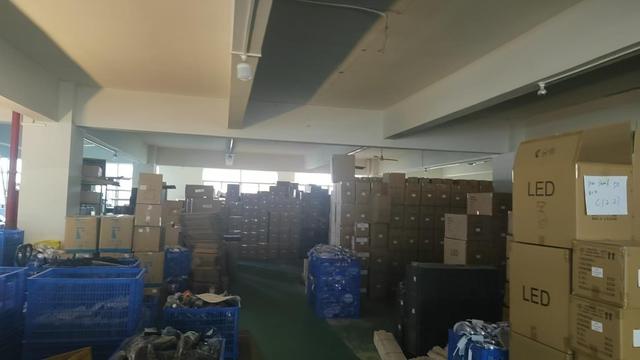
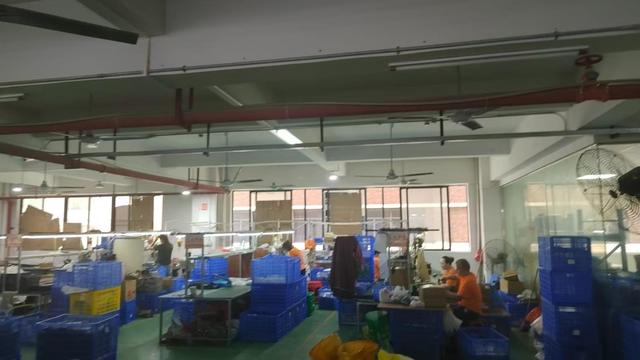
Guangzhou Bluu Light Co., Ltd. - Manufacturing Infrastructure & Quality Control

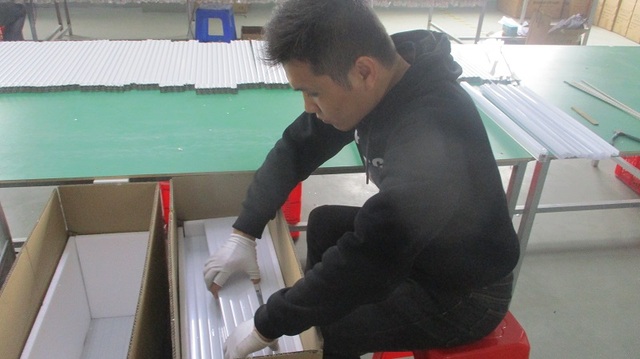
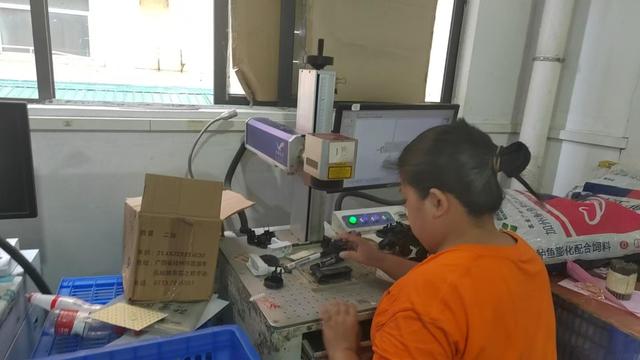
Guangzhou Bluu Light Co., Ltd. operates state-of-the-art production facilities in Guangzhou, China. We integrate professional LED engineering with rigorous quality control to deliver energy-efficient, CE-certified commercial lighting systems worldwide.