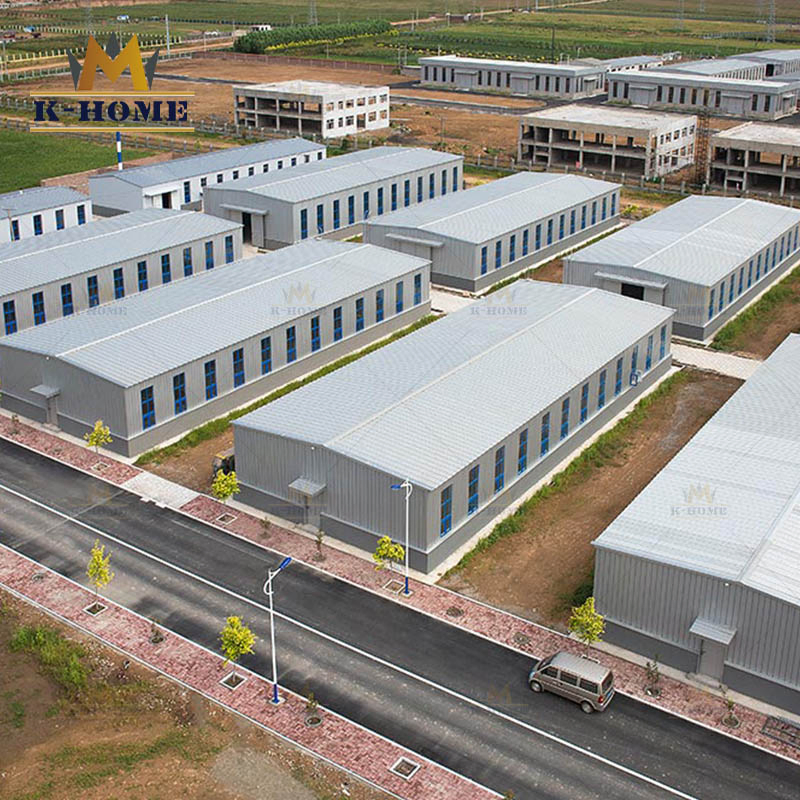
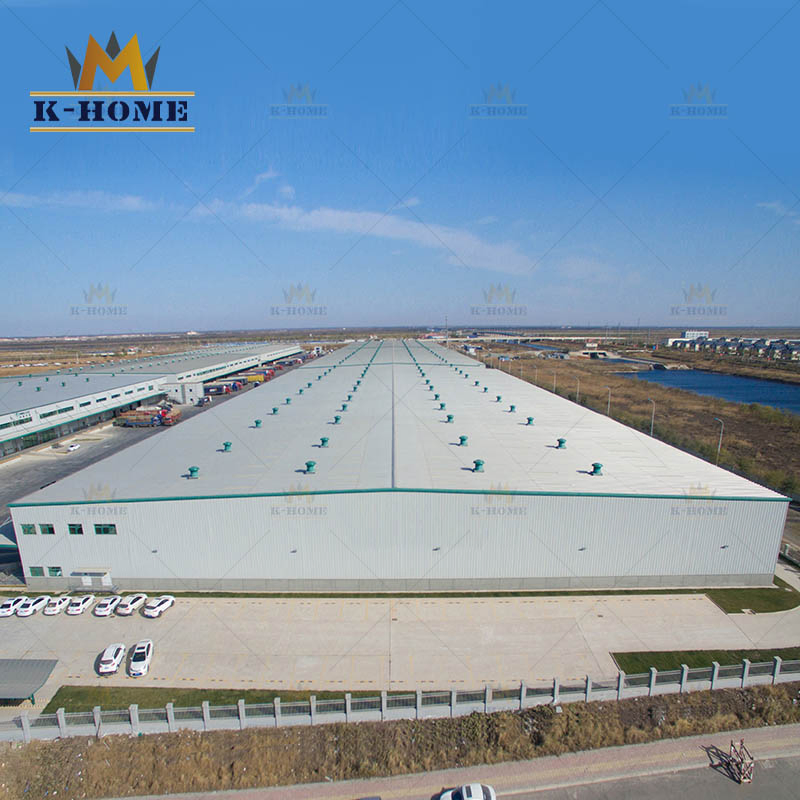
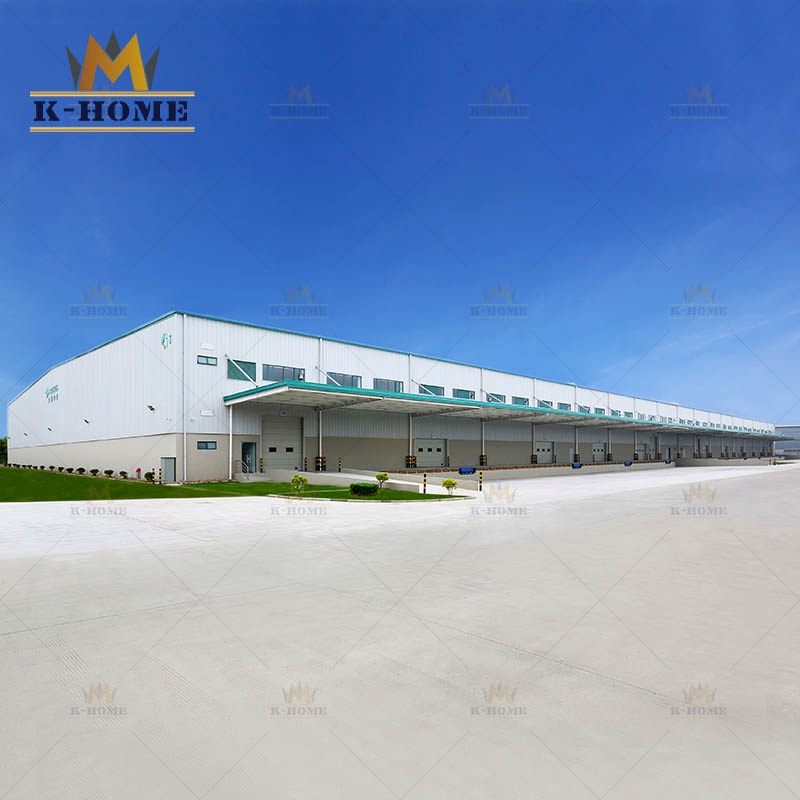
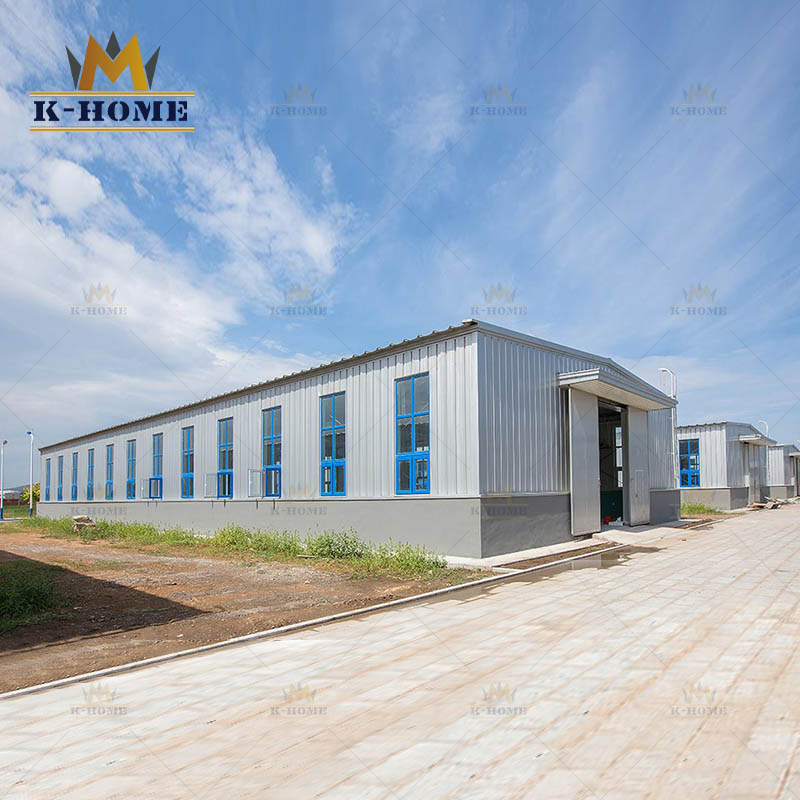
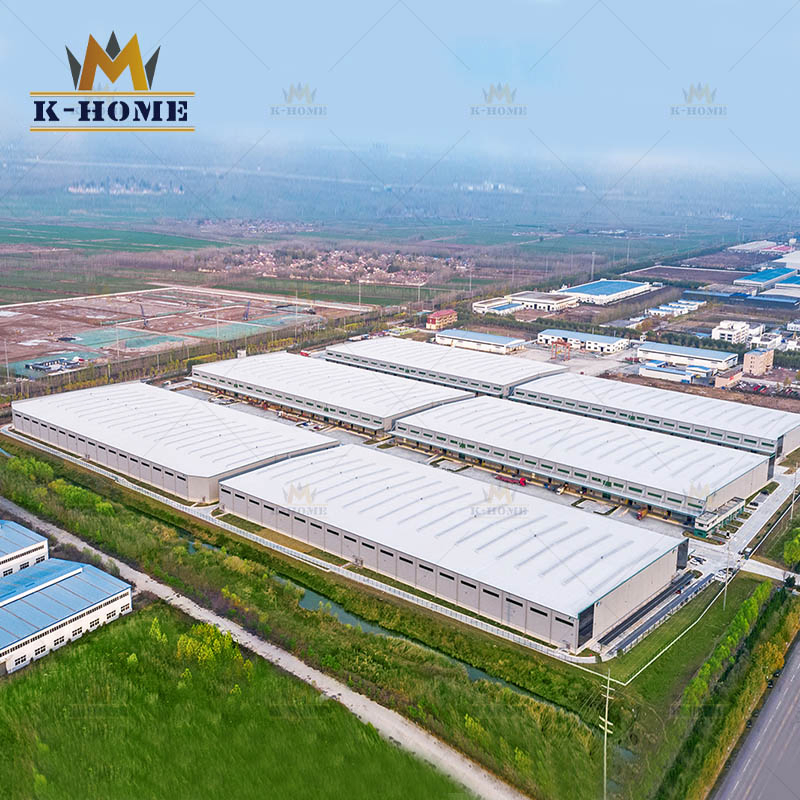
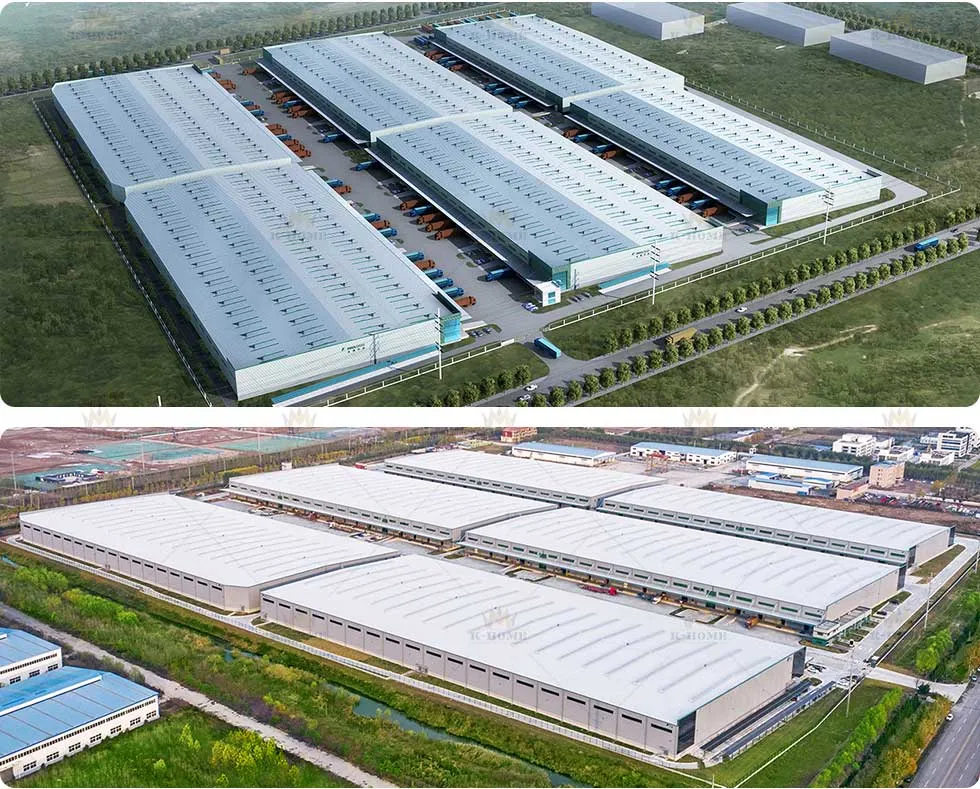
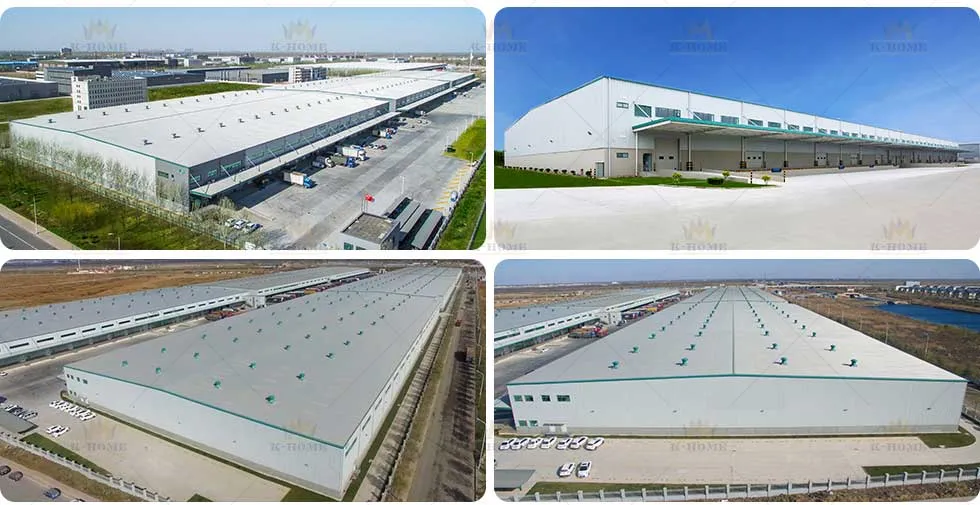
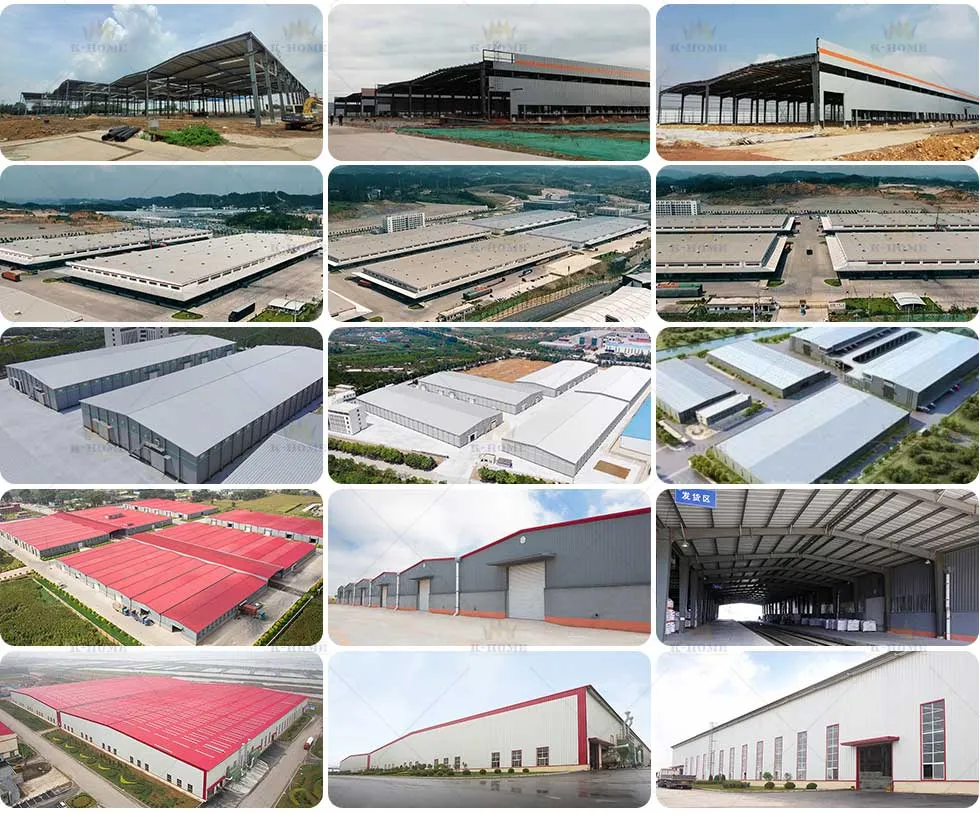
Prefab steel warehouses have emerged as a game-changer in the realm of industrial and commercial storage solutions. Their efficiency, durability, flexibility, sustainability, and cost-effectiveness make them an ideal choice for businesses looking to optimize their operations and secure a competitive advantage. Embracing prefab steel warehouses can lead to streamlined processes, enhanced durability, and a more sustainable future. By embracing the world of prefab steel warehouses, businesses can unlock a world of possibilities, maximizing efficiency and reaping the benefits of a durable, flexible, and sustainable storage solution.
Efficiency: Prefab Industrial Steel Structure Warehouse Solutions are built with efficiency in mind. Their off-site fabrication process allows for streamlined construction, minimizing project timelines and reducing labor costs. With precise engineering and standardized components, these warehouses can be erected quickly and efficiently, ensuring businesses can swiftly establish their operations.
Durability: Constructed using high-quality steel, they offer exceptional strength and structural integrity. This ensures the warehouse can withstand the test of time and remain steadfast against external factors such as extreme weather conditions, seismic events, and even fire.
Flexibility: These solutions are incredibly versatile, catering to a wide range of industry needs. Their modular design allows for easy expansion and modification, accommodating changing business requirements such as additional storage space, office areas, or loading docks.
Sustainability: In an era where sustainability is paramount, prefab steel warehouses offer an environmentally friendly solution. Steel is a highly recyclable material, reducing the demand for new resources and minimizing waste.
Cost-effectiveness: Their efficient construction process, reduced labor requirements, and potential for energy savings result in lower construction and operational costs over time, ensuring a great return on investment.
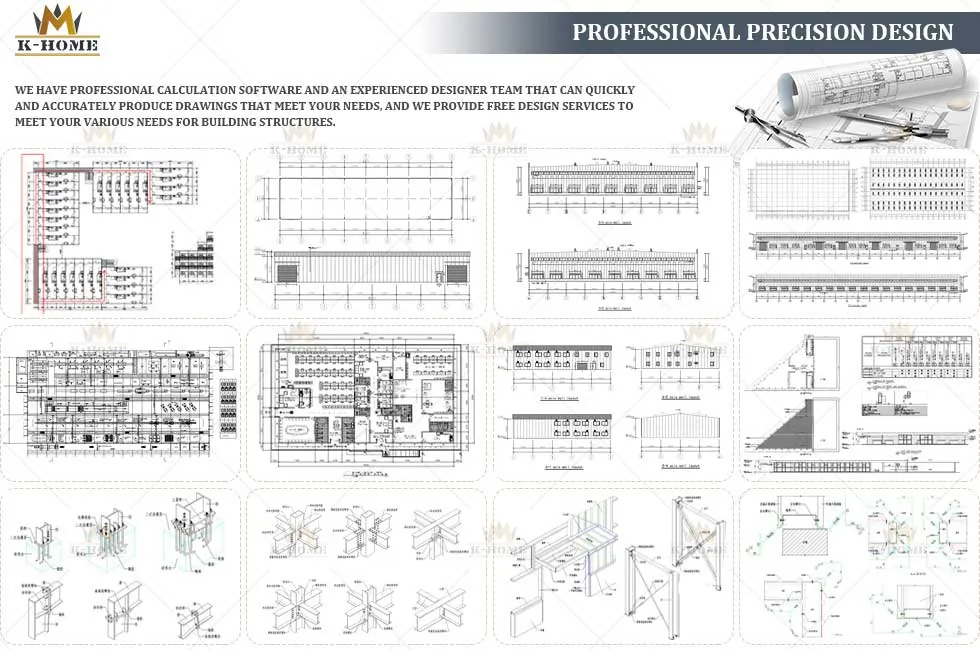
Professional Precision Design
Designing and building an efficient steel structure distribution center requires comprehensive consideration, including geographical environment, space utilization, steel selection, earthquake resistance and fire safety, and many other factors. A professional design team uses advanced calculation programs to analyze local weather, wind speed, rain and snow load, and ventilation requirements. This guarantees custom drawings that balance structure viability, cost-efficiency, and user-specific needs.
Structure of Steel Supply Chain Warehouse
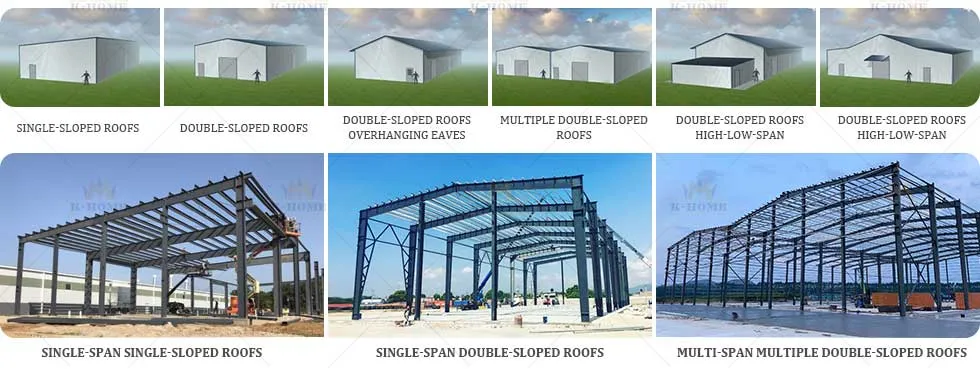
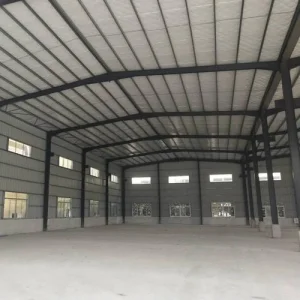
When it comes to steel warehouse design, frame and material selection are central. Steel portal structures are a common choice. This design is commonly used in industrial and commercial buildings such as warehouses, factories, aviation hangars, etc. The portal structure is composed of vertical columns and horizontal beams. This design provides a strong support structure, making it ideal for long-span buildings.
Benefits of Portal Structural Frame Design:
Large-span capability: Covers large areas without column interference, making it ideal for storing and handling large cargo.
Highly customizable: Designs can adjust in height, width, and load capacities based on project parameters.
Quick to build: Utilizes prefabricated components for easy assembly, saving valuable time and cost.
Wind and earthquake resistance: Engineered structural layout built to withstand high seismic forces and strong wind loads.
Maximize space: Elimination of center columns increases overall flexibility and storage capacity.
Low maintenance: Highly durable steel elements require minimal structural maintenance, painting, or rust-proofing.
Materials and Main Components of Portal Frames
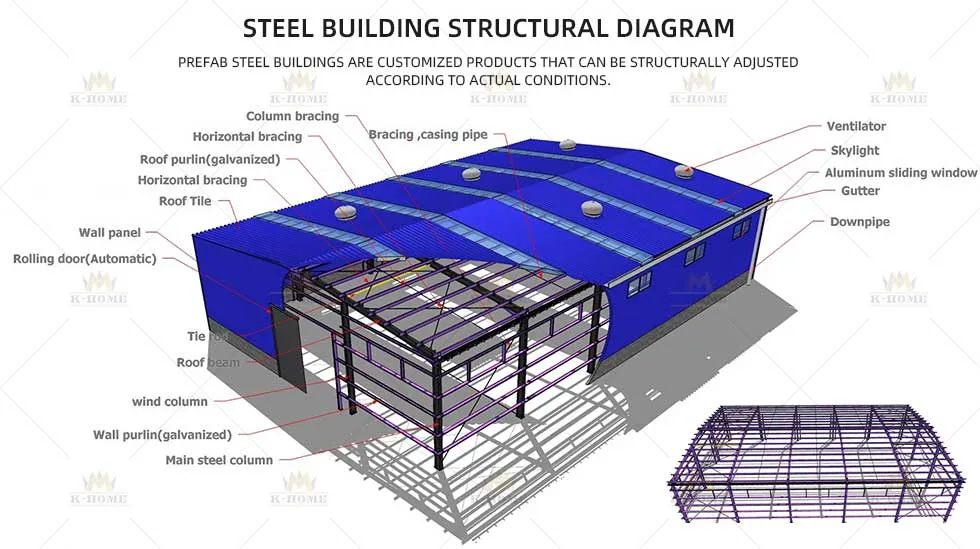
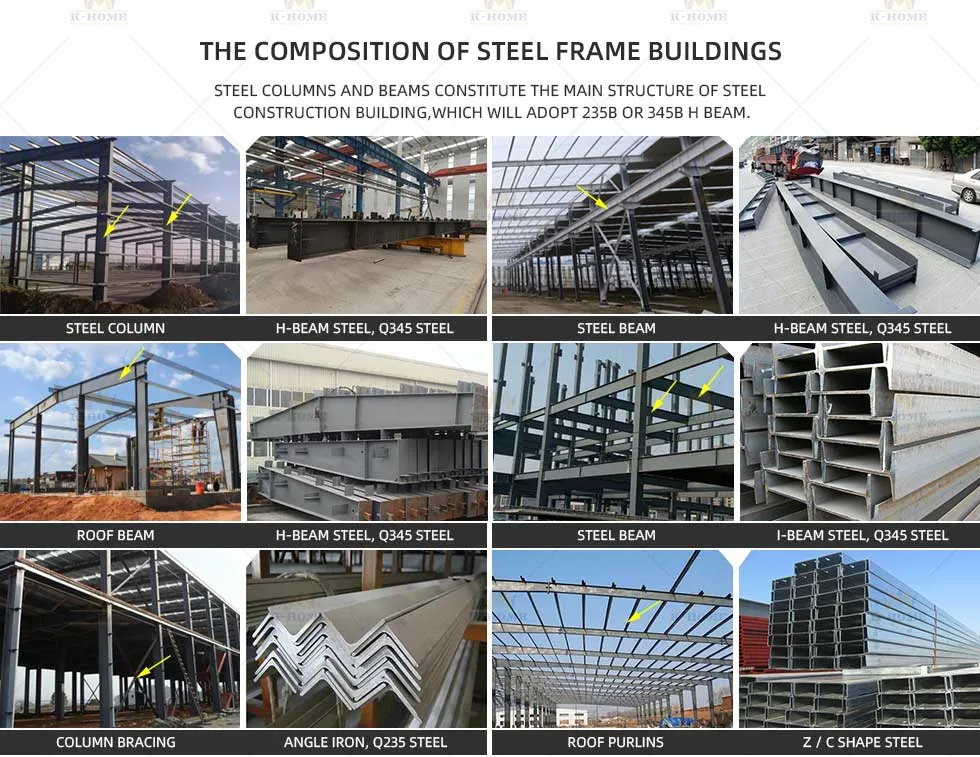
Steel portal frames usually include steel beams, steel columns, steel trusses and other related components. These components are interconnected by processes such as welding, bolting or riveting. Here's a breakdown of the main components:
Main structure: Includes steel columns and steel beams as the primary load-bearing structure. It is usually built with steel plates or section steel (such as Q345B section steel) to support the entire building and external loads.
Secondary structure: Composed of purlins, wall beams, supports, and other components made of thin-walled steel. It secures stability by assisting the main structure and transferring wind and gravity loads down to the foundation.
Personalized Designed Steel Supply Chain Warehouse
Steel structures are highly customized products that can be designed and manufactured precisely to the needs of a specific project.
Size Customization Options:
Height: Tailored to fit height needs for stacking systems or special machinery operations.
Width & Depth: Adjusted according to site size, optimal storage layouts, and traffic routes.
Gate & Column Spacing: Designed to accommodate the entry of large cargo vehicles and machinery smoothly.
Roof Treatment Methods
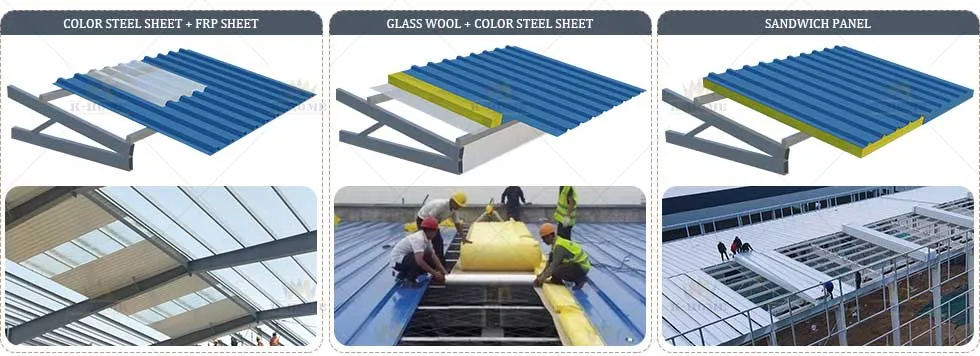
A variety of roof treatments are available to meet thermal, cost, and layout needs. The three most commonly used treatments are:
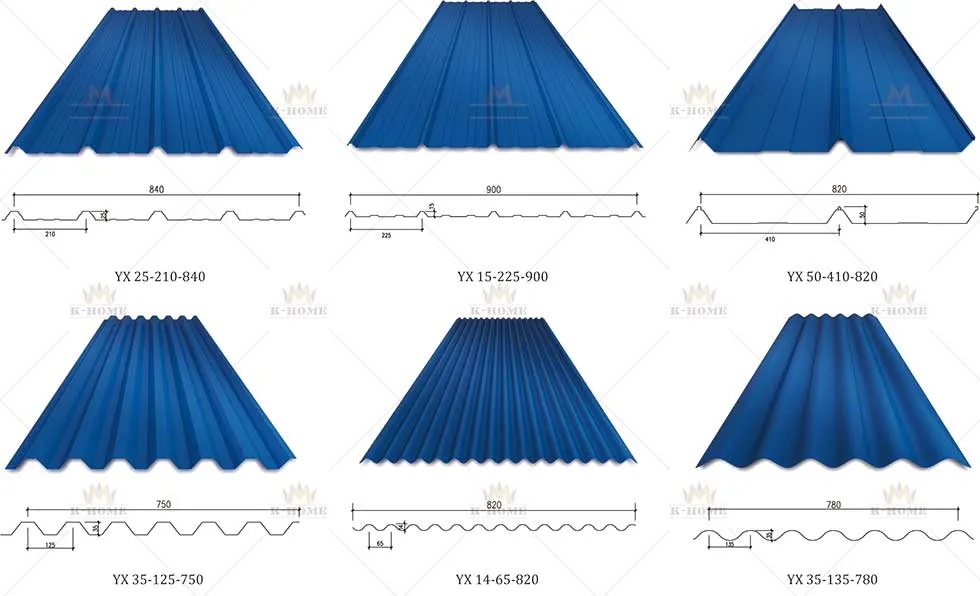
Color Steel Roofing Sheet & FRP Sheet: Color steel sheets are bent into wave types. FRP sheets provide high transparency for natural light, saving electrical energy.
Glass Wool + Color Steel Roofing Sheet: Offers reliable heat and sound insulation.
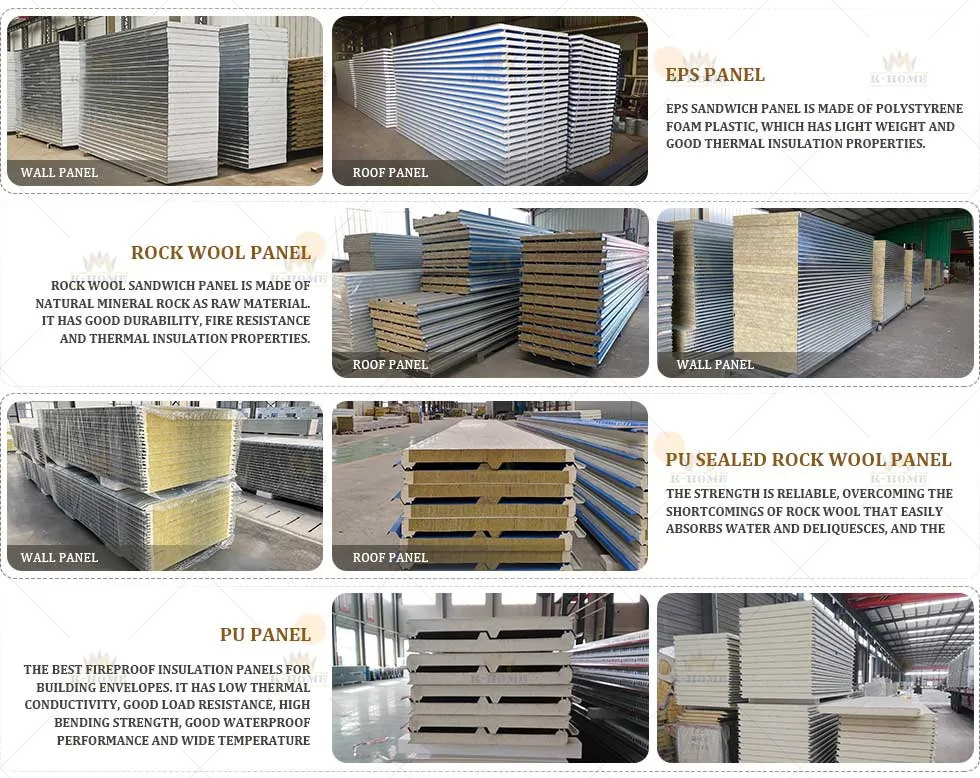
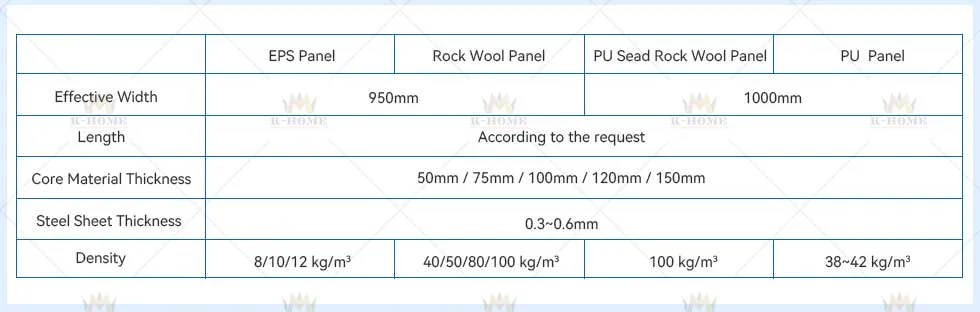
Sandwich Roof Panel: Double metal sheets with insulating core (polyurethane foam/rockwool) that provides maximum thermal insulation, excellent fire resistance, and swift installation.
Wall Treatment Methods
Wall systems must protect internal stock from weather, fires, and corrosion. The two most common and cost-effective methods use screw-fixing for easy installation, saving time and labor expenses:
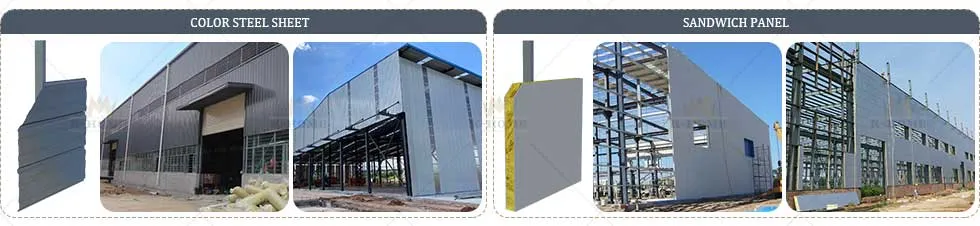
Color Steel Plates: Economical plates offering superior weather and corrosion resistance. Available in a wide variety of color finishes.
Sandwich Panels: Insulated panels containing core materials (rockwool or PU) that provide high structural integrity and fire ratings.
How to Choose a High-Quality Steel Structure Distribution Center Supplier?
When selecting a manufacturer, look for comprehensive capabilities in engineering structural calculation, fast layouts, and customized solutions. Quality prefabricated buildings will prioritize maximizing clear spans and space utilization while optimizing material lists to reduce construction schedules and operational overhead. Experienced design teams can also assist with planning layouts tailored to specific logistics, warehousing, or manufacturing requirements.
Design Questionnaire
To obtain a customized engineering design and quotation, the following details are required:
1. Location: Where will the warehouse be built? (Country, Area)
2. Size: Length × Width × Height (mm)
3. Wind Load: Maximum wind speed (kn/m², km/h, or m/s)
4. Snow Load: Maximum snow load height (kn/m² or mm)
6. Brick Wall: Is a bottom brick wall needed? (If yes, 1.2m or 1.5m height)
7. Thermal Insulation: If yes (EPS, fiberglass wool, Rockwool, or PU sandwich panels suggested); If no, standard metal sheets.
8. Doors & Windows: Quantity and dimensions (width × height)
9. Crane Support: Is an overhead crane needed? (If yes, units, maximum lifting weight, and maximum lifting height)
Frequently Asked Questions
What are the core benefits of choosing a prefab steel warehouse?
Prefab steel warehouses provide high construct efficiency with minimal build time, exceptional durability against extreme weather or seismic events, modular flexibility for future expansion, low maintenance needs, and high cost-effectiveness compared to traditional concrete construction.
Why is the portal frame design so popular for industrial warehouses?
The portal frame design uses vertical columns and horizontal beams to provide maximum strength. It is highly valued because it does not require center support columns, allowing a clear, large span that maximizes internal usable storage space and simplifies machinery operations.
What insulation options are available for the roof and walls?
You can select from a wide variety of insulation options, including EPS, fiberglass wool, Rockwool, and Polyurethane (PU) sandwich panels, depending on your local climate requirements, fire-rating goals, and budget.
Can the height and width dimensions of the steel structure be customized?
Yes. Since all prefab steel buildings are highly customized structural systems, the overall height, width, depth, column span, and door opening sizes can all be adjusted to fit your specific logistics and cargo storage workflows.
How do environmental parameters affect the engineering design?
Engineering designs calculate safety structures based on local wind speeds, rainfall, snow loads, and seismic hazards. Standard designs conform strictly to ISO and CE specifications to ensure structural stability and reliable operations over time.
 Bluu Light