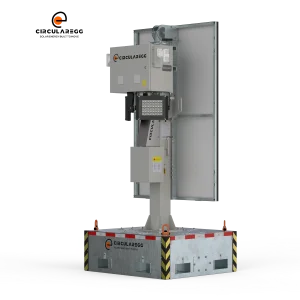
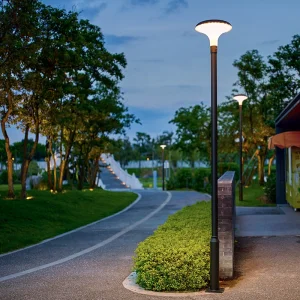
Engineered to withstand intense solar irradiance, high operating temperatures, and dusty Harmattan environments while delivering maximum uptime.
Nigeria, as Africa's most populous nation and one of its largest economies, faces persistent challenges with its national electrical grid. Grid-based electricity is frequently subject to scheduled load shedding and unplanned blackouts, forcing commercial enterprises, industrial complexes, and municipal authorities to rely heavily on diesel generation. However, with the removal of fuel subsidies and the escalating global price of diesel, the operational cost of running heavy-duty generators has become unsustainable. Consequently, transition to solar-powered outdoor and commercial infrastructure lighting is no longer just a sustainability goal—it is a critical economic imperative.
In municipal settings, traditional AC grid-powered streetlights are virtually non-functional over vast swathes of highway networks. This leads to increased security risks, traffic hazards, and reduced economic activity after dark. Solar commercial streetlights and localized industrial floodlights provide a decentralized, completely autonomous solution. By utilizing high-efficiency photovoltaic modules combined with advanced lithium iron phosphate (LiFePO4) energy storage systems, Nigerian developers and public work sectors can achieve 100% lighting uptime while completely eliminating ongoing utility costs and diesel consumption.
When selecting industrial solar-powered lighting systems for Nigerian regional distribution, developers must design for three specific micro-climate zones:
Partnering with premium Chinese solar lighting factories such as Guangzhou Bluu Light Co., Ltd. offers Nigerian importers, local government contractors, and private developers direct access to large-scale supply chain economies. China controls over 80% of the worldwide silicon wafer, cell, and solar module production line, alongside the dominant market share of lithium battery production. This allows factories to engineer and supply custom solar configurations at a fraction of the cost of European or North American assembly lines, while meeting or exceeding global ISO9001 and CE quality benchmarks.
Crucially, OEM/ODM manufacturers can customize component configurations specifically for local tenders. For example, a supplier can match high-lumen density LED arrays (yielding up to 180lm/W) with customized battery capacities optimized for the specific sun hours of Lagos versus Sokoto. This guarantees the client does not overpay for over-dimensioned panels while ensuring the system does not prematurely fail due to under-dimensioned battery storage.
To ensure structural integrity and electrical reliability, several technical thresholds must be established by the procurement department before purchasing container-load orders:
How modern off-grid solar illumination is deployed to solve safety, productivity, and infrastructure challenges.
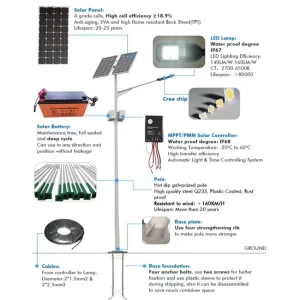
Lagos-Ibadan Expressway & Abuja Ring Roads: Heavy commercial transport corridors require continuous illumination to prevent highway banditry and vehicle collisions. All-in-one and split solar streetlights with high luminous flux (10,000+ lumens) provide rapid deployment without digging trenches for high-voltage transmission cables, protecting municipal assets from grid outages.
Lekki Free Trade Zone & Kano Industrial Areas: Warehouses, manufacturing plants, and processing yards require perimeter security lighting. Integrating solar-powered streetlights and high-output LED floodlights ensures that facilities remain brightly lit and secure even when diesel generators are shut down for routine maintenance or fuel conservation.
Banana Island, Lekki Phase 1, & Abuja Estates: Premium residential gated communities utilize smart solar garden and post lights. These designs preserve estate aesthetics, reduce tenant service charge fees associated with shared diesel generator fuel, and provide clean, modern, automated outdoor lighting.
Select from our certified off-grid solar illumination equipment, engineered for high thermal endurance and prolonged service life.
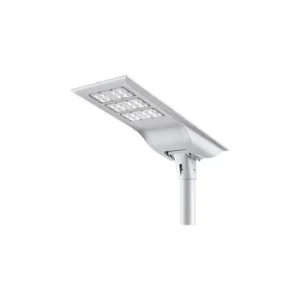
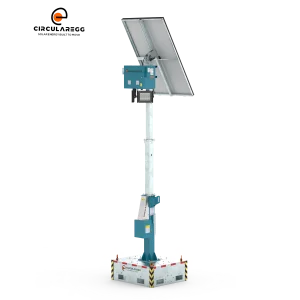
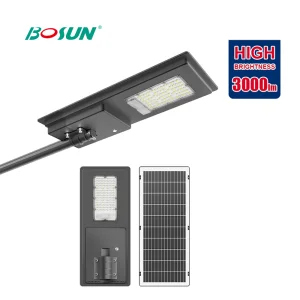
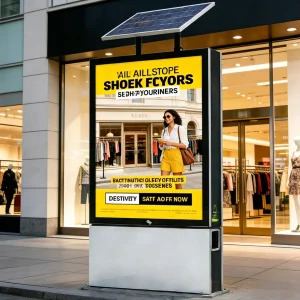
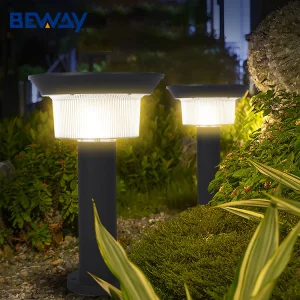
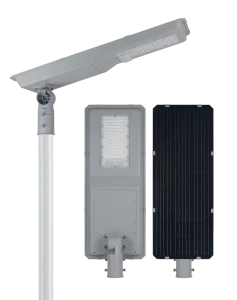
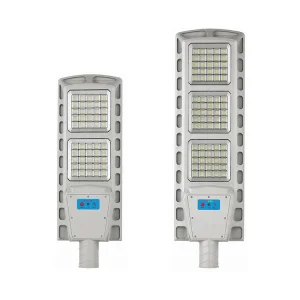
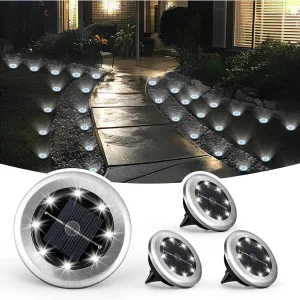
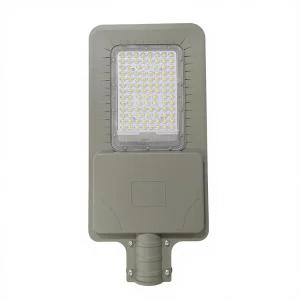
Ensuring seamless import processes, technical compliance, and localized post-sales maintenance across Nigeria.
Navigating the importing process into Nigeria requires compliance with the Standards Organisation of Nigeria Conformity Assessment Programme (SONCAP). To avoid customs clearance delays, confiscations, or penalties at Lagos (Apapa/Tin Can Island) or Port Harcourt ports, all shipping containers must carry a valid Product Certificate (PC) and SONCAP Certificate (SC).
Our factory export team works directly with international inspection agencies (such as SGS, Intertek, and Cotecna) to handle the required laboratory testing, ensuring compliance with local electrical safety, wind resistance, and battery security guidelines. This guarantees that your containers clear customs smoothly and arrive safely at your project staging warehouse.
Before leaving the production line, each custom solar light undergoes a battery of quality control tests:
Guangzhou Bluu Light Co., Ltd. is a professional Commercial LED Lighting Manufacturer specializing in smart lighting solutions for retail, office, industrial, and commercial environments. Based in Guangzhou, China, the company focuses on the development, manufacturing, and supply of energy-efficient LED lighting systems designed to improve illumination quality, operational efficiency, and sustainability across a wide range of applications.
With a strong commitment to innovation and performance, Bluu Light offers comprehensive lighting solutions for commercial buildings, office spaces, retail stores, warehouses, industrial facilities, hospitality venues, educational institutions, healthcare environments, and outdoor infrastructure projects. The company integrates advanced LED technology with intelligent lighting controls to help customers optimize energy consumption, enhance visual comfort, and reduce long-term operating costs.
Bluu Light emphasizes product reliability, engineering expertise, and project-oriented customization. Its experienced technical team works closely with clients, architects, contractors, and distributors to develop lighting solutions that meet specific project requirements, industry standards, and environmental objectives. From lighting design consultation and product selection to manufacturing and project support, the company provides end-to-end services for diverse commercial lighting applications.
Equipped with modern production facilities and rigorous quality management systems, Bluu Light maintains strict control throughout the manufacturing process to ensure consistent product performance and durability. The company continually invests in research and development to advance smart lighting technologies, energy-saving innovations, and intelligent control systems that support the evolving needs of global markets.
Serving customers across North America, Europe, Asia, the Middle East, South America, and other international regions, Guangzhou Bluu Light Co., Ltd. is dedicated to delivering reliable commercial LED lighting solutions that combine efficiency, functionality, and long-term value for modern businesses and infrastructure projects worldwide.
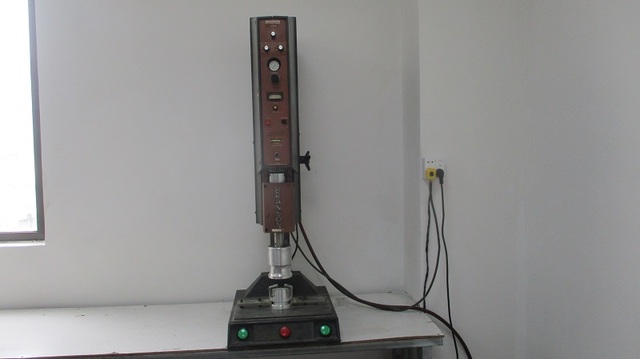
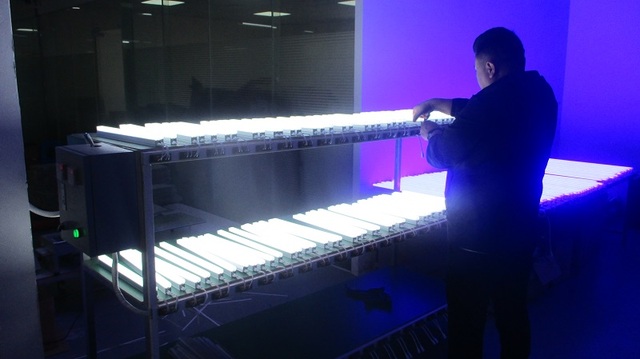
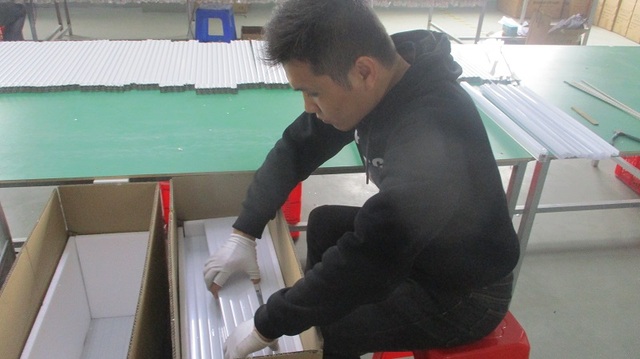
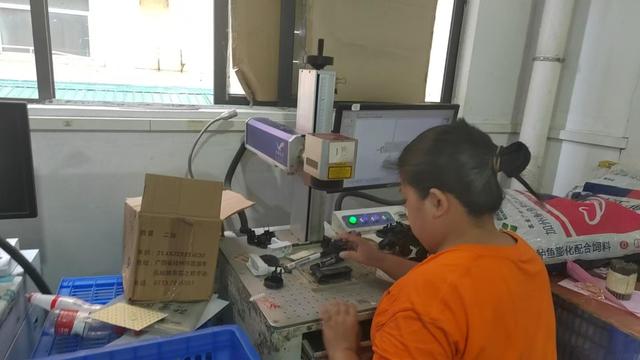
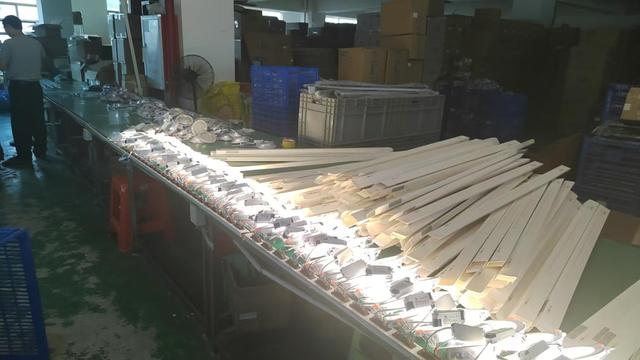
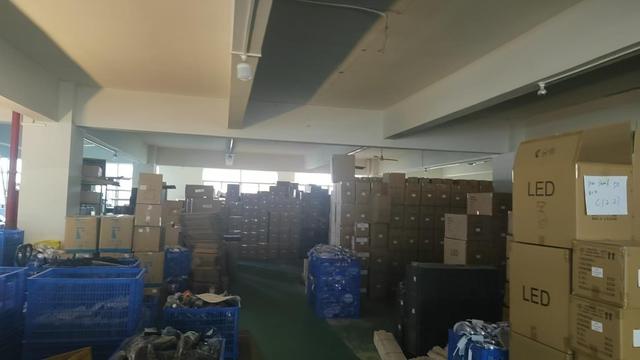
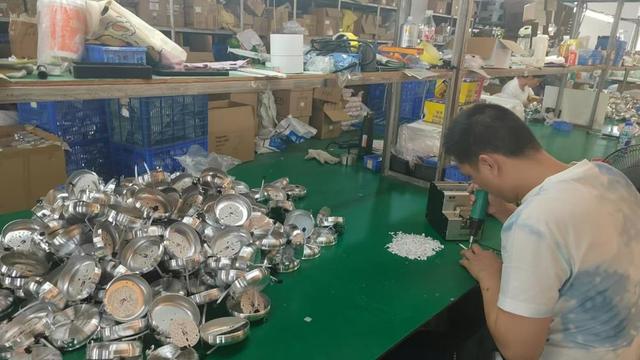
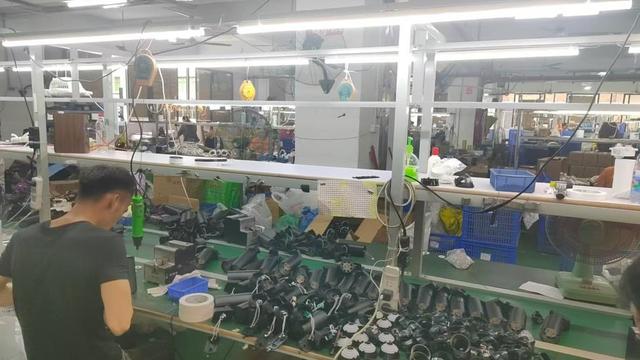
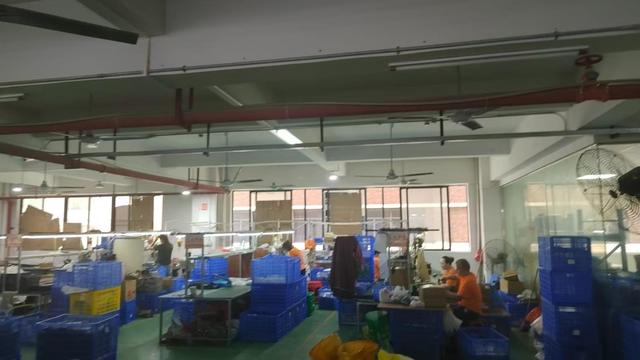
Below is an inside look at our advanced production facilities, packaging lines, and finished-goods warehouses, showing how we manufacture and process commercial solar-powered luminaires for volume export shipments:
Direct answers from our engineering team regarding the configuration, import, and maintenance of solar lights in West Africa.
Traditional lithium cobalt or lithium manganese (NCM) batteries have a much lower thermal runaway threshold (around 55°C). In Nigeria, where metal poles and lighting housings can easily exceed 60°C under direct midday sunlight, NCM batteries face structural degradation and fire hazards. LiFePO4 (Lithium Iron Phosphate) remains stable up to 70°C, does not support combustion, and provides over 2,500 charging cycles, ensuring a service life of 8 to 10 years.
Dust accumulation (soiling) blocks sunlight, reducing solar panel efficiency by up to 40% during the Harmattan season. To minimize this, our commercial solar panels feature anti-static, self-cleaning glass coatings that allow morning dew and seasonal rains to wash away dust. Additionally, we program our MPPT controllers to adjust dimming levels dynamically during long periods of low charging input, preventing deep battery drainage.
Nigerian importers must secure three certificates: Product Certificate (PC) - obtained after testing product samples; SONCAP Certificate (SC) - issued for each shipment following physical inspection; and Form M - required to open letters of credit and clear cargo at Nigerian ports. Our team provides all necessary test certificates, including IEC/EN compliance reports, to facilitate this process.
Yes. Our solar systems feature IP65 and IP66 rated enclosures made of high-strength, anti-corrosion die-cast aluminum with specialized waterproof gaskets. The battery compartments are sealed and mounted near the top of the pole, preventing water damage even in areas prone to seasonal flooding.
We provide a 5-year warranty on our premium commercial and industrial solar streetlights and lighting towers. If a component fails within this window, we ship replacement parts (such as pre-wired LED modules, MPPT controllers, or battery packs) directly to your project location. For large-scale municipal tenders, we include a 1% to 2% spare-parts buffer in the initial shipment.
Rather than operating at 100% brightness all night, our smart lights run at a reduced standby mode (such as 30%) when the street is empty. Once the integrated microwave sensor detects an approaching vehicle or pedestrian, it instantly ramps up to 100% brightness. This smart energy management allows the system to remain functional for up to 3 to 5 continuous days of rain or heavy cloud cover.
Yes, as an OEM/ODM factory, we specialize in custom housing configurations, color tuning, and laser-engraving of brand logos. We can customize brackets and pole adapters to match existing street installations, saving contractors from needing to replace entire poles during system upgrades.
While solar lights have a higher initial purchasing cost, their operating cost is virtually zero. Over a 5-year project lifecycle, a solar street lighting system pays for itself within the first 14 to 18 months by eliminating diesel consumption, generator maintenance, and fuel transport costs.
 Bluu Light