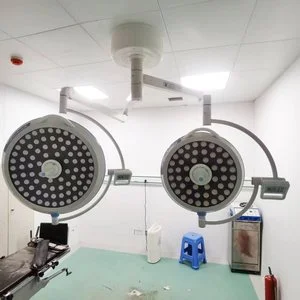
Healthcare infrastructure in East Africa is evolving rapidly. Key developmental programs, including Ethiopia's Health Sector Transformation Plan (HSTP-II), highlight the necessity of standardizing clinical diagnostic and surgical equipment. Precision lighting is not merely a utility; it is a critical medical factor. Visual accuracy directly affects diagnosis accuracy, surgeon fatigue, and patient safety.
As medical technology progresses, the transition from conventional halogen configurations to advanced light-emitting diode (LED) configurations is essential. Hospitals in cities such as Addis Ababa, Hawassa, Adama, and Bahir Dar face distinct operational challenges, including high-altitude heat dissipation demands and supply line fluctuations. This document serves as a comprehensive procurement guide for medical directors, civil engineering teams, and installation consultants.
Modern medical lighting must satisfy rigorous criteria: maintaining optical performance (lux output), minimizing heat emission at the surgical field to prevent tissue dehydration, optimizing color rendering indices (CRI Ra and R9) for accurate tissue representation, and operating reliably during electrical power interruptions.
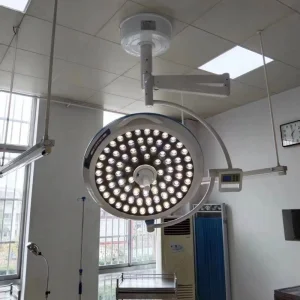
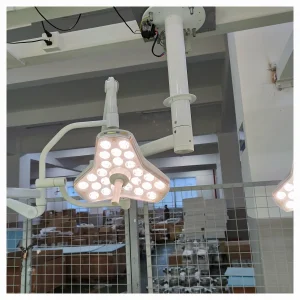
Understanding the technical and economic factors driving development in both global production facilities and localized East African installations.
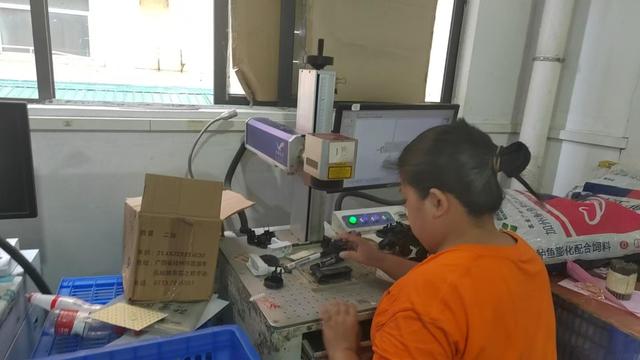
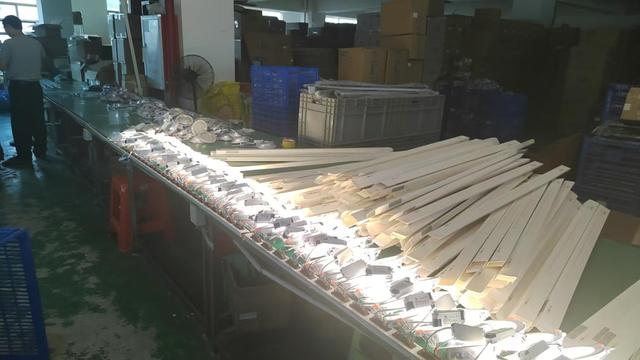
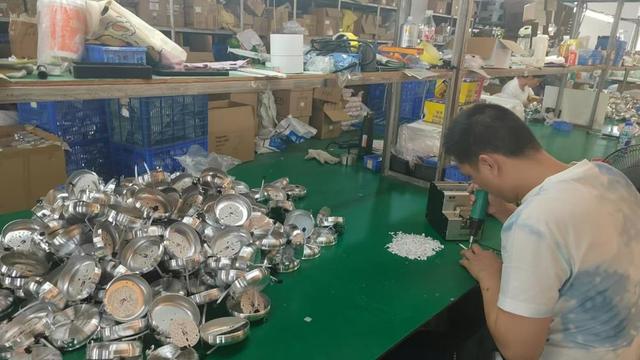
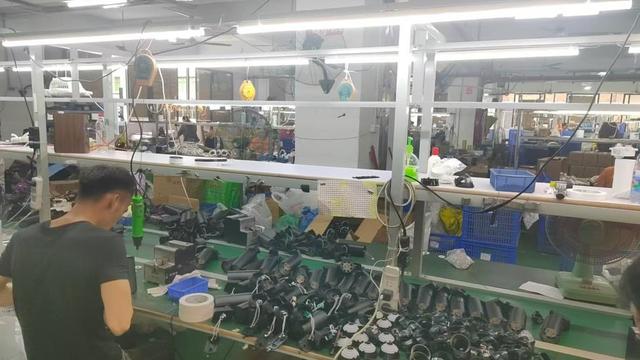
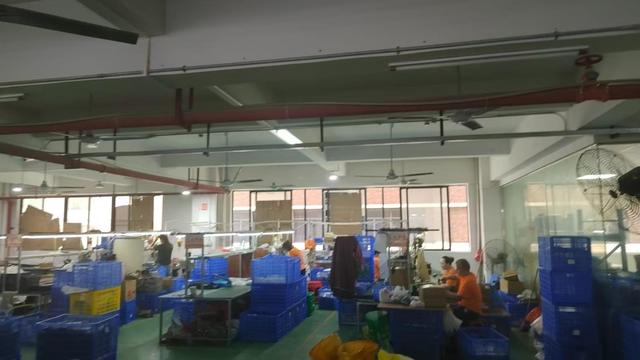
The global clinical illumination sector is experiencing rapid technological evolution, shifting from basic illumination to digital integrated surgery settings. Modern factories implement cleanroom assembly processes, automated optical testing, and precision surface coatings. High-quality manufacturing requires sourcing reliable materials: German optical suspension systems, French spring balances, and high-efficiency LED chips (typically from Japan or the United States).
Leading manufacturing facilities integrate computerized optical measurement systems (goniophotometers) to verify the luminous intensity distribution of every light head. This rigorous quality control ensures that parameters such as shadow dilution, field size diameter, and color temperature deviation meet international standards like IEC 60601-2-41 before shipping to overseas markets.
Ethiopia’s domestic healthcare infrastructure is expanding rapidly. The Federal Ministry of Health continues to invest in tertiary teaching hospitals, regional referral centers, and primary health clinics. Historically, the nation relied on older halogen installations, which suffered from high power draw, short bulb lifespans, and high heat emission.
Due to remote geography and logistics challenges in parts of Ethiopia (such as the Somali, Afar, and Gambela regions), importing replacement bulbs can take months. Consequently, durable, long-life LED technology (rated for 50,000+ operational hours) has transitioned from a premium option to a fundamental requirement. Furthermore, importing medical hardware requires compliance with local standards set by the Ethiopian Food and Drug Authority (EFDA) and pre-shipment inspections to verify conformity with national engineering codes.
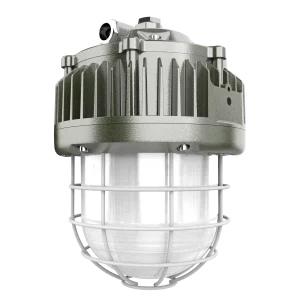
Ancillary illumination solutions engineered to support secondary hospital facilities, diagnostic labs, and vaccine storage facilities in Ethiopia.
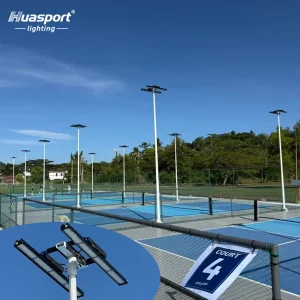
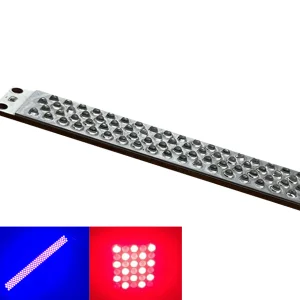
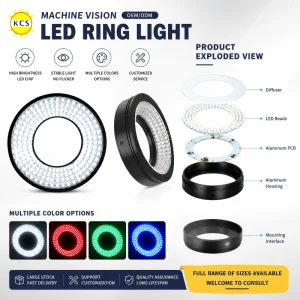
An engineer's perspective on optimizing color spectrum, shadow elimination, and high-altitude thermal behavior.
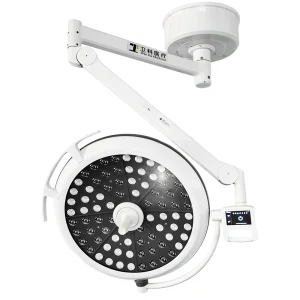
True shadowless performance is achieved by overlapping numerous light beams projected from different angles. This approach splits a light field into dozens of individual columns directed at the wound area.
If a surgeon’s head blocks one path, other lenses continue to illuminate the field. High-quality systems feature computerized configuration controls that automatically adjust light outputs based on distance sensor data, maintaining a consistent illumination zone.
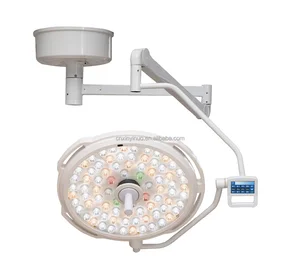
For surgeons, distinguishing subtle tone differences in red tissues is critical. General color rendering indices (Ra) measure performance across standard colors, but R9 indicates red color rendering.
Surgical lights must maintain a minimum R9 value of 90, and ideally 95+, to help prevent visual distortion during long, complex surgeries. Additionally, adjustable color temperatures (from 3500K to 5000K) help optimize visual contrast for various tissue structures.
The elevation of major cities in Ethiopia introduces unique engineering requirements. For example, Addis Ababa sits at an average altitude of 2,355 meters above sea level. At high elevations, the atmosphere is less dense. This reduced air density lowers the heat-transfer coefficient of convective cooling systems.
Traditional LED fixtures that rely on standard air convection to cool junction diodes can experience overheating at high altitudes. This elevated thermal stress accelerates LED degradation and can reduce operational lifespan.
To address these conditions, Guangzhou Bluu Light designs its medical fixtures with high-purity aluminum alloy heat sinks and large heat dissipation surface areas. These passive thermal management systems prevent overheating and ensure stable operation, even in high-elevation locations without active mechanical cooling.
A professional global manufacturer of energy-efficient commercial and medical LED lighting systems.
Guangzhou Bluu Light Co., Ltd. is a professional Commercial LED Lighting Manufacturer specializing in smart lighting solutions for retail, office, industrial, and commercial environments. Based in Guangzhou, China, the company focuses on the development, manufacturing, and supply of energy-efficient LED lighting systems designed to improve illumination quality, operational efficiency, and sustainability across a wide range of applications.
With a strong commitment to innovation and performance, Bluu Light offers comprehensive lighting solutions for commercial buildings, office spaces, retail stores, warehouses, industrial facilities, hospitality venues, educational institutions, healthcare environments, and outdoor infrastructure projects. The company integrates advanced LED technology with intelligent lighting controls to help customers optimize energy consumption, enhance visual comfort, and reduce long-term operating costs.
Bluu Light emphasizes product reliability, engineering expertise, and project-oriented customization. Its experienced technical team works closely with clients, architects, contractors, and distributors to develop lighting solutions that meet specific project requirements, industry standards, and environmental objectives. From lighting design consultation and product selection to manufacturing and project support, the company provides end-to-end services for diverse commercial lighting applications.
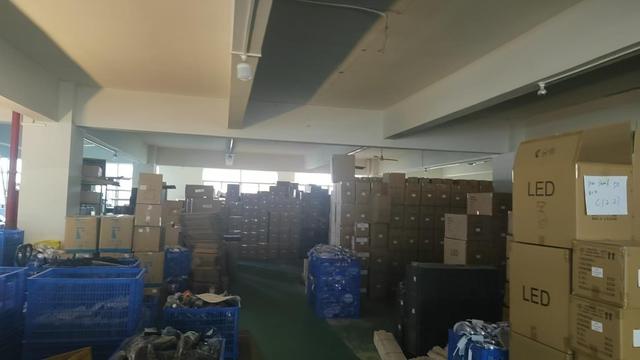
Equipped with modern production facilities and rigorous quality management systems, Bluu Light maintains strict control throughout the manufacturing process to ensure consistent product performance and durability. The company continually invests in research and development to advance smart lighting technologies, energy-saving innovations, and intelligent control systems that support the evolving needs of global markets.
Serving customers across North America, Europe, Asia, the Middle East, South America, and other international regions, Guangzhou Bluu Light Co., Ltd. is dedicated to delivering reliable commercial LED lighting solutions that combine efficiency, functionality, and long-term value for modern businesses and infrastructure projects worldwide.
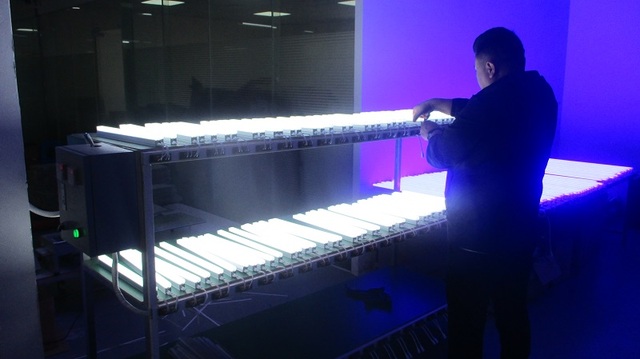
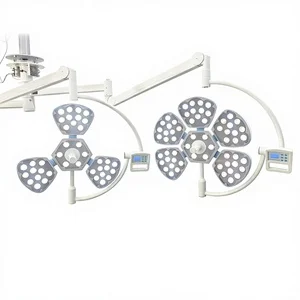
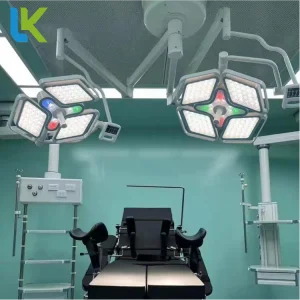
Surgical, outpatient, and critical care illumination systems configured for Ethiopian regional and national hospitals.
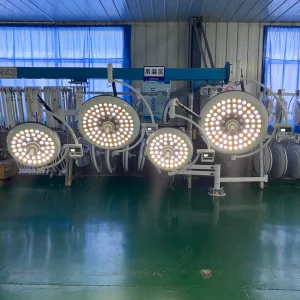
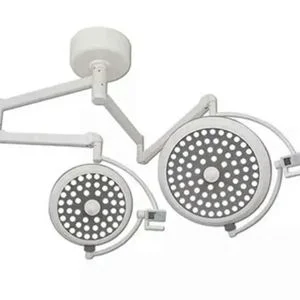
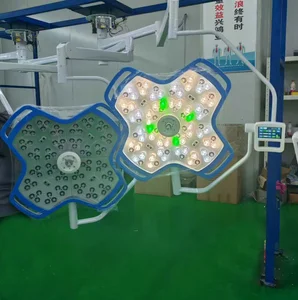
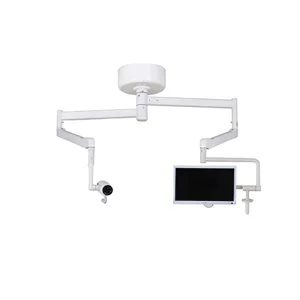
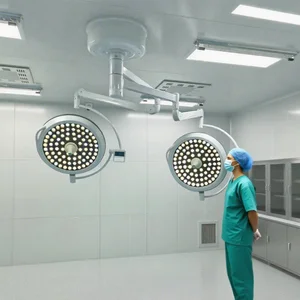
Key considerations for electrical installation, compliance framework, and preventative maintenance cycles.
Electrical systems in Ethiopia frequently experience voltage fluctuations and power outages. Installing high-sensitivity medical equipment without protection can lead to control circuit damage.
To address this, all medical lighting systems supplied to the Ethiopian market should be paired with double-conversion online Uninterruptible Power Supplies (UPS) and automatic voltage regulators (AVR). Our drivers operate across a wide input voltage range (typically 90V-260V AC) to absorb voltage swings and prevent interruptions during procedures.
Modern surgical theaters utilize laminar flow ventilation to prevent airborne pathogens from entering sterile fields. The physical design of a ceiling-mounted light dome must minimize turbulence.
Bluu Light systems feature an aerodynamic, open-petal, or low-profile dome design that allows sterile air to flow around the unit. This helps maintain clean air currents over the surgical site and supports infection control protocols in operating rooms.
To import medical electrical appliances into Ethiopia, suppliers must provide CE certifications and corresponding test reports under standard IEC 60601-1 (electrical safety) and IEC 60601-2-41 (specific requirements for surgical luminaires). Ensure all documentation is compiled in English to facilitate clearance through the Ethiopian Customs Commission.
Common questions from biomedical engineers, procurement specialists, and hospital designers regarding medical lighting solutions in Ethiopia.
Whether you are planning a new hospital project, retrofitting older operating rooms, or sourcing replacement lighting systems, our engineering team can help. Contact us for custom designs, pricing, and tender support.
 Bluu Light