AS/NZS Standards compliant commercial products optimized for the Queensland regulatory landscape
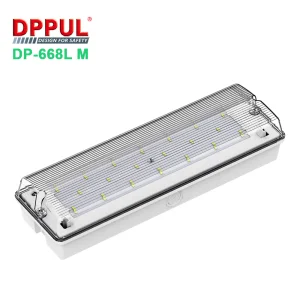
Understanding local building code requirements is crucial in Southeast Queensland. Emergency and exit lighting systems must operate seamlessly under AS/NZS 2293 standards to guarantee occupants' safety during high-stress building evacuations.
With infrastructure investments surging across Brisbane, from the CBD towers to outer logistics zones like Yatala, Rocklea, and Pinkenba, the demand for compliant, heavy-duty smart emergency fixtures has hit an unprecedented peak.
Modern sustainability objectives are driving global markets from legacy fluorescent or toxic chemical nickel-cadmium backup batteries to environmentally safe, low-power-consumption, high-output LED and LiFePO4 battery architectures.
As Brisbane prepares for transformative multi-billion-dollar development and the upcoming 2032 Olympic Games infrastructure wave, commercial safety systems are undergoing a quiet evolution. Traditional emergency luminaire systems designed with manual testing constraints are no longer viable for modern property managers looking to maintain complex high-rise facilities or heavy industrial zones.
Partnering directly with a leading-edge OEM/ODM factory like Guangzhou Bluu Light Co., Ltd. allows electrical wholesale networks, system integrators, and builders in the Brisbane market to access premium, laboratory-certified components at source pricing, overcoming rising local distributor costs without compromising compliance.
By leveraging direct Chinese manufacturing capabilities, stakeholders secure access to superior LiFePO4 battery modules, intelligent DALI monitoring circuitry, and high-performance lens arrays custom-engineered to meet strict AS/NZS 2293.3 regulatory benchmarks.
In Southeast Queensland, emergency lighting systems are governed rigidly by the National Construction Code (NCC) and Australian Standards AS/NZS 2293.1:2018. This code specifies critical metrics for design, installation, commissioning, and continuous monitoring. Brisbane's specific climate conditions, characterized by humid subtropical summers and heavy storm seasons, require hardware that can endure high moisture levels and temperature volatility. Commercial facilities—including logistics centers, public structures, educational campuses, and medical institutions—cannot afford standard, low-grade emergency fixtures prone to premature component failure.
Furthermore, Queensland's regulatory authorities mandate systematic testing intervals. Facility owners must run emergency lighting discharge tests for at least 90 minutes every six months. Manual testing in high-rise complexes like those in Queen’s Wharf or large-footprint warehouses in Pinkenba and Yatala is slow and expensive. Therefore, the Brisbane market is shifting rapidly towards smart self-testing emergency lights and central testing systems. These technologies decrease operational expenses by running diagnostic sweeps automatically and transmitting reports directly to the building manager's interface.
Globally, the industry is transitioning away from older Ni-Cd (Nickel-Cadmium) and Ni-MH (Nickel-Metal Hydride) systems due to environmental concerns, disposal difficulties, and shorter lifespans. Modern systems prioritize Lithium Iron Phosphate (LiFePO4) batteries. These cells offer up to double the service life of traditional options, running efficiently for 8-10 years and supporting thousands of charge-discharge cycles. This longevity reduces direct maintenance fees and decreases long-term building waste, assisting organizations in meeting their Scope 3 ESG (Environmental, Social, and Governance) targets.
Additionally, modern emergency lights are no longer isolated backup elements. IoT-enabled drivers allow emergency lights to connect directly with the building management system (BMS). Using protocols like DALI-2 (Digital Addressable Lighting Interface) or wireless mesh systems, these fittings communicate battery state, LED health, and charging anomalies in real-time, enabling proactive, predictive building maintenance.
As a global hub for optoelectronics and electronics design, Guangzhou provides a highly integrated industrial supply chain. Guangzhou Bluu Light Co., Ltd. leverages this ecosystem to deliver custom emergency lighting products. Our facilities handle the entire process from circuit board SMT (Surface Mount Technology) assembly and heat sink design to photometric testing in specialized integrating spheres.
By bypassing multiple layers of intermediaries, we supply Brisbane commercial projects with certified, high-grade solutions at competitive price points. Our direct-from-factory structure ensures strict quality control at every stage, providing the reliable traceability required by Australian building safety compliance systems.
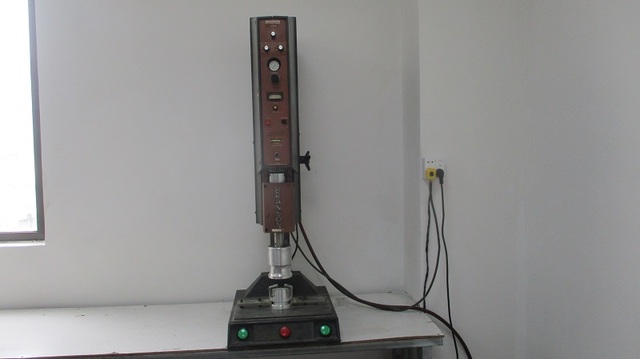
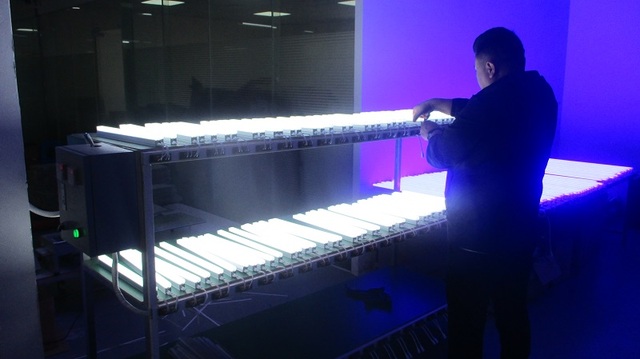
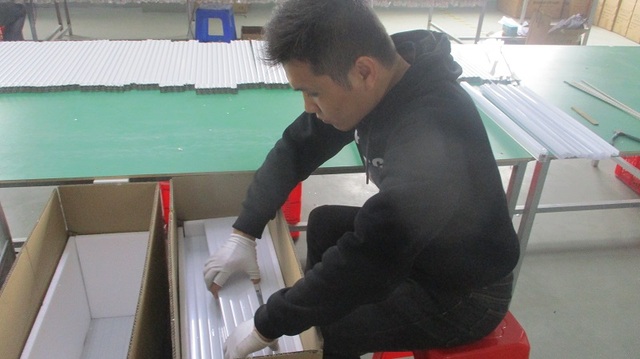
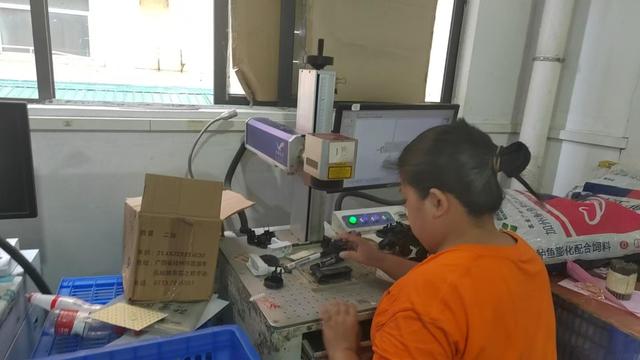
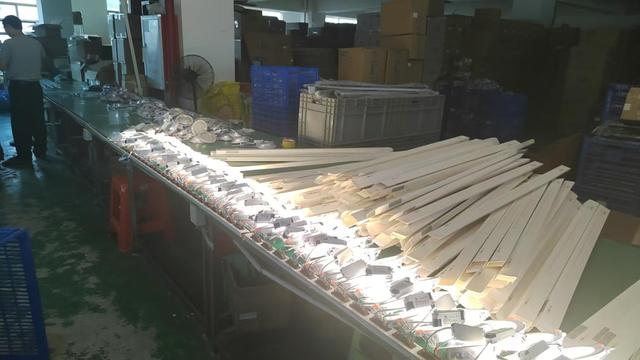
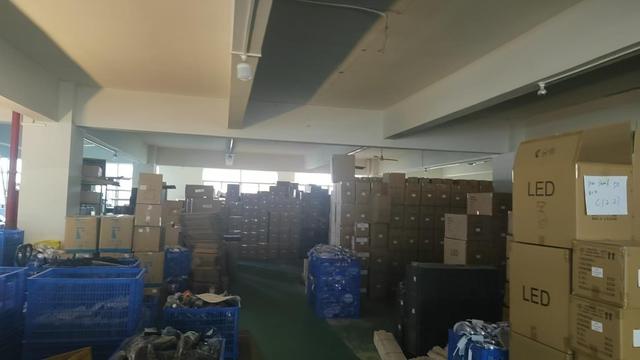
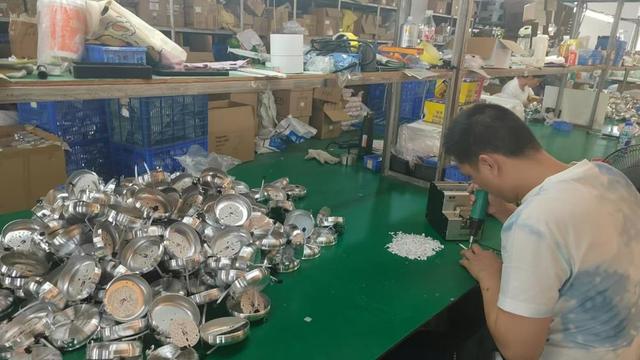
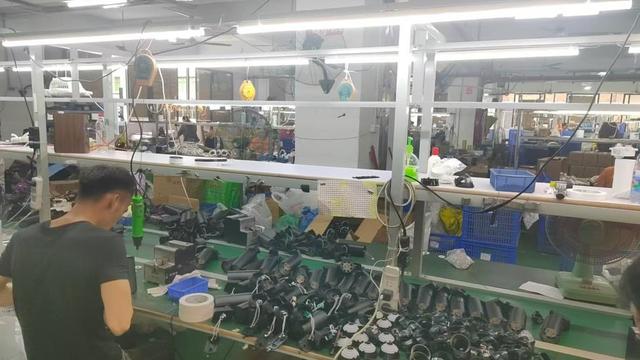
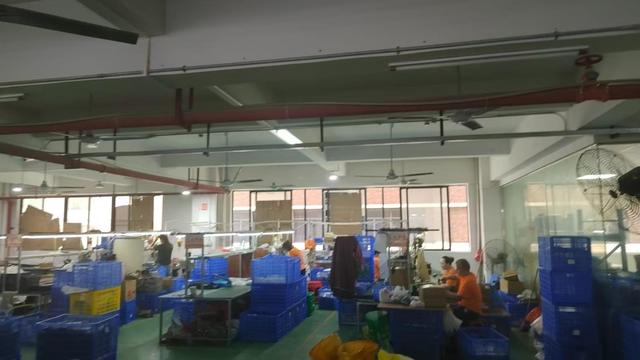
Inside Guangzhou Bluu Light Co., Ltd.'s manufacturing facility
Take a look inside our cleanroom SMT production floors, temperature-regulated aging rooms, and custom testing equipment ensuring every AS/NZS-bound fixture meets target specs before shipping.
Selecting the right emergency lighting system depends heavily on the installation environment. Below are typical applications across Brisbane's commercial and industrial spaces:
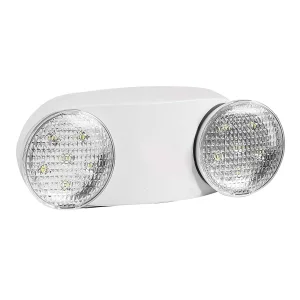
In high-density commercial towers and residential complexes, aesthetics are as important as safety. Recessed emergency spotlights (spitfires) and slimline LED exit signs blend into drywall ceilings while complying with the strict fire isolation requirements of the NCC. These systems rely on smart central monitoring networks, allowing electrical contractors to test the entire complex from a single interface, minimizing disruption to tenants.
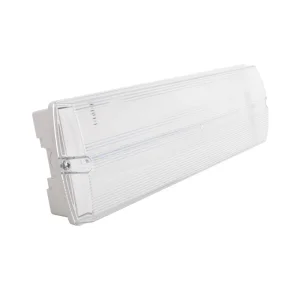
Logistics depots and cold chain warehouses require durable emergency fittings. Standard plastic casings can crack or degrade in cold conditions. These spaces need IP65-rated waterproof bulkhead fixtures and heavy-duty polycarbonate or die-cast aluminum housings. Our high-bay emergency setups are designed for mounting heights of 10-15 meters, distributing high-output light to ensure clear, safe evacuation pathways down long warehouse aisles.
Semi-outdoor spaces and loading bays face moisture, dust, and temperature shifts. Standard indoor fixtures can suffer premature failure in these areas. Standard practice calls for IP66-rated vapor-proof emergency battens equipped with corridor-mode motion sensors. These units operate at low energy levels during inactive hours and switch instantly to full brightness during power outages, ensuring safety and efficiency.
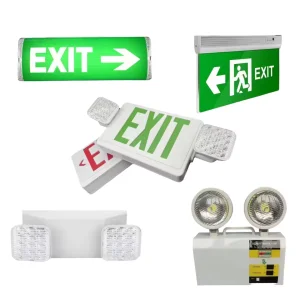
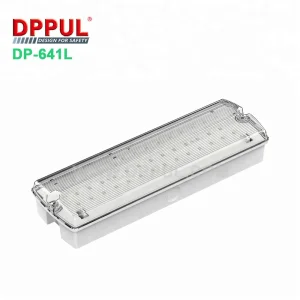
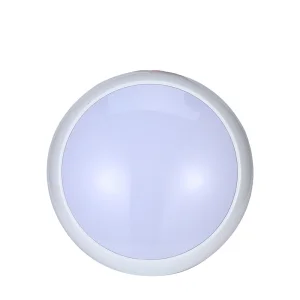
Full technical lineup of emergency, exit, and conversion kit solutions
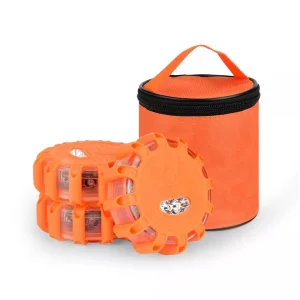
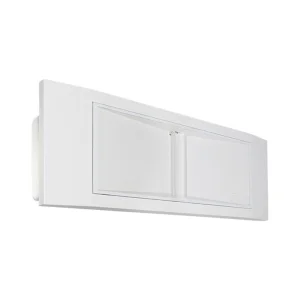
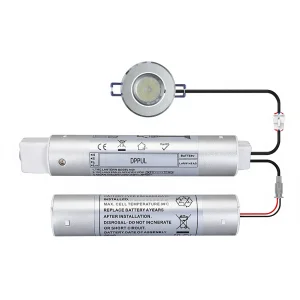
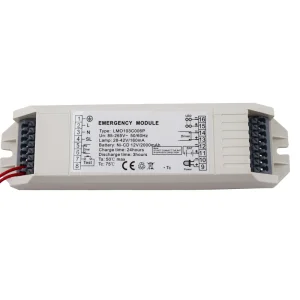
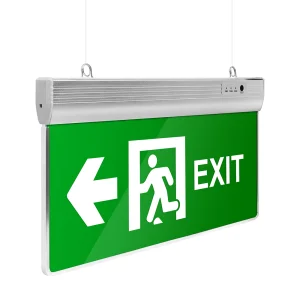
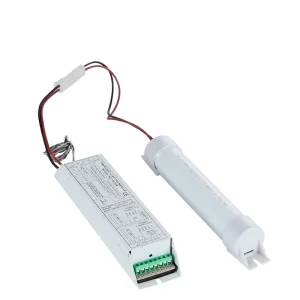
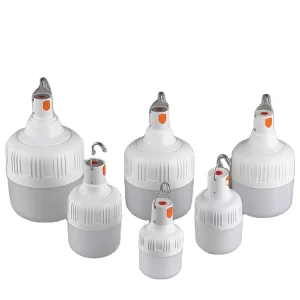
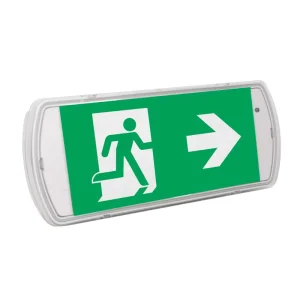
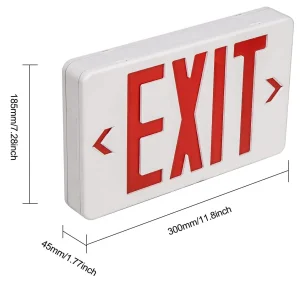
Purchasing emergency lighting systems requires balancing budgetary targets with safety compliance. We recommend evaluating manufacturers based on the following key metrics:
Confirm the manufacturer uses grade-A LiFePO4 cells. Ensure the battery management system (BMS) includes built-in thermal protection to prevent thermal runaway in high-temperature environments.
A reliable supplier should provide .IES or .LDT files for their entire range. These files allow engineering teams to map building designs accurately using software like Dialux, ensuring the layout meets minimum lux guidelines.
The driver is often the first component to fail in emergency systems. Look for drivers with a power factor (PF) above 0.9 and built-in surge protection to withstand grid fluctuations.
Ensure the supplier provides SAA, CE, and RCM certification reports. All compliance documentation should match the specific models shipped, preventing delays with building inspectors.
Essential compliance and procurement queries answered by our engineering team
Contact our technical engineering team today. We provide photometrical evaluations, custom manufacturing options, and complete compliance documentation for distributors and construction projects in Brisbane.
 Bluu Light