Discover our lead product range selected to meet the exact engineering and environmental demands of Kansai’s commercial structures.
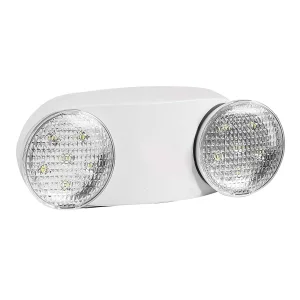
Dual adjustable lamp heads with high lumen output, designed for quick installation in retail corridors and multi-story parking structures.
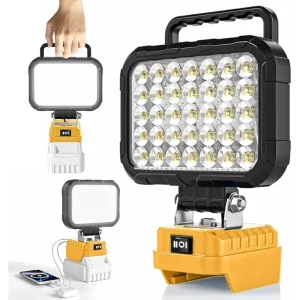
A rugged outdoor-ready portable lighting solution with adjustable brackets, tailored for logistics docks and maritime staging zones.
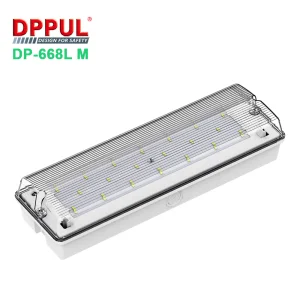
Professional-grade Class 1 protection emergency bulkhead and exit indicator system, ideal for transit depots and corporate headquarters.
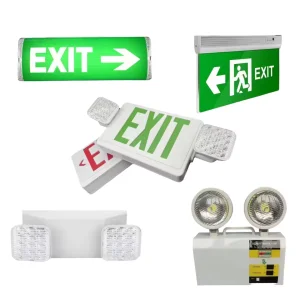
High-brightness safety lighting incorporating advanced thermoregulation, designed to sustain prolonged egress pathway illumination.
Osaka is the economic engine of the Kansai region, hosting deep-water ports, sprawling underground shopping districts (such as the Umeda Underground Mall network), and major industrial hubs like the Sakai-Senboku coastal petrochemical complex. Developing emergency lighting solutions for this specific market requires a deep understanding of Japanese national security directives, specifically the Fire Service Act (消防法) and the Building Standards Act (建築基準法).
Given the city's geographical proximity to the Nankai Trough subduction zone, seismic resilience is built into every tier of urban planning. Emergency luminaires cannot merely function under normal power loss events; they must withstand intense structural vibrations, power fluctuations, and potential moisture ingress from tsunami or firefighting operations. This demands high-durability housing, reliable mechanical anchorage systems, and autonomous battery architectures that guarantee execution when grid failure occurs.
Furthermore, as Osaka prepares for major international developments, including the upcoming Expo sites and new integrated resorts (IR) on Yumeshima, international compliance codes like UL and IEC are increasingly paired with Japanese Industrial Standards (JIS). The demand for high-reliability emergency systems has shifted from simple illuminated indicators to smart, decentralized systems that interface with central building automation protocols.
On a global scale, the emergency lighting industry is undergoing a structural transition driven by the convergence of solid-state LED efficiency, advanced chemical battery storage, and IoT connectivity. Old fluorescent ballast emergency packages are rapidly being phased out due to mercury regulations, short backup lifespans, and high power profiles. The modern standard centers on high-efficacy, low-wattage LED systems that achieve double the illumination with a fraction of the energy consumption.
This technical evolution is also reshaping building management. Internationally, standards such as IEC 60598-2-22 and NFPA 101 mandate systematic testing and reporting. Historically, this meant manual inspections by facility engineers. Today, modern industrial installations utilize automated self-testing (AST) luminaires that perform automated diagnostics on batteries and LED arrays, compiling fault logs via wireless networks to reduce human labor overhead and maintain strict compliance with safety regulators.
From an environmental standpoint, the global shift toward decarbonization has placed immense pressure on OEMs to design products using sustainable materials. The replacement of nickel-cadmium (Ni-Cd) batteries with lithium iron phosphate (LiFePO4) chemistry represents a major leap in thermal stability, operational cycle life, and environmental safety, aligning perfectly with carbon-neutral frameworks championed by cities like Osaka.
Our standard manufacturing benchmarks designed for robust performance in municipal and heavy industrial applications.
Applying emergency lighting in Osaka requires addressing distinct structural typologies:
Underground commercial spaces like Whity Umeda and Namba Walk require exit signs with exceptional visibility to overcome smoke stratification. In these subterranean environments, escape routes are long and complex. Egress lighting must deliver high contrast, zero-flicker illumination, and integrate seamlessly with acoustic emergency systems to guide crowds during seismic events or blackouts.
The Osaka Port zone features vast automated logistics centers exposed to high salt-spray humidity and fluctuating seasonal temperatures. Emergency lighting in these facilities requires robust IP65 or IP66 ingress protection, corrosion-resistant housings (such as high-impact polycarbonate or marine-grade aluminum), and wide-area beam optics to illuminate tall rack aisles from ceiling heights exceeding 12 meters.
Cleanrooms and semiconductor assembly plants in Osaka's outer ring require specialized lighting that produces zero electromagnetic interference (EMI) and resists chemical cleaning agents. Here, sealed bulkhead fixtures with specialized gaskets prevent dust accumulation while providing the required light uniformity for rapid, safe egress during automated line shutdowns.
The future of emergency lighting is defined by integration and intelligence. Manufacturers serving high-barrier markets like Japan are advancing along a strategic technology roadmap:
Luminaires are no longer isolated units. Modern nodes feature Zigbee, Thread, or Bluetooth Mesh communication chips. This enables the lighting array to form a self-healing communication grid. In an evacuation scenario, dynamic pathway signs can receive real-time data from fire detection systems, changing the direction of the exit arrows to steer occupants away from hazard zones.
While self-contained battery units remain standard for retrofits due to lower upfront installation costs, new large-scale developments in Umeda and Yumeshima increasingly favor Central Battery Systems. A centralized layout concentrates battery storage and maintenance in a single fireproof room, utilizing smart sub-circuits to deliver emergency AC/DC power. This dramatically reduces maintenance costs over a 10-year building lifecycle.
As smart buildings embrace low-voltage DC grids, PoE emergency solutions are moving from experimental concepts to reality. By delivering power and network control over a single Cat6 cable, building operators gain granular monitoring of every single luminaire, simplifying commissioning and meeting smart city goals.
Engineered to perform in environments where dust, moisture, and high temperatures demand rugged construction and reliable electronics.
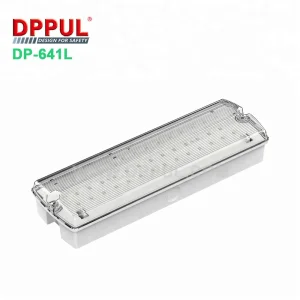
Heavy-duty 7W bulkhead light rated IP65 with 41 high-brightness LEDs, designed for manufacturing environments exposed to moisture and debris.
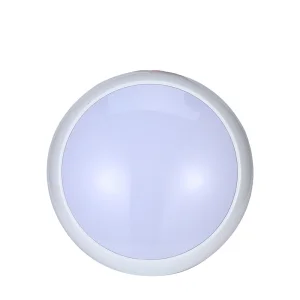
IP66-rated moisture-resistant ceiling luminaire offering a 3-hour battery backup. Perfect for loading bays, chemical plants, and outdoor walk paths.
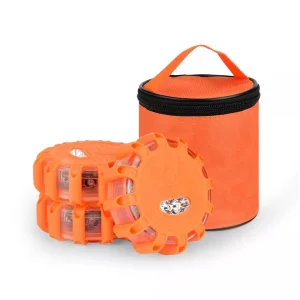
Flameless rechargeable hazard beacon with strong magnetic base, vital for municipal transit maintenance vehicles and roadside assistance.
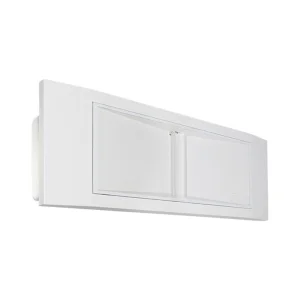
Low-profile 11W recessed luminaire providing 6 hours of continuous runtime. Designed for seamless integration into executive ceilings.
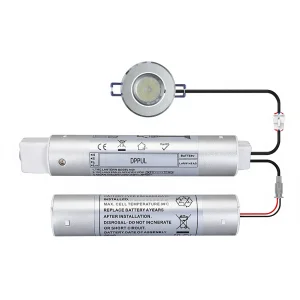
Compact emergency converter kit with a high-capacity rechargeable battery pack, enabling standard ceiling downlights to function during power loss.
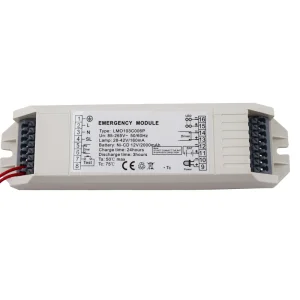
Universal modular conversion power pack designed to adapt exit signage and panels to long-duration rechargeable battery back-up loops.
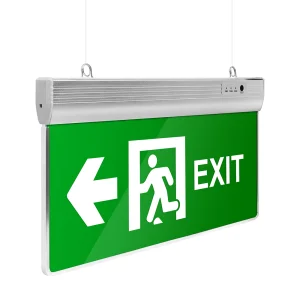
Dedicated fire safety emergency exit sign featuring high-contrast green running man iconography and internal battery pack for escape corridor mounting.
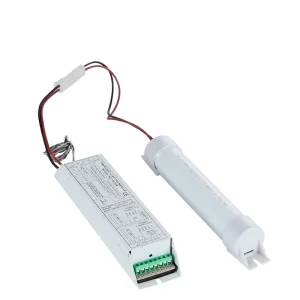
Heavy-duty module designed to supply emergency backup power to T8 fluorescent or retrofitted LED linear tube assemblies in industrial corridors.
Guangzhou Bluu Light Co., Ltd. is a professional Commercial LED Lighting Manufacturer specializing in smart lighting solutions for retail, office, industrial, and commercial environments. Based in Guangzhou, China, the company focuses on the development, manufacturing, and supply of energy-efficient LED lighting systems designed to improve illumination quality, operational efficiency, and sustainability across a wide range of applications.
With a strong commitment to innovation and performance, Bluu Light offers comprehensive lighting solutions for commercial buildings, office spaces, retail stores, warehouses, industrial facilities, hospitality venues, educational institutions, healthcare environments, and outdoor infrastructure projects. The company integrates advanced LED technology with intelligent lighting controls to help customers optimize energy consumption, enhance visual comfort, and reduce long-term operating costs.
Bluu Light emphasizes product reliability, engineering expertise, and project-oriented customization. Its experienced technical team works closely with clients, architects, contractors, and distributors to develop lighting solutions that meet specific project requirements, industry standards, and environmental objectives. From lighting design consultation and product selection to manufacturing and project support, the company provides end-to-end services for diverse commercial lighting applications.
Equipped with modern production facilities and rigorous quality management systems, Bluu Light maintains strict control throughout the manufacturing process to ensure consistent product performance and durability. The company continually invests in research and development to advance smart lighting technologies, energy-saving innovations, and intelligent control systems that support the evolving needs of global markets.
Serving customers across North America, Europe, Asia, the Middle East, South America, and other international regions, Guangzhou Bluu Light Co., Ltd. is dedicated to delivering reliable commercial LED lighting solutions that combine efficiency, functionality, and long-term value for modern businesses and infrastructure projects worldwide.
As a global OEM/ODM manufacturer, Bluu Light structures its production processes around the highest compliance benchmarks. Standard products utilize flame-retardant ABS or high-impact polycarbonate materials alongside precision electrical components. Batteries are subjected to strict temperature cycling and aging tests to verify capacity retention, ensuring they meet or exceed standard requirements under emergency situations.
We work in alignment with engineering firms in the Kansai region to ensure our products fit localized project parameters. This includes customizing driver topologies for dual-voltage capability (100V-240V, 50/60Hz) which is critical for compatibility across Japan's unique split-frequency national grid. By manufacturing with strict component-level control, we ensure our global partners receive highly reliable systems that pass strict local inspections.
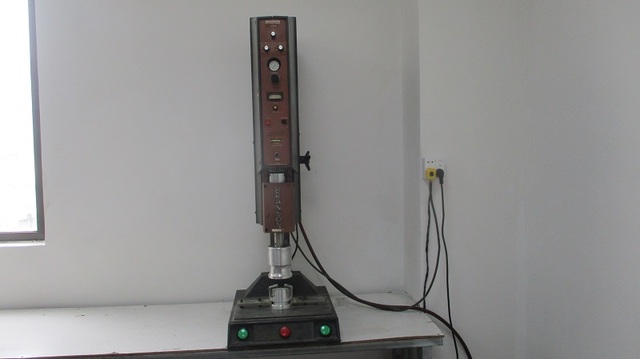
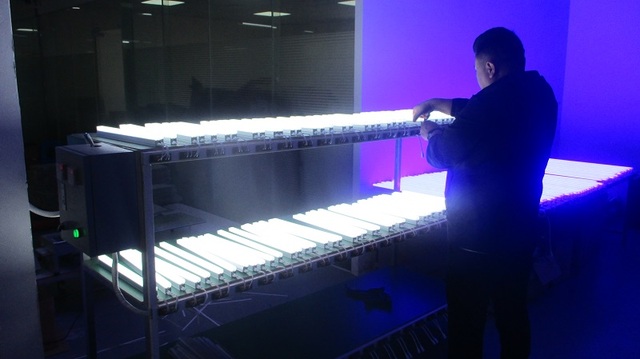
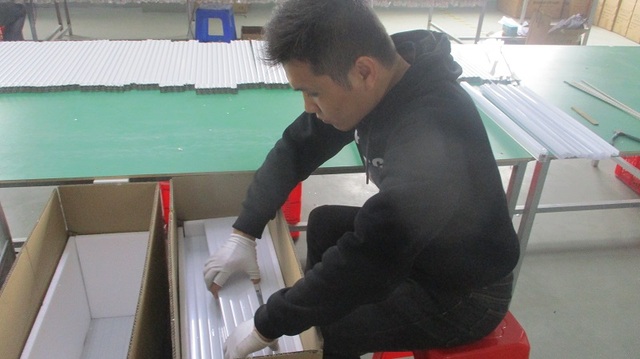
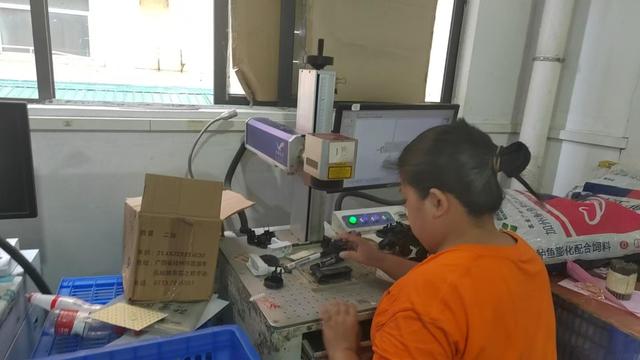
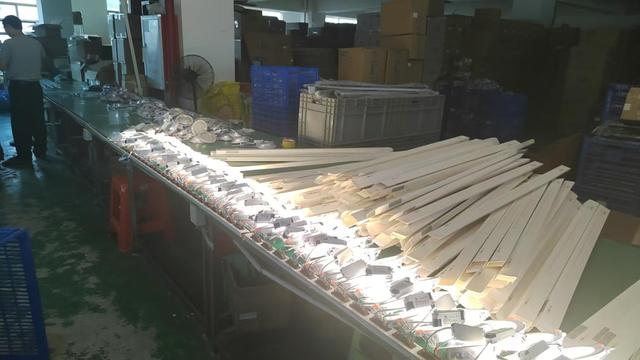
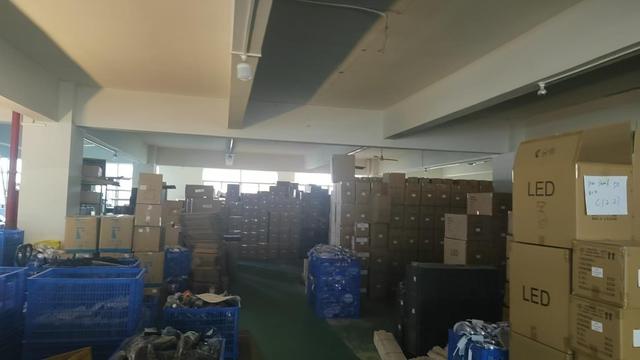
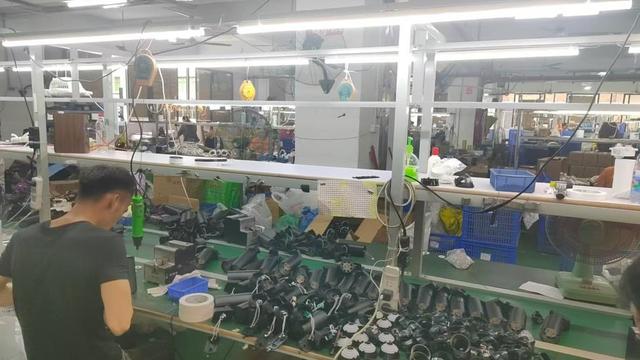
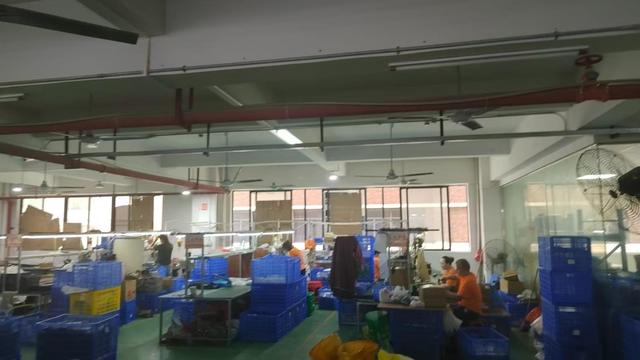
To view our state-of-the-art manufacturing facilities, cleanrooms, and testing laborites, please review the gallery below showing our key production and QA departments.

Designed for seamless physical integration and high-aesthetic commercial developments across Osaka metro districts.
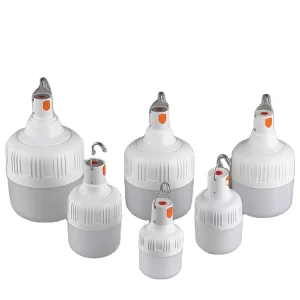
Durable AC/DC hybrid bulb functioning as a standard lamp during normal conditions, converting immediately to internal battery power if the circuit trips.
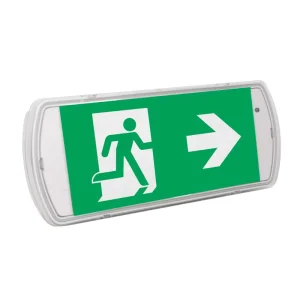
Wall recessed mounting rechargeable LED exit sign with IP65 ingress protection, perfect for architectural egress tunnels and stairwells.
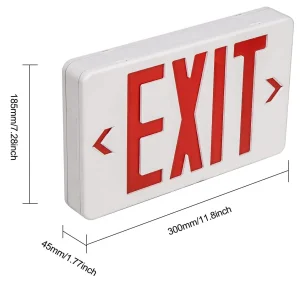
Premium, high-contrast escape path sign with multiple ceiling, wall, and suspension mounting arrangements for dynamic terminal buildings.
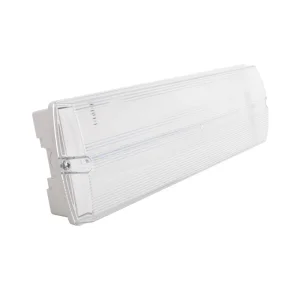
High-grade polycarbonate exit indicator rated IP65 with internal rechargeable lithium batteries, guaranteeing a minimum of 3 hours runtime.
Answers to structural engineering, compliance, and import queries for procurement departments in Osaka.
Yes. Our emergency exit signs and bulkhead luminaires can be manufactured and programmed to align with Japan's Fire Service Act (消防法) and Building Standards Act guidelines. This includes incorporating backup emergency durations of 20 minutes (standard egress) or 60 minutes (complex underground malls or large scale high-rises) as specified by municipal regulations. We work closely with Kansai project engineers to adjust lumen output levels to ensure the required 1 lux minimum along egress corridors.
We prioritize Lithium Iron Phosphate (LiFePO4) and advanced Ni-MH batteries in our high-end lines. LiFePO4 chemistry is chemically stable and resistant to thermal runaway even under mechanical deformation. This provides a crucial layer of passive safety during earthquake events where buildings may suffer physical shock or electrical power surges.
Japan operates on a split-frequency grid: Eastern Japan runs on 50Hz, while Western Japan (including Osaka and the rest of the Kansai region) operates on 60Hz at 100V/200V. Our power supplies and charging circuits are specifically designed as wide-input switch-mode power supplies (SMPS) compatible with 100V-240V AC at both 50Hz and 60Hz. This ensures stable charging characteristics regardless of local grid parameters.
Yes, our factory has a robust OEM/ODM engineering division. We offer custom housing molds, customized color matchings (such as architectural white or matte black), and silkscreened exit sign plates featuring standard Japanese green running-man icons or dual-language layouts (Japanese & English) to meet international hospitality projects in the Namba and Umeda districts.
All our manufacturing operations are ISO 9001 certified. Each batch of emergency lights undergoes rigorous quality assurance steps: a 100% burn-in test, high-voltage insulation tests, automated battery charge-discharge capacity checks, and IP-grade verification tests. We provide full traceability documentation and batch test certificates upon request to meet the strict quality expectations of Japanese engineering firms.
Whether you are designing a high-rise office complex, an industrial cleanroom, or retrofitting a transit hub in the Osaka area, we provide compliant, high-reliability emergency lighting solutions to suit your design parameters.
 Bluu Light