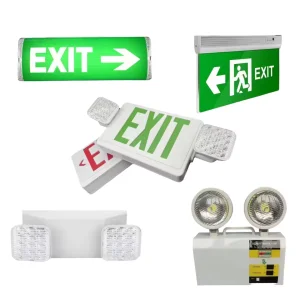
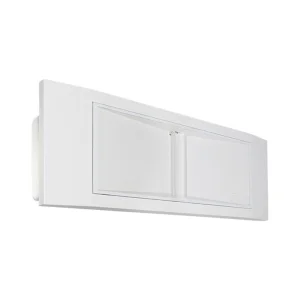
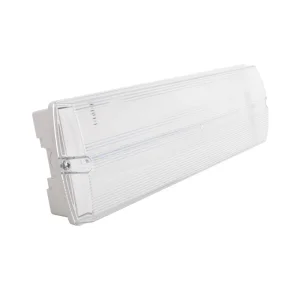
High-performance emergency light products engineered to comply with strict European fire safety regulations and Ireland project installations.
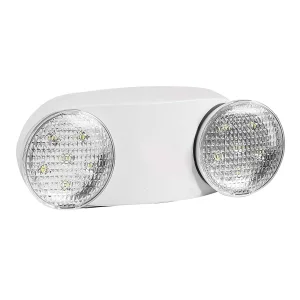
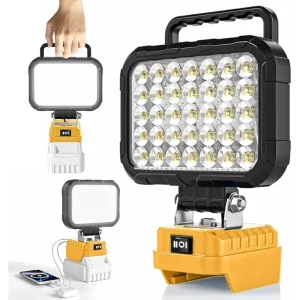
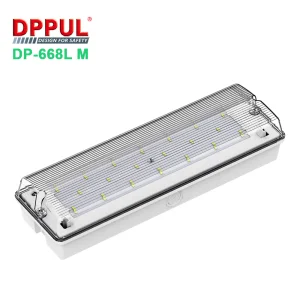
In the Republic of Ireland, emergency lighting is not merely a structural afterthought; it is a vital, legally mandated component of building life safety systems. The regulatory framework is governed tightly by the National Standards Authority of Ireland (NSAI) through the landmark standard I.S. 3217:2013+A1:2017. This comprehensive code outlines the design, installation, commissioning, and ongoing maintenance of emergency lighting systems across commercial offices, multi-occupancy residential complexes, industrial facilities, and public sector developments.
As Ireland continues to establish itself as Europe's premier technology and biopharmaceutical hub, the demand for complex emergency lighting installations has surged. In particular, the rapid proliferation of high-density hyperscale data centers in Dublin, Kildare, and Meath, coupled with major pharmaceutical campuses in Cork and Galway, has shifted the architectural focus toward ultra-reliable, smart emergency lighting infrastructures. These facilities operate under strict zero-downtime tolerances and require specialized IP-rated emergency luminaires, high-capacity central battery systems, and automated self-testing capabilities that seamlessly integrate into wider Building Management Systems (BMS).
Manufacturers supplying the Irish market must move beyond generic global certifications to provide specific compliance assurances. Our product suites are engineered specifically to align with these demanding environments, delivering certified 3-hour battery backups, fire-retardant enclosures, and precision optics designed to meet the strict lux requirements dictated by Irish fire safety officers and building control authorities.
On a global scale, the emergency lighting industry is undergoing a structural transition fueled by the twin engines of carbon reduction mandates and IoT integration. The transition from legacy fluorescent and halogen lamps to high-efficacy LED luminaires is virtually complete, yielding significant energy savings during normal operation and reducing the physical size of internal battery reserves.
Currently, the frontier of technological development resides in battery chemistry and remote diagnostic networks. Traditional Nickel-Cadmium (Ni-Cd) batteries are rapidly being phased out globally due to EU RoHS directives and environmental hazards. They are being replaced by Lithium Iron Phosphate (LiFePO4) technology. LiFePO4 offers double the operational lifespan, superior thermal stability, lower self-discharge rates, and a significantly reduced environmental footprint.
Simultaneously, the integration of wireless addressable emergency lighting systems has redefined maintenance protocols. Rather than manually testing each individual fitting—an incredibly labor-intensive task in expansive logistics warehouses or multi-story commercial buildings—modern facilities utilize cloud-connected systems that automatically conduct weekly function tests and monthly/annual duration tests. The resulting diagnostic data is compiled into digital logs, satisfying statutory safety record-keeping requirements instantaneously.
Intelligent emergency fixtures designed for high-exposure environments, industrial operations, and architectural integration.
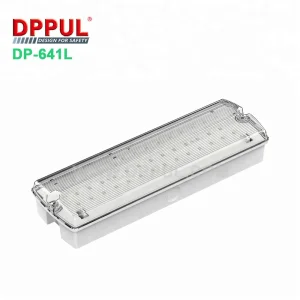
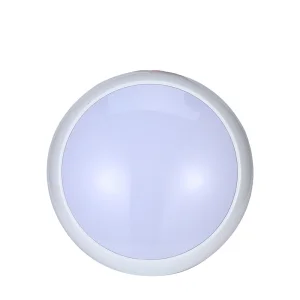
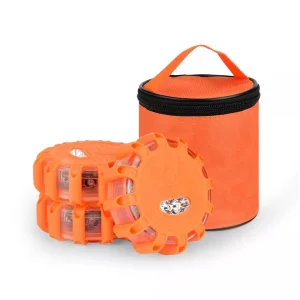
When executing electrical installations in Ireland, designers must specify systems that guarantee rapid activation and appropriate illuminance levels during a primary power failure. Here are the core specifications our manufacturing processes target to satisfy Irish engineering standards:
According to I.S. 3217, defined escape routes must achieve a minimum horizontal illuminance of 1 Lux along the center line of the route, and 0.5 Lux in the boundary zone. For open-area ("anti-panic") zones larger than 60 square meters, the floor space must receive at least 0.5 Lux of light to prevent disorientation and allow occupants to identify escape paths clearly.
All standard installations in Ireland demand a minimum backup operation of 3 hours. Following a full discharge, systems must be capable of recharging to nominal capacity within 24 hours to ensure building protection is restored quickly. Our intelligent LED drivers integrate dual-rate smart charging circuits to prolong battery life while maintaining these fast recovery cycles.
High uniformity of light distribution along escape pathways is essential to prevent pooling of light and dark patches, which can induce panic or lead to accidents. The ratio of maximum-to-minimum illuminance along the center line of the escape route must not exceed 40:1. Our products employ custom-engineered optical lenses that widen the beam angle, reducing the number of fixtures required per corridor and lowering capital cost.
Specifiers in Ireland must choose between two distinct structural technologies: Self-Contained (individual battery per luminaire) or Central Battery Systems (CBS). The table below highlights the trade-offs that guide this decision for modern industrial designs:
| Technical Metric | Self-Contained LED System | Central Battery System (CBS) |
|---|---|---|
| Initial Capital Expense | Lower initial investment; ideal for small-to-medium retail and offices. | Higher upfront equipment cost; requires dedicated battery room space. |
| Long-term Maintenance | Higher; individual battery replacement requires working at heights. | Very low; batteries are co-located in a central, accessible hub. |
| System Life Expectancy | 4 to 6 years for standard batteries; up to 10 years for LiFePO4. | 10 to 25 years utilizing robust industrial lead-acid or high-spec lithium. |
| System Robustness | High; localized failure does not compromise other emergency units. | Dependent on fire-rated cabling (FP200 Gold / MICC) to protect circuits. |
Guangzhou Bluu Light Co., Ltd. is a professional Commercial LED Lighting Manufacturer specializing in smart lighting solutions for retail, office, industrial, and commercial environments. Based in Guangzhou, China, the company focuses on the development, manufacturing, and supply of energy-efficient LED lighting systems designed to improve illumination quality, operational efficiency, and sustainability across a wide range of applications.
With a strong commitment to innovation and performance, Bluu Light offers comprehensive lighting solutions for commercial buildings, office spaces, retail stores, warehouses, industrial facilities, hospitality venues, educational institutions, healthcare environments, and outdoor infrastructure projects. The company integrates advanced LED technology with intelligent lighting controls to help customers optimize energy consumption, enhance visual comfort, and reduce long-term operating costs.
Bluu Light emphasizes product reliability, engineering expertise, and project-oriented customization. Its experienced technical team works closely with clients, architects, contractors, and distributors to develop lighting solutions that meet specific project requirements, industry standards, and environmental objectives. From lighting design consultation and product selection to manufacturing and project support, the company provides end-to-end services for diverse commercial lighting applications.
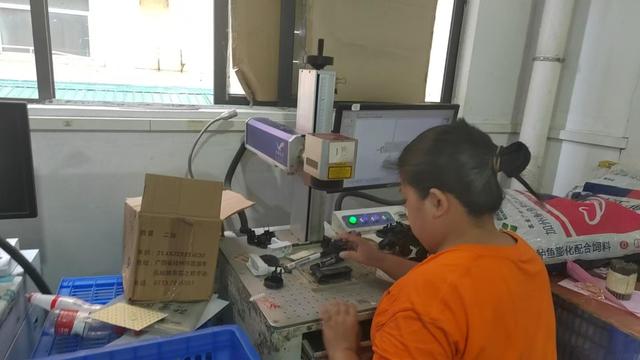
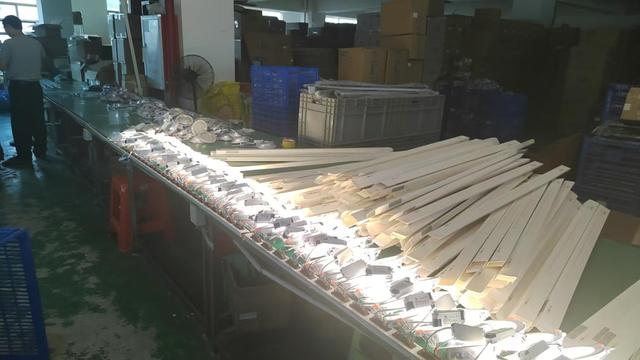
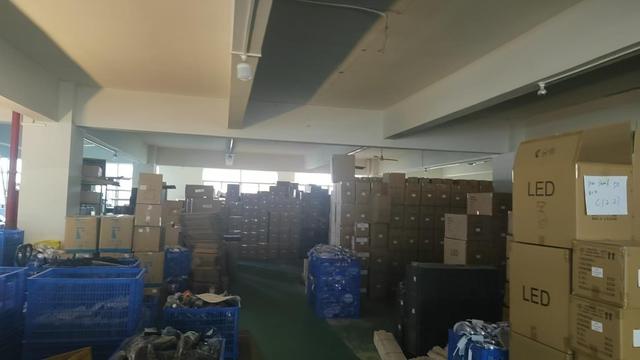
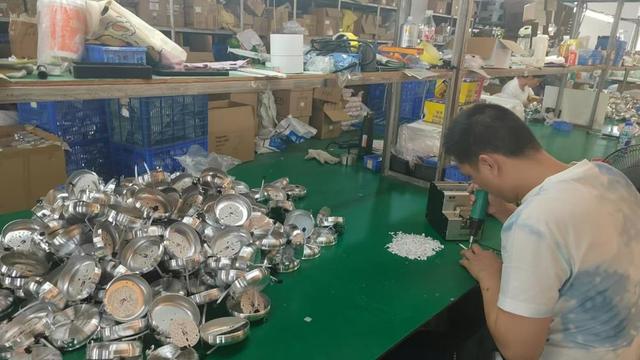
Equipped with modern production facilities and rigorous quality management systems, Bluu Light maintains strict control throughout the manufacturing process to ensure consistent product performance and durability. The company continually invests in research and development to advance smart lighting technologies, energy-saving innovations, and intelligent control systems that support the evolving needs of global markets.
Serving customers across North America, Europe, Asia, the Middle East, South America, and other international regions, Guangzhou Bluu Light Co., Ltd. is dedicated to delivering reliable commercial LED lighting solutions that combine efficiency, functionality, and long-term value for modern businesses and infrastructure projects worldwide.
We supply lighting projects globally, ensuring our systems comply with regional regulations. For Ireland, we work with local mechanical, electrical, and plumbing (MEP) engineers, wholesale distributors, and safety managers to deliver certified products.
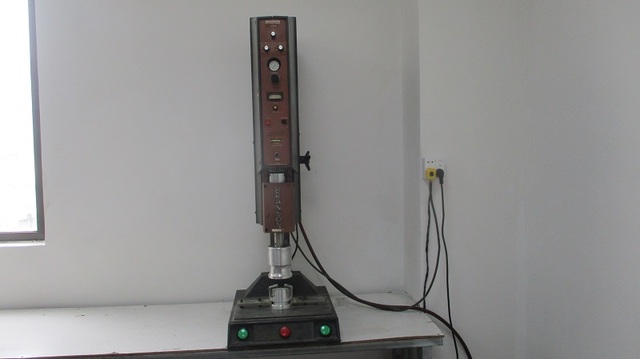
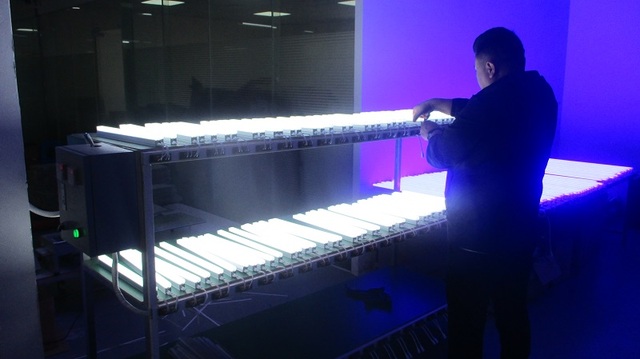
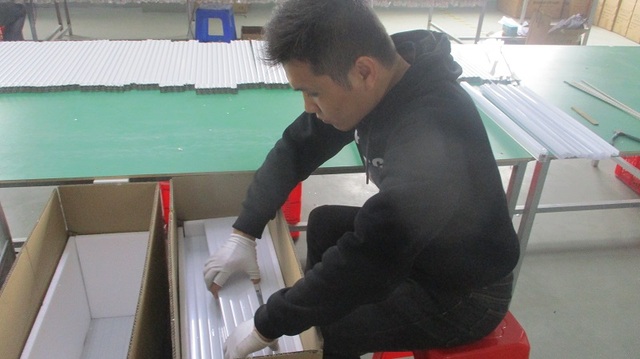
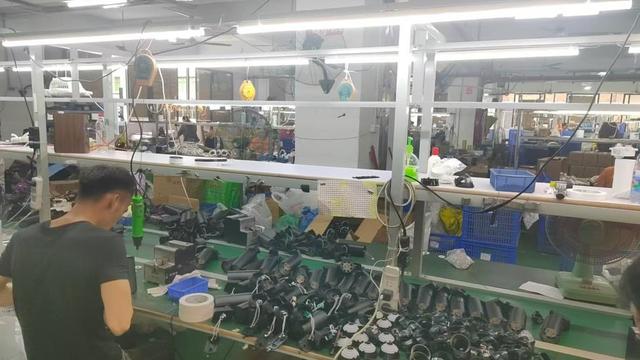
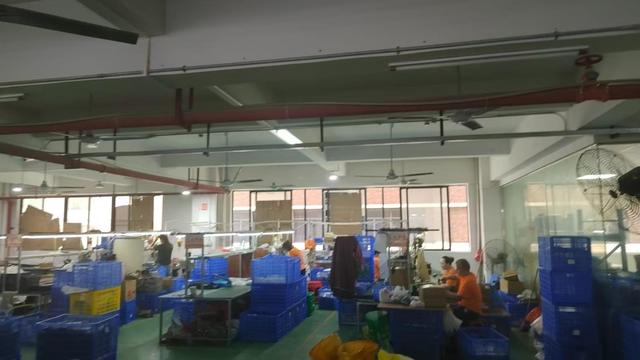
Explore our full line of industrial emergency conversion modules, backup power packs, and exit markers designed for Irish and European electrical distributors.
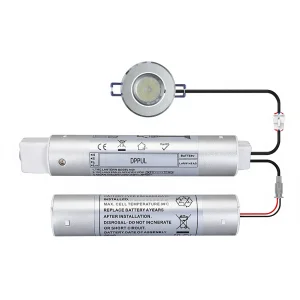
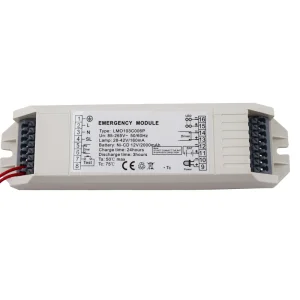
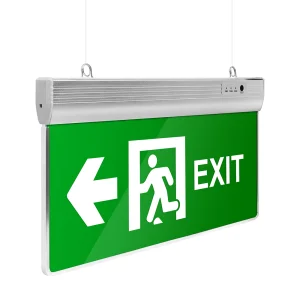
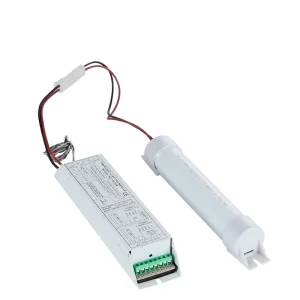
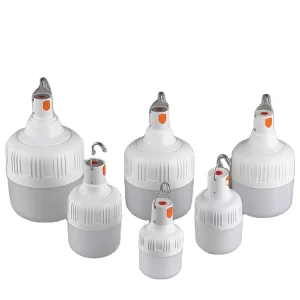
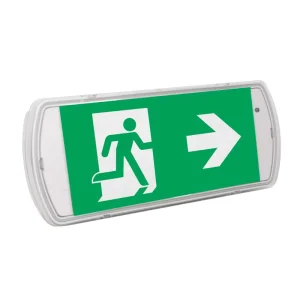
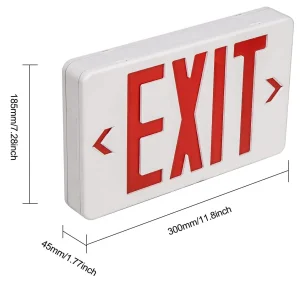
Whether you require standard 3-hour IP65 exit indicators, dynamic escape route lighting, or customized OEM emergency battery driver assemblies, our experienced engineering team is here to assist with design and compliance solutions.
Send Inquiry Now Bluu Light