Integrating advanced solid-state lighting technology with smart control protocols (LoRA, DMX512, DALI) to meet the extreme demands of historic preservation and heavy duty infrastructure operations.
Historic architectural lighting is a delicate interdisciplinary field positioned at the junction of structural preservation, heritage conservation science, and modern optical physics. Illuminating physical antiquities, UNESCO heritage sites, and monumental historic facades requires more than general commercial fixtures. It demands custom spectral power distributions, zero UV/IR radiation profiles, non-invasive mounting, and long-term mechanical reliability.
As a leading Chinese manufacturer, Guangzhou Bluu Light Co., Ltd. spearheads this transition by engineering custom LED luminaires designed specifically to honor original design intent while implementing state-of-the-art solid-state efficiency.
The primary concern in historic facade illumination is photobiological safety. Ultraviolet (UV) radiation (wavelengths below 400nm) and Infrared (IR) heat radiation (wavelengths above 780nm) accelerate the chemical degradation of porous materials, such as historic limestone, ancient timber structures, murals, and lime plasters. Traditional halogen or metal halide lamps produce high UV and heat output, resulting in micro-fracturing and yellowing of the substrate.
Bluu Light engineers custom LED fixtures with strictly managed spectral footprints. By utilizing premium, phosphor-converted high-power emitters, our products emit zero UV and minimize near-infrared radiant heat. Furthermore, our optical chambers employ low-temperature high-transmittance glass lenses, reducing convective heat transfer directly to the target surface.
Historic materials, ranging from hand-made bricks to ancient natural pigments, exhibit complex, rich reflectance curves. Traditional CRI (Ra) metrics often fail to capture red tones (R9). We optimize our historic building luminaires to satisfy both CRI Ra > 95 / R9 > 90 and the ANSI/IES TM-30-18 standards, aiming for a Fidelity Index (Rf) of over 95 and a Gamut Index (Rg) near 100. This guarantees that weathered timber, ancient stones, and classical copper domes retain their authentic visual character under artificial light.
The **Venice Charter for the Conservation and Restoration of Monuments and Sites** dictates that any modern intervention on historic structures must be reversible and minimize permanent damage. This principle directly impacts luminaire selection and mounting design. Bolting fixtures directly into ancient masonry or masonry mortar is frequently prohibited.
Guangzhou Bluu Light Co., Ltd. solves these physical challenges through custom installation engineering:
Guangzhou Bluu Light Co., Ltd. leverage the strength of the Southern China lighting cluster to provide high-performance, cost-effective, custom-engineered solutions for complex project requirements.
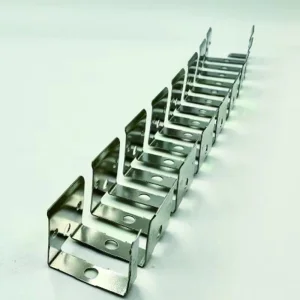
Our advanced machining centers fabricate bespoke brackets, shield deflectors, and custom finishes to match local stone, metal, and wood colors perfectly, rendering the fixtures invisible.
We utilize finite element analysis (FEA) to manage heat dissipation, ensuring thermal loads never threaten nearby historic substrates while maximizing diode lifespans.
Products are rigorously tested for UL, CE, RoHS, and FCC compliance, meeting stringent municipal safety guidelines and regional preservation rules across the globe.
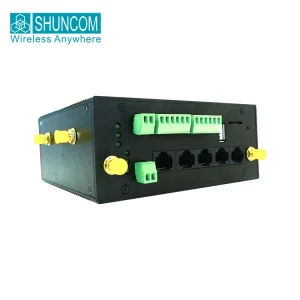
Modern architectural lighting designs for historic buildings require flexibility to adapt to seasonal celebrations, VIP visits, or standard nightly operations. Incorporating wired lighting networks can be structurally invasive. Bluu Light resolves this by integrating LoRA (Long Range) wireless control modules and DALI-2/DMX512 over wireless protocols, reducing physical cable runs by up to 80%.
This hybrid control allows operators to adjust individual fixture intensities, warm-to-cool CCT (Correlated Color Temperature) values, and dynamic lighting scenes dynamically. Additionally, integrated real-time diagnostics prevent unnecessary physical maintenance trips on fragile historical structures.
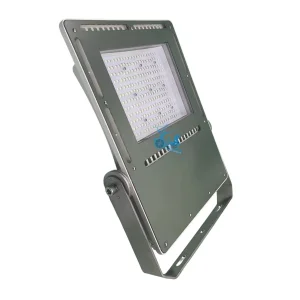
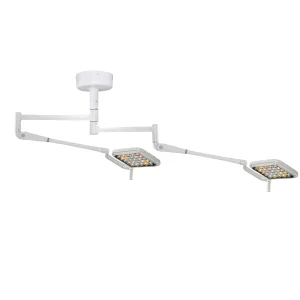
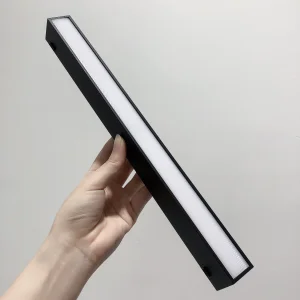
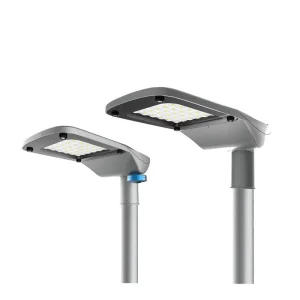
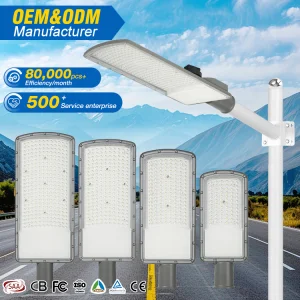
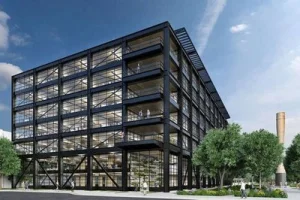
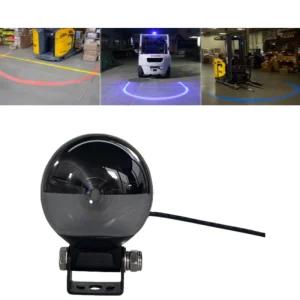
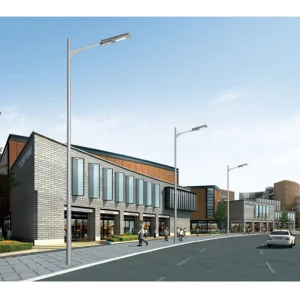
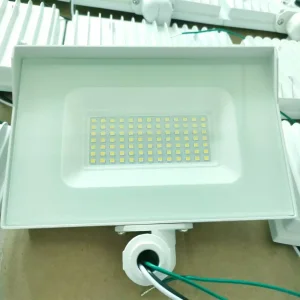
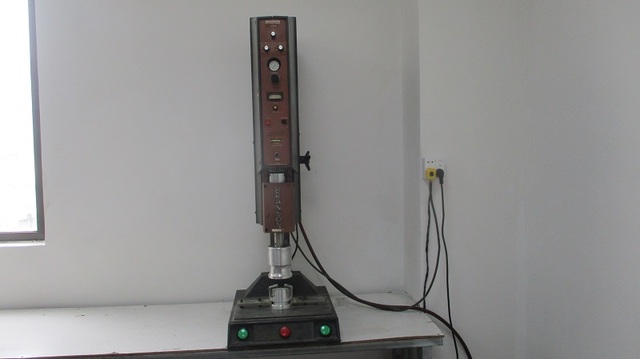
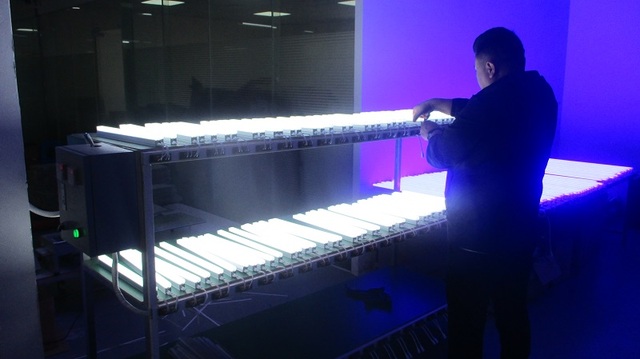
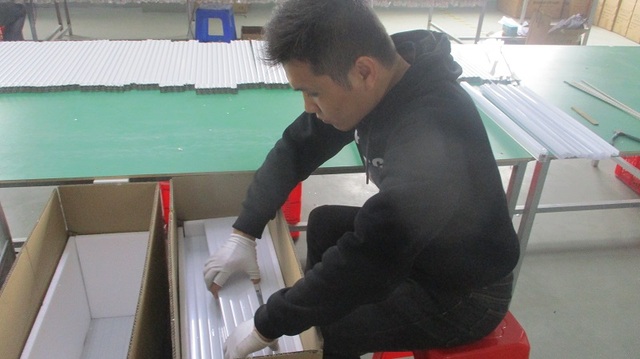
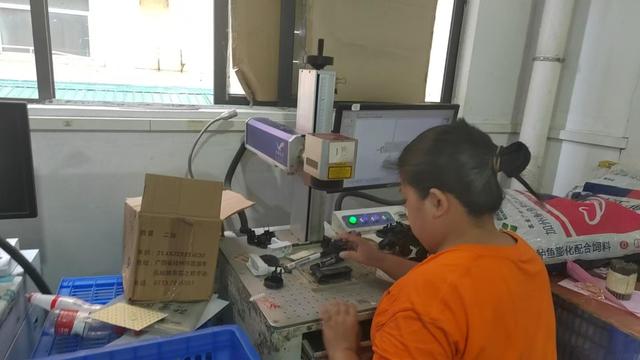
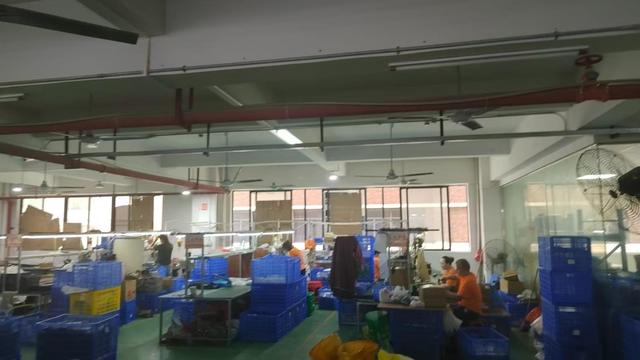
A visual showcase of Guangzhou Bluu Light Co., Ltd.'s product versatility, commercial strength, and global reach. We ensure high-transmittance optical performance, robust waterproofing, and precise structural housing across all applications.
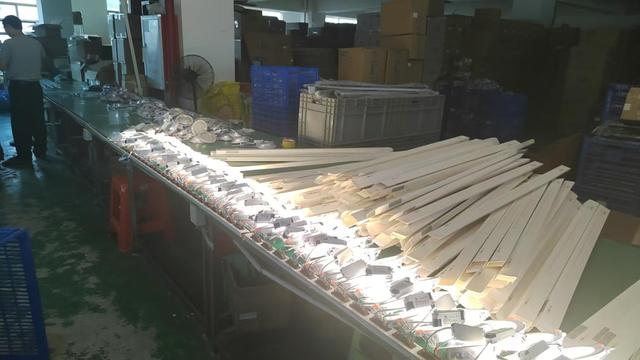
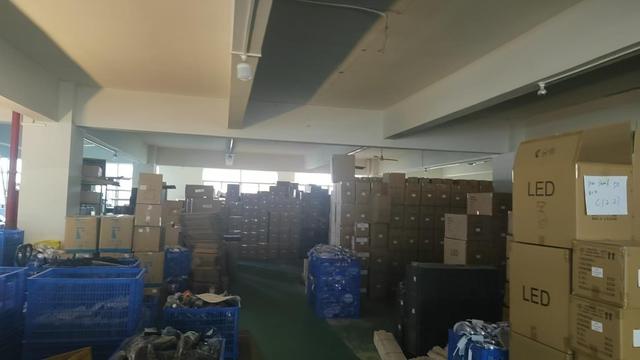
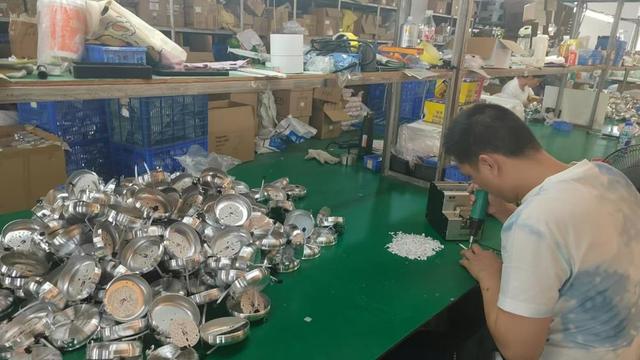
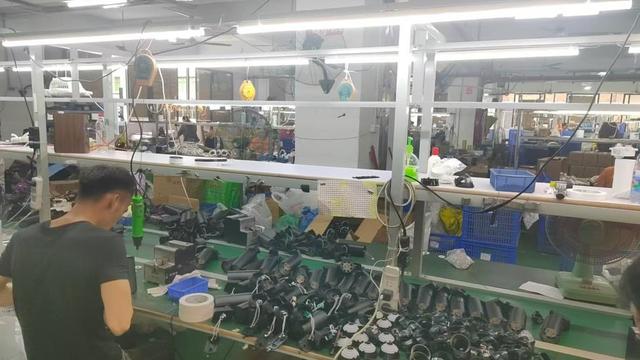
Two major trends shape the current landscape of historic illumination: Dynamic Warm Dimming and Dark-Sky Preservation. Historic edifices look best under different color temperatures depending on the season and time of night. Early evening benefits from warm, candle-like illumination (2200K - 2700K) to draw visitors, whereas late-night illumination may shift to lower intensities to reduce environmental light pollution.
Dark-Sky compliance is increasingly legally mandated in Europe and North America. Guangzhou Bluu Light incorporates precise cut-off shields, honeycomb louvers, and asymmetric optics to eliminate spill light. This directs 100% of the luminous flux onto the target building facade, preventing skyglow and keeping adjacent park systems or residential areas dark.
For municipal projects in international markets (North America, UK, Europe, Middle East), working with a Chinese manufacturer requires clear quality guarantees and smooth local coordination. Guangzhou Bluu Light Co., Ltd. addresses this through local engineering partners and thorough certification testing. Whether your jurisdiction requires ETL certification, CE standards, or strict fire-safety profiles for indoor installations, our production processes are designed to meet all standard compliance codes.
Our dedicated engineering department provides layout modeling (Dialux evo simulations) for local specifiers. This helps lighting designers, contractors, and architects preview illumination intensities, beam spreads, and glare ratings before manufacturing begins.
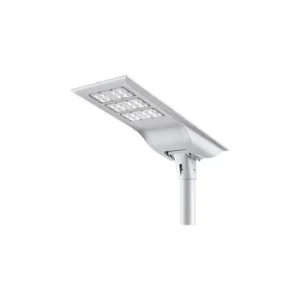
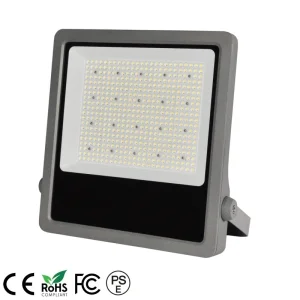
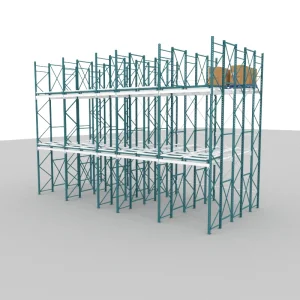
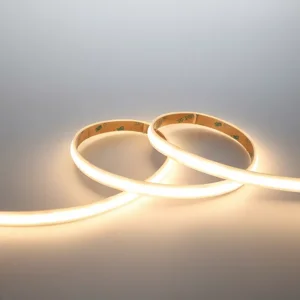
Discover our expanded product catalog, featuring heavy-duty industrial floodlights, smart solar fixtures, explosion-proof storage designs, and specialized commercial strip lighting.
Addressing key technical, regulatory, and mechanical questions for global procurement managers, heritage site architects, and system integration specialists.
Standard commercial LED lights often lack precise spectral tuning, leading to higher blue light emission, which can attract pests and visually alter historical pigments. They also typically feature bulky, invasive mounting brackets that require drilling directly into masonry, violating preservation standards. Specialized heritage lighting uses custom mounts, integrated optics, and TM-30-18 verified spectrum outputs to ensure the historical site is illuminated safely and authentically.
We design custom, non-penetrating mechanical mounting solutions, such as pressure clamps, magnetic brackets for iron structural parts, and heavy low-profile ground stands. These allow fixtures to be mounted securely using friction or structural counterweights, leaving the historic masonry completely undamaged. When the lighting system is removed, the building remains in its original state.
For red brick, volcanic stone, and weathered timber structures, warm correlated color temperatures (CCT) between 2200K and 2700K are highly recommended to bring out warm earth tones. For white marbles, granite, or classical neoclassical monuments, 3000K to 4000K can be selected to accentuate clean, stately profiles. By implementing Tunable White technology, our lights can transition dynamically across these ranges depending on the time of day and season.
By implementing wireless protocols like LoRA or wireless DMX512, we eliminate the need to run control cables across old, sensitive building sections. Installers only need to connect to existing power wiring. This drastically reduces labor costs, installation complexity, and structural risks while providing full capability for dynamic color dimming and scheduled scene changes.
Yes. We offer precise color-matching services for our fixture housings using RAL powder coatings or customized anodized finishes. This ensures that the physical luminaires blend in with limestone, brick, sandstone, or copper cladding, making the system virtually invisible to tourists during daytime hours.
Our products undergo extensive quality testing to secure CE, ETL, FCC, and RoHS certifications. We design fixtures to survive harsh outdoor environments, using marine-grade anodized aluminum (C5-M corrosion rating), IK10 impact protection, and IP66/IP67/IP68 ingress ratings to guarantee longevity under extreme weather conditions.
 Bluu Light