Premium intelligent luminaire components, controllers, and industrial fixtures engineered for modern urban landscapes, retail hubs, and critical infrastructure.
The rapid pace of global urbanization has created an unprecedented demand for resilient, sustainable, and intelligent infrastructure. In the heart of the modern smart city lies the connected lighting grid. No longer restricted to simple illumination, contemporary streetlights and municipal lighting fixtures have transformed into multi-functional IoT nodes. By integrating advanced LED luminaires with wireless communication protocols, sensor arrays, and predictive software, smart lighting solutions are spearheading global efforts toward decarbonization, public safety, and administrative efficiency.
When selecting the right manufacturer, exporter, or integration partner for a municipal or commercial lighting overhaul, decision-makers must look beyond simple lumens per watt. A holistic review of communication protocols (such as LoRaWAN, cellular NB-IoT, or Zigbee), industrial build quality, certification standards, and system-wide interoperability is paramount. This whitepaper analyzes the global landscape, technological roadmaps, and key considerations for selecting top-tier smart city lighting exporters.
The global smart city lighting market is experiencing exponential growth, expected to exceed billions in market valuation by the late 2020s. Leading regions are pushing aggressive timelines for replacing outdated high-pressure sodium (HPS) lamps with solid-state light-emitting diode (LED) systems managed by Central Management Software (CMS). For instance, in municipal projects throughout Europe and North America, strict environmental regulations mandate smart controls that dim lights during low-traffic periods, drastically lowering carbon emissions.
In developing regions, such as the African municipal infrastructure market, smart street lighting solutions serve a dual purpose. They must optimize limited grid power while providing robust resilience against severe weather conditions. In these emerging territories, engineering contractors prioritize cost-efficient, highly durable solutions equipped with hybrid solar capabilities and long-lasting optical components to survive high-dust environments and grid fluctuations.
Municipal procurement committees prioritize providers who can guarantee cross-vendor interoperability. Relying on proprietary ecosystems creates vendor lock-in. Top exporters utilize open-standard protocols such as TALQ Consortium standards, LoRaWAN, and ANSI C136.41 NEMA receptacles, ensuring that controllers from one supplier function seamlessly on luminaires from another.
The transition from legacy lighting to an intelligent urban network follows a defined technological roadmap. Understanding this progression helps buyers invest in future-proof assets:
Replacement of HID/HPS lamps with energy-efficient LED luminaires. Luminaire configurations offer optimized beam distribution, reducing light pollution but relying on basic internal timers or photo sensors for on/off functions.
Integration of wireless nodes (using LoRaWAN or NB-IoT) plugged into NEMA or Zhaga sockets. Real-time telemetry allows remote scheduling, power monitoring, and immediate fault detection sent back to a central platform.
Integrating environmental, security, and traffic-monitoring sensors directly inside the luminaire housing. Under this paradigm, local AI models analyze pedestrian flows, adjust brightness adaptively, and serve as Wi-Fi hotspots or EV chargers.
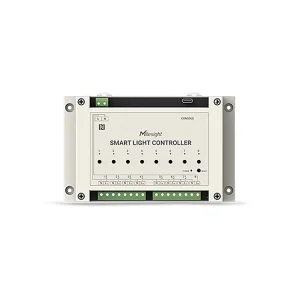
High-efficiency commercial lighting projects increasingly utilize intelligent controllers like the WS558 Milesight LoRaWAN Smart Light Controller, leveraging the robust STM32 and SX1302 chipsets to offer long-range, low-power control over multi-channel infrastructure. These setups allow operators to implement automated, localized rules (using D2D communication) that continue working even if the master WAN connection is momentarily dropped.
Different smart lighting solutions are specialized for distinct use cases. A single smart city contains dozens of localized lighting environments, each with its own technical constraints:
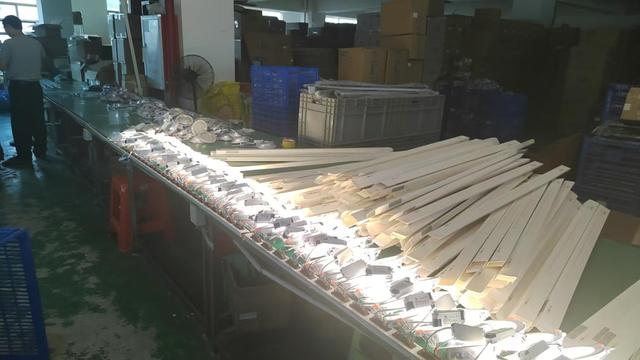
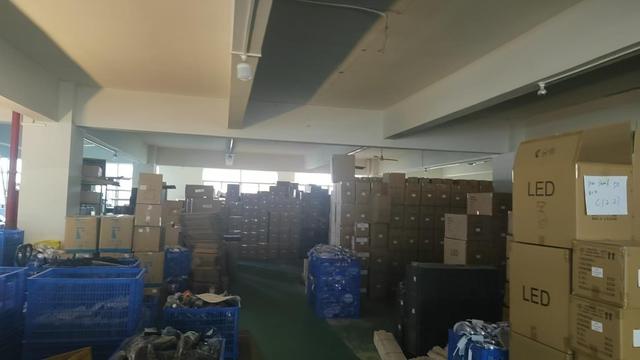
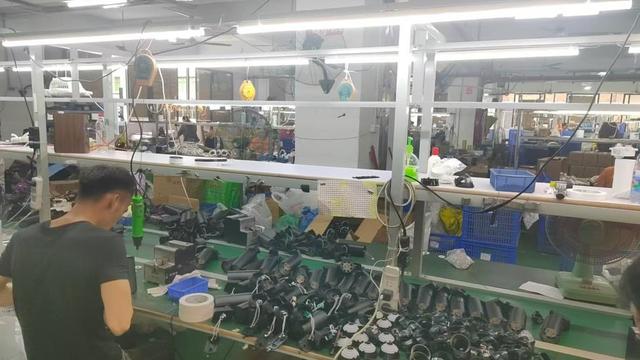
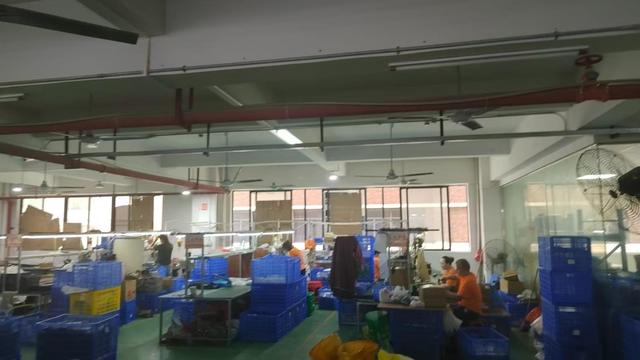
In the highly competitive smart lighting sector, Guangzhou Bluu Light Co., Ltd. stands out as a leading Commercial LED Lighting Manufacturer specializing in smart lighting solutions for retail, office, industrial, and commercial environments. Based in Guangzhou, China, the company focuses on the development, manufacturing, and supply of energy-efficient LED lighting systems designed to improve illumination quality, operational efficiency, and sustainability.
With a strong commitment to innovation and performance, Bluu Light offers comprehensive lighting solutions for commercial buildings, office spaces, retail stores, warehouses, industrial facilities, hospitality venues, educational institutions, healthcare environments, and outdoor infrastructure projects. The company integrates advanced LED technology with intelligent lighting controls to help customers optimize energy consumption, enhance visual comfort, and reduce long-term operating costs.
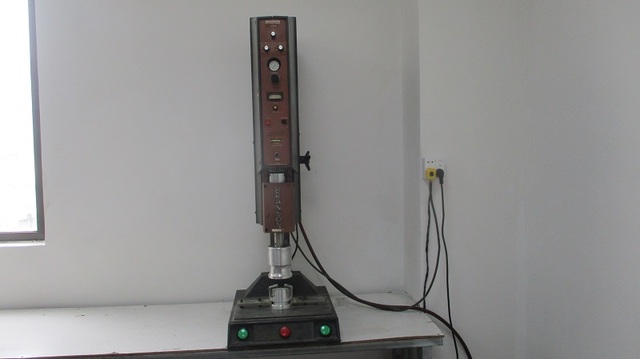
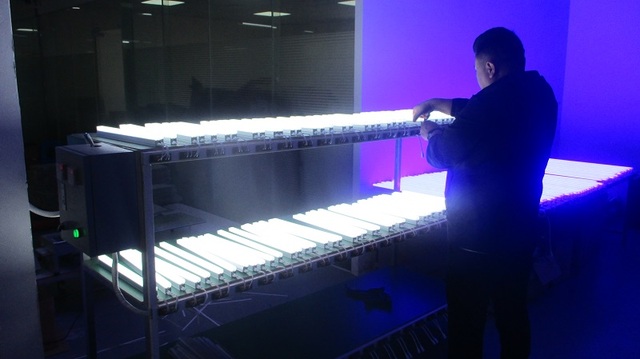
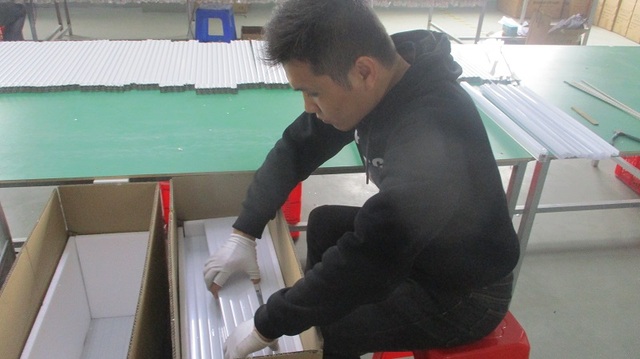
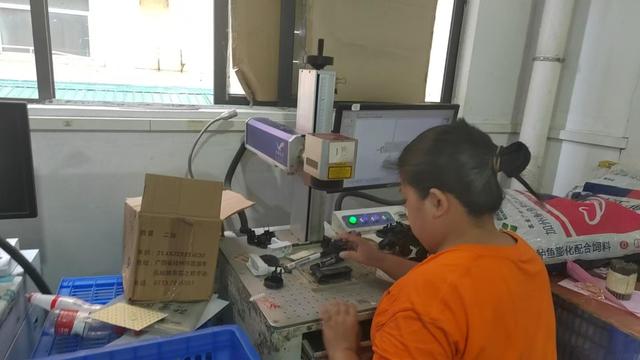
Their technical team works closely with clients, architects, contractors, and distributors to develop custom configurations that meet strict regional building codes and environmental objectives. Backed by modern production facilities and rigorous quality control protocols, they deliver global value across North America, Europe, Asia, the Middle East, and Africa.

Specialized systems designed to deliver energy intelligence, emergency power continuity, and clinical accuracy for institutional structures.
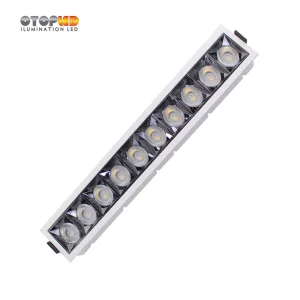
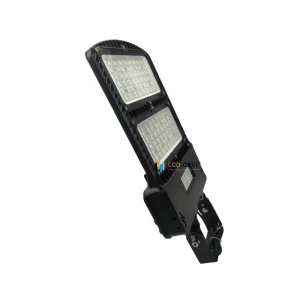
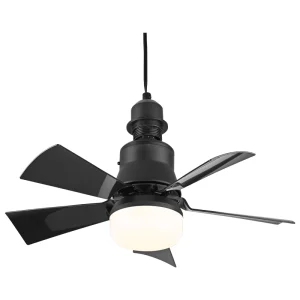
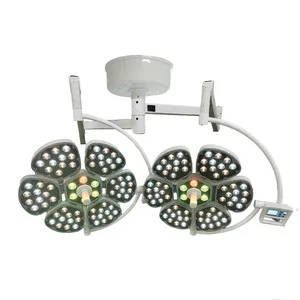
 Bluu Light