Explore high-performance solid-state LED systems, intelligent terminal controls, explosion-proof units, and microgrid infrastructure solutions designed for global export compliance.
Architectural pathfinding systems are the vital line of defense in structural and industrial emergencies.
In modern fire protection and life-safety engineering, emergency lighting is not merely a utility; it is a highly regulated, life-safety structural component. According to statistics from the National Fire Protection Association (NFPA) and the European Fire Safety Alliance, catastrophic building failures often share a common failure point: improperly executed directional pathfinding systems during power distribution faults.
Modern emergency exit luminaires have evolved beyond basic battery-backup signs. Today, the global marketplace demands advanced, integrated solid-state systems designed to remain operative during extreme seismic events, heavy industrial atmospheric corrosion, chemical combustion, and total mains power interruptions. Sourcing these components from a premier manufacturer with deep compliance experience is the primary mechanism that consulting engineers and distribution partners use to safeguard building assets and personnel.
High-integrity life-safety lighting must meet local and global regulatory standards to ensure legal compliance and public safety.
Different jurisdictions impose distinct technical, mechanical, and electrical requirements on path-of-egress luminaires. When sourcing from China, Southeast Asia, or European manufacturers, an exporter’s compliance portfolio is the most critical metric. Below is a macro-analysis of regional regulatory requirements:
| Regulatory Standard | Geographic Region | Key Performance Mandates | Battery Chemistry Rules | Typical Signage Design |
|---|---|---|---|---|
| UL 924 / NFPA 101 | North America (USA & Canada) | Minimum 90-minute operational time under load; rigorous self-testing and self-diagnostic features. | Nickel-Cadmium (Ni-Cd), Lead-Acid, LiFePO4 | Red or Green "EXIT" text. High impact thermoplastic housings. |
| EN 1838 / BS 5266-1 | European Union / UK | Requires 1 Lux minimum path illumination along the centerline; 180-minute battery back-up standard in most commercial zones. | Lithium Iron Phosphate (LiFePO4), NiMH | Green "Running Man" pictogram (ISO 7010). |
| AS/NZS 2293 | Australia / New Zealand | Stringent thermal stress test criteria; specific viewing distance limits and classifications (e.g., C0, C90). | Lithium-based cells (stringent safety regulations) | Green running man pictograph, high-visibility. |
| ATEX / IECEx | Global Oil & Gas, Mining | Zone 1 & Zone 2 explosion-proof ratings; flame-path containment, copper-free aluminum architectures. | High-temp industrial sealed cells | Heavy-duty hazardous area structural enclosures. |
Modern commercial infrastructure demands smart, central testing and communication nodes.
Instead of relying on single-point batteries, multi-story projects deploy centralized battery panels. This architecture allows centralized maintenance, battery health monitoring, and reduced replacement costs across the building lifecycle.
Utilizing protocols such as DALI, ZigBee, and BLE Mesh, emergency lights self-report diagnostics directly to a facility management console. Automatically performs monthly 30-second tests and annual 90-minute depletion tests.
Linking the building fire panel to dynamic exit routes. If a fire starts in North Wing, smart exit signs change from green checkmarks to red crosses, dynamically routing people away from danger.
A rigorous evaluation template for procurement managers selecting premium OEM/ODM partners.
Industrial procurement agents evaluate suppliers on five primary operational dimensions to mitigate shipping, performance, and legal risks. Understanding these pillars guarantees reliable sourcing:
Top-tier exporters run ISO 17025 certified in-house laboratories equipped with integrating spheres, goniophotometers, high-temperature environmental chambers, and battery vibration testing fixtures. This ensures that every production run matches the performance level of the initial certified sample.
Battery degradation is the primary cause of emergency light failures. The top manufacturers integrate smart battery management systems (BMS) with overcharge and deep-discharge protection, opting for Lithium Iron Phosphate (LiFePO4) over legacy Ni-Cd chemistry to double the operating life to 8-10 years.
For chemical and heavy manufacturing applications, standard plastic housings fail. Leading manufacturers use corrosion-resistant structural metals, die-cast aluminum alloys, and UV-stabilized fire-retardant polycarbonates (UL94 V-0 flame rating) with IP65-IP68 ingress protection.
Leading global developer of smart, commercial-grade LED architectures and project-oriented configurations.
Guangzhou Bluu Light Co., Ltd. is a professional Commercial LED Lighting Manufacturer specializing in smart lighting solutions for retail, office, industrial, and commercial environments. Based in Guangzhou, China, the company focuses on the development, manufacturing, and supply of energy-efficient LED lighting systems designed to improve illumination quality, operational efficiency, and sustainability across a wide range of applications.
With a strong commitment to innovation and performance, Bluu Light offers comprehensive lighting solutions for commercial buildings, office spaces, retail stores, warehouses, industrial facilities, hospitality venues, educational institutions, healthcare environments, and outdoor infrastructure projects. The company integrates advanced LED technology with intelligent lighting controls to help customers optimize energy consumption, enhance visual comfort, and reduce long-term operating costs.
Bluu Light emphasizes product reliability, engineering expertise, and project-oriented customization. Its experienced technical team works closely with clients, architects, contractors, and distributors to develop lighting solutions that meet specific project requirements, industry standards, and environmental objectives. From lighting design consultation and product selection to manufacturing and project support, the company provides end-to-end services for diverse commercial lighting applications.
Equipped with modern production facilities and rigorous quality management systems, Bluu Light maintains strict control throughout the manufacturing process to ensure consistent product performance and durability. The company continually invests in research and development to advance smart lighting technologies, energy-saving innovations, and intelligent control systems that support the evolving needs of global markets.
Serving customers across North America, Europe, Asia, the Middle East, South America, and other international regions, Guangzhou Bluu Light Co., Ltd. is dedicated to delivering reliable commercial LED lighting solutions that combine efficiency, functionality, and long-term value for modern businesses and infrastructure projects worldwide.
Tailoring system designs to match the unique safety requirements of specific facilities.
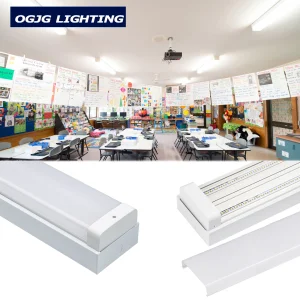
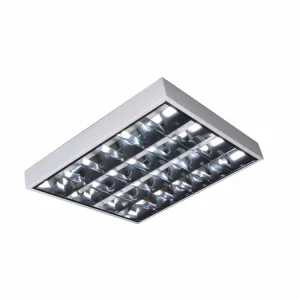
Requires balanced, glare-free lighting systems like the DLC 4ft 40W 60W Classroom Linear Batten Lights paired with low-glare emergency exit pathway indicators. Emphasizes visual comfort and reliable backup operations during campus grid failures.
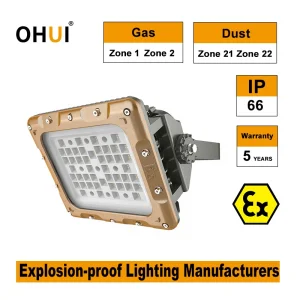
Environments with explosive gas or dust require products like the ATEX Zone 1 & Zone 2 LED Explosion Proof Lights. Sourcing rugged, impact-resistant structures is vital to prevent electrical arcs from causing explosions.
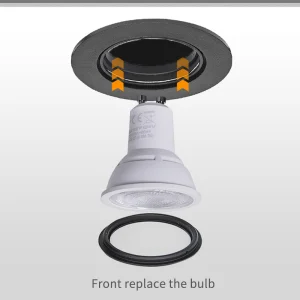
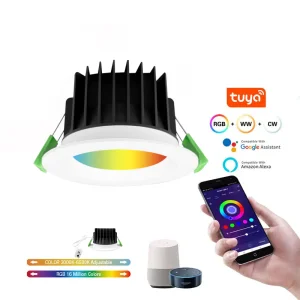
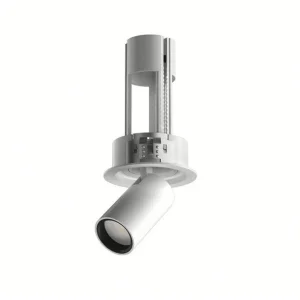
Demands seamless aesthetic integration. Custom spotlight configurations such as Modern Adjustable Spotlights and recessed RGBW Dimmable Downlights coordinate with sleek, edge-lit emergency signs to combine high design with life-safety compliance.
The transition toward IoT-enabled green building safety ecosystems.
The emergency lighting industry is undergoing significant technological changes. Future designs are defined by three major engineering trends:
Direct technical answers addressing the key search queries of project engineers and compliance officers.
Maintained emergency lights run continuously under normal power conditions and remain lit via battery backup during power failures. They are commonly used in high-occupancy public spaces like cinemas, malls, and hotels. Non-maintained emergency lights only illuminate when the primary power supply fails. They are typically deployed in offices and industrial facilities to reduce energy usage.
LiFePO4 (Lithium Iron Phosphate) batteries offer three key engineering advantages: they operate reliably at high ambient temperatures (+55°C to +60°C) without losing capacity, have double the service life (typically 8 to 10 years compared to 3 to 4 years for Ni-Cd), and do not contain toxic cadmium, aligning with global RoHS environmental directives.
Under EN 1838, internally illuminated signs are legible at a viewing distance of 200 times the sign's height. Externally illuminated signs are legible at 100 times the sign's height. Under UL 924, emergency exit signs are calibrated for a minimum viewing distance of 100 feet (approx. 30 meters) to ensure clear visibility during emergency evacuations.
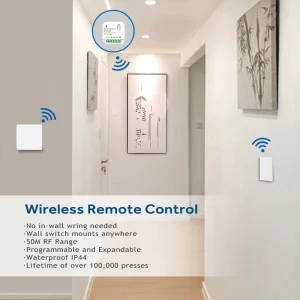
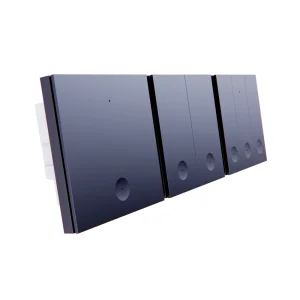
Integrating smart controls (like Tuya or custom OEM Smart Switch Solutions) enables remote diagnostic access and automated scheduling for self-testing. This reduces the manual labor required for testing and documents compliance events, creating a digital audit log for inspectors.
Engineered architectural profiles, high-powered sports fixtures, smart sensor-integrated office systems, and sustainable landscape products.
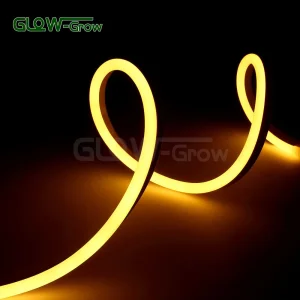
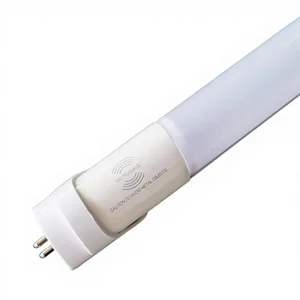
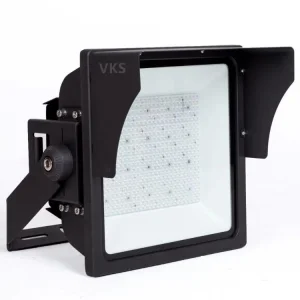
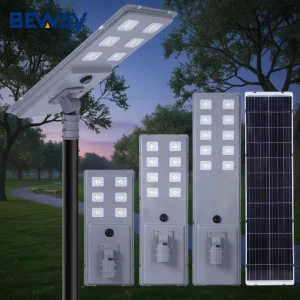
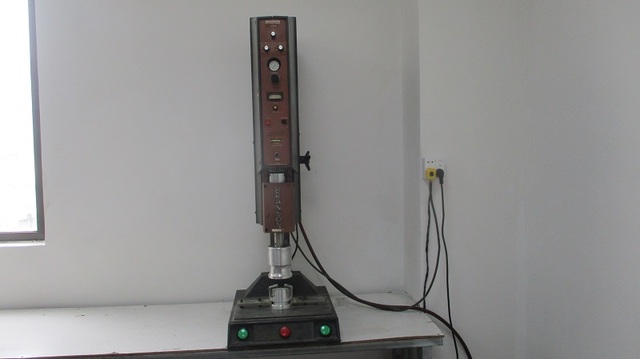
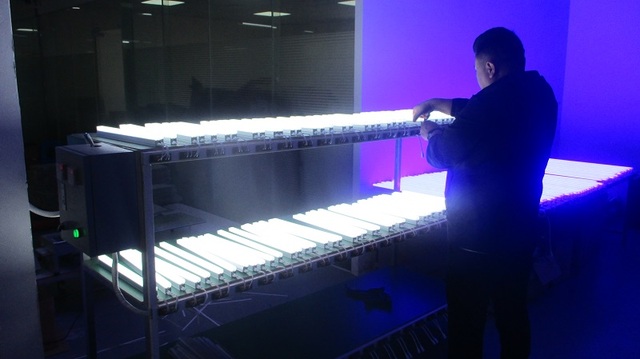
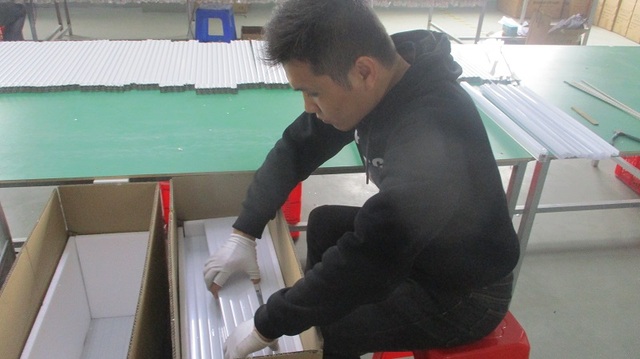
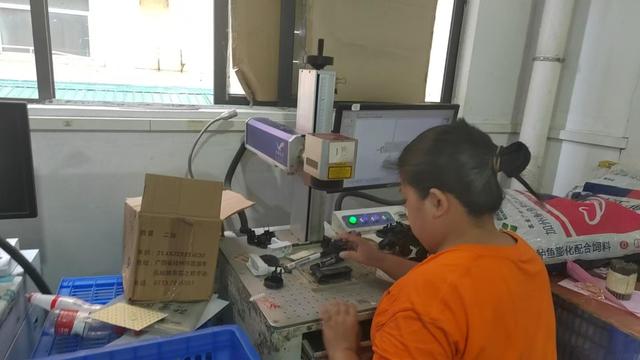
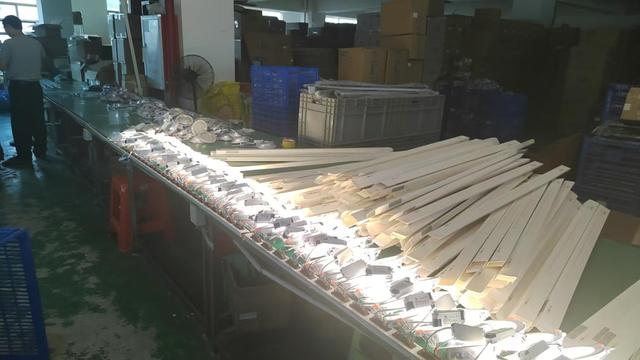
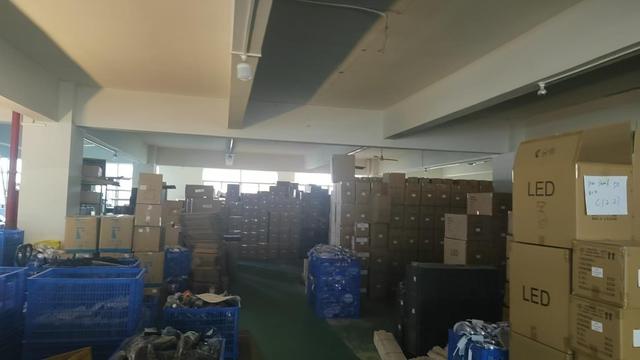
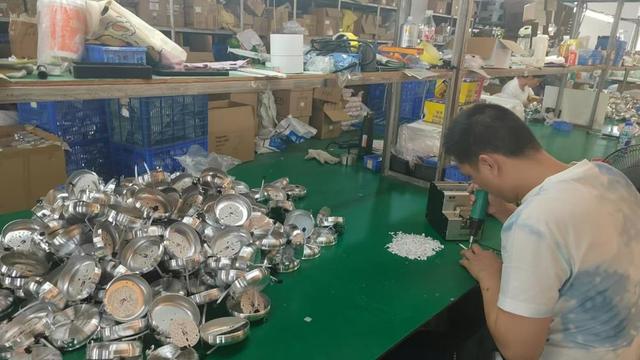
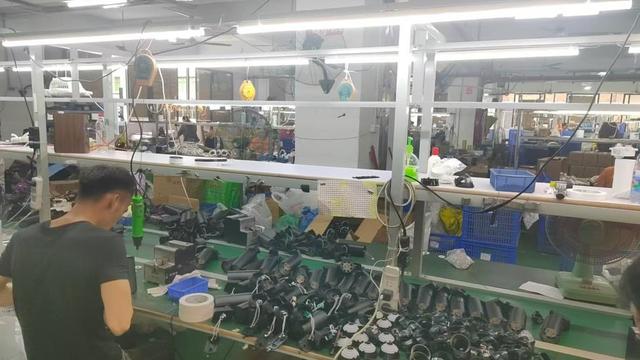
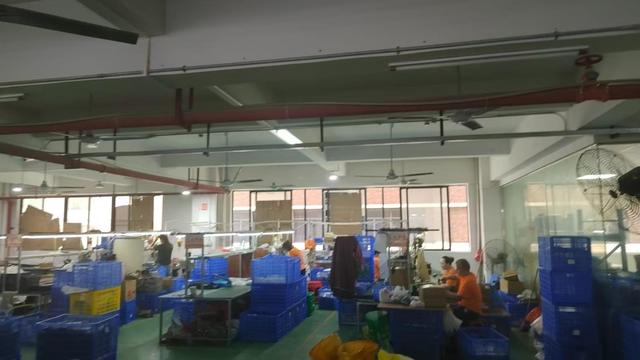
Direct view inside our ISO 9001:2015 manufacturing facility, engineering labs, and warehousing centers.
 Bluu Light