Emergency illumination has evolved from isolated secondary lighting units into highly complex, dynamically monitored life-safety networks. Integrating these systems requires strict adherence to international safety codes, optical precision, and robust fail-safe engineering.
In high-density commercial spaces, industrial hazard environments, and healthcare complexes, emergency lighting is the core defense against catastrophic panic during grid outages. Modern systems are governed by stringent international frameworks such as UL 924 (Standard for Emergency Lighting and Power Equipment) in North America and EN 1838 / EN 60598-2-22 across the European Union. These regulations specify precise lux thresholds, illumination uniformity, structural fire resistance, and operational runtimes (typically 90 to 180 minutes) to guarantee clear, safe passage along escape routes.
An optimized emergency lighting infrastructure relies heavily on advanced component engineering. This includes smart, self-testing battery management modules (BMS), high-efficacy solid-state LED emitters, and reliable secondary optical lenses designed to minimize glare while maximizing light distribution. The shift from standard Sealed Lead-Acid (SLA) batteries to Lithium Iron Phosphate (LiFePO4) chemistry represents a major technological leap, offering three times the operational cycle life, thermal runaway resistance, and superior power-to-weight ratios under harsh environmental conditions.
Guangzhou Bluu Light Co., Ltd. is a professional Commercial LED Lighting Manufacturer specializing in smart lighting solutions for retail, office, industrial, and commercial environments. Based in Guangzhou, China, the company focuses on the development, manufacturing, and supply of energy-efficient LED lighting systems designed to improve illumination quality, operational efficiency, and sustainability across a wide range of applications.
With a strong commitment to innovation and performance, Bluu Light offers comprehensive lighting solutions for commercial buildings, office spaces, retail stores, warehouses, industrial facilities, hospitality venues, educational institutions, healthcare environments, and outdoor infrastructure projects. The company integrates advanced LED technology with intelligent lighting controls to help customers optimize energy consumption, enhance visual comfort, and reduce long-term operating costs.
Bluu Light emphasizes product reliability, engineering expertise, and project-oriented customization. Its experienced technical team works closely with clients, architects, contractors, and distributors to develop lighting solutions that meet specific project requirements, industry standards, and environmental objectives. From lighting design consultation and product selection to manufacturing and project support, the company provides end-to-end services for diverse commercial lighting applications.
Equipped with modern production facilities and rigorous quality management systems, Bluu Light maintains strict control throughout the manufacturing process to ensure consistent product performance and durability. The company continually invests in research and development to advance smart lighting technologies, energy-saving innovations, and intelligent control systems that support the evolving needs of global markets. Serving customers across North America, Europe, Asia, the Middle East, South America, and other international regions, Guangzhou Bluu Light Co., Ltd. is dedicated to delivering reliable commercial LED lighting solutions that combine efficiency, functionality, and long-term value for modern businesses and infrastructure projects worldwide.
How regional specialization, integrated material supply systems, and highly automated manufacturing plants guarantee reliable global distribution and cost efficiency.
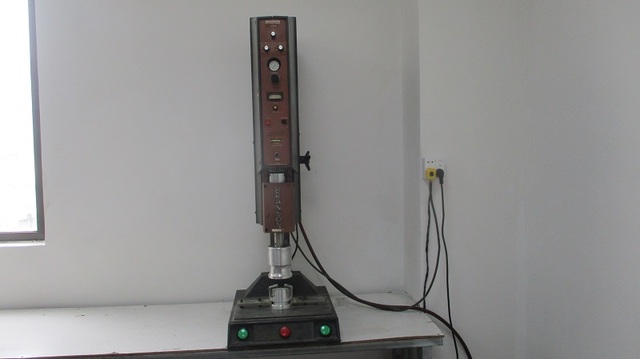
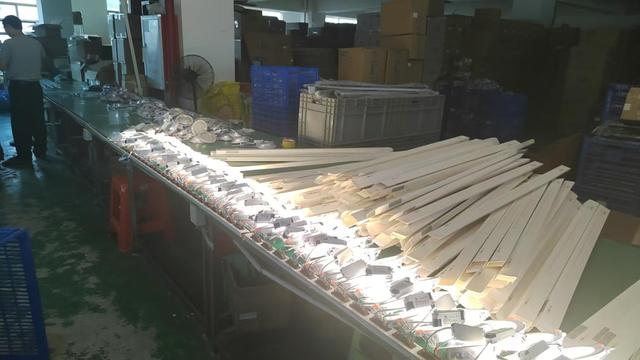
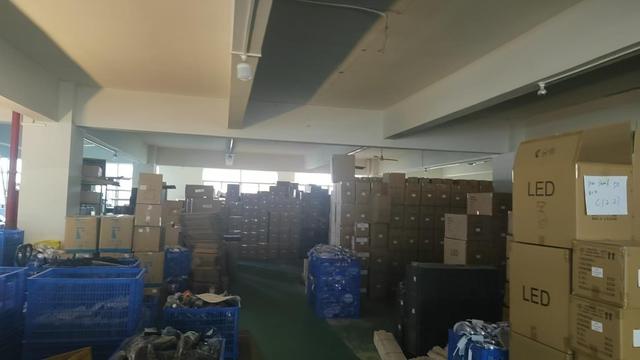
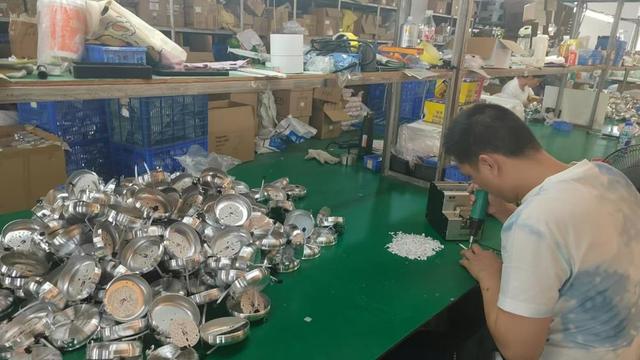
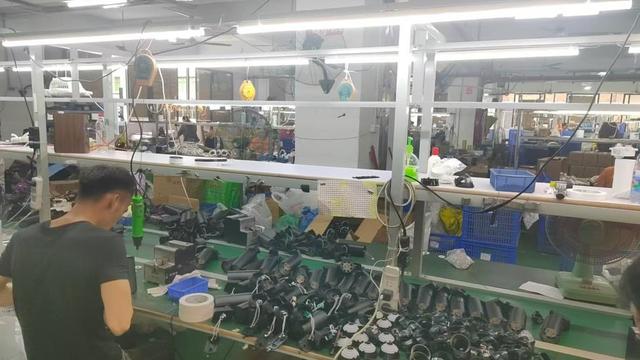
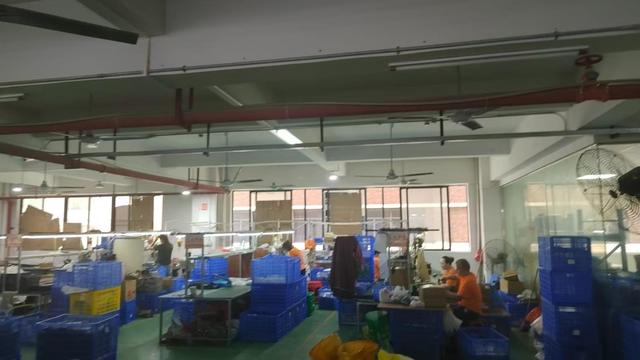
From raw aluminum extrusion and die-casting to high-speed SMT assembly, every component of the emergency fixture is manufactured in-house or sourced within a 50-mile cluster in Guangdong, reducing turnaround times by 40%.
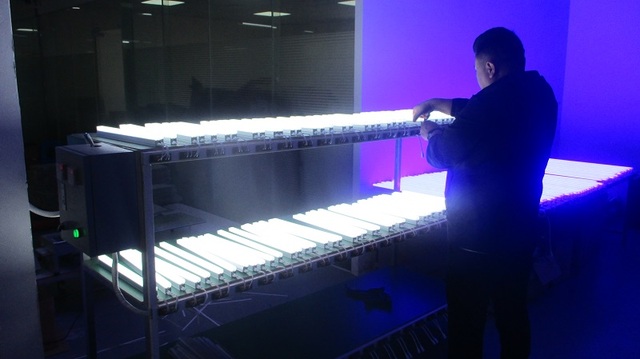
Guangzhou Bluu Light features an integrated battery aging and cycle test facility. Every batch of LiFePO4 and Ni-Cd cells undergoes rigorous charge-discharge stress tests to guarantee zero field failures and secure the required 3-hour capacity backup.
Utilizing advanced goniophotometer systems and integrating spheres, our engineering labs run real-time luminous flux and distribution mapping. This ensures our custom emergency escape optics comply perfectly with regional unified glare ratings (UGR).
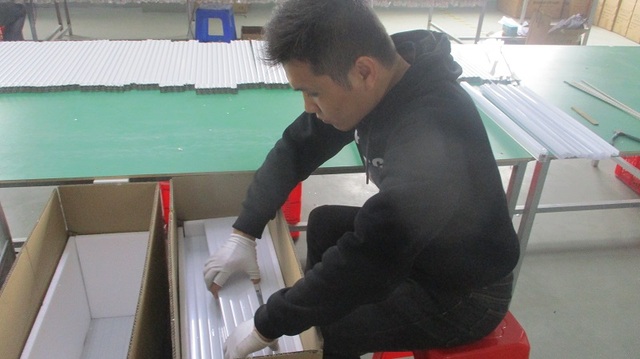
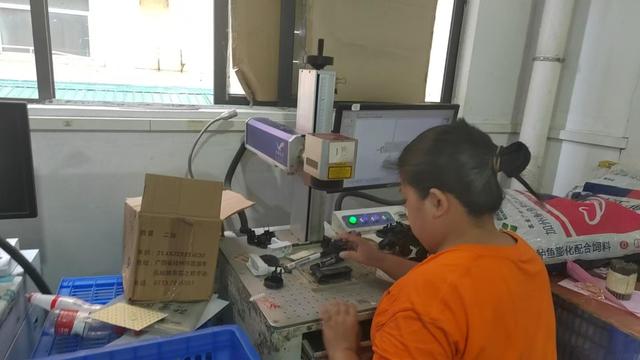
Visual verification of our assembly systems, R&D labs, and high-performance commercial lighting equipment production lines.
Ensuring seamless compliance for EPC contractors and building engineers across key global markets.
In the United States and Canada, emergency lighting equipment must comply with the UL 924 standard. This standard dictates that when primary building power fails, emergency systems must provide at least 90 minutes of emergency illumination. The light output must maintain an average of 1 foot-candle (10.8 lux) and a minimum of 0.1 foot-candle along the escape path. Our systems incorporate automatic self-testing and self-diagnostic circuitry to meet the rigorous inspection guidelines set by the National Fire Protection Association (NFPA 101 Life Safety Code).
European design layouts require compliance with EN 1838, which mandates visual conditions for emergency escape routes. Escape routes up to 2 meters wide must have at least 1 lux along the centerline. The system must also achieve a high Color Rendering Index (CRI > 40) to ensure safety signs and exit route indicators remain clearly identifiable. For the UK, products must carry the UKCA mark, certifying compliance with BS EN 60598-2-22. This covers self-contained luminaires, ensuring safety performance matches local electrical grid characteristics.
Exploring the convergence of smart LED emergency networks, wireless communication protocols, and sustainable green energy.
Integrating systems with Tuya, Zigbee, or Bluetooth Mesh protocols allows facility managers to monitor emergency battery status, schedule self-tests, and run remote diagnostic audits from a centralized dashboard.
Moving away from traditional Ni-Cd cells toward eco-friendly LiFePO4 batteries helps projects reduce their environmental impact, lower self-discharge rates, and extend operational lifespans up to 10 years.
For large commercial buildings, centralized battery cabinets simplify maintenance by feeding emergency power to standard luminaires, reducing individual battery replacement costs.
Different environments require distinct emergency lighting properties. Our product portfolio meets these specific engineering demands:
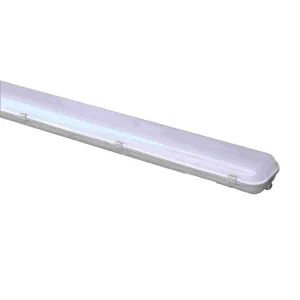
Heavy manufacturing plants, refineries, and chemical warehouses require emergency lighting with rugged, high IP-rated enclosures. Fixtures like our IP65 Tri-Proof LED Light are designed to withstand moisture, dust, and corrosive vapors. The emergency backup driver is housed in a thermally insulated, sealed compartment to ensure reliable operation under extreme temperatures.
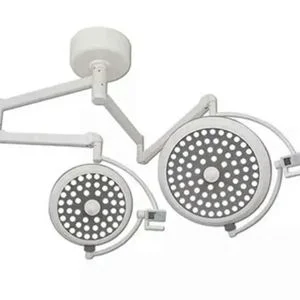
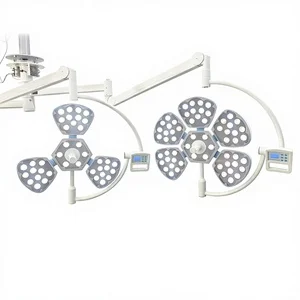
Hospitals operate under strict life-safety guidelines where power interruptions cannot be tolerated. In these critical environments, standard general emergency illumination must be supported by specialized surgical lighting, such as our Medical Ceiling LED Shadowless Operating Surgical Light. This ensures uninterrupted visibility for medical staff during emergency power changeovers.
Emergency lighting in schools, classrooms, and lecture halls focuses on glare control and visual comfort. Our Campus Grid Classroom LED Light ensures students' eyes are protected during daily activities, while our integrated emergency bulkheads, such as the JUNAN LED Bulkhead Emergency Ceiling Light, provide safe path lighting along egress routes during power cuts.
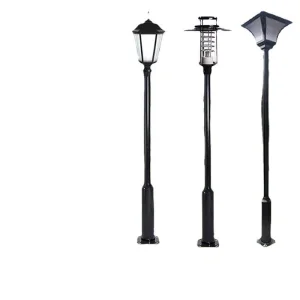
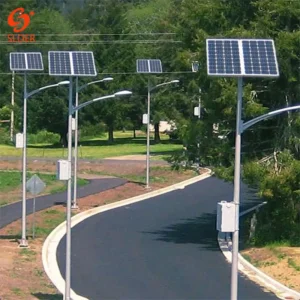
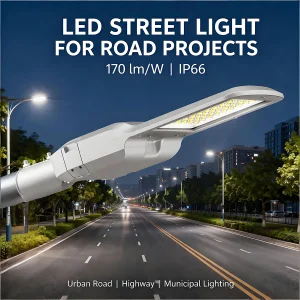
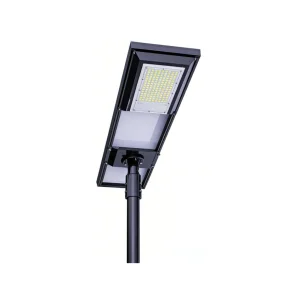
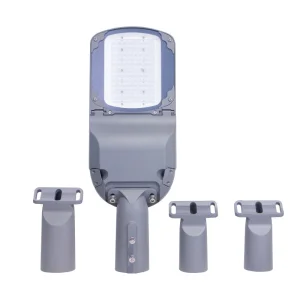
For municipal roadways, highway exits, and outdoor pathways, emergency and backup illumination rely on robust, weather-resistant solutions. Our Commercial Grade Solar Street Lights and 150W LED Street Lights operate on independent power configurations, providing continuous lighting during localized grid blackouts.
Addressing common technical inquiries from electrical consultants, wholesale importers, and project engineers.
Maintained emergency luminaires operate continuously as part of the general room lighting and remain lit when the main power fails by drawing power from their internal backup battery. Non-maintained emergency luminaires remain off during normal operation and only illuminate when the main power supply fails, helping conserve energy and extend battery life.
LiFePO4 (Lithium Iron Phosphate) batteries offer several advantages: they have a cycle life of 2,000+ charges compared to 500 charges for Ni-Cd, operate reliably in higher temperatures without degradation, do not contain toxic heavy metals, and feature a lower self-discharge rate, which reduces maintenance and replacement costs.
Our manufacturing processes are certified to ISO 9001 standards. Our product lines undergo rigorous testing in CNAS-accredited laboratories, allowing us to supply CE, CB, UKCA, and UL-certified products tailored to the safety requirements of different export markets.
Yes, our smart emergency drivers and modules support industry-standard protocols, including DALI-2 (Digital Addressable Lighting Interface) and wireless options like Zigbee and Bluetooth Mesh. This enables automated status reporting, real-time battery diagnostics, and centralized self-testing scheduled via control software.
For standard configurations, our production lead time is typically 15 to 21 days. Custom specifications requiring tailored driver designs, specific battery capacities, or specialized optical lenses are completed in 30 to 45 days, depending on the complexity of the requirements and material approvals.
 Bluu Light