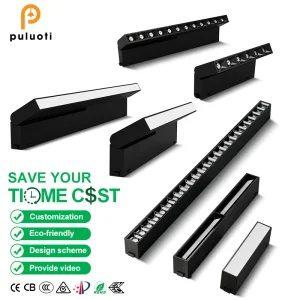
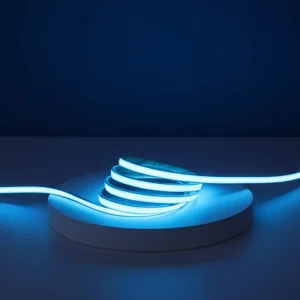
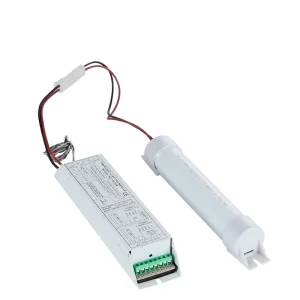
Explore our flagship selection of engineered LED luminaires designed for robust performance, precise beam control, and intelligent integration.
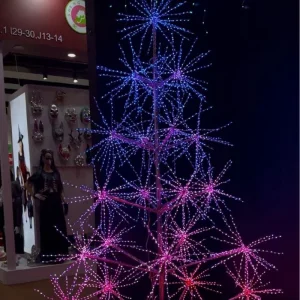
The global architectural landscape is transitioning rapidly from passive static illumination to responsive, dynamic, and interactive lighting designs. Modern spatial designers no longer view light as a mere utility; instead, it is treated as a programmatic building material that alters human perception, shifts consumer behaviors, and optimizes space utilization. The modern definition of interactive lighting integrates embedded microprocessors, sensor modules, and IoT control nodes that respond programmatically to sound, movement, temperature, and environmental inputs.
By using localized feedback loops, interactive lighting systems construct an immersive bridge between human physiology and architectural volumes. In commercial domains, these installations generate quantifiable increases in visitor dwell time, elevated customer sentiment, and superior brand recognition. Understanding the convergence of software control, industrial engineering, and optoelectronics is critical for procurement managers seeking to identify the optimal manufacturing partner in China.
Standard data sheets often gloss over details regarding thermal dissipation, circuit degradation, and protocol compatibility. For large-scale architectural projects, understanding details like structural junction temperatures, LED driver lifetime curves, and optical diffraction indexes is essential. This whitepaper serves as an engineering roadmap to assist sourcing officers and global contractors in evaluating production processes, quality control methodologies, and the dynamic control frameworks of high-performance fixtures.
The architecture of interactive illumination is built upon three core layers: physical transduction, local network routing, and software-guided control systems. Emerging technologies are changing how lighting systems integrate with structural networks:
Different commercial architectural typologies present highly distinct environmental requirements. Our product systems are engineered to address these challenges directly.
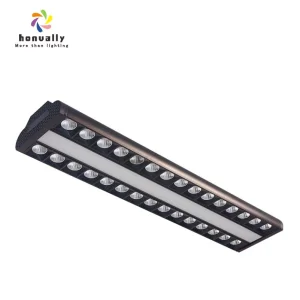
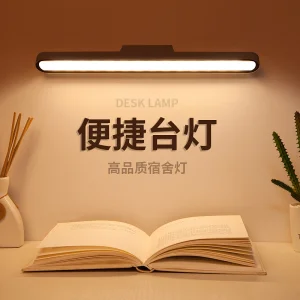
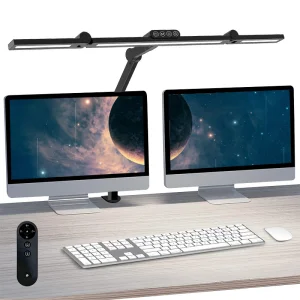
By linking linear suspended tracks and smart desktop lamps to micro-controllers, modern office designs adapt to ambient sunlight. Systems shift temperature and output throughout the day, decreasing optical fatigue, boosting cognitive output, and reducing commercial energy footprints.
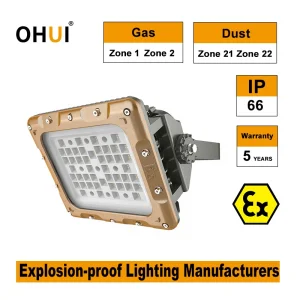
Industrial installations require robust protection. Utilizing ATEX zone certified flameproof enclosures, our explosion-proof LED options provide safe, high-efficacy illumination in chemical refineries, marine operations, and grain processing facilities.
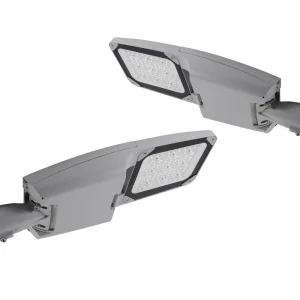
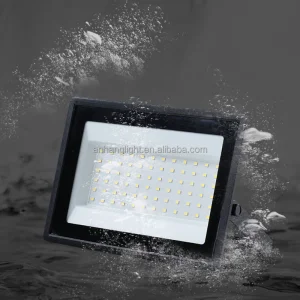
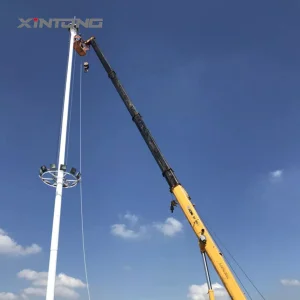
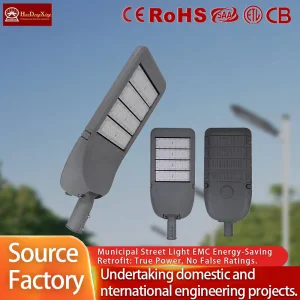
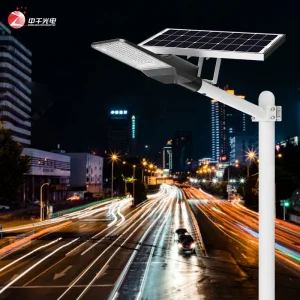
From high-mast sports configurations to smart solar highways, outdoor systems face harsh environmental wear. Using die-cast aluminum alloys with anti-corrosion finishes, our products maintain IP66/IP67 ingress ratings to resist wind loads, heavy precipitation, and wide temperature swings.
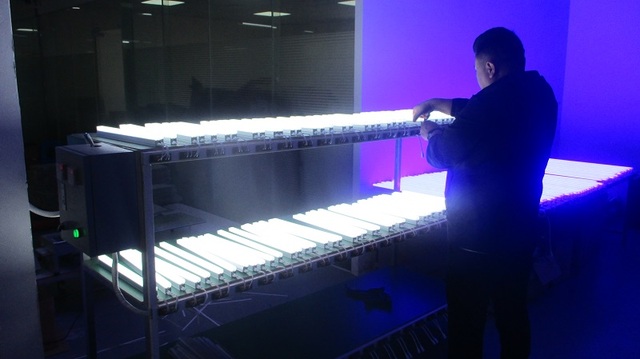
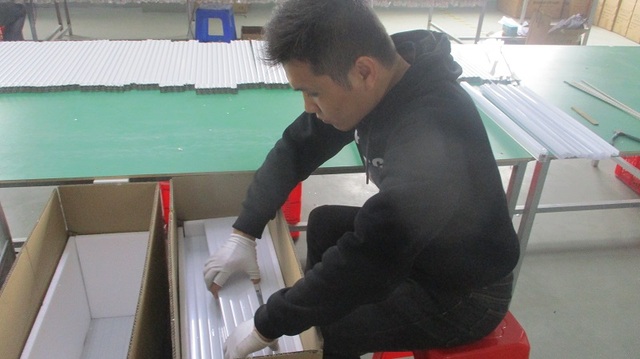
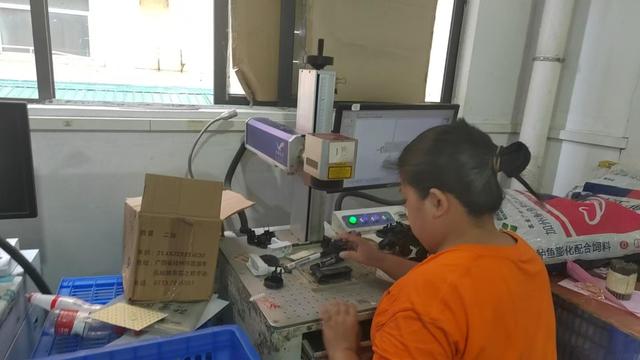
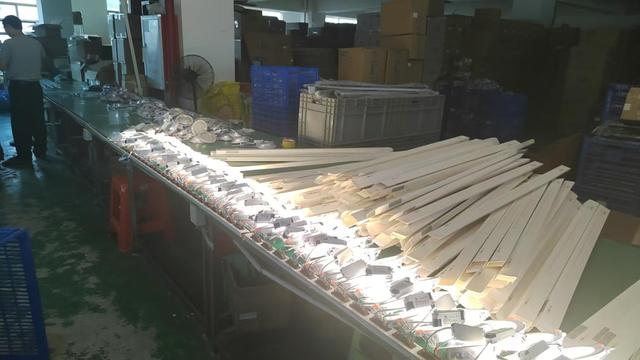
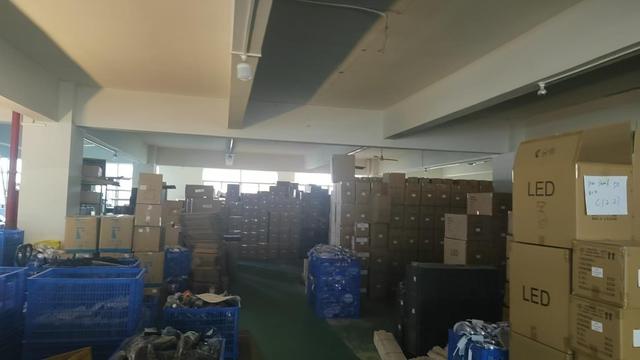
Guangzhou's manufacturing infrastructure serves as a major hub for optoelectronic development. Sourcing from a Factory 4.0 manufacturer offers several key benefits:
Utilizing raw ADC12 and A380 grade aluminum alloys ensures heat dissipation. Advanced thermal analysis minimizes thermal resistance at the copper junction layer, keeping LED junction temperatures below 75°C to limit lumen depreciation.
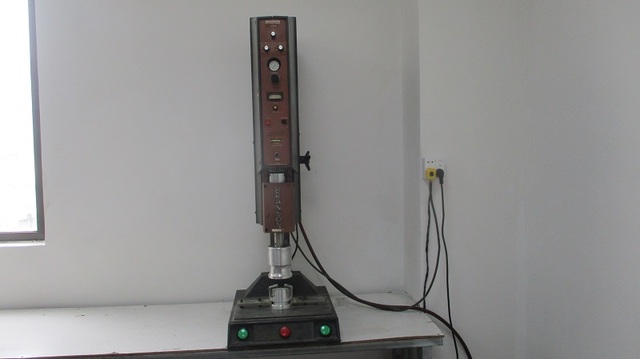
Using high-speed automated SMT lines ensures precise placement of surface-mount components down to micron-level tolerance. Automated optical inspections (AOI) identify microscopic solder defects, preventing field failures during thermal cycles.
Luminaires undergo testing in integrating spheres and goniophotometers to generate accurate IES and LDT photometric files. Subsystems also pass rigorous high-temperature aging chambers and IPX6 water jet testing before final packaging.
Navigating global building regulations requires detailed engineering compliance. Sourcing partners must meet stringent standards across regions:
We supply complete documentation, including material test records, component datasheets, driver ripple specifications, and certification declarations to simplify project approvals.

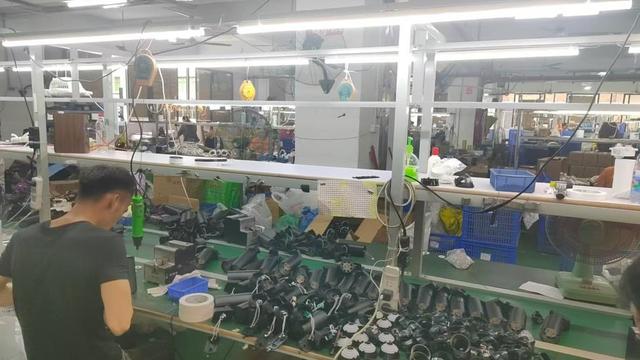
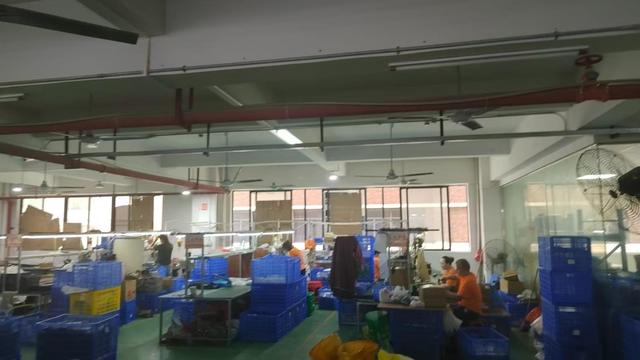
Guangzhou Bluu Light Co., Ltd. is a professional Commercial LED Lighting Manufacturer specializing in smart lighting solutions for retail, office, industrial, and commercial environments. Based in Guangzhou, China, the company focuses on the development, manufacturing, and supply of energy-efficient LED lighting systems designed to improve illumination quality, operational efficiency, and sustainability across a wide range of applications.
With a strong commitment to innovation and performance, Bluu Light offers comprehensive lighting solutions for commercial buildings, office spaces, retail stores, warehouses, industrial facilities, hospitality venues, educational institutions, healthcare environments, and outdoor infrastructure projects. The company integrates advanced LED technology with intelligent lighting controls to help customers optimize energy consumption, enhance visual comfort, and reduce long-term operating costs.
Bluu Light emphasizes product reliability, engineering expertise, and project-oriented customization. Its experienced technical team works closely with clients, architects, contractors, and distributors to develop lighting solutions that meet specific project requirements, industry standards, and environmental objectives. From lighting design consultation and product selection to manufacturing and project support, the company provides end-to-end services for diverse commercial lighting applications.
Equipped with modern production facilities and rigorous quality management systems, Bluu Light maintains strict control throughout the manufacturing process to ensure consistent product performance and durability. The company continually invests in research and development to advance smart lighting technologies, energy-saving innovations, and intelligent control systems that support the evolving needs of global markets.
Serving customers across North America, Europe, Asia, the Middle East, South America, and other international regions, Guangzhou Bluu Light Co., Ltd. is dedicated to delivering reliable commercial LED lighting solutions that combine efficiency, functionality, and long-term value for modern businesses and infrastructure projects worldwide.
Technical guidance and sourcing answers to help clarify installation, logistics, and product specifications.
Explore our industrial range of high-lumen, energy-efficient fixtures configured for stadiums, roadways, and interior commercial facilities.
 Bluu Light