Explore our premium commercial, industrial, and smart lighting solutions engineered for peak operation, regulatory compliance, and maximum luminous efficacy.
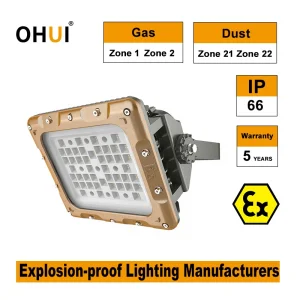
Guangzhou Bluu Light Co., Ltd. stands at the forefront of the global architectural and industrial lighting sector as a professional Commercial LED Lighting Manufacturer. Specialized in engineering and scaling next-generation smart lighting systems, the company provides bespoke solutions tailored for retail ecosystems, modern corporate offices, heavy industrial sectors, and hazardous work zones. Based in the industrial manufacturing epicenter of Guangzhou, China, Bluu Light focuses its R&D and operations on high-efficiency, energy-conscious LED platforms designed to optimize optical clarity, enhance human comfort, and deliver sustained carbon footprint reduction across vast enterprise spaces.
Through robust investments in chip-on-board (COB) technology, specialized optical lenses, and intelligent driver integration, Bluu Light serves as a critical supplier to contractors, system integrators, and distributors across North America, Europe, Asia, the Middle East, and South America. The manufacturer bridges the gap between high-aesthetic architectural demands and industrial ruggedness, ensuring that every product from a customized lobby chandelier to a hazardous zone explosive-proof fixture complies with the most demanding global safety directives.
The global specification market for unique lighting fixtures has shifted away from generic, commodity-grade luminous tubes toward deeply integrated, multi-functional lighting instruments. Architects, lighting designers, and corporate real estate executives no longer evaluate luminaires solely by lumen-per-watt ratios. Modern environments demand systems that respect Human-Centric Lighting (HCL) rules, dynamic spectral tunability, and IoT-driven communication architectures.
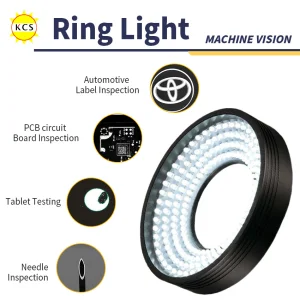
Unique lighting fixtures are defined by their specialization. For instance, in visual PCB inspection stations, a standard overhead diffuse panel fails to highlight micro-fractures. In response, engineering demands the deployment of adjustable-angle, multi-color IP65 LED ring lights designed to highlight specific structural anomalies under controlled spectral outputs. Similarly, in high-hazard zones like petrochemical stations and manufacturing halls, unique lighting encompasses explosion-proof enclosures that protect both the facility and personnel while delivering high-intensity, glare-minimized light.
Furthermore, contemporary interior design utilizes linear profiles, wall washers, and decorative marquee units not merely for illumination, but to craft structural geometry and spatial branding. This symbiosis of design and utility relies heavily on the capabilities of specialized factories that can custom-engineer thermal pathways, select specific LED binning protocols (under 3 MacAdam ellipses for color consistency), and integrate smart protocols such as DALI (Digital Addressable Lighting Interface) or Zigbee/Tuya controllers.
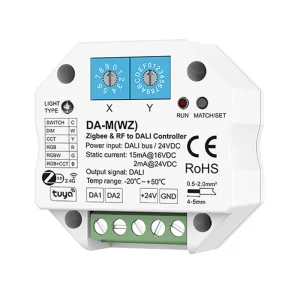
Integration of DALI-2, DT6, DT8, CCT tunable white protocols, and Tuya app controllers. Our systems convert standard installations into smart, responsive IoT nodes.
Explosion-proof architectures rated for ATEX Zone 1 & Zone 2 environments. Engineered with premium tempered glass, copper-free aluminum, and strict thermal barriers.
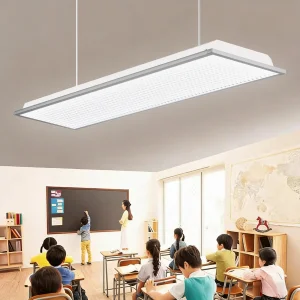
Classroom, office, and hospital fixtures optimized with low Unified Glare Ratings (UGR < 19) and flicker-free drivers to eliminate eye fatigue and support circadian health.
Procuring unique lighting fixtures at an enterprise scale introduces deep supply chain variables. Global logistics, regulatory frameworks, tariff structures, and lead-time constraints mandate that procurement executives align with verified, vertically integrated manufacturing suppliers. Working directly with factories like Guangzhou Bluu Light Co., Ltd. eliminates intermediate markup while guaranteeing direct engineering oversight.
Enterprise procurement requirements prioritize structural compliance and quality control. Standard requirements include:
Different commercial verticals present distinct environmental and physiological constraints. A comprehensive lighting plan resolves these via target-built solutions:
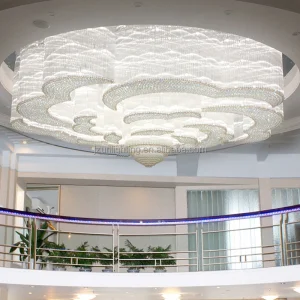
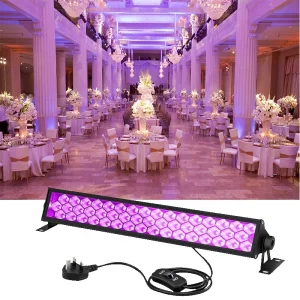
In high-end luxury hospitality, custom project crystal chandeliers must achieve both visual grandeur and deep energy efficiency. The inclusion of remote-controlled dimming arrays allows properties to seamlessly shift atmospheres from midday bright to intimate evening glows. In commercial facades, high-power IP65 waterproof RGB linear wall washers are deployed to highlight architectural structures, utilizing remote protocols to customize active color palettes during municipal celebrations.
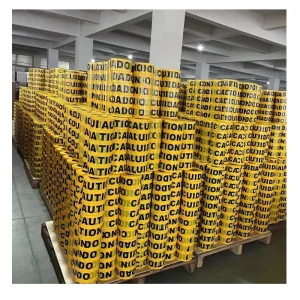
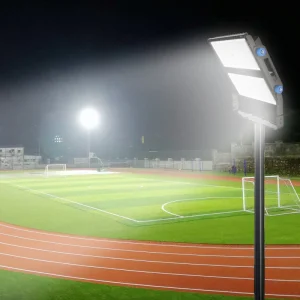
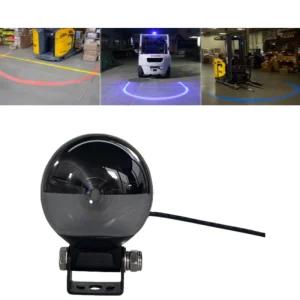
Industrial logistics hubs and warehouse floors present high physical risk profiles. Pedestrian safety in high-traffic forklift corridors is augmented using specialized LED arch zone beam warning lamps, casting highly visible boundary lines on the floor to prevent collisions. For high-ceiling storage bays, high-efficacy sports or floodlighting with precise optical distribution angles (such as 25°, 45°, or 60°) minimizes shadows and increases operational safety.
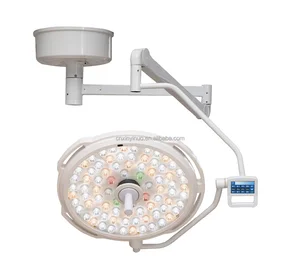
In classrooms and surgical suites, illumination directly impacts human performance and clinical outcomes. Classroom fixtures must conform to national eye-protection standards, offering UGR ratings below 19 and high Color Rendering Indices (CRI > 90 Ra) to support long-duration cognitive focus. In surgical suites, ceiling-mounted shadowless LED lamps utilize multi-dome arrays to ensure surgical fields remain completely illuminated even when partially obstructed by medical teams.
Navigating cross-border code compliance is one of the primary friction points in lighting installation projects. A trusted supplier must align its R&D output with the local codes of the destination country. Whether it is CE directives for the European Economic Area, UL/ETL listings for North America, or ATEX explosion-proof certification for Middle Eastern industrial sectors, structural compatibility is non-negotiable.
Furthermore, modern environmental directives such as RoHS (Restriction of Hazardous Substances) and REACH dictate materials selection. Eliminating heavy metals and volatile organic compounds from manufacturing polymers ensures that linear wall lamps and office downlights are safe for long-term indoor exposure. Additionally, suppliers must provide comprehensive Photometric IES files to lighting engineers, allowing accurate pre-installation lux mapping via softwares like DIALux or Relux, preventing over-lit or under-lit spaces.
The roadmap for unique lighting fixtures is intrinsically linked to the expansion of smart cities and IoT infrastructure. Over the next five years, the industry will pivot toward several key innovations:
Answers to critical questions regarding compliance, technology integration, and custom manufacturing processes.
DALI DT6 (Device Type 6) controls individual channels, meaning a tunable white fixture would require two separate addresses to control warm and cool LED arrays. DALI DT8 (Device Type 8) manages multi-channel outputs under a single address, allowing streamlined control of Correlated Color Temperature (CCT) and RGB color-changing systems. Choosing DT8 reduces the physical commissioning complexity and overall system hardware costs by up to 50% in complex commercial deployments.
Zone 1 zones present explosive atmospheres composed of gas, vapor, or mist during normal operations, requiring fixtures with double-layered flameproof (Ex d) or increased safety (Ex e) designs. Zone 2 zones are environments where explosive gases are only present under abnormal operating conditions, allowing the use of restricted breathing or non-sparking architectures. Explosion-proof fixtures prevent internally generated sparks or thermal energy from escaping the luminaire housing and igniting external atmospheric vapors.
UGR measures the psychological glare produced by all luminaires in a room relative to the observer's background luminance. In schools and offices, a UGR of less than 19 is recommended. High glare values cause eye strain, physical fatigue, and reduced cognitive capacity. Lowering UGR is achieved through optical diffusers, recessed micro-louvers, and indirect wall-washing configurations.
Color consistency is managed through strict LED Binning controls. By procuring LEDs sorted within 3-Step (or under) MacAdam Ellipse parameters, manufacturers ensure that the variation in chromaticity coordinates (x, y) is virtually imperceptible to the human eye. This guarantees that linear lights or custom fixtures purchased in different batches display identical color outputs when installed in the same architectural plane.
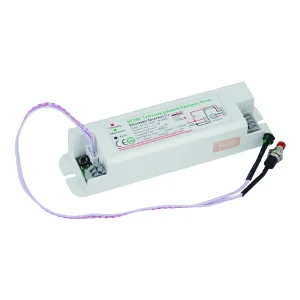
Upon grid power interruption, an internal sensing switch triggers the emergency power pack within milliseconds. The system bypasses external driver controls and supplies power directly from the integrated high-temperature battery (typically LiFePO4) to the LED board at a reduced output (usually 10% to 20% of maximum lumens). This ensures safe egress routes remain lit for a minimum of 90 to 180 minutes, depending on local building code regulations.
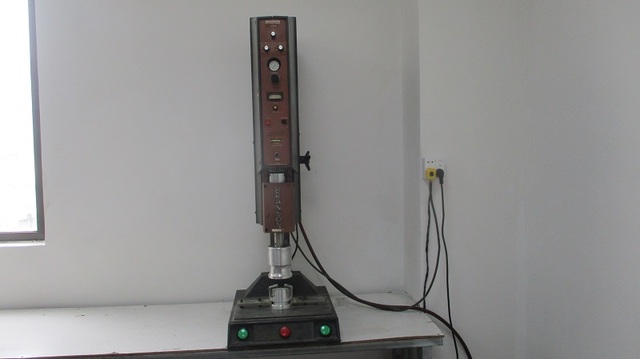
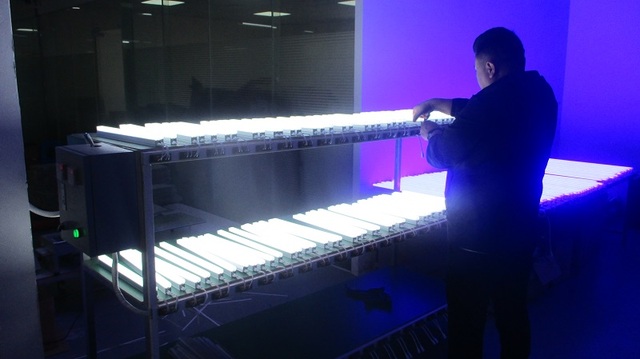
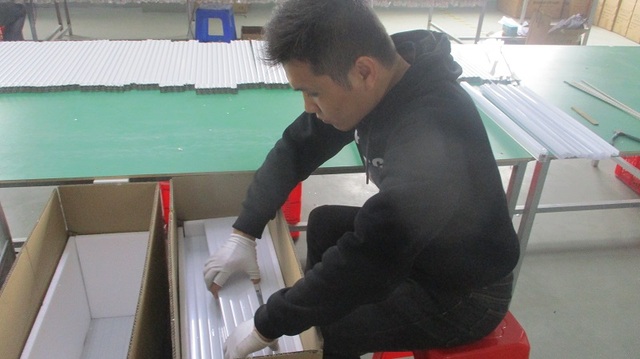
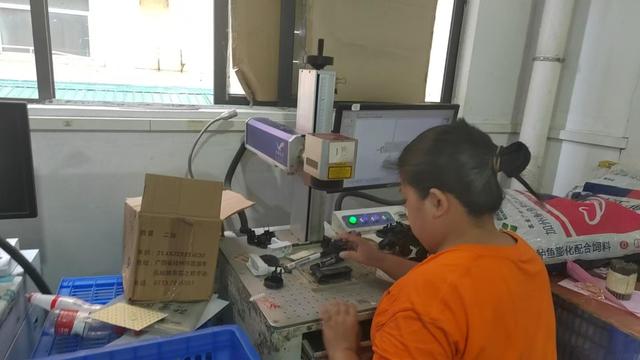
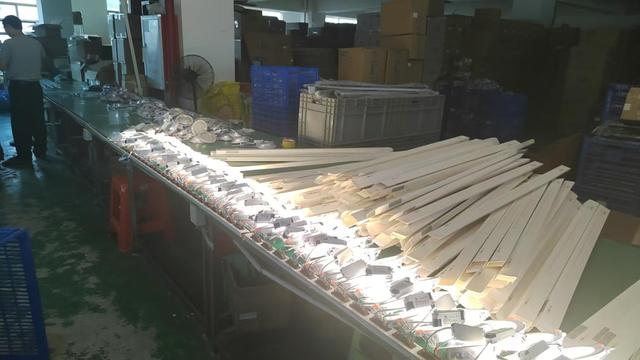
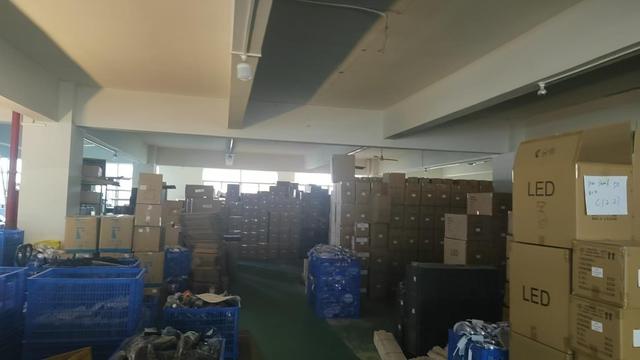
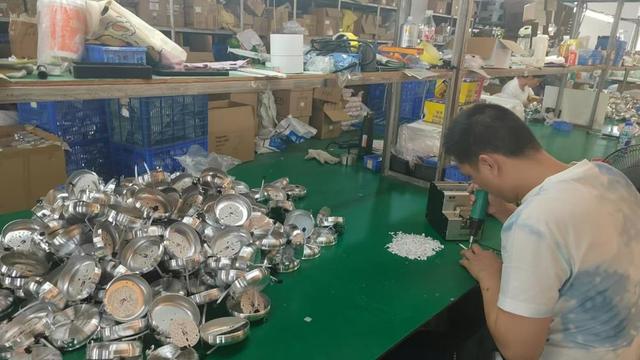
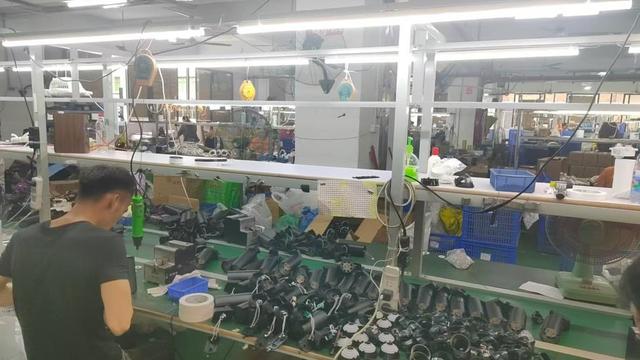
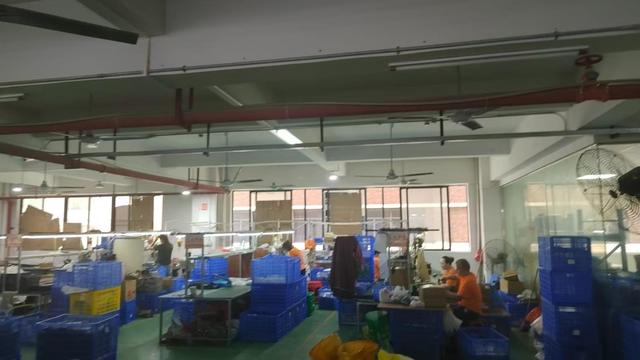
Inside our state-of-the-art production lines, photometrics labs, and quality control departments.
Discover highly engineered systems for architectural accents, safety signaling, events, and customized luxury builds.
 Bluu Light