In the evolving landscape of global lighting procurement, identifying top-tier suppliers requires looking beyond pricing. As a leader in commercial decorative illumination, Guangzhou Bluu Light Co., Ltd. exemplifies the "China 4.0" transition. By integrating IoT-enabled manufacturing, AI-driven quality control, and predictive maintenance protocols, Chinese manufacturers are shifting from simple assembly to value-added engineering partners.
The future of illumination is not just about lumen output; it is about Human-Centric Lighting (HCL) and connectivity. Our research indicates a major shift toward smart control integration (DALI, Zigbee, and Bluetooth Mesh). Future-proof suppliers must invest in R&D that prioritizes adaptive lighting profiles—adjusting color temperature and intensity based on circadian rhythms and real-time environmental data. Factories like Bluu Light are at the forefront, bridging the gap between hardware durability and intelligent digital controls.
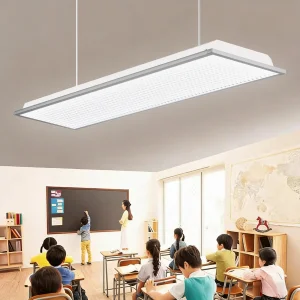
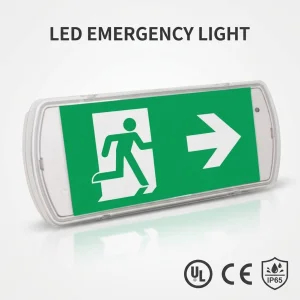
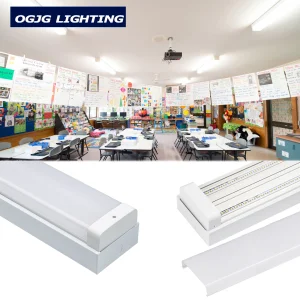
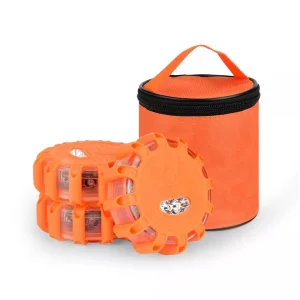
Modern procurement demands vertical-specific expertise. Whether it is an IP65 waterproof emergency system for industrial hazards, specialized eye-protection lighting for educational institutions, or architectural spotlights for hospitality, the industry has moved towards modular design. By standardizing high-performance components (such as reliable Bsmj capacitors for energy efficiency), manufacturers are drastically reducing total cost of ownership (TCO) for global infrastructure projects.
A: Look for ISO certifications and specific product certifications like UL, ETL, CE, and TUV. Leading suppliers, such as Bluu Light, utilize rigorous in-house lab testing and independent third-party validation to ensure compliance with international markets.
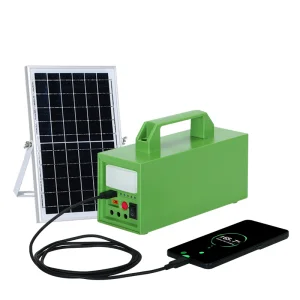
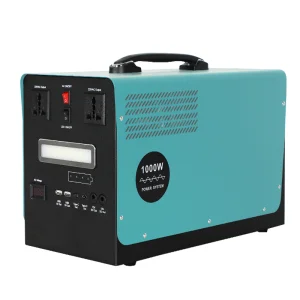
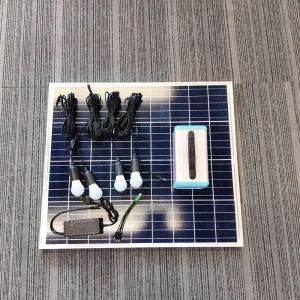
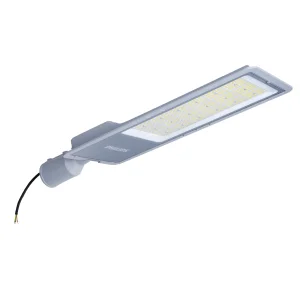
A: The trend is shifting towards recyclable materials, modular components that allow for easy repair rather than replacement, and solar-integrated systems (such as portable solar generators and hybrid street lights) that minimize dependence on grid power.
A: Engagement at the design phase is critical. Working with a factory that offers end-to-end design consultation—from photometric analysis to thermal management simulation—ensures that the final installation meets both aesthetic and functional requirements.
 Bluu Light