High-specification, certified fixtures designed for demanding commercial, sporting, and hazardous area deployments.
An authoritative analysis of energy transition, policy mandates, and technological trends shaping modern facility illumination.
The global industrial sector is undergoing a rapid transition toward carbon neutrality and smart-factory operations. Today, industrial lighting is no longer treated as a static utility but rather as a highly integrated system that affects operational efficiency, workforce safety, and overall energy management. Driven by the stringent standards set by organizations like the European Commission and the U.S. Department of Energy, industrial facilities are aggressively replacing outdated metal halide and high-pressure sodium lamps with high-efficacy, solid-state LED systems.
Modern industrial sites present severe challenges to lighting equipment. High-ceiling warehouses, heavy fabrication yards, petro-chemical installations, and marine shipping hubs operate under extreme temperatures, high humidity, vibration, and corrosive atmospheres. Consequently, there is an escalating global demand for specialized lighting engineered to withstand ingress (rated up to IP66 and IP69K) and prevent accidents in explosive environments (ATEX/IECEx certified). Wholesale exporters and factories are shifting from selling standalone fixtures to delivering turnkey smart illumination topologies designed for decades of service.
E-E-A-T Focus Insight: Global regulatory frameworks such as EN 12464-1 (Lighting of indoor work places) and OSHA Directive 1926.56 establish precise lumen thresholds, glare limitation indexes (UGR ≤ 19 to 22), and color rendering standards (CRI ≥ 80). Compliance with these frameworks directly impacts facility licensing and workers' compensation metrics, making correct illumination design a fundamental compliance requirement.
A premier Chinese manufacturing and export hub of smart, high-performance LED lighting solutions.
Guangzhou Bluu Light Co., Ltd. is a professional Commercial LED Lighting Manufacturer specializing in smart lighting solutions for retail, office, industrial, and commercial environments. Based in Guangzhou, China, the company focuses on the development, manufacturing, and supply of energy-efficient LED lighting systems designed to improve illumination quality, operational efficiency, and sustainability across a wide range of applications.
With a strong commitment to innovation and performance, Bluu Light offers comprehensive lighting solutions for commercial buildings, office spaces, retail stores, warehouses, industrial facilities, hospitality venues, educational institutions, healthcare environments, and outdoor infrastructure projects. The company integrates advanced LED technology with intelligent lighting controls to help customers optimize energy consumption, enhance visual comfort, and reduce long-term operating costs.
Bluu Light emphasizes product reliability, engineering expertise, and project-oriented customization. Its experienced technical team works closely with clients, architects, contractors, and distributors to develop lighting solutions that meet specific project requirements, industry standards, and environmental objectives. From lighting design consultation and product selection to manufacturing and project support, the company provides end-to-end services for diverse commercial lighting applications.
Tailored technological configurations for diverse industrial scales and architectural demands.
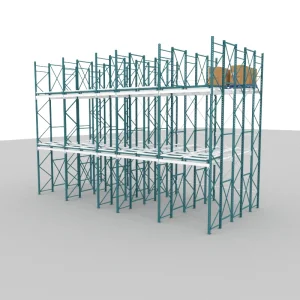
High-altitude racking and customized attic shelving demand specialized optical distributions. Narrow-beam linear trunking systems project light directly down aisles without spilling energy onto vertical racking, increasing picking speed and overall forklift navigation safety.
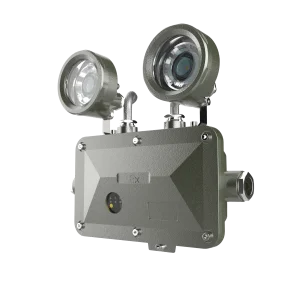
Refineries, underground mining pits, and powder-processing facilities face risk from explosive vapours and fine particulates. Heavy-duty explosion-proof enclosures, double-chambered heat dissipative structures, and high-temp battery-backed units prevent sparking and maintain illumination.
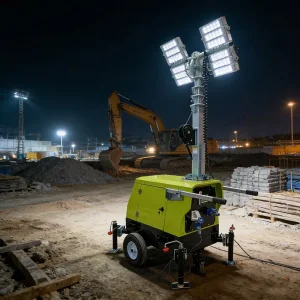
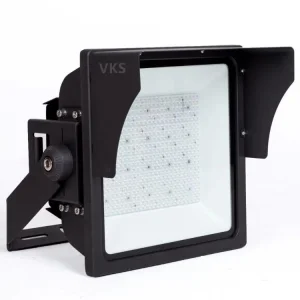
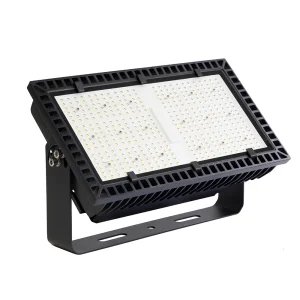
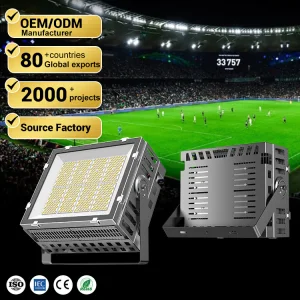
High-lumen outputs reaching over 100,000 lumens are mandatory for large-scale outdoor projects and sports arenas. Incorporating asymmetrical optic lenses reduces spill light and glares, catering to HD television broadcasting and high-speed motion capture for players.
Analyzing the technical features driving industrial lighting efficiency from 2025 to 2030.
As the industrial sector moves into the era of Industry 4.0, LED technology continues to advance. Development is focused on thermal dissipation optimization, integrated driver-on-board (DOB) layouts, and highly robust structural designs. By moving away from fragile electrolytic capacitors in driver boards, manufacturers are achieving actual operating lifetimes that exceed 100,000 hours, matching the expected life of the LED chips themselves.
High thermal dissipation is critical to preventing lumen degradation. Modern R&D is adopting high-purity aluminum alloys, graphene coatings, and active copper vapor-chamber heat sinks. In high-wattage configurations (such as 800W and 1000W stadium floodlights), these materials reduce the junction temperature (Tj) of LED dies, maintaining luminous efficacy above 150 Lm/W even under sustained operation in 50°C ambient temperatures.
The transition from isolated fixtures to connected nodes is driven by open protocols:
Factory Testing Standards: Every batch exported from high-reliability hubs undergoes rigorous testing, including highly accelerated life testing (HALT), salt-spray exposure for coastal deployment validation, and vibration testing simulating industrial machinery environments.
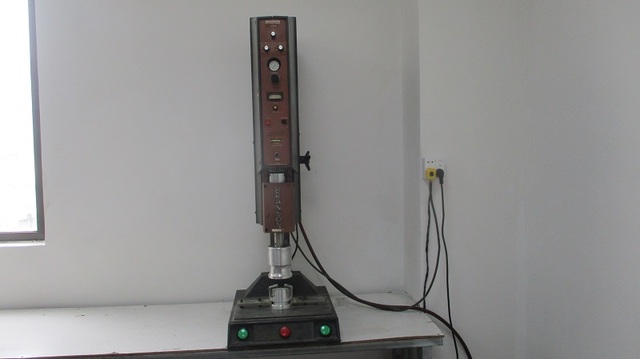
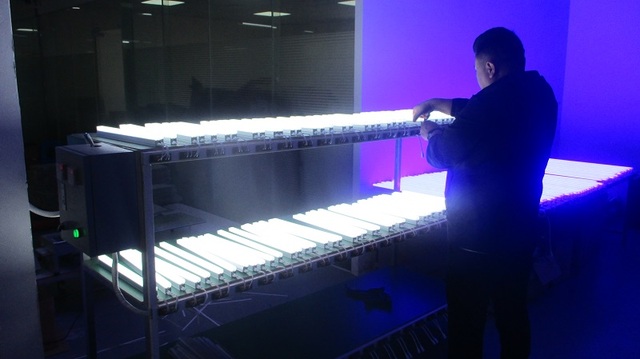
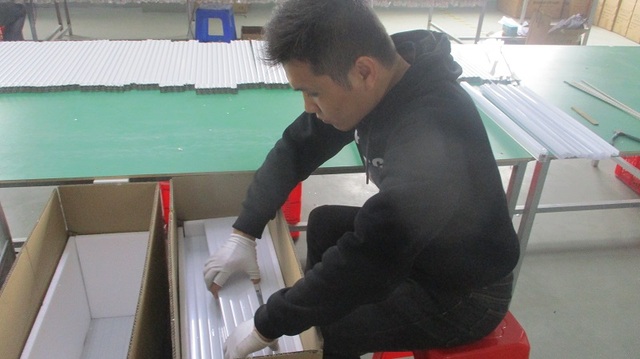
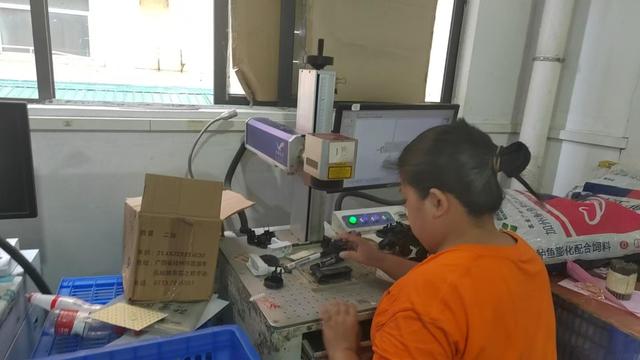
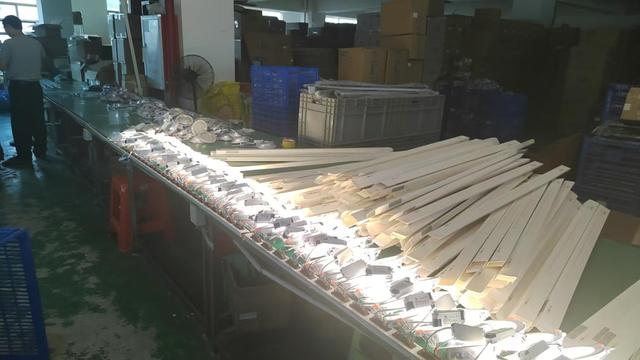
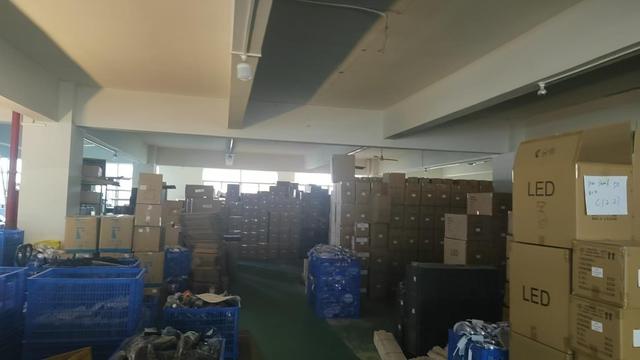
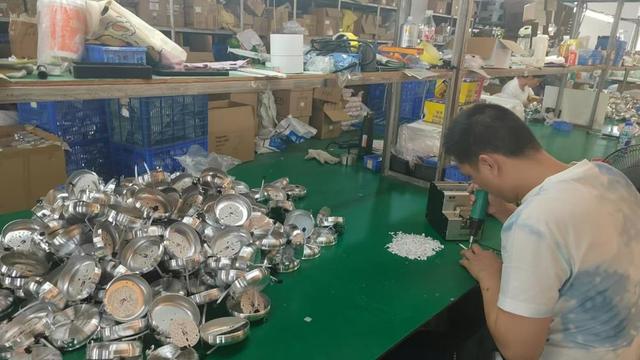
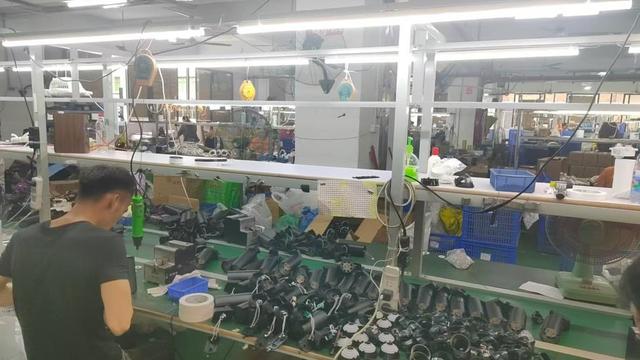
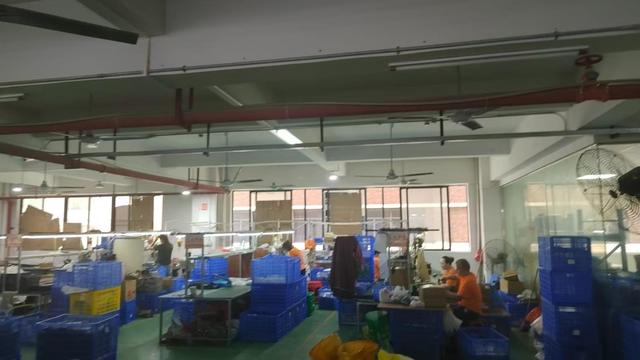
Rigorous quality control and precise assembly lines ensuring international standard compliance.
Equipped with modern production facilities and rigorous quality management systems, Bluu Light maintains strict control throughout the manufacturing process to ensure consistent product performance and durability. The company continually invests in research and development to advance smart lighting technologies, energy-saving innovations, and intelligent control systems that support the evolving needs of global markets.
The manufacturing facility integrates high-speed automated SMD pick-and-place systems, robust wave soldering machinery, and climate-controlled aging rooms. Every fixture is subjected to a minimum 24-hour high-voltage aging test and rapid switching cycles to screen out infant component failures before shipment.
How technical designs address environmental challenges in key global markets.
Low temperatures significantly impact battery life for emergency lights and standard driver efficiency. Deploying drivers rated down to -40°C with self-warming lithium-iron-phosphate (LiFePO4) battery modules ensures emergency systems remain active during power interruptions.
High ambient temperatures combined with fine abrasive dust degrade optical plastics. Using high-purity tempered glass optics alongside MPPT solar controllers and IP67-rated solar battery housings helps ensure high efficiency despite intense heat and UV exposure.
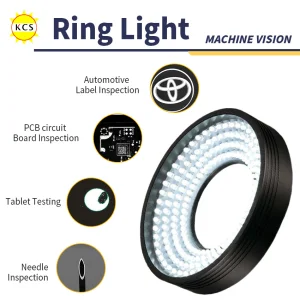
Automated production with high-resolution machine vision inspection systems requires flicker-free, color-accurate illumination. Low ripple-current LED drivers matched with high CRI (CRI ≥ 90) rings prevent optical signal interference and false rejection rates on automated assembly lines.
Expert answers regarding parameters, installation safety, and procurement considerations.
High-reliability structures, smart streetlights, and architectural arrays for long-term project viability.
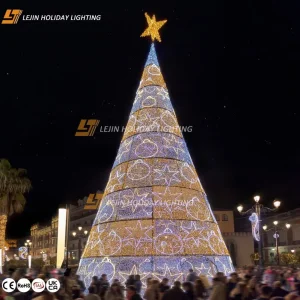
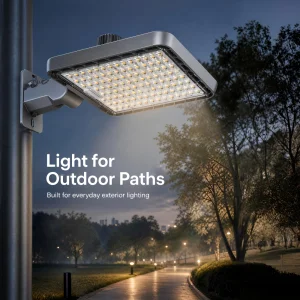
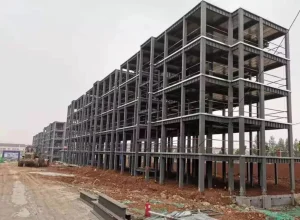
Delivering robust lighting solutions across key international trade networks.
Serving customers across North America, Europe, Asia, the Middle East, South America, and other international regions, Guangzhou Bluu Light Co., Ltd. is dedicated to delivering reliable commercial LED lighting solutions that combine efficiency, functionality, and long-term value for modern businesses and infrastructure projects worldwide.
By leveraging optimized maritime, air, and overland freight pathways from Guangzhou’s major transport terminals, the company ensures timely and compliant shipping of industrial consignments. Dedicated supply-chain support helps streamline customs clearance and verify adherence to region-specific importation codes, allowing for seamless integration into target project sites.
 Bluu Light