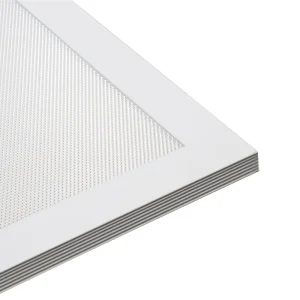
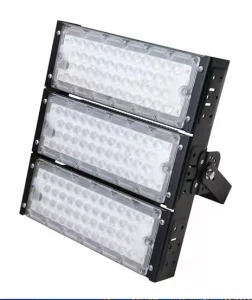
Expert insights into high-accuracy lighting solutions for laboratories, cleanrooms, and high-performance scientific institutions.
In modern industrial and scientific landscapes, research facilities represent the pinnacle of precise engineering, safety compliance, and technological development. From semiconductor cleanrooms and pharmaceutical biosafety laboratories (BSL-1 to BSL-4) to aerospace testing facilities and advanced material R&D centers, lighting systems cannot be treated as mere utilities. They are critical scientific components that directly influence experimental accuracy, human occupational health, and facility safety profiles.
Globally, the research facility lighting market has entered a transformative phase. Industrial growth trends show that global investment in research infrastructure has expanded rapidly, with over $80 billion projected for cleanroom and research space upgrades by 2027. Consequently, the demand for highly specialized luminaires has shifted from basic brightness metrics (lumens) to strict multi-dimensional requirements: spectral integrity, electromagnetic compatibility (EMC), chemical resistance against sterilization agents like Vaporized Hydrogen Peroxide (VHP), precise glare limitation (UGR < 16), and smart automated control protocols (DALI-2 / KNX).
To successfully light a research laboratory, developers must overcome distinct physics-related and physiological challenges. Human errors in tracking microscope assays, assembling microelectronics, or reading chemical test tubes are often exacerbated by poor illumination quality, glare, and circadian disruption.
Luminaires must feature ISO Class 3 to Class 9 cleanroom ratings, offering airtight, double-gasket structures to prevent air particulate exchange and facilitate sterile cleanings.
Scientific electronics are extremely sensitive. Luminaires must strictly comply with CISPR 15 / FCC Part 15 regulations, filtering electromagnetic interference that might skew sensitive sensor readouts.
High-fidelity applications call for strict color rendering metrics, specifically TM-30-18 indices (Fidelity index Rf > 92, Gamut index Rg ~ 100), ensuring critical chemical changes are noticed instantly.
An inside look at the supply chain depth, raw material advantages, and localized engineering efficiencies.
For global project developers and sourcing heads, choosing Chinese manufacturers for research facility luminaires is no longer just a cost-reduction strategy. It is a strategic move to access advanced industrial technology and unparalleled speed-to-market. China's industrial lighting hubs, particularly in Guangzhou and the Pearl River Delta, combine several essential supply-chain pillars that other regions find difficult to replicate.
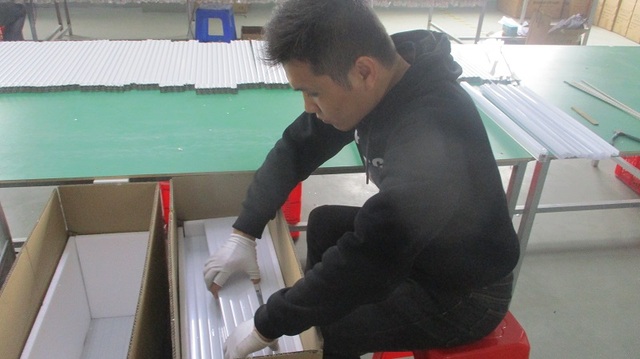
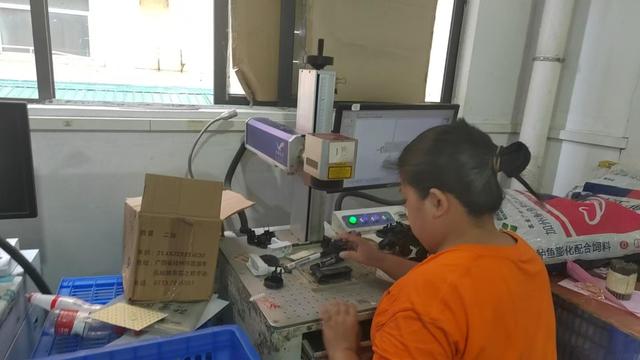
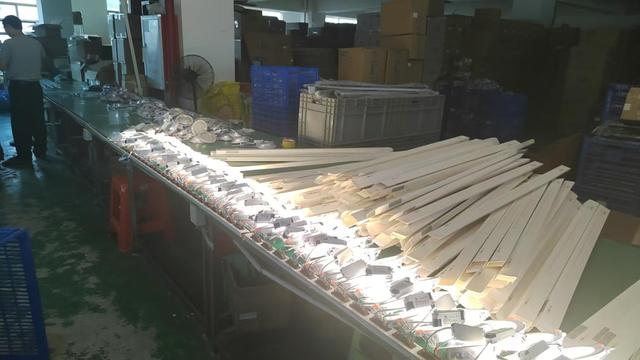
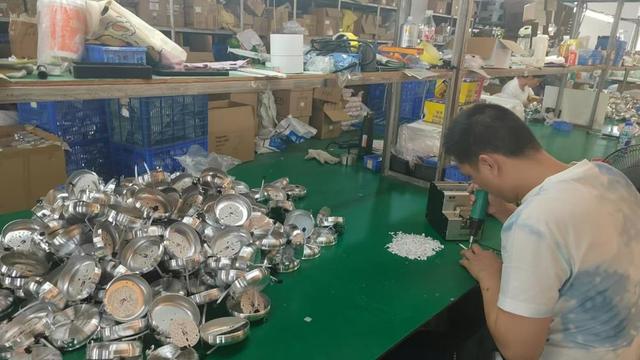
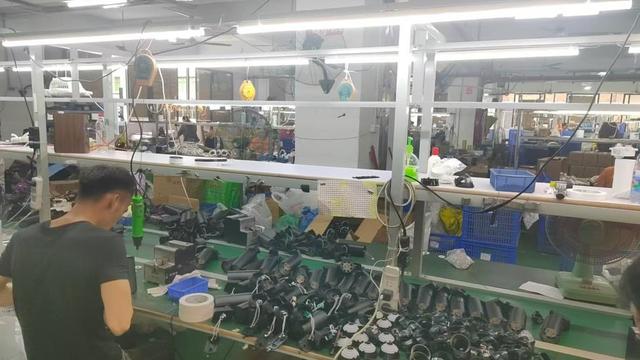
These strengths include end-to-end component manufacturing—ranging from ultra-clear low-iron tempered glass and precision-extruded aviation-grade aluminum to high-density SMD LED packaging and advanced, localized automated assembly lines. By producing structural heat sinks, custom-molded PMMA optical diffusers, and isolated constant-current driver assemblies within a unified regional ecosystem, China's manufacturers can significantly shorten the design-to-prototype cycle.
Different types of research facilities require custom-engineered lighting layouts. A one-size-fits-all approach is not suitable when handling complex, variable environments.
In semiconductor manufacturing, photolithography processes are extremely sensitive to ultraviolet and short-wavelength blue light. Under standard lighting, micro-wafers can degrade during exposure. Specialized cleanroom manufacturers address this by producing teardrop or surface-mounted luminaires with precise yellow filters. These filters cut off all wavelengths below 500 nanometers, ensuring the photolithography environment remains chemically stable while maintaining visual comfort and meeting ISO Class 1 cleanliness requirements.
Biomedical research facilities (BSL-3/BSL-4) and wet chemical laboratories involve regular exposure to corrosive chemicals, biological agents, and aggressive sanitization protocols. Luminaires in these spaces must have a high ingress protection rating (IP69K) and be constructed from chemically resistant materials, such as 316-grade stainless steel or corrosion-proof polymer resins. Additionally, because these rooms are pressurized to contain pathogens, the light fixtures must feature gas-tight seals to prevent air leakage.
In vivarium facilities, maintaining the test subjects' circadian rhythms is crucial to experimental consistency. Lighting systems in these areas must provide smooth, flicker-free dimming (down to 0.1%) and the ability to shift color temperatures dynamically. By mimicking natural day-night cycles with automated spectral tuning, researchers can ensure physiological stability in test models.
The research lighting industry is moving quickly beyond simple static fixtures. Today's facilities are adopting advanced, interconnected, and human-centric systems.
A trusted global partner for high-precision commercial, educational, and research-grade LED lighting environments.
Guangzhou Bluu Light Co., Ltd. is a professional Commercial LED Lighting Manufacturer specializing in smart lighting solutions for retail, office, industrial, and commercial environments. Based in Guangzhou, China, the company focuses on the development, manufacturing, and supply of energy-efficient LED lighting systems designed to improve illumination quality, operational efficiency, and sustainability across a wide range of applications.
With a strong commitment to innovation and performance, Bluu Light offers comprehensive lighting solutions for commercial buildings, office spaces, retail stores, warehouses, industrial facilities, hospitality venues, educational institutions, healthcare environments, and outdoor infrastructure projects. The company integrates advanced LED technology with intelligent lighting controls to help customers optimize energy consumption, enhance visual comfort, and reduce long-term operating costs.
Bluu Light emphasizes product reliability, engineering expertise, and project-oriented customization. Its experienced technical team works closely with clients, architects, contractors, and distributors to develop lighting solutions that meet specific project requirements, industry standards, and environmental objectives. From lighting design consultation and product selection to manufacturing and project support, the company provides end-to-end services for diverse commercial lighting applications.
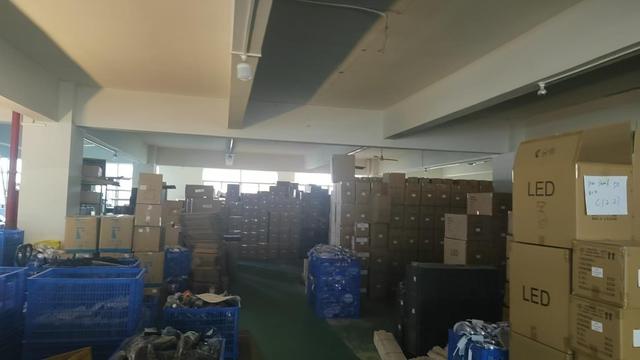
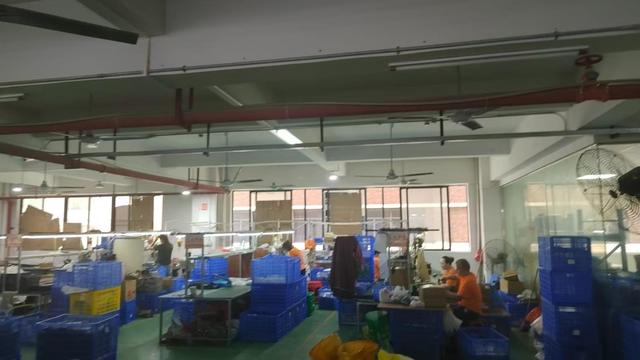
Equipped with modern production facilities and rigorous quality management systems, Bluu Light maintains strict control throughout the manufacturing process to ensure consistent product performance and durability. The company continually invests in research and development to advance smart lighting technologies, energy-saving innovations, and intelligent control systems that support the evolving needs of global markets.
Serving customers across North America, Europe, Asia, the Middle East, South America, and other international regions, Guangzhou Bluu Light Co., Ltd. is dedicated to delivering reliable commercial LED lighting solutions that combine efficiency, functionality, and long-term value for modern businesses and infrastructure projects worldwide.
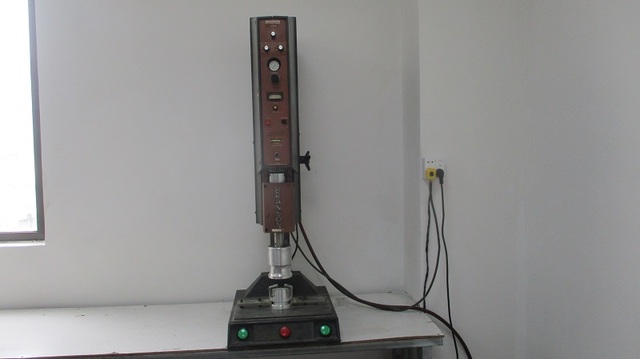
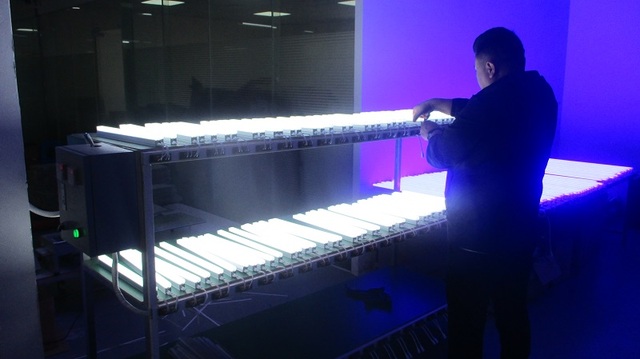
Purchasing technical equipment from international suppliers requires careful verification. Global buyers can use this framework to streamline quality assurance processes.
| Evaluation Step | Critical Requirements & Certifications | Why It Matters |
|---|---|---|
| 1. Electrical Safety & Compliance | UL 1598, ENEC, CE, CB (TUV/SUD) | Prevents electrical hazards and ensures compatibility with local power grids. |
| 2. Environmental Protection | IP65, IP66, IP69K, ISO cleanroom certifications | Ensures the luminaire maintains its dust and moisture seals during sanitation. |
| 3. Electromagnetic Compatibility | CISPR 15, FCC Part 15 / Class B certification | Protects sensitive laboratory instruments from electromagnetic interference. |
| 4. Color & Spectral Performance | CRI > 90, R9 > 50, TM-30 report verification | Provides accurate color rendering, which is essential for detailed visual work. |
In addition to reviewing certifications, buyers should evaluate a manufacturer's customization capabilities. A reliable partner should be able to adjust drivers, modify optical lens distributions, and offer support for emergency backup power integration (such as UL924 compliant setups).
Answers to common technical queries from facility managers, engineering specifiers, and procurement agents.
 Bluu Light