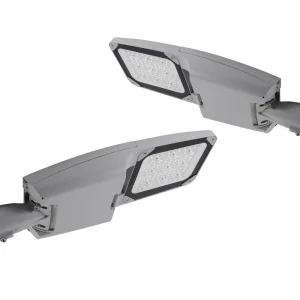
In the contemporary sports and entertainment architecture paradigm, lighting systems are no longer regarded as mere electrical utilities. Instead, they represent critical, high-performance systems crucial for regulatory compliance, audience visual experience, high-definition broadcasting fidelity, and community environmental integration. As municipal planning boards, private venue developers, and multi-sport complexes globalize their asset expectations, the demand for high-efficiency LED Sports Field Lighting Systems has surged. This evolution is driven by the global transition away from legacy Metal Halide (MH) and High-Pressure Sodium (HPS) sources, targeted at minimizing carbon footprints and optimizing operational expenditures.
Globally, municipal and private procurement teams evaluate sports lighting platforms through a multi-dimensional matrix. In regions like North America and the European Union, strict local environmental ordinances prohibit light intrusion (spill light) into surrounding residential neighborhoods, requiring advanced asymmetric optical geometries. Concurrently, regional sport governing bodies (such as FIFA, UEFA, ITF, and the NCAA) impose precise horizontal and vertical lux distribution criteria, glare control limits (Unified Glare Rating, or UGR), and color temperature specifications depending on the level of competition. Chinese manufacturing hubs, spearheaded by advanced developers like Guangzhou Bluu Light Co., Ltd., have systematically transformed their output from basic assembly to specialized OEM/ODM optical engineering. By integrating IoT-enabled smart controls, specialized thermal modeling, and premium grade components, Chinese suppliers now lead the global supply chain, serving international stadiums, public parks, educational institutions, and high-mast transport yards.
Achieving the rigorous performance levels mandated by international sports leagues requires comprehensive engineering across three core pillars of lighting technology: optical design, thermal management, and intelligent system control integration.
Traditional symmetrical optics distribute light in circular cones, generating excessive glare and light pollution. Modern sports field lighting utilizes precise PMMA or polycarbonate asymmetric lenses. These guide light rays directly to the active playing surface, creating sharp beam cutoffs that eliminate sky glow and light intrusion into adjacent properties, while maximizing the utilization factor of every watt consumed.
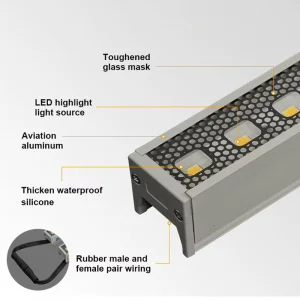
High-power floodlights (often ranging from 400W to 1200W+) generate substantial heat. Without adequate thermal release mechanisms, junction temperatures soar, resulting in rapid lumen decay and driver failures. Leading suppliers employ die-cast or cold-forged aircraft-grade aluminum heat sinks featuring built-in convection channels to ensure that the LED junction remains below 75°C.
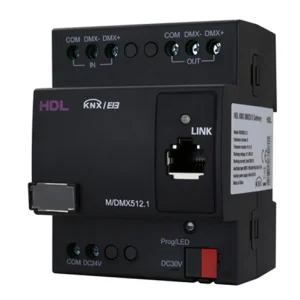
The integration of DMX512, DALI-2, and wireless IoT protocols (such as Zigbee or PLC) allows operators to dim fixtures dynamically based on current usage. Systems can be configured for training levels (200-300 lux), official matches (500-750 lux), or broadcasting levels (1000+ lux). In addition, pre-programmed show light displays add interactive entertainment value.
To guarantee performance integrity, these components must work cohesively. The choice of the internal LED chip (e.g., Lumileds, Osram, or Cree) coupled with highly reliable programmable drivers (e.g., Inventronics, MeanWell, or Sosen) dictates the optical and electrical stability. By leveraging robust designs, stadiums avoid flickering during high-speed, slow-motion TV replays—a critical parameter for modern 4K and 8K UHD sports broadcasting.
Procuring lighting infrastructure requires navigating complex industrial supply chains. Enterprise buyers (municipal developers, EPC contractors, and club management) must balance immediate capital expenditure (CapEx) against long-term operating costs (OpEx). Sourcing directly from top-tier Chinese factories provides access to advanced design capabilities, certified performance compliance, and significant economies of scale.
Reliable suppliers deliver detailed Dialux simulations showing exact horizontal/vertical illuminance, uniformity ratios (U0 and U1), and glare indexes. This ensures the physical installation meets or exceeds expectations before a single fixture is manufactured.
Outdoor fixtures are exposed to extreme environmental challenges. Top factories utilize testing rigs for IP66/IP67 ingress ratings, IK08/IK10 impact resistance, salt spray corrosion testing for coastal deployments, and high-velocity wind tunnel evaluations.
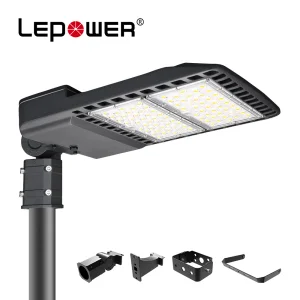
Retrofitting legacy high-mast towers demands physical layout flexibility. Suppliers engineer bespoke brackets, including slip-fitters, yoke mounts, and multi-angle brackets, resolving compatibility challenges with existing poles.
As a major contributor to the industrial landscape, Guangzhou Bluu Light Co., Ltd. stands as a professional Commercial LED Lighting Manufacturer specializing in smart lighting solutions for retail, office, industrial, and commercial environments. Based in Guangzhou, China, the company focuses on the development, manufacturing, and supply of energy-efficient LED lighting systems designed to improve illumination quality, operational efficiency, and sustainability across a wide range of applications.
With a strong commitment to innovation and performance, Bluu Light offers comprehensive lighting solutions for commercial buildings, office spaces, retail stores, warehouses, industrial facilities, hospitality venues, educational institutions, healthcare environments, and outdoor infrastructure projects. The company integrates advanced LED technology with intelligent lighting controls to help customers optimize energy consumption, enhance visual comfort, and reduce long-term operating costs.
Bluu Light emphasizes product reliability, engineering expertise, and project-oriented customization. Its experienced technical team works closely with clients, architects, contractors, and distributors to develop lighting solutions that meet specific project requirements, industry standards, and environmental objectives. From lighting design consultation and product selection to manufacturing and project support, the company provides end-to-end services for diverse commercial lighting applications.
Equipped with modern production facilities and rigorous quality management systems, Bluu Light maintains strict control throughout the manufacturing process to ensure consistent product performance and durability. The company continually invests in research and development to advance smart lighting technologies, energy-saving innovations, and intelligent control systems that support the evolving needs of global markets. Servicing customers across North America, Europe, Asia, the Middle East, South America, and other international regions, Guangzhou Bluu Light Co., Ltd. is dedicated to delivering reliable commercial LED lighting solutions that combine efficiency, functionality, and long-term value for modern businesses and infrastructure projects worldwide.
Exporting high-voltage, high-wattage luminaires globally demands rigorous adherence to regional safety and environmental frameworks. Sourcing from quality-certified Chinese manufacturers guarantees that products carry standard global compliance marks, easing customs clearance, structural installation, and municipal approvals.
Furthermore, top-tier Chinese manufacturers cooperate with local distribution networks and logistics hubs to offer global support, including field measurement services, commissioning of DMX control platforms, and long-term warranty logistics. This robust framework ensures that commercial and public field installations maintain steady operations, backed by up to 5 to 10-year replacement warranties.
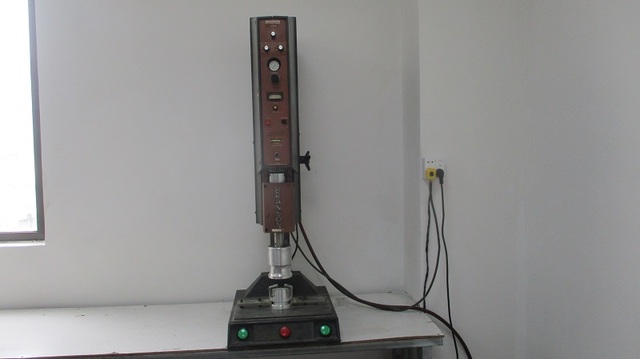
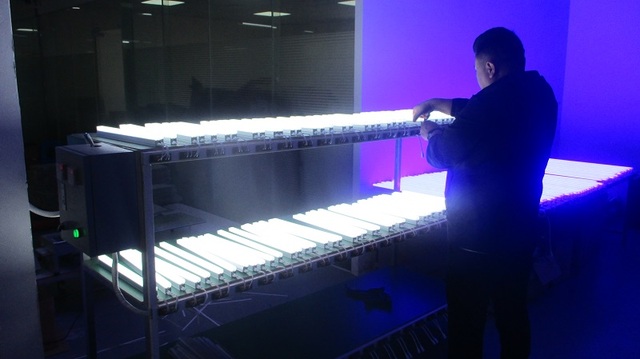
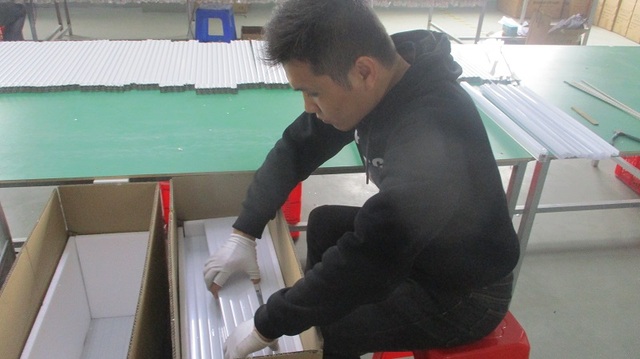
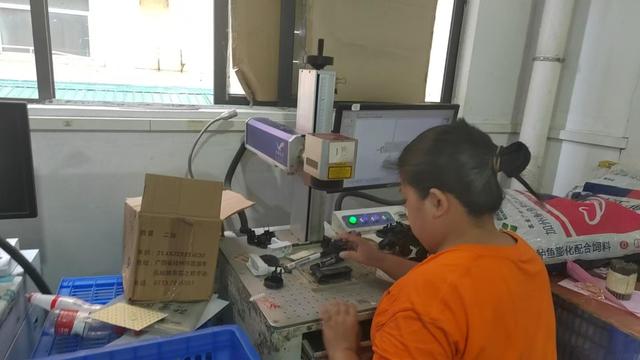
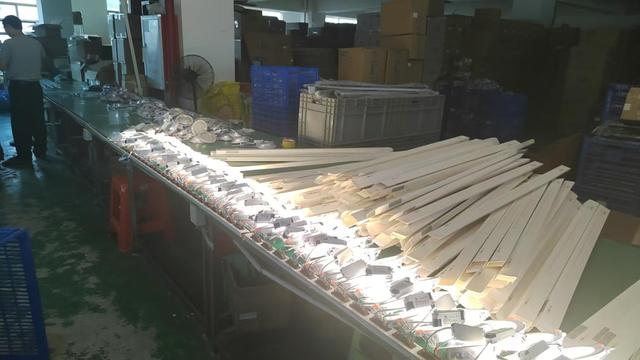
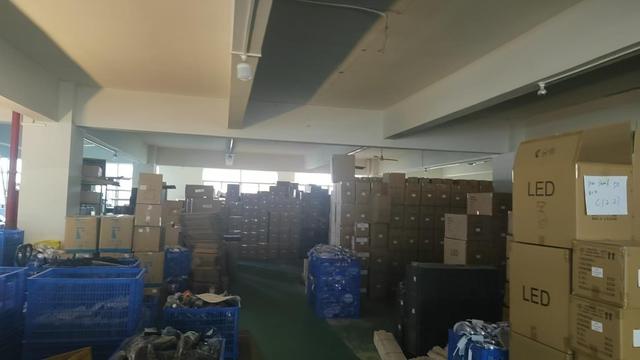
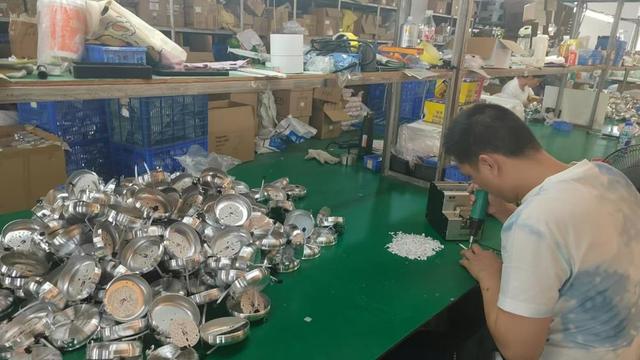
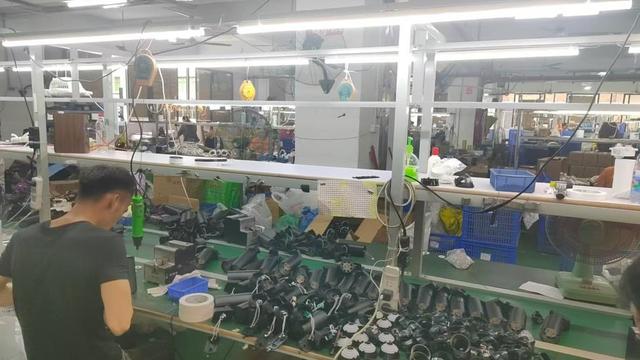
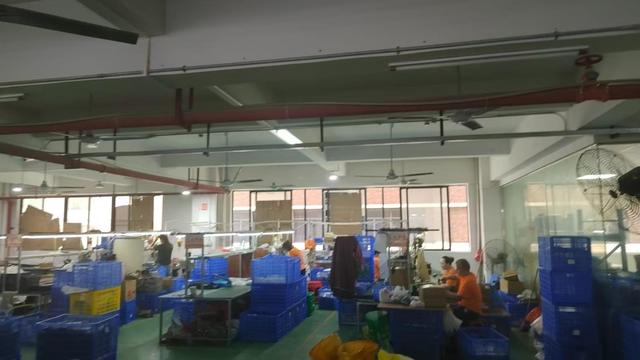
Below is an inside view of our modern production floor, assembly lines, high-precision manufacturing systems, and rigorous quality inspection processes. These operations help ensure that every lighting system matches international engineering specifications before distribution.
 Bluu Light