How to Understand Smart Commercial Lighting Solutions?

Time:2026-07-05 Author:Mason
0%

As businesses increasingly seek efficiency and sustainability, smart commercial lighting solutions are becoming essential. Understanding "what is smart commercial lighting" is crucial in this transition. According to a recent report from the Lighting Research Center, smart lighting can reduce energy consumption by up to 70%. These systems employ sensors, IoT technology, and data analytics for optimal performance.

Renowned lighting expert Dr. Jane Smith states, "Smart lighting goes beyond energy efficiency; it's about enhancing the workspace experience." This insight underscores the importance of user-centric design. Smart lighting adapts to various needs, improving not just visibility but also overall well-being.

However, the journey to fully embracing smart lighting is not without challenges. Many organizations struggle with integration. They may also face initial investment hurdles despite long-term savings. Understanding the technology and its benefits is vital. Businesses must weigh these factors carefully. Advanced technology does not always guarantee immediate advantages.
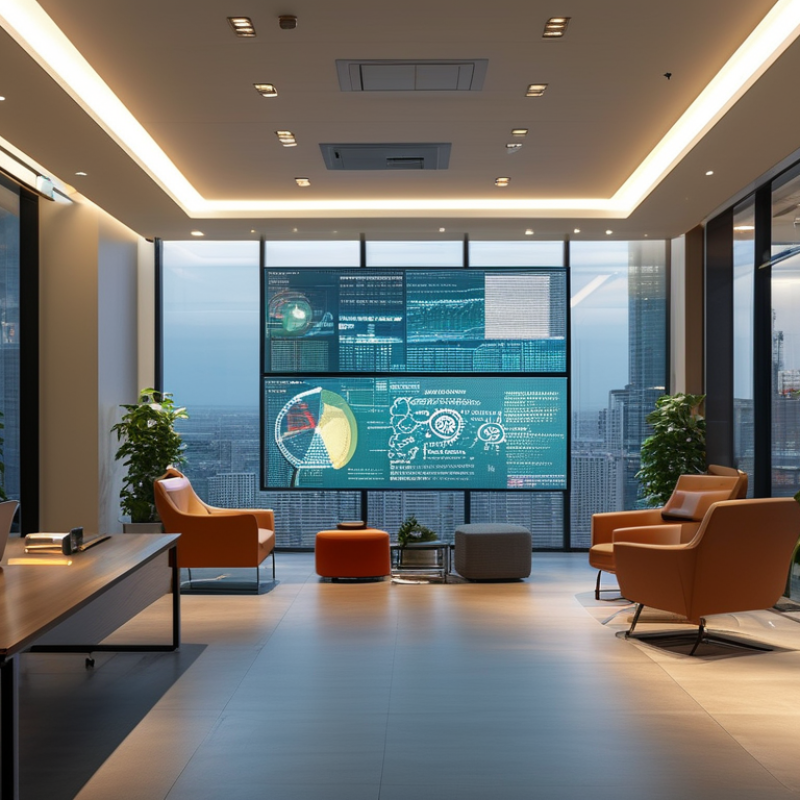
How to Understand Smart Commercial Lighting Solutions?

What Are Smart Commercial Lighting Solutions?

Smart commercial lighting solutions revolutionize how businesses approach energy efficiency and ambiance. These systems are designed to adapt to various environments, providing tailored lighting based on specific needs. For instance, they can adjust brightness based on natural light availability, benefiting both employee productivity and energy savings.

These integrated solutions use sensors and smart controls to create dynamic lighting scenarios. Motion sensors can turn lights off in unoccupied spaces, while daylight sensors optimize artificial light usage. This functionality not only reduces electrical costs but also enhances the overall aesthetic of a space. However, businesses need to assess their specific requirements to avoid over-complicating systems. Not every company will need the same level of sophistication in their smart lighting solutions.

The transition to smart lighting requires thoughtful implementation. This includes considering the unique characteristics of each space. While the potential benefits are substantial, the initial investment and ongoing maintenance can be daunting. Stakeholders might ponder if the long-term gains will outweigh these challenges. Adaptation and flexibility are key, as the technology continues to evolve.

How to Understand Smart Commercial Lighting Solutions? - What Are Smart Commercial Lighting Solutions?

Feature Description Benefits Use Cases
Energy Efficiency Smart lighting systems automatically adjust brightness based on occupancy and natural light. Reduced energy costs and lower carbon footprint. Offices, retail spaces, and warehouses.
Control and Automation Can be controlled remotely via smartphones or integrated into building management systems. Increased convenience and flexibility in lighting control. Corporate offices, conference rooms, and schools.
Smart Sensors Includes motion and ambient light sensors that respond to the environment. Enhances user comfort while minimizing unnecessary light use. Public buildings, educational institutions, and healthcare facilities.
Data Analytics Collects data regarding usage patterns to optimize lighting performance. Informed decision-making and improved space utilization. Large commercial spaces, shopping malls, and airport terminals.
Integration with Smart Systems Can be integrated with other smart technologies like HVAC and security systems. Seamless operation and enhanced building efficiency. Smart buildings, museums, and hotels.

Key Features of Smart Commercial Lighting Systems

Smart commercial lighting systems are revolutionizing the way businesses operate. These solutions offer a combination of energy efficiency and enhanced control. According to a recent report by the U.S. Department of Energy, commercial buildings can save up to 60% on energy costs with smart lighting solutions. This energy efficiency is largely due to advanced technologies like LED lighting and integrated sensors.

Key features of these systems include occupancy sensors, which detect when rooms are empty. This allows lights to automatically dim or turn off, reducing energy waste. Additionally, many smart lighting systems support connectivity with building management systems. This connectivity enables real-time monitoring and adjustments based on occupancy and ambient light levels. In fact, research from Navigant Consulting suggests that using smart lighting can improve employee productivity by 20% by providing optimal lighting conditions.

While the benefits are clear, challenges remain. Not all buildings are compatible with smart lighting upgrades. Retrofitting older infrastructures can be costly and complex. Data security is another concern, as interconnected systems can be vulnerable to cyber threats. Businesses must weigh these factors carefully before investing. As the lighting landscape evolves, continual assessment and adaptation will be essential for optimal performance.

Benefits of Implementing Smart Lighting in Businesses

Smart lighting solutions are transforming the way businesses operate. Implementing these systems leads to numerous benefits, including energy efficiency and enhanced productivity. A report from the American Council for an Energy-Efficient Economy (ACEEE) indicates that smart lighting can reduce energy consumption by up to 70%. This means significant cost savings for businesses over time.

Moreover, intelligent lighting adjusts based on occupancy and natural light. This adaptability not only conserves energy but also creates a more comfortable atmosphere for employees and customers. Studies show that environments with dynamically controlled lighting can improve focus and satisfaction by 30%.

However, some businesses struggle with the initial costs and complex installation processes of smart lighting systems. This can be a barrier that they must navigate carefully.

Furthermore, automation in lighting can lead to occasional overreliance on technology. For instance, if a system malfunctions, it might cause disruptions. Proper training and regular maintenance are essential to ensure seamless operation. Addressing these potential challenges is crucial for reaping the full benefits of smart lighting.

Understanding the Technology Behind Smart Lighting

Smart commercial lighting solutions combine innovative technology and user-friendly interfaces. These systems enhance efficiency, reduce energy consumption, and provide customizable lighting options. Understanding the technology behind smart lighting is essential for businesses seeking to optimize their workspace.

Smart lighting relies on sensors, connectivity, and automation. Sensors detect motion and ambient light, adjusting output accordingly. Wireless connectivity ensures integration with other smart devices. These elements work together to create responsive lighting environments. However, it’s vital to recognize potential pitfalls. Connectivity issues can disrupt operations, leading to frustration.

Tips: Ensure proper installation of sensors to maximize effectiveness. Test network stability regularly to avoid connectivity lapses. Consider how different light colors can affect mood and productivity. Creating a balanced atmosphere is crucial, but don’t overlook individual preferences. A thoughtful approach allows for flexibility in lighting design while avoiding rigidity in your setup.

Understanding Smart Commercial Lighting Solutions: Adoption Rates by Technology Type

Best Practices for Choosing Smart Commercial Lighting Solutions

When selecting smart commercial lighting solutions, focus on your specific needs. Consider the layout of your space. Evaluate how much natural light is available. This will affect the type of lighting that works best for you.

Tip: Assess the activities in each area. Different spaces may require different lighting intensities. A conference room may need brighter lights to enhance focus, while a break room should feel warm and inviting.

Technology integration is crucial. Look for options that fit with your existing systems. Ensure compatibility with smart controls. Automated features can improve energy efficiency and reduce costs.

Tip: Always check for user reviews and case studies. These insights can highlight potential issues that may arise. It’s wise to plan for growth. What works today might not meet future demands.

Keep aesthetics in mind. The look of your lighting should complement your brand. Ensure it aligns with your interior design. This creates a cohesive environment that enhances your commercial space's overall appeal.

FAQS

: What are smart commercial lighting systems?

: Smart commercial lighting systems improve energy efficiency and control in businesses using advanced technologies.

How much energy can businesses save with smart lighting?

Businesses can save up to 60% on energy costs by using smart lighting solutions.

What is the role of occupancy sensors in these systems?

Occupancy sensors detect empty rooms, allowing lights to dim or turn off to save energy.

How can smart lighting impact employee productivity?

Smart lighting can improve productivity by 20% by providing optimal lighting conditions for work.

What challenges might businesses face when upgrading to smart lighting?

Challenges include retrofitting costs for older buildings and potential data security risks.

What should businesses consider when choosing smart lighting solutions?

Consider specific needs, space layout, and natural light availability when selecting lighting solutions.

Why is technology integration important for smart lighting?

It ensures compatibility with existing systems and enhances automation for better energy efficiency.

How can aesthetics influence lighting choices?

The lighting design should complement your brand and interior design for a cohesive environment.

Should businesses plan for future needs with smart lighting?

Yes, what works now may not meet future demands, so planning for growth is important.

Are user reviews helpful when selecting lighting solutions?

Yes, reviews provide insights on potential issues, helping businesses make informed decisions.

Conclusion

Smart commercial lighting solutions refer to advanced lighting systems designed to enhance efficiency, control, and user experience in business environments. These solutions incorporate features such as automated control, energy monitoring, and adaptability to environmental changes. Implementing smart lighting not only improves the ambiance and productivity of a workspace but also leads to significant energy savings and reduced operational costs.

Understanding the technology behind smart lighting involves familiarization with sensors, IoT integration, and data analytics. For businesses considering these solutions, it is essential to evaluate key features and benefits while adhering to best practices in selection to ensure optimal performance and ROI. In summary, what is smart commercial lighting encompasses a blend of innovation and practicality that positions businesses for enhanced sustainability and operational excellence.

Mason

Mason

Mason is a seasoned marketing professional with a deep expertise in the company's offerings and a passion for driving brand awareness. With a strong background in digital marketing strategies, he has an innate ability to connect with diverse audiences and effectively communicate product benefits.......