Large-scale lighting projects now shape how people move, work, and feel across airports, hospitals, factories, stadiums, and city streets. Yet the central question remains: what are the challenges of large-scale lighting projects? The answer extends beyond selecting efficient fixtures. It involves design coordination, procurement, controls, installation quality, maintenance, energy performance, and user comfort.
The International Energy Agency reports that lighting represents about 15% of global electricity consumption. Its analysis also identifies efficient LEDs and connected controls as major opportunities for reducing demand. However, savings are not automatic. A poorly commissioned system may leave sensors misaligned, dimming zones disconnected, or thousands of fixtures operating longer than required. The U.S. Department of Energy’s solid-state lighting research similarly shows that performance depends on more than lamp efficacy. Thermal management, optical design, controls, and installation conditions all influence real-world results.
The details matter.
A stadium roof can create glare on broadcast cameras. A hospital corridor may need consistent illumination throughout the night. A warehouse sensor can mistake moving machinery for occupants. These examples reveal why large projects require measurable specifications, mock-ups, commissioning plans, and documented maintenance procedures. CIE guidance on lighting quality also reinforces the importance of visual comfort, colour rendering, and glare control, not merely lumen output.
Experience adds an uncomfortable lesson: the original design is rarely the final system. Budgets change. Suppliers substitute components. Operators adjust schedules. Therefore, this Top 10 review examines the technical, financial, operational, and human risks that can weaken project outcomes, even when the lighting products themselves appear highly capable.
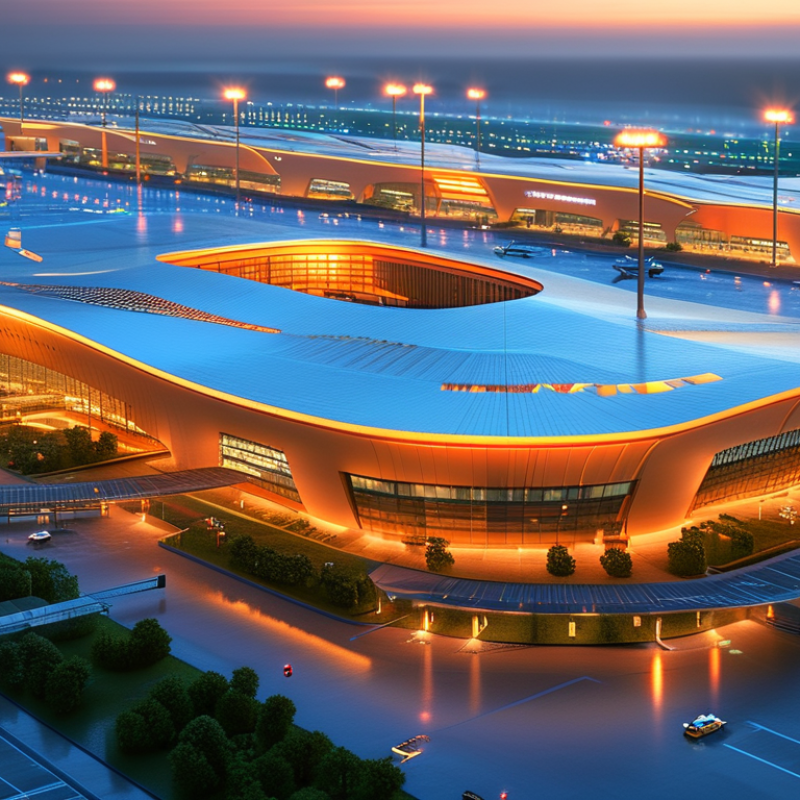
Large scale lighting projects often fail before installation begins. The project scope may include roads, public spaces, buildings, and emergency areas. Each zone needs different brightness, controls, maintenance access, and safety criteria. Clear documentation prevents small changes from becoming costly delays. However, early drawings rarely show every operational problem.
Site assessment requires more than measuring pole locations. Teams should inspect existing wiring, drainage, tree growth, nearby windows, and nighttime activity. A daylight visit can hide glare, dark corners, and uneven illumination. Weather also affects equipment selection, installation schedules, and long-term performance. Local regulations and energy targets must guide the design. Even experienced teams can overlook maintenance vehicles or future construction. That mistake deserves review.
Top 10 Challenges of Large Scale Lighting Projects?
Budget Control, Procurement, and Supply Chain Challenges
Large-scale lighting projects rarely fail because of one dramatic mistake. They usually suffer from small gaps in planning. Scope changes, inaccurate quantities, price volatility, long lead times, limited supplier capacity, quality issues, missing compliance documents, shipping delays, storage costs, and cash-flow pressure can quickly damage a working budget.
Detailed quantity schedules should support every estimate. Each fixture, driver, cable, control component, and spare part needs a clear specification. Allowances for packaging, freight, testing, and site handling are often overlooked. Our early estimates were too optimistic. That mistake was avoidable. A realistic contingency should reflect market conditions, not simply add a convenient percentage.
Procurement needs more than a purchase order. Written approval procedures can prevent unauthorized substitutions and expensive rework. Approved alternatives should be checked for performance, dimensions, control compatibility, documentation, and installation time. Supplier capacity also requires verification before deposits are released. Factory inspections, sample testing, and staged deliveries provide useful control points. Small checks matter.
Supply chain visibility should continue after production starts. A shared delivery schedule can identify risks before materials reach the site. Weather, customs procedures, port congestion, and damaged cartons may still disrupt installation. Secure, dry storage protects sensitive components. Payment milestones should match verified progress, inspection results, and complete documentation. A cheaper unit price can become expensive when delays, replacements, and labor changes are included.
| No. | Challenge | Primary Project Dimension | Typical Exposure or Benchmark | Common Project Effect | Risk Level | Practical Control Measure |
|---|---|---|---|---|---|---|
| 1 | Incomplete Scope Definition | Design and planning | 5–15% design development variance | Late revisions to fixture quantities, controls, mounting details, and electrical requirements can increase cost and disrupt installation sequencing. | High | Freeze performance criteria, lighting levels, control zones, and interface responsibilities before issuing the procurement package. |
| 2 | Budget Control and Cost Escalation | Financial management | 5–12% contingency commonly required | Material price changes, labor rates, freight, taxes, and design changes can consume contingency before project completion. | High | Maintain a cost-loaded bill of quantities, track committed versus forecast cost, and separate approved changes from unallocated risk. |
| 3 | Long-Lead Component Procurement | Procurement scheduling | 8–24 weeks for selected components | Specialized luminaires, control equipment, drivers, emergency units, and custom finishes may determine the critical path. | High | Identify long-lead items during design, approve substitutions in advance, and place controlled early orders for critical components. |
| 4 | Supply Chain Disruption | Logistics and availability | 2–8 weeks potential schedule impact | Port congestion, transport shortages, customs processing, component shortages, or regional disruptions can delay installation activities. | High | Use a supply-chain risk register, monitor order milestones, maintain approved alternatives, and avoid relying on a single production route. |
| 5 | Specification and Compliance Gaps | Quality and regulatory compliance | 100% product documentation required before approval | Missing photometric files, safety certificates, ingress ratings, emergency-lighting data, or control compatibility can cause rejection and rework. | High | Use a compliance matrix covering technical specifications, electrical safety, environmental ratings, testing, documentation, and local code requirements. |
| 6 | Quantity and Takeoff Errors | Cost estimation and materials | 1–5% quantity variance is common without controlled revision | Coordination gaps between drawings, schedules, reflected ceiling plans, and equipment layouts can produce shortages or surplus stock. | Medium | Reconcile the bill of quantities against the latest coordinated drawings and apply revision-controlled quantity checks before each order release. |
| 7 | Interface Coordination with Other Trades | Construction integration | 1–4 weeks possible rework delay | Conflicts with ceilings, HVAC, fire systems, structural elements, power distribution, and architectural finishes can force relocation or reinstallation. | High | Coordinate installation zones through integrated drawings, model reviews, site surveys, and sign-off of ceiling and equipment interfaces. |
| 8 | Control-System Integration | Commissioning and interoperability | 2–6 weeks commissioning risk window | Addressing, programming, sensor placement, network interfaces, emergency behavior, and incompatible protocols may delay handover. | High | Define control sequences early, test representative zones, document addressing conventions, and complete staged commissioning before final handover. |
| 9 | Storage, Handling, and Site Sequencing | Site logistics | 1–3% material damage or loss exposure | Large quantities of fragile equipment can be damaged, misplaced, contaminated, or delivered before secure and suitable installation areas are available. | Medium | Use delivery batches linked to installation zones, inspect goods on arrival, protect equipment from moisture and impact, and maintain inventory records. |
| 10 | Testing, Handover, and Maintenance Readiness | Closeout and lifecycle performance | 5–10% closeout effort after physical installation | Incomplete testing records, missing as-built information, unavailable spare parts, and inadequate training can delay acceptance and future maintenance. | Medium | Prepare a handover plan covering test results, aiming data, control records, warranties, spare parts, maintenance instructions, and operator training. |
| Planning note: The ranges shown are practical project-planning benchmarks and should be validated against project size, location, contract terms, design complexity, and procurement conditions. | ||||||
Large-scale lighting projects place people, equipment, and deadlines in constant motion. Installation safety remains a serious challenge. The U.S. Bureau of Labor Statistics recorded 1,075 construction fatalities in 2023. Elevated platforms, temporary power, overhead fixtures, and live-site traffic require daily controls. A competent supervisor should verify fall protection, isolation procedures, lifting plans, and exclusion zones before work begins. People get tired. A rushed briefing can miss a damaged cable or an unstable lift.
Workforce coordination creates another pressure point. The Associated General Contractors’ 2024 Workforce Survey found that 94% of construction firms struggled to fill craft positions. Lighting projects also depend on electricians, controls technicians, rigging crews, inspectors, and facility operators. Their tasks overlap in narrow areas. A missing technician can stop an entire installation zone. Zone-based planning, shared drawings, and short daily coordination meetings help reduce that risk. However, field communication is rarely perfect. Crews may still work from outdated information.
Schedule management becomes difficult when procurement, access windows, testing, and approvals depend on one another. The Project Management Institute reports that poor project performance wastes 11.4% of investment on average. A practical schedule should include float for damaged components, failed tests, weather, and restricted access. It should also connect installation milestones with commissioning evidence. A two-day delivery delay can become a week of idle labor. Plans still fail. Teams should review schedule assumptions every week, record actual production rates, and adjust sequencing before small delays become expensive rework.
Large-scale lighting projects rarely fail because of fixture selection alone. Energy performance begins with accurate occupancy, daylight, and operating-hour assumptions. The International Energy Agency estimates that lighting consumes roughly 15% of global electricity. A small scheduling error can become a major operating cost. LED upgrades can cut lighting energy by at least 75%, according to the U.S. Department of Energy. Savings disappear when systems run at full output all day. That happens often.
Smart controls add another layer of risk. Sensors may miss high ceilings, glass reflections, or irregular warehouse aisles. Networked controls also require clear naming, cybersecurity measures, and reliable commissioning records. The U.S. Department of Energy reports that advanced controls can deliver significant additional savings. Results still depend on calibration and user acceptance. A practical handover should test every zone at dawn, noon, and night. It should record false-off events. People need light.
Regulatory compliance must be checked before procurement, not after installation. Requirements may cover emergency lighting, glare, accessibility, energy codes, electrical safety, and waste handling. The 2024 Global Status Report for Buildings and Construction states that buildings consume about 32% of global energy. Projects crossing jurisdictions face different documentation formats and inspection timelines. ISO 50001 can support disciplined energy management, but certification alone does not prove effective lighting. Metered data, signed test results, and updated drawings provide stronger evidence. Even then, assumptions remain imperfect. Climate, tenant behavior, and maintenance quality can change results within months.
Top 10 Challenges of Large Scale Lighting Projects
Large-scale lighting projects rarely fail because of one dramatic defect. The harder problems appear during testing, maintenance, performance monitoring, and future adaptation. During commissioning, technicians should test circuits under normal and peak loads. They should also verify dimming, emergency modes, control signals, and colour consistency. Calibrated light meters can reveal dark areas that visual inspections miss. Paper records are not enough. Each fixture, circuit, and control point needs a clear digital record.
Maintenance planning often receives less attention than installation. That is a mistake. Technicians need safe access, labelled equipment, replacement procedures, and realistic cleaning schedules. Dust on lenses can reduce output, while heat can shorten component life. I have seen projects measure energy use but ignore uneven illumination. A dashboard may show acceptable consumption while workers still report glare or shadows. Performance monitoring should combine sensor data, site inspections, user feedback, and fault histories. Sensors can drift. Human observation still matters.
Future adaptation requires spare capacity in circuits, control networks, and equipment spaces. Open documentation helps new engineers understand previous decisions. Modular components can reduce disruption when layouts change. However, excessive flexibility can increase costs and confuse maintenance teams. The right balance depends on building use, access conditions, and expected technology changes. Some early assumptions will be wrong. Regular reviews create room to correct them.
Testing, maintenance, performance monitoring, and future adaptation
The chart uses a practical 0–100 project-risk index to compare common challenges in large-scale lighting programs. Testing and commissioning typically require the greatest coordination, while long-term maintenance, energy monitoring, controls integration, and future expansion remain significant lifecycle concerns.
A competent supervisor should inspect fall protection, lifting plans, temporary power, and exclusion zones. People get tired. A rushed briefing may miss a damaged cable or unstable platform.
Divide the site into clear zones with shared drawings and short daily meetings. Assign electricians, controls technicians, riggers, inspectors, and facility operators specific responsibilities. Outdated drawings remain a real risk.
Link procurement, access windows, installation, testing, and approvals in one schedule. Include time for damaged parts, failed tests, weather, and restricted access. Plans still fail. Review actual production rates every week.
Use realistic occupancy, daylight, and operating-hour assumptions. Efficient fixtures can reduce energy use, but savings disappear when systems run at full output all day. Measure actual consumption after installation.
Sensors may miss high ceilings, glass reflections, or irregular aisles. Test each zone at dawn, noon, and night. Record false-off events. People need light.
Check emergency lighting, glare, accessibility, energy requirements, electrical safety, and waste procedures before purchasing equipment. Keep signed test results, metered data, updated drawings, and commissioning records. Certification alone proves very little.
Test circuits under normal and peak loads. Verify dimming, emergency modes, control signals, and colour consistency. Calibrated light meters can reveal dark areas that visual inspections miss. Paper records are not enough.
Provide safe access, labelled equipment, replacement procedures, and realistic cleaning schedules. Dust can reduce light output, while heat may shorten component life. Reserve capacity in circuits, networks, and equipment spaces. Some assumptions will be wrong.
Large-scale lighting projects involve far more than selecting fixtures and placing them across a site. The main challenges begin with defining the project scope, assessing site conditions, and creating a lighting design that addresses visibility, aesthetics, infrastructure limits, and environmental factors. Budget control can also be difficult because equipment costs, procurement timelines, transportation, and supply chain disruptions may affect the original plan. Clear specifications and realistic scheduling are essential for maintaining financial and operational control.
Another key question is, what are the challenges of large-scale lighting projects when implementation begins? Installation must be managed with strong safety procedures, coordinated teams, and careful schedule control. Projects must also meet energy-efficiency targets, support smart controls where appropriate, and comply with relevant regulations. After installation, thorough testing, performance monitoring, and a practical maintenance plan are necessary to ensure consistent results. Finally, flexible designs and adaptable control systems can help the lighting infrastructure respond to future technological, operational, and site requirements.

Bluu Light