In today's competitive business environment, understanding how does commercial lighting impact employee performance is crucial. Lighting can affect mood, productivity, and overall well-being. Creating the right atmosphere is more than just aesthetics; it requires a thoughtful approach.
Research shows that well-designed commercial lighting can enhance focus and efficiency. Bright, natural light can increase energy levels, while softer lights may foster creativity. However, not all lighting solutions yield positive effects. Poorly placed or harsh lighting can lead to discomfort and fatigue, hindering performance.
Employers must consider their specific needs. Factors like the type of work, employee preferences, and even seasonal changes can influence lighting choices. A flexible lighting design may adapt to these variables, ensuring that each employee can thrive in their environment. Ultimately, making informed decisions about commercial lighting not only benefits the individual but also enhances overall organizational success.
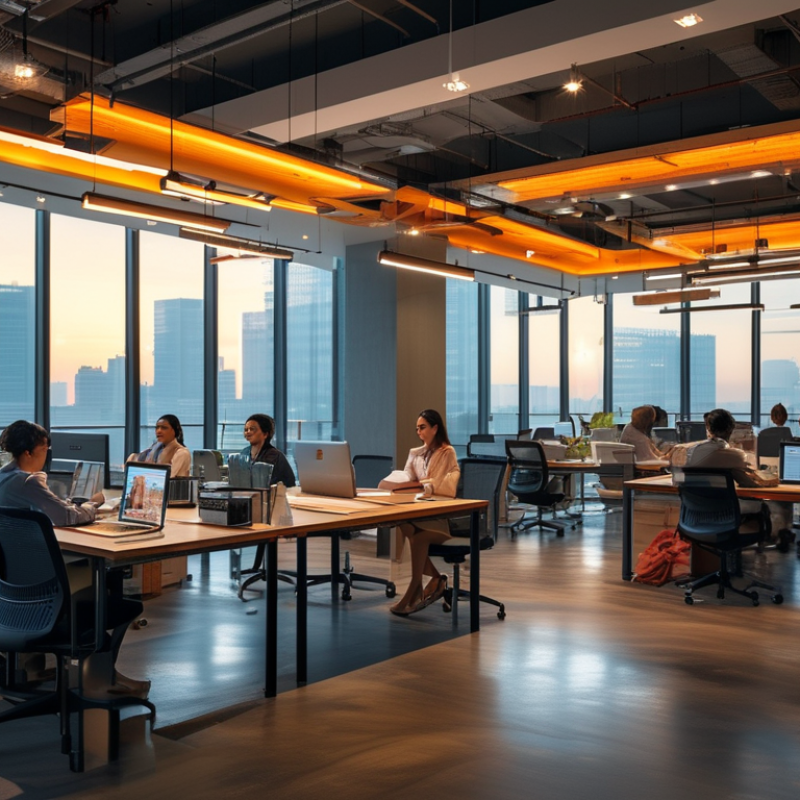
Commercial lighting plays a crucial role in shaping employee performance. Understanding its impact goes beyond mere aesthetics. Proper lighting can boost mood, enhance concentration, and increase productivity. Natural light is often the best choice. It mimics daylight, creating a more inviting environment that can elevate spirits.
Tips: Use large windows to let in natural light. Opt for adjustable lighting techniques to cater to individual preferences. Implementing warm color temperatures can create a cozy atmosphere. These choices can help employees feel more comfortable and motivated in their workspace.
Inadequate lighting can lead to eye strain and fatigue. Many workplaces still use harsh fluorescent lights that make the ambiance feel sterile. It’s essential to analyze how your current lighting impacts daily tasks. Consider adjusting light intensity based on the time of day. Experimenting with different configurations may uncover new levels of employee engagement.
The quality of light in a workspace significantly influences employee mood and productivity. A well-lit environment can boost energy levels and enhance focus. Natural light, when available, is particularly beneficial. It helps regulate circadian rhythms and improves overall well-being. Employees in brighter spaces often report feeling more motivated and engaged.
Tips for optimizing lighting include using adjustable light fixtures. This allows employees to customize their environment according to personal preferences. Consider the color temperature of the bulbs. Warmer tones can create a cozy atmosphere, while cooler tones may enhance alertness. Incorporating task lighting is another effective strategy. It provides direct light where it’s most needed, improving concentration.
However, not all lighting strategies work universally. Some employees thrive in dimmer environments, while others prefer brighter settings. Gathering feedback on lighting preferences can help create a more harmonious workspace. Regularly assess the lighting quality and make adjustments as needed. This ensures that the light enhances performance rather than distracts.
| Lighting Aspect | Impact on Employee Mood | Impact on Productivity | Additional Benefits |
|---|---|---|---|
| Natural Light | Enhances mood and happiness | Increases alertness and engagement | Reduces fatigue |
| Color Temperature | Influences psychological comfort | Improves focus and efficiency | Enhances aesthetic appeal |
| Task Lighting | Reduces stress for detailed work | Boosts work quality | Encourages efficiency in task performance |
| Adjustable Lighting | Creates a personalized environment | Increases adaptability to tasks | Reduces eye strain |
| Glare Reduction | Promotes comfort and reduces distraction | Enhances work efficiency | Encourages a pleasant workspace |
| Lighting Control Systems | Encourages a sense of autonomy | Optimizes energy use and productivity | Supports sustainability initiatives |
| Circadian Rhythm Lighting | Improves sleep quality and mood | Enhances daytime productivity | Promotes overall well-being |
| Accent Lighting | Boosts aesthetic enjoyment | Encourages creativity | Sets a positive tone for collaboration |
| Emergency Lighting | Provides reassurance in emergencies | Ensures continuous workflow | Safeguards employee safety |
| Smart Lighting Technology | Creates dynamic environments | Enhances responsiveness to needs | Promotes innovation in design |
Color temperature plays a crucial role in workplace lighting. Research shows that light color can significantly affect employee alertness. For instance, a study by the American Psychological Association found that cooler light—around 5000K—can enhance focus and comprehension. In contrast, warmer light can induce a sense of relaxation but may decrease alertness. This suggests that choosing the right color temperature is vital for maintaining employee productivity.
Moreover, workplace color temperature impacts mood. A corporate lighting report highlighted that 62% of employees felt more energized in well-lit spaces. Inadequate lighting can lead to fatigue and decreased performance. In a dimly lit environment, nearly 30% of employees reported difficulty concentrating. This clearly illustrates the importance of not just any light, but the right kind of light.
Adjusting color temperature based on tasks can also be effective. Bright, cooler lighting is suitable for focused tasks, while warmer tones can benefit collaborative settings. Creating a dynamic lighting environment may seem complex. However, failing to consider color temperature can lead to reduced efficiency and employee dissatisfaction. Understanding these nuances is key to enhancing workplace performance.
Natural light plays a crucial role in enhancing employee well-being in commercial spaces. Studies have shown that exposure to natural light can boost mood and reduce stress levels. Employees working in well-lit environments often report feeling more energetic and motivated. This connection between light and mood highlights the importance of good lighting design in workplaces.
Employers should consider optimizing access to daylight in their office layouts. Large windows and skylights can create a more inviting atmosphere. However, it is essential to be mindful of glare and excessive heat. Balancing natural light with proper shading solutions can lead to better employee comfort. Spaces that feel comfortable encourage creativity and collaboration.
Implementing strategies to enhance natural light should involve employee feedback. What works for one group may not suit another. It's vital to regularly assess how these lighting changes affect performance and well-being. A simple adjustment could make a significant difference, but it requires ongoing reflection and adaptation.
Implementing effective commercial lighting solutions can significantly enhance employee performance. Proper lighting not only affects mood but also concentration levels. Research shows that well-lit environments can boost productivity by up to 20%.
To achieve this, consider using natural light where possible. It can create a more inviting atmosphere. Use adjustable blinds to control the sunlight entering the workspace. This approach also helps in reducing energy costs.
Invest in quality LED fixtures that mimic daylight. This can improve focus and reduce fatigue. Remember to opt for a color temperature of around 4000K, as it aids in maintaining alertness.
Tip: Always involve your employees in the lighting design process. Their preferences can lead to a solution that works for everyone. Check for maintenance issues regularly. Flickering lights or inconsistent brightness can distract workers.
Engage in continuous evaluation of your lighting setup. Gather feedback from employees to identify areas needing improvement. This creates a culture of collaboration and helps maintain high performance levels.
: Good light quality boosts energy and enhances focus. Employees feel more motivated in brighter spaces.
Natural light regulates circadian rhythms. It improves overall well-being and mood, helping employees feel engaged.
Use adjustable fixtures to allow customization. Consider different color temperatures for varied effects.
Cooler light around 5000K enhances focus. Warmer light may relax but can decrease alertness and productivity.
Poor lighting leads to fatigue and concentration difficulties. Nearly 30% of employees struggle to focus in dim environments.
Yes, feedback helps create a harmonious workspace. Not all employees thrive in the same lighting conditions.
Absolutely. Brighter, cooler lights suit focused tasks, while warmer tones are better for collaboration.
Ignoring lighting can lead to reduced efficiency. It may result in employee dissatisfaction and decreased performance.
The article "China Top 10 Ways Commercial Lighting Enhances Employee Performance" explores the crucial relationship between commercial lighting and its effects on employee productivity and well-being. It highlights how light quality can directly influence employee mood, leading to increased productivity levels. Additionally, the piece discusses the significance of color temperature in the workplace, detailing how it plays a vital role in maintaining alertness and focus among employees.
Furthermore, the article emphasizes the advantages of natural light, noting its contribution to overall employee well-being. To maximize these benefits, various strategies for implementing effective commercial lighting solutions are recommended. In summary, the article provides insight into how does commercial lighting impact employee performance, underlining the importance of thoughtful lighting design in enhancing workplace efficiency and satisfaction.

Bluu Light