Reduce Maintenance Costs with LED Lighting Solutions How?

Time:2026-07-01 Author:Madeline
0%

In the quest for cost efficiency, many are seeking effective ways to cut expenses. A significant area of focus is lighting solutions, particularly LED technology. Businesses often overlook how to reduce maintenance costs with LED lighting, which can lead to ongoing expenses. This is especially true in environments requiring consistent and reliable illumination.

LED lighting not only offers energy savings but also reduces the frequency of replacements. Traditional lighting systems require regular upkeep and replacement, adding to maintenance costs. By switching to LED, companies can expect longevity, cutting the need for constant repairs and replacements.

It's crucial to understand that, while LED solutions initially may seem expensive, their long-term benefits outweigh these costs. This transition is imperative for organizations aiming to streamline operations. Addressing these maintenance challenges can lead to significant efficiency. Adopting LED lighting is a vital step toward creating a more sustainable and cost-effective environment.
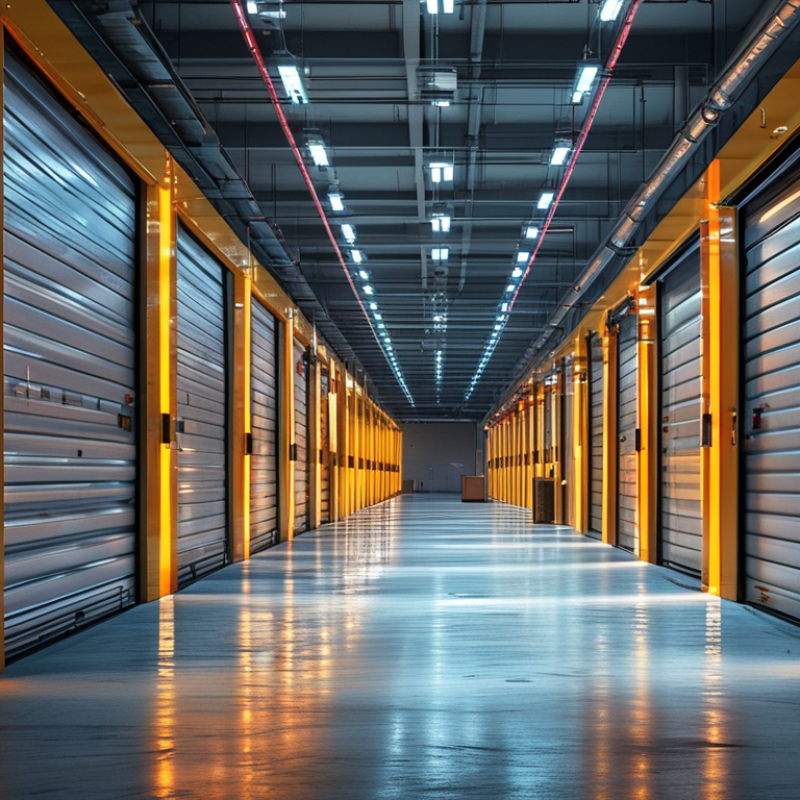
Reduce Maintenance Costs with LED Lighting Solutions How?

Understanding LED Lighting and Its Benefits for Maintenance Costs

LED lighting has transformed the way we approach maintenance costs in various industries. With a lifespan of up to 50,000 hours, LED lights significantly reduce the frequency of replacements. This longevity directly translates to lower labor costs associated with installation and maintenance. Industry studies suggest that switching to LED lighting can reduce maintenance costs by as much as 70%. Many organizations are realizing the long-term savings beyond initial investments.

Another aspect is energy efficiency. LEDs use about 75% less energy than traditional lighting, leading to substantial reductions in energy bills. According to the U.S. Department of Energy, if all U.S. lighting were to switch to LEDs, the total savings would amount to $30 billion annually. This reduction helps companies allocate resources to other critical areas instead of ongoing lighting expenses. However, some facilities still struggle with transitioning due to the initial setup costs.

Understanding these benefits is crucial. While the upfront investment may deter some, the ongoing savings are often overlooked. Regular maintenance cycles become less frequent with LEDs. Still, the challenge lies in measuring these savings accurately over time. Companies need to assess not only the immediate cost but also the long-term financial impact of LED solutions on maintenance expenses.

Comparative Analysis: LED vs Traditional Lighting Solutions

LED lighting solutions offer significant advantages over traditional lighting options. They are highly energy-efficient, which translates to lower energy bills. For facilities, this means reduced operational costs over time. LED lights consume up to 75% less power than incandescent bulbs. This efficiency not only drives down costs but also lessens environmental impact.

However, the initial investment in LED technology can be a consideration. While the upfront costs may seem high, the long-term benefits often outweigh this. Maintenance is another area where LEDs shine. Their lifespan far exceeds that of traditional bulbs, reducing replacement frequency and labor costs.

Tips: Consider the specific needs of your space. Evaluate how much lighting you require. Sometimes, a mix of LED and traditional options could be the answer. Monitor your lighting regularly for optimal performance. Regular checks can prevent unexpected failures, giving you peace of mind. Transitioning to LED should be a thoughtful process that aligns with your operational goals.

Factors Contributing to Reduced Maintenance with LED Lighting

LED lighting solutions have emerged as a game changer in reducing maintenance costs. One major factor is their longer lifespan. Traditional bulbs often need replacement every few months. In contrast, quality LED lights can last up to 25,000 hours. This means fewer replacements and less labor. Maintenance teams can focus on other critical tasks rather than frequent bulb changes.


Another aspect is energy efficiency. LEDs consume significantly less power than their incandescent counterparts. Lower energy bills can free up funds for other maintenance needs. Furthermore, they generate less heat. This reduces strain on cooling systems. Over time, this translates into even more savings.


However, not all LED products are created equal. Some cheaper options may not last as long or provide adequate light quality. It's crucial to assess the overall value instead of just the initial price. Investing in higher-quality LED solutions can enhance reliability. Balancing cost and performance requires careful consideration. This decision impacts maintenance budgets and operational efficiency. Choosing wisely is essential for long-term benefits.

Implementing LED Solutions: Practical Steps and Considerations

Implementing LED solutions in facilities can significantly reduce maintenance costs. According to the U.S. Department of Energy, transitioning to LED lighting can save up to 75% in energy costs compared to traditional lighting. These savings contribute to a rapid return on investment, often within two years. Installations may seem daunting at first, yet breaking it down into practical steps can ease this transition.

Start by conducting an energy audit to assess current usage. Identify high-consumption areas. Evaluate your existing light fixtures and determine compatibility with LED technology. It’s crucial to involve your maintenance team in the selection process. They can provide insight into operational challenges. Training staff on the new systems can help ensure longevity and efficiency.

Consider the long-term benefits. While upfront costs might be higher, the lifespan of LED lights averages around 25,000 hours compared to 1,000 hours for traditional bulbs. This longevity reduces replacement efforts and costs. However, be attentive to potential issues, such as color temperature preferences among staff. Implementing feedback mechanisms can ensure the chosen solutions meet everyone’s needs effectively.

Case Studies: Successful LED Integrations and Cost Savings

LED lighting solutions are increasingly proving their worth through successful case studies. Numerous facilities have made the switch and witnessed substantial cost savings. A recent industry report indicated that LED lighting can reduce energy consumption by up to 75%. For example, one manufacturing plant replaced its traditional lighting with LEDs and reported a 50% drop in monthly energy bills.

The durability of LED fixtures is another key advantage. They typically last 25,000 to 50,000 hours, significantly outpacing incandescent bulbs. This longevity translates to fewer replacements and reduced maintenance costs. A university facility experienced a remarkable reduction in maintenance time by 30% after switching to LED fixtures, alleviating labor-intensive upkeep.

Tips: When considering LED integration, assess your existing lighting layout. Performing an energy audit can help identify potential savings. Additionally, keep in mind that while the upfront costs may seem high, the long-term benefits often outweigh initial investments. Reflect on your facility's specific needs and make informed choices based on energy consumption, efficiency, and maintenance.

FAQS

: What is a key benefit of LED lighting?

: LED lights have a longer lifespan, lasting up to 25,000 hours.

How does LED lighting affect maintenance costs?

Fewer replacements mean lower maintenance costs and more focus on critical tasks.

What energy savings can be expected from LED lighting?

Switching to LEDs can save up to 75% in energy costs.

Why is it important to assess LED product quality?

Cheaper LED options may lack durability and adequate light quality.

How can facilities prepare for LED installation?

Conduct an energy audit and assess current usage and fixture compatibility.

Why should the maintenance team be involved in LED selection?

Their insights on operational challenges can improve the selection process.

What training might be necessary when switching to LEDs?

Training staff on new systems supports longevity and efficiency of the lighting.

Should initial costs of LEDs be a concern?

Yes, but consider the long-term savings from reduced replacements and energy use.

How can user preferences be accommodated in LED lighting?

Implement feedback mechanisms to address staff preferences on color temperature.

Are there any potential downsides to LED lighting?

Some staff may have preferences that differ; addressing these is essential.

Conclusion

In exploring how to reduce maintenance costs with LED lighting, it is essential to understand the inherent benefits of LED technology. Compared to traditional lighting solutions, LEDs offer longer lifespans, reduced energy consumption, and lower heat emission, significantly minimizing the frequency of replacements and maintenance interventions. By conducting a comparative analysis between LED and conventional lighting, we can see that LEDs not only lower maintenance demands but also lead to substantial cost savings over time.

Implementing LED solutions involves practical steps such as assessing current lighting systems, selecting appropriate LED products, and considering factors like initial investment versus long-term savings. Case studies demonstrate successful integrations of LED lighting across various sectors, showcasing how organizations have effectively reduced maintenance costs while enhancing overall efficiency. This shift towards LED technology proves beneficial, underscoring the importance of making informed decisions in lighting upgrades.

Madeline

Madeline

Madeline is a dedicated marketing professional with a wealth of expertise in our company's core offerings. With a keen understanding of the industry, she brings a unique perspective to her role, consistently delivering high-quality content that highlights the superior aspects of our products. As......