Lighting plays a crucial role in retail success. It sets the mood and influences customer behavior. Research from the Lighting Research Center shows that appropriate lighting can increase sales by up to 30%. This statistic demonstrates why lighting is important in retail environments.
Renowned retail expert Dr. Lisa H. Munoz often emphasizes, “The right lighting not only highlights products but also creates an emotional connection with shoppers.” Her insights underscore the importance of lighting for brand identity and customer experience.
Effective lighting can enhance visibility and make stores more inviting. On the flip side, poor lighting can make it hard for customers to engage with products. Retailers must reflect on their lighting choices and consider how it influences sales. Balancing brightness and ambiance is not always straightforward, but it is essential for creating a successful retail environment.
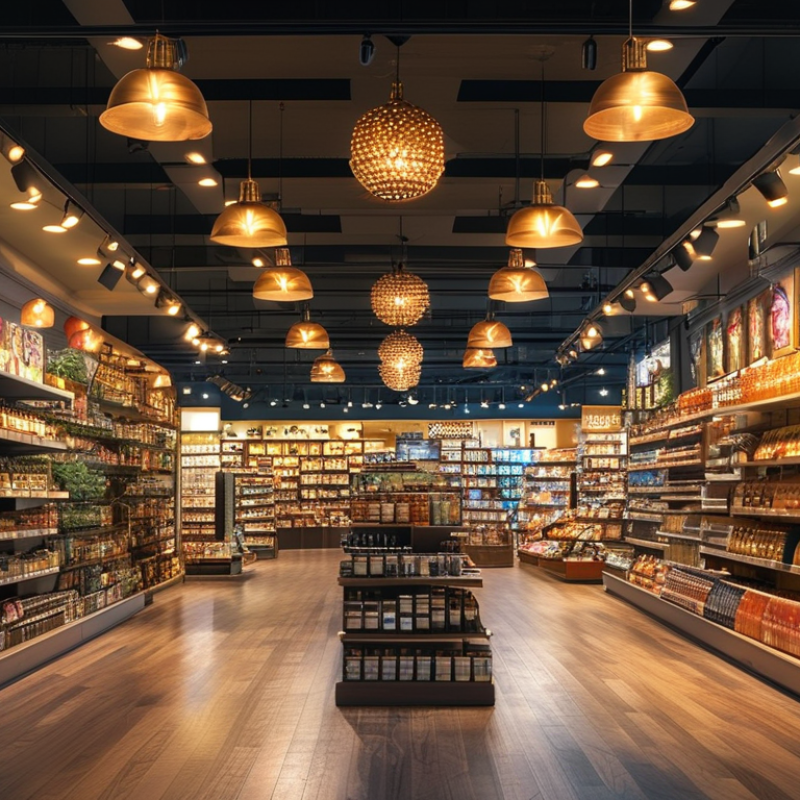
Lighting plays a pivotal role in shaping the customer experience in retail spaces. It sets the mood and creates an inviting atmosphere. Bright lights can energize a room, while softer tones can enhance relaxation. Customers often make quick judgments about a store based on its lighting. A well-lit product can draw attention and increase desirability. However, overexposed lighting can lead to discomfort and fatigue. It’s a delicate balance that retailers must navigate.
Different areas of a store require different lighting strategies. For example, fitting rooms benefit from warm, flattering light, making shoppers feel more comfortable. On the contrary, checkout areas might need brighter light to prevent any sense of confusion. Poor lighting can often go unnoticed, yet it impacts purchasing decisions. Sometimes, retailers might overlook the importance of proper lighting in favor of discounts. This can be a mistake. The visual appeal generated by thoughtful lighting can lead to higher sales, ensuring that lighting is a crucial component of overall customer satisfaction.
Proper lighting plays a crucial role in retail environments. It significantly impacts product visibility and appeal. According to a study by the Retail Design Institute, well-lit displays can increase sales by up to 30%. Consumers are more likely to notice products with optimal lighting. This visibility encourages customers to explore items and ultimately leads to higher purchase rates.
The right lighting can enhance textures and colors in your merchandise. For instance, warm lighting can make food items appear fresher while cooler tones enhance the modern appeal of technology products. A report from the International Journal of Retail & Distribution Management suggests that 86% of consumers say that the right lighting influences their shopping decisions. It’s clear that lighting choices can shape customer experiences and perceptions.
Tips: Use track lighting to highlight key products. Experiment with warmer tones in food zones. Adjust brightness levels to create a welcoming atmosphere. Regularly assess how your lighting affects customer behavior. Retail lighting should never be overlooked; it deserves thoughtful consideration to maximize customer engagement.
Lighting plays a crucial role in shaping a retail brand's identity. Effective lighting can enhance the shopping experience and influence consumer perception. According to a study by the Retail Innovation Center, 70% of consumers feel that lighting enhances their mood while shopping. This emotional connection can drive sales and foster brand loyalty.
Strategic lighting choices enable retailers to highlight products and create a unique atmosphere. For example, warm lighting can evoke feelings of comfort, encouraging customers to linger. On the other hand, cooler lighting can give a modern, sleek feel. Research shows that strategic lighting increases purchases by up to 20%. Yet, many retailers overlook the potential of lighting, focusing instead on product placement and merchandising.
There's often a disconnect between what retailers perceive as effective and what customers experience. Some stores use harsh fluorescent lights, which can create an uncomfortable shopping environment. It’s essential to step back and reassess lighting strategies continuously. Gathering feedback from customers can help refine lighting choices, ensuring alignment with brand identity and shopper expectations.
Lighting plays a crucial role in shaping emotional connections with customers. A well-lit space can evoke feelings of comfort and excitement. Bright, vibrant lights can energize shoppers and make merchandise more appealing. On the other hand, softer lighting can create a calming atmosphere. It encourages customers to explore and linger longer. This reflects the mood retailers aim to cultivate.
Consider how different lighting effects impact consumer behavior. Warm tones might prompt feelings of nostalgia, while cooler colors can create a sense of modernity. Strategic lighting can highlight products and draw attention. Yet, poorly designed lighting can lead to confusion, overshadowing key items. Retailers must find a balance. Excessive brightness can be overwhelming, while dim lighting may hurt visibility.
Creating the right ambiance involves experimenting and gathering feedback. Test various lighting setups to see what resonates with your audience. Customer reactions can vary widely. What works for one store might not work for another. Adapting to customer preferences can lead to better emotional connections. Ultimately, lighting is not just about visibility. It is about crafting an experience that speaks to the heart of the customer.
Lighting plays a crucial role in enhancing retail environments, which can significantly impact energy efficiency. Modern lighting solutions, such as LED technology, can reduce energy consumption by up to 75%. This shift not only lowers utility bills but also decreases the carbon footprint of retail operations.
A report by the U.S. Department of Energy highlights that upgrading to energy-efficient lighting can lead to substantial cost savings. Retailers can expect a return on investment within a few years due to reduced energy costs. Additionally, effective lighting boosts the visibility of products, potentially increasing sales. However, it requires careful planning to avoid under or over-lighting spaces, which can create unexpected challenges.
Many retailers overlook the importance of lighting design. Systems need regular maintenance to ensure efficiency. Ignoring this aspect may lead to wasted energy and higher costs. Rethinking lighting strategies is essential for achieving not just immediate savings but long-term sustainability.
: Lighting shapes the customer experience, setting the mood and creating an inviting atmosphere.
Proper lighting enhances product visibility, increasing the likelihood of customer engagement and higher purchase rates.
Warm, flattering light is ideal for fitting rooms, as it makes shoppers feel more comfortable while trying on clothes.
Brighter lighting is recommended at checkout areas to reduce confusion and facilitate a smoother transaction process.
Yes, poor lighting can go unnoticed, but it negatively affects purchasing decisions and overall customer satisfaction.
Strategic lighting evokes different feelings; warm tones might trigger nostalgia, while cool colors promote a modern atmosphere.
Regular assessments are crucial to understand how lighting impacts customer behavior and to make necessary adjustments.
Retailers may overlook lighting in favor of discounts, missing the opportunity for visual appeal that drives sales.
Experimenting with various setups and gathering customer feedback can help tailor lighting to audience preferences.
Excessive brightness can overwhelm customers, while dim lighting can hinder product visibility, leading to poor shopping experiences.
Lighting plays a crucial role in retail success by significantly enhancing the customer experience. Proper lighting not only improves product visibility and appeal, making items more attractive to shoppers, but also helps establish a cohesive brand identity through strategic lighting choices. By thoughtfully designing a lighting scheme, retailers can create an inviting atmosphere that makes customers feel comfortable and emotionally connected to the brand.
Moreover, modern lighting solutions offer opportunities for cost efficiency and energy savings, allowing businesses to reduce operational expenses while maintaining an optimal shopping environment. Understanding why is lighting important in retail environments can lead to more effective marketing strategies and ultimately drive sales, as the right lighting can transform a store into a vibrant space that captures customer interest and loyalty.

Bluu Light