How to Maximize Return on Investment in Lighting Projects

Time:2026-10-08 Author:Charlotte
0%

Lighting projects are often judged by energy savings alone. That is a narrow view. A successful project should improve operating costs, visual comfort, maintenance, safety, and workplace performance. The real question is how to maximize return on investment in lighting projects without sacrificing practical quality.

Experienced project teams begin with a detailed site survey. They record fixture types, operating hours, control settings, illuminance levels, and maintenance problems. A warehouse may reveal dusty high-bay fittings, uneven light, and long overnight operating periods. An office may show excessive brightness near windows and poor control zoning. These details shape the investment case.

A reliable analysis compares purchase costs with energy, labor, replacement, and disposal costs. It also examines controls, commissioning, warranties, and expected product life. Sensors can reduce unnecessary runtime, but badly placed sensors create user complaints. Premium equipment may last longer, yet its benefits need evidence. A neat spreadsheet can still lie.

Professional guidance matters. Qualified lighting designers, electrical specialists, and facility managers can test assumptions before approval. They should verify light levels after installation, review glare, and confirm that controls operate as intended. Keep the records.

Return on investment should be measured after completion, not merely promised beforehand. Compare utility data, maintenance requests, operating hours, and user feedback against the original forecast. Some results will disappoint. That is useful information, not failure. It reveals where schedules, tariffs, occupancy patterns, or maintenance habits were misunderstood. Continuous review turns a one-time upgrade into a stronger long-term business decision.
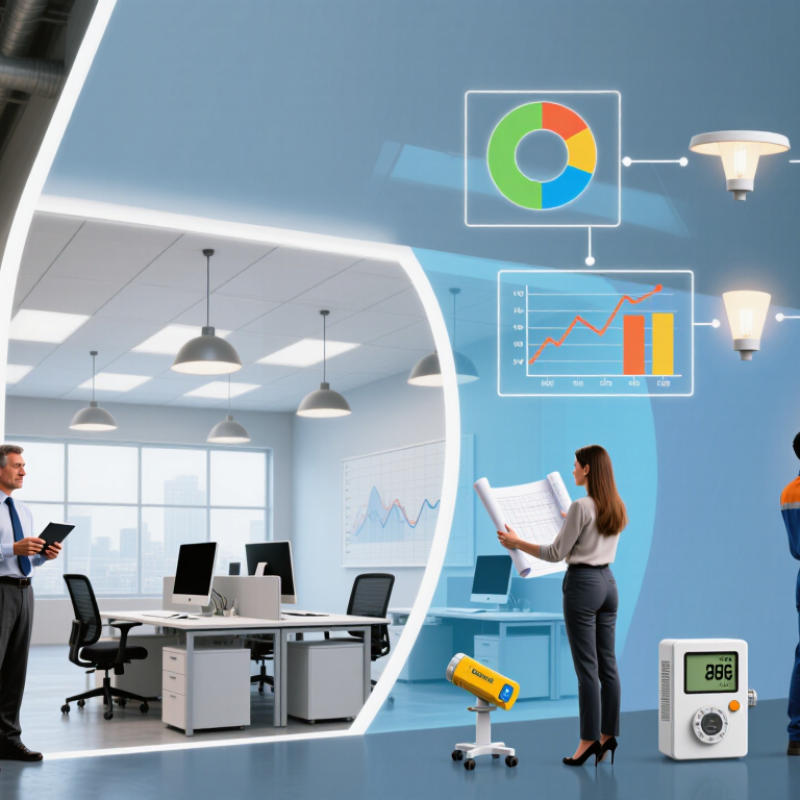
How to Maximize Return on Investment in Lighting Projects

Define Project Goals, Constraints, and Investment Evaluation Criteria

A lighting project should begin with a measurable purpose, not a fixture catalog. Define targets for energy reduction, illuminance, visual comfort, maintenance, and operating hours. For a warehouse, record aisle lux levels, mounting height, shift patterns, and shutdown restrictions. For an office, include glare, color quality, controls, and employee comfort.

The U.S. Department of Energy reports that LED lighting can use at least 75% less energy and last up to 25 times longer than incandescent lighting. However, energy savings alone do not prove a strong investment. Compare simple payback, net present value, internal rate of return, lifecycle cost, and maintenance savings. Include installation labor, disposal, control integration, utility incentives, and future replacement costs. The International Energy Agency identifies lighting as a significant electricity demand category, making accurate baselines valuable. Still, assumptions can fail. Occupancy may change. Prices may rise. Controls may be poorly commissioned.

Tips: Build three scenarios: conservative, expected, and optimistic. Use meter readings instead of estimated operating hours. Set acceptance tests before procurement. Check light levels after installation. A shorter payback is not always better. A project with lower glare, fewer lift visits, and stable output may create greater operational value. Document every assumption, including lamp failures, cleaning cycles, electricity tariffs, and planned building changes. Review the model after six months. Reality deserves a place in the spreadsheet.

Sources: U.S. Department of Energy, Energy Saver; International Energy Agency, Lighting and Energy Efficiency analysis.

Assess Existing Lighting Systems and Identify Efficiency Opportunities

A credible lighting upgrade starts with evidence, not a fixture catalogue.

Walk every zone during occupied and unoccupied hours. Record fixture types, wattage, controls, operating schedules, and maintenance history. Note flicker, glare, dark corners, and overheated spaces. These details often expose wasted energy.

The U.S. Energy Information Administration reported that lighting represented about 17% of commercial building electricity use in 2018. That makes assessment financially significant.

Measure illuminance with a calibrated light meter at work surfaces, corridors, and storage areas. Compare readings with task requirements, not personal preference. A bright room is not automatically an efficient room.

The U.S. Department of Energy states that LED products can use at least 75% less energy than incandescent lighting. However, replacing lamps alone may miss larger savings. Check occupancy sensors, daylight controls, scheduling, and unnecessary nighttime operation. Verify whether controls actually respond.

Build a simple baseline using annual operating hours and utility rates.

Then model each opportunity separately. Include labor, disposal, controls, maintenance, and expected failure rates. A spreadsheet can still lie. Poor assumptions produce impressive payback figures.

I have seen low-use areas prioritized because their wattage looked high. That was a mistake.

Recheck the field data. Pilot one representative zone, interview occupants, and measure comfort complaints before approving a full project. Be willing to revise the design.

Compare Lighting Technologies, Controls, and Installation Strategies

Lighting ROI improves when technology, controls, and installation choices support the building’s actual use. Start by comparing energy demand, light quality, maintenance needs, and expected service life. LED systems usually reduce energy consumption and replacement work. However, lower wattage does not guarantee better value. Poor optics can create glare, dark work areas, and complaints.

Controls can produce additional savings when they match daily activity. Occupancy sensors suit storage rooms and private offices with irregular use. Daylight dimming works well near windows, but only after proper calibration. Scheduling helps corridors and classrooms follow real operating hours. Keep the settings practical. I have seen projects lose savings because sensors switched lights off during brief, normal pauses.

Installation strategy affects both payback and disruption. A retrofit may reuse existing wiring, reducing labor and downtime. A full replacement can improve distribution, controls, and maintenance access. Compare both options using measured circuit loads and room-by-room lighting levels. Photographing existing conditions also prevents missing ceiling obstacles or damaged conduits.

Commissioning deserves its own budget. Test every sensor, dimming zone, emergency function, and control schedule after installation. Train the facility team with simple instructions and record the final settings. This step is often underestimated. A well-designed project can still underperform when installers rush testing or occupants override controls. Review energy bills and maintenance records after three and twelve months, then adjust the system when evidence shows a mismatch.

Calculate Lifecycle Costs, Energy Savings, and Expected Financial Returns

Lighting ROI should be measured across the entire service life, not by purchase price alone. The U.S. Department of Energy reports that LED products can use at least 75% less energy and last up to 25 times longer than incandescent lighting. These figures make energy savings visible, but they are only starting assumptions. Record fixture cost, installation labor, controls, maintenance visits, electricity tariffs, and disposal expenses.

Build a lifecycle-cost model for each proposed system. Estimate annual savings by multiplying reduced kilowatt-hours by the local electricity rate. Then subtract maintenance and financing costs. For example, replacing a 100-watt fixture with a 30-watt model, operating 4,000 hours yearly, saves 280 kWh per fixture. At $0.15 per kWh, that equals $42 annually before maintenance savings. The U.S. Energy Information Administration provides regional electricity-price data for more credible projections.

Test more than one scenario. Energy prices may rise, occupancy may change, and controls may perform poorly. The International Energy Agency has reported that lighting represents roughly 15% of global electricity use, showing the scale of potential savings. Still, a spreadsheet can flatter results. Include a conservative case with lower operating hours and higher installation costs. Calculate simple payback, net present value, and internal rate of return over ten to fifteen years. A useful lesson from project reviews is uncomfortable: the cheapest fixture can create the highest lifecycle cost when glare, failures, or weak controls reduce real-world performance.

Measure Performance and Optimize the Project for Long-Term Value

How to Maximize Return on Investment in Lighting Projects

Measure performance before changing equipment. Record current energy use, operating hours, light levels, maintenance calls, and occupant feedback. A simple lux meter can reveal dark workstations or excessive brightness. Utility bills provide a useful baseline, but they rarely explain daily behavior. I have seen projects meet energy targets while creating glare complaints. That is not a complete success.

After installation, compare results at 30, 90, and 180 days. Track kilowatt-hours, lamp failures, control overrides, and measured illumination. Review different areas separately, because warehouses, offices, and corridors rarely perform alike. Adjust schedules, sensors, and dimming levels when evidence supports the change. Our first forecast once assumed perfect occupancy patterns. Real behavior proved more complicated, and the savings estimate needed revision.

Tips: Keep a measurement log. Photograph problem areas before and after installation. Ask cleaning and maintenance teams about recurring issues. Test sensors during busy periods, not only during commissioning. Protect long-term value by specifying accessible components, documented settings, and staff training. Recheck performance annually. A small calibration can prevent years of wasted energy. Payback matters, but reliable light, fewer disruptions, and adaptable controls often create greater value over time.

FAQS

How should a building compare lighting technologies?

Compare energy use, light quality, maintenance needs, and service life. Lower wattage alone does not guarantee better value. Poor optics may cause glare and dark desks.

Which lighting controls fit different spaces?

Occupancy sensors suit storage rooms and private offices with irregular use. Daylight dimming works near windows after careful calibration. Scheduling helps corridors and classrooms follow real operating hours.

Can lighting controls reduce savings?

Yes, poorly adjusted sensors can switch lights off during brief pauses. Occupants may override uncomfortable settings. Practical settings usually perform better than aggressive automation.

Should a project use a retrofit or full replacement?

A retrofit may reuse wiring and reduce downtime. Full replacement can improve light distribution, controls, and maintenance access. Compare both options using circuit loads and room-by-room light measurements.

What should teams check before installation?

Photograph ceilings, obstacles, damaged conduits, and existing fixtures. Record operating hours, energy use, light levels, and maintenance calls. Small details can change labor costs.

What costs belong in a lighting lifecycle model?

Include fixtures, labor, controls, electricity, maintenance visits, financing, and disposal. Estimate yearly savings from reduced kilowatt-hours and local electricity rates. The cheapest fixture may create higher long-term costs.

How can a project test its financial returns?

Use conservative, expected, and optimistic scenarios. Consider changing energy prices, occupancy, operating hours, and installation costs. Calculate payback, net present value, and internal rate of return over ten to fifteen years.

What performance checks should happen after installation?

Compare results after 30, 90, and 180 days. Track energy use, failures, control overrides, and measured illumination. Check warehouses, offices, and corridors separately.

What is commissioning, and why does it matter?

Commissioning tests sensors, dimming zones, emergency functions, and schedules. Train facility staff with simple instructions. Record final settings because rushed testing can weaken an otherwise sound project.

How can a team protect value over time?

Keep a measurement log and photograph problem areas. Ask cleaning and maintenance teams about recurring issues. Recheck performance annually. One small calibration may prevent years of wasted energy.

Conclusion

To understand how to maximize return on investment in lighting projects, begin by defining clear goals, budget limits, performance expectations, and evaluation criteria. Review the existing lighting system to identify energy waste, maintenance issues, uneven illumination, and opportunities for improvement. This assessment creates a practical foundation for selecting solutions that address both current problems and long-term operational needs.

Next, compare suitable lighting technologies, control systems, and installation strategies based on performance, reliability, flexibility, and total ownership costs. Calculate expected energy savings, maintenance reductions, replacement cycles, installation expenses, and payback periods before making a final decision. After implementation, measure energy use, lighting quality, user satisfaction, and maintenance performance against the original objectives. Regular monitoring and timely adjustments can improve efficiency, protect the initial investment, and ensure that the project continues to deliver measurable financial and operational value over time.

Charlotte

Charlotte

Charlotte is a seasoned marketing professional with a deep understanding of the company's portfolio and a passion for elevating its presence in the market. With a keen eye for detail and a commitment to excellence, she ensures that our professional blog is regularly updated with insightful articles......