How to Enhance Lighting Quality in Office Buildings in 2026?

Time:2026-07-30 Author:Isabella
0%

Lighting quality in office buildings greatly affects productivity and employee well-being. As we approach 2026, enhancing this aspect becomes crucial. According to Jim Garrison, an expert in workplace design, “Good lighting not only illuminates a space, but it also cultivates a positive atmosphere.” His insights emphasize the importance of understanding how to improve lighting quality in office buildings.

In modern workspaces, traditional fluorescent lights may not suffice. Employees crave natural light and adjustable lighting solutions. The challenge lies in balancing energy efficiency with adequate illumination. Smart controls and high-quality fixtures can help bridge this gap. Innovative design can also accommodate personal preferences, which is key to employee satisfaction.

Reflection on current practices is necessary. Many offices still neglect the effects of poor lighting. Factors like glare and uneven light distribution can lead to discomfort and decreased productivity. Moving forward, a strategic approach is essential. Investing in advanced lighting technologies is a step towards creating a more productive and engaging workspace.
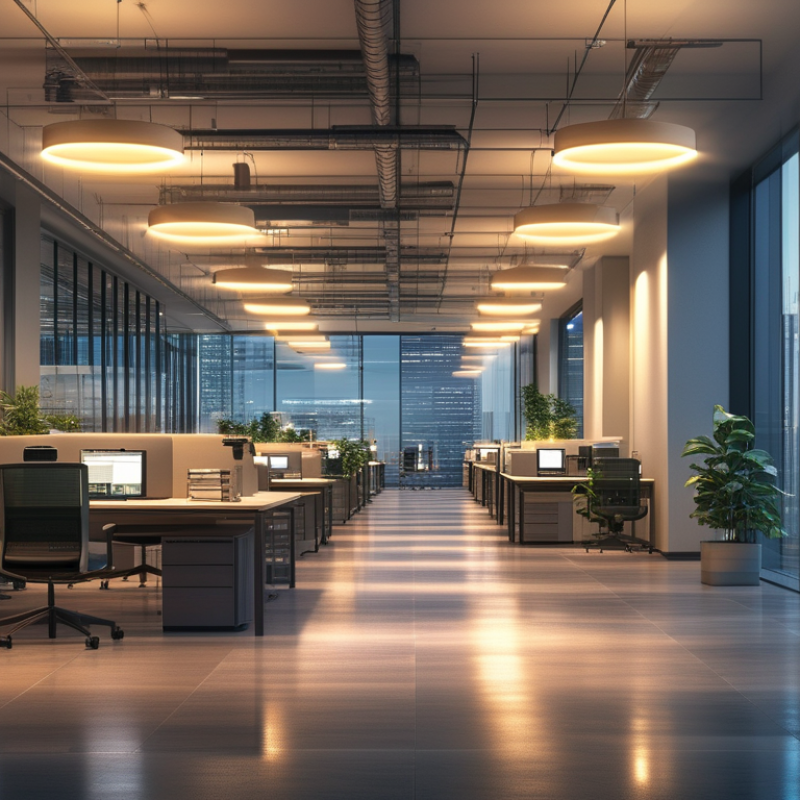
How to Enhance Lighting Quality in Office Buildings in 2026?

Current Trends in Office Lighting Design for Enhanced Quality

As we approach 2026, office lighting design continues to evolve. The focus is on creating environments that enhance well-being and productivity. Current trends prioritize energy efficiency and the use of natural light. Designers are increasingly opting for smart lighting systems that adapt to user needs.

Incorporating biophilic design elements is key. Plants and natural materials complement lighting solutions. These elements can reduce stress levels and improve concentration. The use of daylighting through larger windows or skylights remains vital. It enhances mood and reduces energy consumption during the day.

**Tips for Enhancing Office Lighting Quality:**

Consider implementing adjustable lighting fixtures. Allow employees to control intensity and color temperature. This flexibility can foster a personalized working environment. Use tinted glass or light-filtering panels to diffuse harsh sunlight. It helps avoid glare and creates a welcoming atmosphere.

Invest in circadian lighting systems. These systems mimic natural light patterns, promoting alertness during the day and relaxation in the evening. Keep in mind that not all spaces will benefit from these designs equally. Some areas may require brighter light for focused tasks, while others might need softer tones for casual meeting spaces.

How to Enhance Lighting Quality in Office Buildings in 2026? - Current Trends in Office Lighting Design for Enhanced Quality

Lighting Type Features Benefits Current Trends
LED Panels Energy-efficient, slim design, uniform illumination Reduces energy costs, enhances aesthetics Smart lighting controls, tunable white
Natural Light Integration Maximizes use of windows, skylights Improves mood, increases productivity Biophilic design principles, open floor plans
Smart Lighting Systems Integrated sensors, automated adjustments Optimizes energy usage, enhances comfort IoT integration, app-based controls
Accent Lighting Task-specific lighting, stylish fixtures Highlights key areas, creates ambiance Personalized workspaces, modular systems
Circadian Lighting Adjusts color temperature throughout the day Boosts alertness, aligns with human biology Health-focused designs, regulatory standards

Technological Innovations Impacting Lighting Quality in 2026

In 2026, technological innovations are transforming office lighting quality. Advanced LED systems and smart controls enhance efficiency. These technologies respond to natural light, adjusting to maintain optimal brightness. Employees experience better well-being and productivity as colors shift and light intensity changes throughout the day.

Adaptive lighting systems are a game-changer. They gather data on occupancy and daylight levels. Yet, challenges remain in implementation. Many offices struggle with integrating these systems seamlessly. Proper training is essential. Staff must understand how to use these tools effectively. A failure to engage with technology can lead to underwhelming results.

Additionally, human-centric design is becoming pivotal. This approach considers users’ needs and preferences. Lighting should not just be functional; it should also create a pleasant atmosphere. However, achieving this balance can be difficult. Not all solutions fit every space. Continuous assessment and feedback loops are necessary to refine these designs. Only with perseverance can we reach the ideal lighting quality in office environments.

Sustainable Lighting Solutions for Modern Office Environments

In the modern office environment, sustainable lighting solutions are crucial for improving energy efficiency. Studies show that proper lighting can reduce energy use by up to 23%. This significant reduction not only lowers costs but also enhances employee well-being. Natural light has been linked to increased productivity and mood. Offices that incorporate daylight strategies witness a notable increase in employee satisfaction.

Integrating LED technology is key for sustainability. LED lights consume 75% less energy than traditional bulbs and have a lifespan of over 25,000 hours. However, the initial cost of installing these systems may be perceived as high. Organizations often hesitate to invest upfront, missing out on long-term savings. Moreover, the design of lighting systems should consider the needs of individual workspaces. Inadequate lighting can lead to fatigue and decreased performance.

Adopting smart lighting systems can further optimize energy use. These systems adjust light levels based on occupancy and natural light availability. It is important to recognize that not all solutions will fit every office layout. Regular assessments can help identify what works best. Awareness of these factors is essential for creating a truly sustainable office environment.

Enhancing Lighting Quality in Office Buildings - 2026 Trends

Improving Employee Well-being through Optimal Lighting Strategies

In 2026, enhancing lighting quality in office buildings is vital for improving employee well-being. Optimal lighting strategies can make a difference in how we feel and work. Natural light exposure is strongly linked to increased productivity and mood. Incorporating daylight where possible boosts energy levels and creates a more pleasant atmosphere.


Tips: Use adjustable lighting fixtures to cater to individual needs. Allow employees to customize their workspace lighting. This flexibility promotes comfort. Consider integrating smart lighting systems that adjust automatically according to the time of day or occupancy. Such systems can mimic natural light patterns.


Another aspect to consider is light color and intensity. Warmer tones can create a cozy environment, while cooler tones may enhance focus. However, finding the right balance is crucial. Too much glare can be distracting. Test different settings to see which combinations work best for your team. Regular feedback from employees can guide these adjustments, ensuring that lighting continuously meets their needs.

Measuring and Assessing Lighting Quality in Office Spaces

Measuring the quality of lighting in office spaces is essential for employee productivity and well-being. Research indicates that well-lit environments can boost productivity by up to 20%. Inadequate lighting conditions can lead to fatigue and decreased focus. Assessing light levels involves evaluating both intensity and color temperature. The recommended illuminance for office work is typically between 300 to 500 lux, but this can vary based on tasks performed.


Tools such as light meters can measure these levels effectively. Moreover, color rendering index (CRI) is crucial in defining how colors appear under artificial light. Values above 80 are generally considered acceptable. However, many offices still struggle with lighting that fails to meet these standards. A study found that 50% of workers report dissatisfaction with their workspace lighting. This suggests a significant gap in understanding and improving lighting conditions.


Additionally, employee feedback plays a vital role in this assessment process. Surveys can help gauge satisfaction and identify specific lighting issues. Surprisingly, many companies overlook this simple yet effective approach. Engaging employees in discussions about lighting can lead to tangible improvements. While technology allows for advanced lighting solutions, involving people's experiences can drive more meaningful changes.

FAQS

: What is the focus of current office lighting design trends?

: Current trends focus on enhancing well-being and productivity while promoting energy efficiency and natural light use.

How can adjustable lighting fixtures benefit employees?

Adjustable fixtures allow employees to control light intensity and color, creating a personalized workspace.

Why is biophilic design important in office lighting?

Biophilic design reduces stress and improves concentration by incorporating plants and natural materials into lighting solutions.

What are the advantages of daylighting in office spaces?

Daylighting through larger windows or skylights enhances mood and reduces daytime energy consumption.

What is circadian lighting, and how does it help?

Circadian lighting mimics natural light patterns, promoting alertness during the day and relaxation in the evening.

How can lighting quality impact productivity?

Well-lit environments can boost productivity by up to 20%, while inadequate lighting can lead to fatigue and poor focus.

What tools can evaluate office lighting quality effectively?

Light meters can measure light intensity, while the color rendering index (CRI) assesses how colors appear under artificial light.

How can employee feedback improve lighting conditions?

Surveys help identify lighting issues, yet many companies overlook this valuable tool for enhancing workplace satisfaction.

What is the recommended illuminance for office work?

The typical illuminance recommended is between 300 to 500 lux, but it varies depending on tasks performed.

Why might not all lighting designs suit every office space?

Different areas require different lighting; some need brighter light for focus, while others benefit from softer tones for casual meetings.

Conclusion

The article "How to Enhance Lighting Quality in Office Buildings in 2026?" delves into contemporary approaches and innovations shaping office lighting design. It discusses current trends that emphasize enhancing quality through optimal design elements and advanced technology. Innovations such as smart lighting systems, which adapt to natural light and occupancy, play a crucial role in this evolution.

Furthermore, sustainable lighting solutions are explored, highlighting the need for eco-friendly practices that benefit both the environment and workplace efficiency. The article stresses the connection between lighting and employee well-being, suggesting strategies to create environments that boost morale and productivity. Lastly, it emphasizes the importance of measuring lighting quality to ensure that office spaces meet the necessary standards for comfort and efficiency. Overall, it provides comprehensive insights on how to improve lighting quality in office buildings, paving the way for healthier and more productive workplaces in the future.

Isabella

Isabella

Isabella is a dedicated marketing professional with a sharp focus on driving brand growth and engagement through strategic content creation. With an extensive background in digital marketing, she combines her passion for storytelling with her keen understanding of industry trends to deliver......