In the quest for sustainability, understanding what makes a lighting project energy efficient is crucial. According to the U.S. Department of Energy, lighting accounts for about 15% of the average commercial building's energy costs. This statistic underscores the importance of optimizing lighting systems. Energy-efficient lighting not only reduces costs but also minimizes environmental impact.
Selecting the right fixtures is just one aspect. For instance, LED technology offers significant energy savings, reducing energy use by up to 75% compared to traditional incandescent bulbs. However, many projects overlook factors like lighting design, controls, and maintenance, which can influence overall efficiency.
While energy-efficient solutions are widely recognized, implementation often falls short of their potential. A 2022 report noted that nearly 60% of organizations do not fully utilize advanced lighting controls. Therefore, organizations must critically assess their lighting projects to truly understand what makes a lighting project energy efficient. Pursuing excellence in this area is a journey that requires ongoing evaluation and adaptation.
Identifying Key Factors in Energy-Efficient Lighting Projects
When embarking on an energy-efficient lighting project, one must evaluate several key factors.
Quality of light plays a significant role. Brightness levels, color temperature, and the distribution of light affect how a space is perceived. Research from the U.S. Department of Energy suggests that 30% of energy savings can come from proper luminaire design.
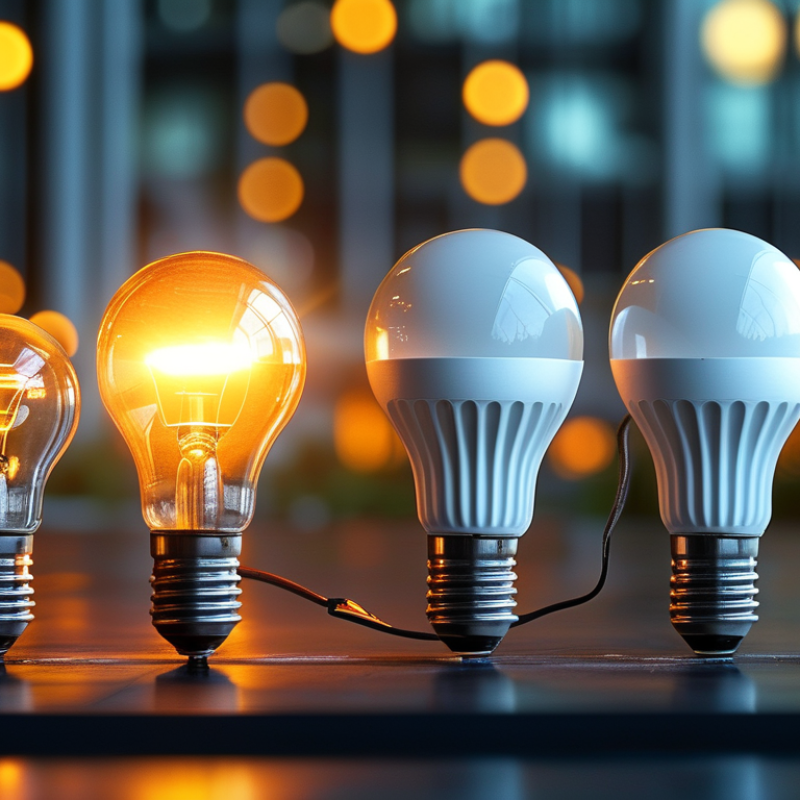
Next, consider the type of lighting technology used. LED lights present a clear advantage. They consume up to 75% less energy than incandescent bulbs. The energy efficiency quickly translates into cost savings. However, not all LEDs are created equal. Variations in quality can lead to shorter lifespans. It’s vital to examine their specifications regarding lumens per watt.
The layout of lighting fixtures is also crucial. Proper spacing ensures adequate illumination while minimizing energy wastage. Uniform lighting avoids dark areas, leading to better visual comfort. Over-lighting can occur, leading to energy losses. Many projects overlook the power of natural light. Integrating daylight harvesting can significantly reduce reliance on artificial sources, which can be overlooked.
Understanding Different Types of Energy-Efficient Lighting Technologies
Energy-efficient lighting technologies play a crucial role in modern project design. Different options, such as LED, CFL, and halogen, offer varying benefits. LEDs, for instance, consume less power and last longer than traditional bulbs. They produce less heat and help lower cooling costs. However, the initial investment in LEDs can be higher. Understanding these trade-offs is essential for effective decision-making.
CFLs are another alternative, known for their compact size and energy savings. While they are more affordable upfront, their lifespan is shorter than that of LEDs. Additionally, they contain trace amounts of mercury, which poses disposal challenges. Halogen lights provide brighter illumination but are less efficient compared to other technologies. Their energy consumption is significantly higher, making them less desirable for eco-conscious projects.
Evaluating these technologies requires careful consideration of both energy savings and quality of light. Not every project will benefit equally from one type over another. It's important to assess the specific lighting needs, budget constraints, and environmental impact before choosing a solution. Regularly revisiting these choices is vital to ensure long-term efficiency and sustainability.
Evaluating Energy Consumption Metrics for Lighting Solutions
Evaluating energy consumption metrics for lighting solutions involves understanding various factors. Light output, energy usage, and lifespan metrics are crucial. An energy-efficient system provides ample illumination while consuming less power. For instance, a comparison between traditional incandescent bulbs and LED options shows significant differences in energy consumption.
When assessing lighting projects, consider measured lumens per watt. This metric reflects how much light is produced for each watt consumed. Another key aspect is the total energy cost over time. It's essential to evaluate both initial setup costs and ongoing consumption. However, not everyone properly assesses long-term savings. Some may overlook hidden costs, such as maintaining older fixtures or replacing burnt-out bulbs frequently.
Human factors also play a role. Comfort and usability should not be underestimated. A lighting solution might be energy-efficient yet fail to meet user needs. It's crucial to strike a balance between reducing energy costs and providing a pleasant environment. Energy efficiency is not just about numbers but about creating a space that works well for everyone.
Energy Consumption Metrics for Lighting Solutions
Assessing Design and Placement for Optimal Energy Efficiency
Assessing design and placement is crucial for achieving optimal energy efficiency in a lighting project. The arrangement of fixtures can greatly impact the effectiveness of illumination. Properly placed lights enhance visibility while minimizing energy waste. For instance, a well-angled fixture can spread light in a wider area, reducing the need for multiple fixtures.
Consider the type of space you are working with. High ceilings may require powerful fixtures, while low ceilings might benefit from recessed lighting. Natural light can also guide design choices. Positioning fixtures near windows can enhance natural illumination during the day. Reflective surfaces in the room can amplify light, further reducing energy usage.
However, not all placements will yield the desired results. Sometimes, adjustments are necessary after installation. Observing how light interacts with walls and furniture can lead to necessary refinements. Consider feedback from occupants to understand their comfort level with lighting. Energy-efficient design is an ongoing process of assessment and adjustment. Don't hesitate to reevaluate your decisions for improved outcomes.
Implementing Smart Controls to Enhance Energy-Saving in Lighting
Implementing smart controls in lighting projects is crucial for enhancing energy efficiency. These systems allow lighting to automatically adjust based on occupancy or daylight availability. Using occupancy sensors, lights can turn off in empty rooms. This simple adjustment cuts energy use. Similarly, daylight sensors can dim lights when natural light suffices. This not only saves energy but also creates a more comfortable environment.
However, the implementation of smart controls can be challenging. Many project managers underestimate the complexity of integrating these systems. Training staff to understand and use these controls effectively is essential. Without proper knowledge, the benefits of energy savings may go unachieved. Maintenance issues can also arise, requiring regular monitoring and updates.
Real-world examples illustrate the impact of smart controls. In office buildings, companies have reported up to a 30% reduction in energy costs after upgrading their lighting systems. Yet, outcomes can vary widely. Factors such as building design and user habits play a significant role. It’s important to analyze these elements carefully. Ultimately, integrating smart controls needs a thoughtful approach to maximize their potential for energy savings.
FAQS
: Key factors include quality of light, type of technology, layout of fixtures, and use of natural light.
LEDs consume up to 75% less energy and last longer, leading to significant cost savings.
Proper luminaire design can lead to 30% energy savings. It also affects brightness and light distribution.
CFLs are affordable and compact but have a shorter lifespan and contain mercury, complicating disposal.
Integrating natural light reduces reliance on artificial sources, contributing to energy savings often overlooked.
Assess lumens per watt, energy usage, lifespan, and total long-term energy costs for optimal decisions.
An energy-efficient solution must also meet user needs, balancing cost savings with a pleasant environment.
Poor layout can cause excess lighting, leading to energy waste and discomfort in the space.
No, LED quality varies, impacting lifespan. It's important to examine specifications carefully.
Maintenance of older fixtures and frequent bulb replacements can significantly increase overall costs over time.
Conclusion
To determine what makes a lighting project energy efficient, several key factors must be considered. Firstly, it's essential to understand the variety of energy-efficient lighting technologies available, such as LED and compact fluorescent options, which offer significant reductions in energy consumption. Evaluating energy consumption metrics helps in quantifying the efficiency of different lighting solutions and ensures the best choice for specific applications.
Furthermore, assessing the design and placement of lighting fixtures is crucial, as optimal positioning can dramatically enhance energy efficiency. Lastly, implementing smart controls, such as motion sensors and dimmers, can further enhance energy-savings by adjusting lighting based on need. By considering these factors, one can effectively create a lighting project that maximizes energy efficiency while providing adequate illumination.

 Bluu Light