The rising costs of energy have prompted businesses to seek innovative solutions. Commercial LED lighting emerges as a key player in this quest. According to a 2022 report by the U.S. Department of Energy, LED lighting can reduce energy consumption by up to 75% compared to traditional lighting. This significant cut translates directly into savings for businesses, making it a smart investment.
Experts in the field highlight the practical benefits. James McCoy, a lighting consultant, states, "Switching to LED technology not only cuts costs but also enhances the overall environment." This reflects the dual advantage of LEDs: lower bills and improved workplace quality. Energy efficiency is crucial as companies aim to meet sustainability goals while managing expenses.
However, transitioning to LED lighting requires careful planning. Businesses must evaluate their existing systems and consider upfront costs against long-term savings. Many organizations find the initial investment daunting, despite the potential for reduced operational expenses. Understanding "how does commercial LED lighting reduce energy costs" is essential to overcome these hurdles and embrace a brighter, more efficient future.
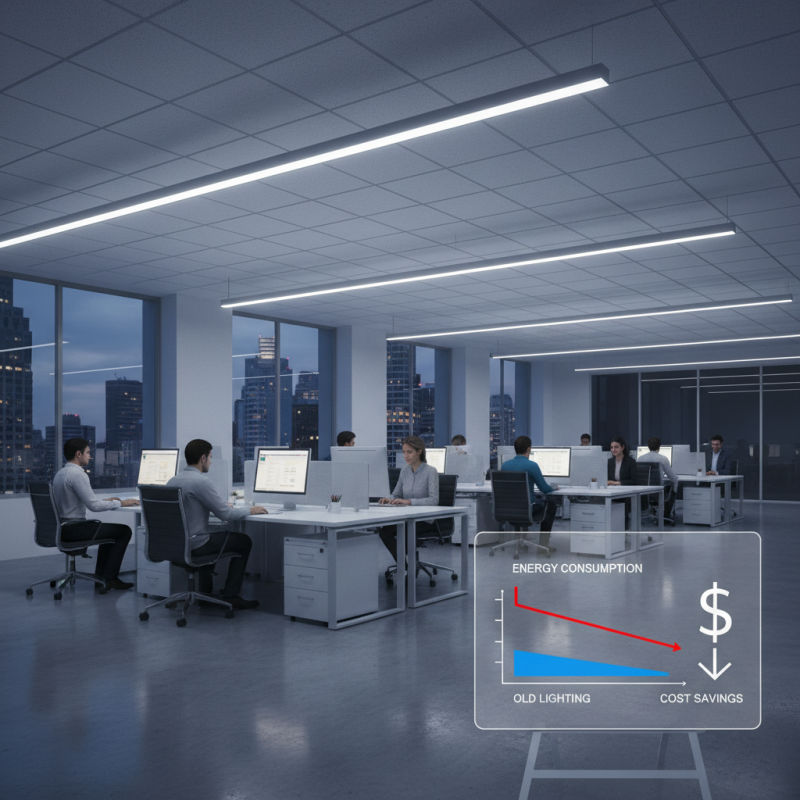
Commercial LED lighting stands out as a beacon of energy efficiency in today’s businesses. These systems use significantly less electricity compared to traditional lighting options. They convert a higher percentage of energy into light instead of heat, which means less wasted energy. This efficiency translates directly into lower energy bills.
Incorporating LED lights can be a straightforward yet impactful change. They typically last longer than traditional bulbs, reducing replacement costs. However, some installations can present challenges. Proper placement and fixture design are crucial for maximizing light output. Businesses should consider working with experts to ensure optimal performance. A poorly designed lighting layout may lead to uneven illumination, which can affect productivity and ambiance.
Investing in LED technology requires some upfront costs. However, the long-term savings and environmental benefits often justify this initial expense. Companies should conduct thorough analysis before transitioning. Evaluating their unique needs can help avoid potential pitfalls. Not every space may benefit equally from LEDs, and understanding this can lead to better decisions.
LED lighting has become a popular alternative to traditional lighting solutions in commercial spaces. One key advantage is energy efficiency. LED lights consume significantly less energy than incandescent or fluorescent bulbs. This reduction can lead to substantial savings on energy bills. Typically, LEDs use about 75% less energy compared to traditional lighting.
The lifespan of LED lights is another reason many businesses are making the switch. LEDs can last up to 25,000 hours or more. In contrast, traditional bulbs may only last a few thousand hours. Replacing bulbs frequently incurs added labor and material costs. The higher initial investment in LED technology pays off long-term through reduced maintenance needs and energy consumption.
However, businesses must consider the upfront costs of LED installations. While many find the long-term savings attractive, budget constraints can pose challenges. Not every business may see immediate benefits. Some might hesitate due to the investment needed upfront. It’s essential for companies to analyze their specific needs and usage patterns. Failure to do so may lead to suboptimal decisions in lighting solutions.
Balancing cost and efficiency is crucial for true long-term benefits.
Commercial LED lighting drastically reduces energy costs through unique mechanisms. One major aspect is energy efficiency. LED lights use less electricity than traditional bulbs while producing the same amount of light. This efficiency translates to lower utility bills for businesses.
Additionally, the lifespan of LED fixtures plays a significant role in savings. LEDs can last up to 25 times longer than incandescent bulbs. Fewer replacements mean reduced labor and material costs. Regular maintenance decreases, saving both time and resources.
However, it’s essential to consider the initial investment. High-quality LED systems may require a larger upfront cost. Companies must weigh this against long-term savings. Some may find it challenging to adjust to new technology. Transitioning fully to LED can seem daunting for some businesses. Despite these concerns, the energy savings offered by LED lighting are substantial and worth considering.
Switching to LED lighting offers significant long-term financial benefits. LED lights consume up to 75% less energy than traditional lighting options. This dramatic reduction leads to lower energy bills, which is appealing for any commercial entity. Over time, these savings accumulate, providing a solid return on investment.
Moreover, LED lighting has a much longer lifespan. While traditional bulbs may last for about 1,000 hours, LEDs can last 25,000 hours or more. This longevity means fewer replacement costs. Fewer replacements also lessen maintenance expenses and downtime. For businesses, this can mean increased productivity and reduced operational interruptions.
However, the initial investment in LED technology can be daunting. Transitioning from older technologies requires careful budgeting. Companies must weigh upfront costs against long-term savings. It’s essential to conduct thorough analyses to understand potential ROI. Taking small steps, like replacing a few bulbs at a time, can ease the transition. This strategy allows businesses to reflect on their energy use and make informed decisions moving forward.
| Lighting Type | Initial Cost ($) | Annual Energy Cost ($) | Lifespan (Years) | Annual Savings ($) | Payback Period (Years) |
|---|---|---|---|---|---|
| Traditional Fluorescent | $50 | $30 | 5 | $0 | N/A |
| LED | $120 | $10 | 20 | $20 | 6 |
| Incandescent | $40 | $40 | 1 | $0 | N/A |
| CFL | $10 | $15 | 7 | $15 | 0.67 |
The shift to LED lighting in commercial spaces aligns well with sustainability goals. LEDs use up to 80% less energy compared to traditional lighting. This significant reduction in energy consumption directly lowers utility costs. Businesses are increasingly searching for efficient technologies for a lower environmental footprint.
However, the impact of widespread LED adoption extends beyond energy savings. Manufacturing LEDs involves materials and processes that can raise questions about their long-term sustainability. For example, certain components can be harmful to the environment if not disposed of properly. The full lifecycle assessment of LEDs emphasizes the importance of responsible recycling programs.
Organizations must also consider their specific needs when transitioning to LED systems. Not all LED solutions are suitable for every application, and improper installations might negate their benefits. Businesses should engage lighting professionals to ensure optimal performance and integration into existing systems. By focusing on effective practices, companies can maximize both savings and environmentally friendly outcomes.
: LED lighting is energy efficient and lowers electricity costs. It converts more energy into light, reducing wasted energy.
LED fixtures can last up to 25 times longer than traditional bulbs. This longevity reduces replacement costs over time.
LED systems may require a larger upfront investment. However, businesses often save money through reduced energy bills later.
Yes, proper placement and fixture design are critical. Experts can help ensure optimal light output and avoid poor illumination.
Yes, a poorly designed layout can lead to uneven lighting. This may negatively impact productivity and the overall atmosphere.
LEDs use 80% less energy, lowering the carbon footprint. However, manufacturing and disposal can raise environmental concerns.
Companies need to evaluate their specific lighting needs. Not every setting may benefit equally from LED technology.
Yes, LEDs require less regular maintenance. This leads to savings in both time and resources for businesses.
Responsible recycling programs are essential. Some components can be harmful if not disposed of properly.
While LED technology has many advantages, not all spaces may benefit equally. Careful assessment is necessary for effective implementation.
Commercial LED lighting significantly enhances energy efficiency compared to traditional lighting solutions. By using advanced technology, LEDs consume less power while providing the same or even higher levels of brightness. How does commercial LED lighting reduce energy costs? The energy savings are primarily attributed to the lower wattage required by LEDs and their longer lifespan, which reduces the frequency of replacements.
Additionally, LEDs generate less heat, leading to decreased cooling costs in commercial spaces. The long-term financial benefits of switching to LED lighting include reduced electricity bills and lower maintenance costs, making it a financially sound investment. Beyond financial aspects, adopting LED technology aligns with sustainability goals by minimizing the environmental impact associated with energy consumption and waste, ultimately contributing to a greener future.

Bluu Light