How to Choose the Right Commercial Lighting in 2026?

Time:2026-11-03 Author:Madeline
0%

In 2026, commercial lighting choices affect energy bills, visual comfort, maintenance schedules, and the way customers experience a space. The International Energy Agency’s Buildings report estimates that buildings account for roughly 30% of global final energy consumption and 26% of energy-related emissions. Lighting is only one part of that footprint, but it is a practical place to examine operating costs. The U.S. Department of Energy’s Energy Saver guidance notes that LED products use at least 75% less energy and can last up to 25 times longer than incandescent lighting. These figures are useful benchmarks, not guaranteed project savings.

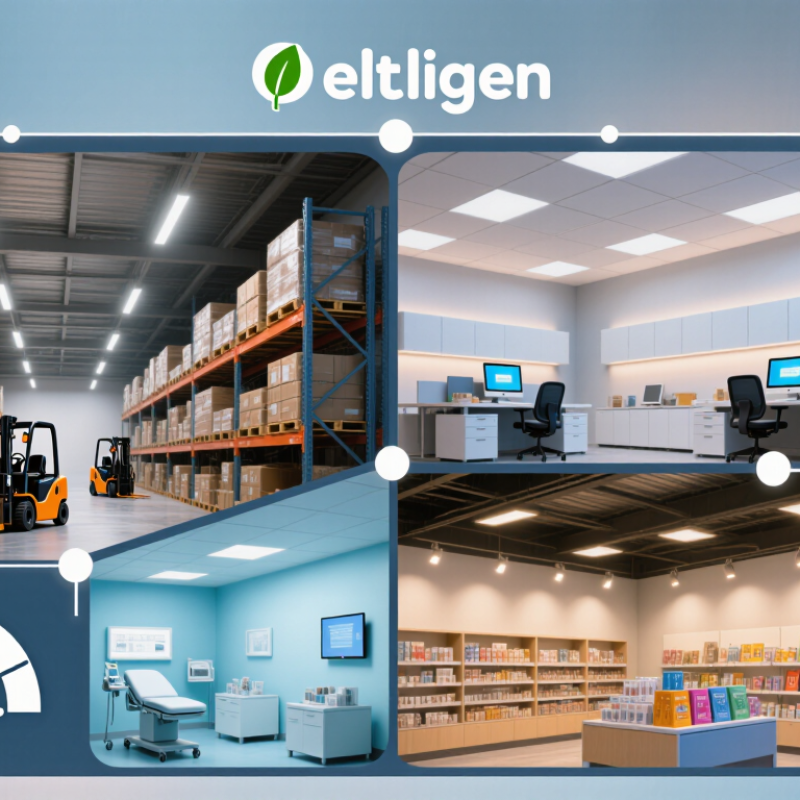
So, how to choose the right commercial lighting solution for a warehouse, office, clinic, or retail floor? Start with the work happening beneath each fixture. A loading bay may need bright, even illumination; a meeting room needs comfortable faces and readable screens; a shop needs color that makes products look accurate. Compare delivered lumens, efficacy, color rendering, glare control, dimming compatibility, and warranty terms—not wattage alone. Then consider daylight, occupancy patterns, controls, installation constraints, and replacement access. A sleek fixture can look compelling on a specification sheet and still be wrong for a dusty ceiling or long operating hours. The details matter.

There is no universal “best” fixture. Even careful calculations can miss how a space feels at 7 a.m. or during a busy shift. That is worth testing. This guide outlines the questions, specifications, and trade-offs that help teams make a defensible choice—and revisit it when real-world performance differs from the plan.
How to Choose the Right Commercial Lighting in 2026?

Define Commercial Lighting and Its Role in Different Spaces

Commercial lighting is the planned use of electric light in workplaces and public-facing spaces. It supports tasks, movement, safety, and the character of a business. Good lighting is not simply bright lighting. It balances visibility, comfort, energy use, and the needs of people using each area.

In an office, even light on desks can reduce harsh contrasts, while adjustable task lights help with detailed work. Reception areas often need clear faces and welcoming tones. Retail lighting can guide attention toward products, but glare on glass or glossy packaging distracts shoppers. In warehouses, consistent illumination helps workers read labels and spot obstacles along aisles. Light shapes behavior.

The right design depends on ceiling height, daylight, surface colors, operating hours, and the work being done. Color temperature and glare control matter, but so does where fixtures sit. Details matter. Controls can dim lights near windows or switch off in unused rooms, provided they are easy to understand. Measurements and a site visit are more reliable than choosing fixtures from a catalog alone. Still, a polished plan can feel uncomfortable once people use the space. Test sample fittings, ask occupants for feedback, and adjust when practical. That step is easy to overlook.

Assess Site Conditions, Activities, and Lighting Requirements

Choosing commercial lighting begins with the space, not the fixture. Note ceiling height, surface colors, window direction, and how daylight changes during the day. A north-facing warehouse bay may stay dim, while a glass-fronted office can develop harsh afternoon glare. Check for dust, moisture, heat, and vibration near equipment. These conditions affect fixture protection, placement, and maintenance access. Measure light levels at the work surface, too; a bright ceiling does not guarantee a usable desk or inspection bench.

Then map the activities. Employees reading small labels need clear, even light, while a corridor needs safe visibility without distracting brightness. Warehouses often benefit from carefully aimed fixtures that reduce shadows between shelving rows. In offices, consider screen reflections and provide task lighting where people review detailed documents. Short trials help. Place a temporary light, then check the area from seated and standing positions. A lighting plan can look balanced on paper and still create glare at eye level.

Set requirements for illuminance, uniformity, color quality, and controls before comparing options. Match color temperature to the space and work, rather than choosing by appearance alone. Select controls that suit actual routines, such as occupancy sensors in storage rooms and dimming near windows. Keep service access in mind. One common planning miss is overlooking how furniture or new shelving changes light distribution. Recheck measurements after installation, and adjust when real use reveals a weak spot. That extra visit is easy to forget.

Compare Light Sources, Fixtures, and Performance Specifications

How to Choose the Right Commercial Lighting in 2026?

Compare the light source, fixture, and performance data as one system. LED sources often suit long operating hours, but efficiency alone does not guarantee good lighting. Check delivered lumens, efficacy, color temperature, and color rendering. A 4000 K lamp may look crisp in a work area, yet feel harsh in a quiet reception space. Match the fixture’s beam and glare control to the task, ceiling height, and room layout.

Tips: Review the actual product data sheet, not just the headline wattage. Check dimmer compatibility, flicker information, rated life, and ingress protection where dust or moisture is present. Test it first. A small mock-up can reveal glare that plans miss.

Compare fixtures by distribution, mounting style, maintenance access, and controls. For screens or detailed work, assess glare ratings alongside illuminance targets; more brightness is not always better. Confirm that sensors and dimming systems work with the selected driver. A specification table can still mislead if values were measured under different conditions, so compare like with like. Also consider replacement access: a high-ceiling fitting may save energy but take longer to service. Record the assumptions behind your choice, then verify light levels after installation. Real rooms are rarely as tidy as drawings.

How to Choose the Right Commercial Lighting in 2026? - Compare Light Sources, Fixtures, and Performance Specifications

Typical planning ranges for commercial applications. Actual performance varies by product, optics, operating conditions, and test method. Luminaire efficacy refers to delivered fixture output, not bare-lamp efficacy.

Category Option Typical Luminaire Efficacy Typical Useful Life Typical CRI Common CCT Controls and Performance Notes Typical Applications
Light source LED 100–180 lm/W for many commercial luminaires Often 50,000–100,000 hours to L70, as rated by the manufacturer 80+ common; 90+ available 2700–6500 K Instant-on and readily dimmable when driver and controls are compatible. Check flicker, dimming range, thermal design, and driver warranty. Most new commercial installations and retrofit projects
Light source T8 fluorescent Approximately 70–100 lm/W for a complete fixture Approximately 20,000–40,000 hours, depending on lamp and operating conditions Typically 80–90 3000–5000 K May require ballast maintenance and compatible controls. Check local regulations and lamp availability before specifying. Existing offices, schools, and back-of-house areas where fluorescent systems remain in service
Light source Metal halide HID Approximately 60–110 lm/W for a complete fixture Approximately 10,000–20,000 hours Typically 65–90, depending on lamp type 3000–4500 K Requires warm-up and restrike time; output and color can shift as lamps age. Often considered for phased replacement. Existing warehouses, gyms, and high-bay spaces
Light source High-pressure sodium HID Approximately 80–140 lm/W for a complete fixture Approximately 20,000–30,000 hours Often 20–30; color rendering is limited Approximately 1900–2200 K Warm-up and restrike delays; poor color discrimination can be a drawback even where efficacy is relatively high. Existing roads, yards, and industrial sites
Fixture type LED troffer or flat panel Approximately 100–160 lm/W Often 50,000–100,000 hours to L70 80+ common; 90+ available 3500–4000 K common in offices Review glare, uniformity, dimming compatibility, and applicable UGR requirements; glare performance depends on the full room and fixture design. Offices, classrooms, healthcare, and other grid-ceiling spaces
Fixture type LED linear high bay Approximately 120–180 lm/W Often 50,000–100,000 hours to L70 80+ common 4000–5000 K common Select optics and mounting height for the aisle layout. Occupancy sensing and daylight controls can reduce operating hours where suitable. Warehouses, distribution centers, and manufacturing spaces
Fixture type LED strip or low-bay fixture Approximately 100–160 lm/W Often 50,000–100,000 hours to L70 80+ common 3000–5000 K Check distribution, ambient-temperature rating, and ingress protection for the installation environment. Workshops, retail backrooms, corridors, and lower-ceiling industrial areas
Fixture type LED outdoor area or roadway fixture Approximately 100–170 lm/W Often 50,000 hours or more to L70 Typically 70–80+, depending on application 3000–5000 K Specify suitable weather protection, surge protection, shielding, and photometric distribution. Lower CCT and controlled uplight may be appropriate in sensitive locations. Parking lots, streets, campuses, and building perimeters
Fixture type LED canopy fixture Approximately 100–160 lm/W Often 50,000 hours or more to L70 70+ common; higher CRI available 3000–5000 K Verify wet-location suitability, impact resistance, and uniformity. Sensor controls may be useful where permitted and operationally appropriate. Fueling stations, covered parking, loading areas, and building entrances

Selection checklist: Compare delivered lumens and luminaire efficacy, not watts alone. Confirm photometric files, color consistency, CRI, rated life and test basis, dimming protocol, controls compatibility, environmental ratings, warranty, and local energy-code requirements.

Choose Controls and Energy Features for Daily Operation

For daily operation, choose lighting controls around how each space is actually used. Occupancy sensors can reduce runtime in storage rooms and meeting areas, but they may frustrate staff if delays are too short. Set schedules to match real opening hours, including cleaning and early deliveries. Dimming controls help teams adjust light levels without switching entire zones off. Test settings during a normal workday.

Energy features should support the task, not just look efficient on a specification sheet. Compare fixture efficacy, expected operating hours, and maintenance needs. In windowed areas, daylight sensors can lower output when sunlight reaches work surfaces; poor calibration may leave desks dim while the sensor reads the window. Check color quality and glare at the actual mounting height. A control plan can still fail when staff cannot understand it, so keep switches and settings intuitive.

Tips: Map occupied hours before selecting sensors. Ask staff to test a sample zone. Review energy use after installation, then adjust schedules and dimming levels. Small details matter. A little trial and error is normal.

Check Safety Standards, Installation Needs, and Maintenance Costs

Choosing commercial lighting in 2026 starts with the room, not the fixture price. Check that each luminaire is certified for its location and suits the ceiling, wiring, and ambient conditions. A fixture rated for dry interiors may be unsafe above a wash-down area. Confirm applicable local electrical and fire codes; in North America, UL 1598 and NFPA 70 are relevant references. Emergency routes may also require dedicated, tested lighting. Get a qualified installer to verify circuits, mounting, and controls before ordering.

Installation details shape the real cost. Measure ceiling height and note whether lifts, after-hours work, or new control wiring will be needed. A sensor can reduce wasted runtime, but poor placement may leave work surfaces dim. Small detail, big annoyance. The U.S. Department of Energy says LEDs use at least 75% less energy and can last up to 25 times longer than incandescent lighting. That comparison is useful, but it does not guarantee the lowest total cost in every building.

Compare maintenance plans, not just rated life. Ask about driver replacement, compatible spare parts, warranty coverage, cleaning access, and the labor needed to reach high fixtures. One caveat: long life does not mean zero maintenance. Dust, heat, and frequent switching can affect performance, while a failed fixture above a busy aisle may disrupt work. Price those risks before approving the installation.

FAQS

What should I compare when choosing commercial lighting?

Compare delivered lumens, efficacy, color quality, beam spread, and glare control. Check the data sheet, not wattage alone. Test a sample.

Is 4000 K suitable for every room?

No. It can feel crisp at workstations but harsh in a quiet reception area. View the light in the actual room before deciding.

How can I reduce glare on computer screens?

Match fixture distribution and mounting height to the room layout. Check glare ratings and illuminance at desks. More brightness is not always better.

Where do occupancy sensors work best?

They can reduce runtime in storage rooms and meeting areas. Set delays around real use, including cleaning and early deliveries. Test them during a normal workday.

Can daylight sensors make a room too dim?

Yes. A sensor near a bright window may lower output while desks remain dim. Check readings at work surfaces and recalibrate as needed.

What should I check before installation?

Confirm the fixture suits the ceiling, wiring, and room conditions. Check applicable local electrical and fire requirements with a qualified installer. Measure ceiling height, too.

Do LEDs always have the lowest total cost?

Not necessarily. They can use less energy and last longer than incandescent lighting, but installation, access, and maintenance also affect cost. I still find those costs easy to underestimate.

What maintenance details should I ask about?

Ask about driver replacement, spare parts, warranty coverage, cleaning, and labor for high fixtures. Long life is not zero maintenance. Dust and heat matter.

Conclusion

Choosing commercial lighting in 2026 starts with understanding how lighting supports the people and activities in each space, from offices and retail areas to warehouses and shared facilities. Assess the site’s layout, ceiling height, natural light, operating hours, and tasks before setting requirements for brightness, color quality, and visual comfort. These details help narrow down suitable light sources and fixtures, while performance specifications such as efficiency, lifespan, and light distribution make options easier to compare.

To determine how to choose the right commercial lighting solution, consider how controls and energy-saving features will work in daily operation, including scheduling, dimming, and occupancy-based adjustments. Also review relevant safety standards, installation conditions, and ongoing maintenance needs. Factoring in access for repairs, replacement costs, and expected service life can help create a lighting plan that performs reliably, suits the space, and remains practical over time.

Madeline

Madeline

Madeline is a dedicated marketing professional with a wealth of expertise in our company's core offerings. With a keen understanding of the industry, she brings a unique perspective to her role, consistently delivering high-quality content that highlights the superior aspects of our products. As......