LED lighting has become a popular choice for commercial buildings. Business owners are increasingly asking, "what are the benefits of LED lighting for commercial buildings?" This question highlights the importance of understanding how LED technology can enhance operational efficiency and reduce costs.
Firstly, LED lights consume significantly less energy than traditional lighting options. This leads to lower electricity bills over time. Additionally, they have a longer lifespan, which means fewer replacements are needed. This not only saves money but also reduces maintenance work. The environmental impact is another key aspect. By using LED lights, businesses can lower their carbon footprint, which is increasingly vital in today’s world.
Moreover, LED lighting improves the quality of illumination. It provides better visibility and can be tailored to various environments. However, not all LED products are of high quality. Some may not deliver the promised benefits, leading to frustration and wasted resources. It's crucial to choose reliable brands. Overall, the switch to LED lighting presents numerous advantages that should be carefully considered.
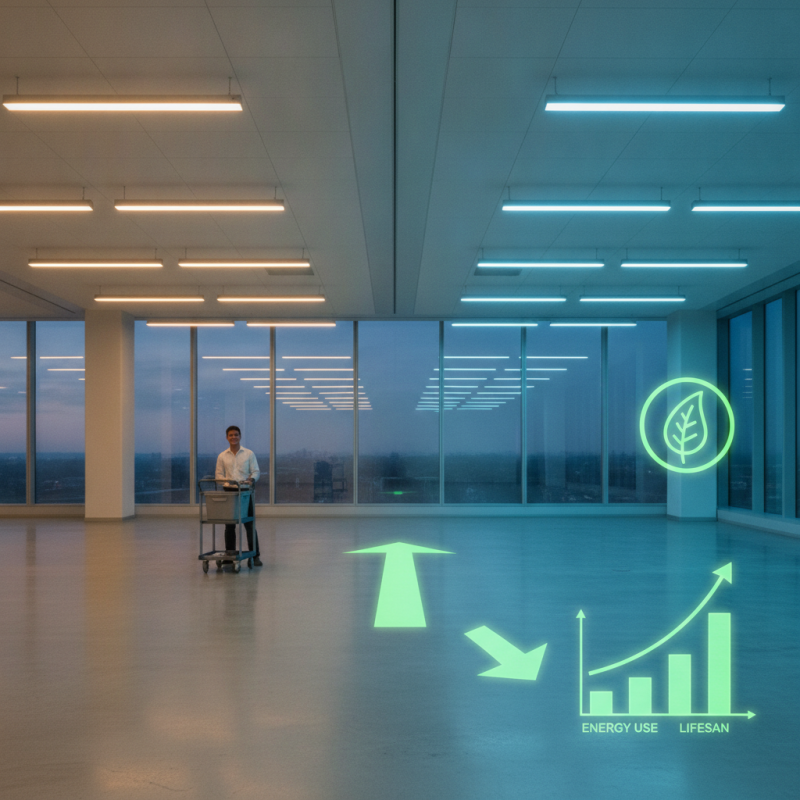
LED lighting has transformed commercial spaces, offering numerous advantages. One significant benefit is energy efficiency. LED lights consume less power compared to traditional bulbs. This reduction leads to lower electricity bills. Businesses can allocate saved resources elsewhere.
Moreover, LED lighting has a longer lifespan. While incandescent bulbs last about a thousand hours, LEDs can shine for up to 25,000 hours. This longevity reduces maintenance costs. Fewer replacements mean less disruption in daily operations. However, this necessitates an upfront investment, which might deter some businesses.
The quality of light produced by LEDs is also noteworthy. They provide bright, consistent illumination. This improves visibility in workspaces and enhances safety. Some studies even suggest that good lighting can boost employee productivity. Nonetheless, not all LED products are created equal. Various factors can impact their performance, making research crucial. Businesses may need to weigh these elements carefully before making a final choice.
LED lighting has gained popularity in commercial buildings for several reasons. One of the most significant advantages is energy efficiency. LEDs use up to 75% less energy than traditional lighting. This dramatic reduction leads to substantial cost savings over time. Lower energy consumption not only reduces utility bills but also decreases a building's overall carbon footprint.
Tips for switching to LED lighting include considering the brightness and color temperature that suit your space best. Assessing the layout before installation can enhance illumination. It’s also important to monitor usage patterns; this can help determine where dimming or motion sensors may save even more energy.
It's notable that while LED bulbs have a higher initial cost, the long-term savings can be significant. Their lifespan often exceeds 25,000 hours, outlasting incandescent bulbs by a wide margin. However, transitioning requires meticulous planning. Building owners should evaluate existing fixtures to ensure compatibility with LED technology. This thoughtful approach can maximize benefits while avoiding potential issues.
This chart illustrates the energy consumption of different lighting types used in commercial buildings, highlighting how LED lighting significantly reduces energy use compared to incandescent and fluorescent lighting options.
LED technology offers significant longevity and maintenance advantages in commercial buildings.
LEDs can last up to 25,000 hours or more, far exceeding traditional lighting options. This long lifespan reduces the frequency of replacements.
Fewer replacements mean less disruption and lower labor costs for businesses.
In terms of maintenance, LEDs require minimal attention. They are more durable than traditional bulbs, resistant to shocks and vibrations. This durability translates to fewer outages and disruptions in work environments. However, it is essential to regularly check connections and fixtures.
Regular maintenance ensures optimal performance and efficiency.
When considering energy consumption, LEDs are remarkably efficient. They convert a higher percentage of energy into light, lowering energy bills over time. Still, businesses should evaluate their specific lighting needs and usage patterns.
Some may find that inconsistency in brightness or color temperature requires adjustments. Overall, LED lights often provide a reliable and cost-effective solution for commercial lighting challenges.
LED lighting represents a significant advancement in energy efficiency. Unlike traditional lighting sources, LEDs consume up to 75% less energy. This reduction results in a notable decrease in greenhouse gas emissions. For commercial buildings, this energy savings is crucial. Lower energy consumption not only cuts costs but also contributes to sustainability efforts.
The environmental impact of LED lighting extends beyond energy use. LEDs have a longer lifespan, reducing waste. They last about 25,000 to 50,000 hours, compared to just 1,000 hours for incandescent bulbs. This longevity means fewer replacements and less waste in landfills. However, it is important to consider the materials in LED production. Some components can be hazardous. Responsible recycling practices are essential to mitigate this issue.
Sustainability also ties into the way LEDs produce light. They emit less heat, making buildings cooler. This can lower air conditioning costs, further reducing energy consumption. However, many commercial buildings overlook this aspect. There is room for improvement in energy-efficient designs. Lighting systems must evolve to enhance both sustainability and functionality. By analyzing their impact, businesses can make informed decisions.
LED lighting has transformed the commercial space, providing enhanced aesthetics that attract attention. These lights come in various color temperatures, allowing businesses to create a specific ambiance. Warm tones can make a space feel inviting, while cooler tones can enhance focus. This versatility can elevate the overall look of any commercial building.
Employee productivity is closely linked to the quality of lighting. Studies show that well-lit environments improve mood and concentration. With LED solutions, flicker and harsh glare are reduced, making spaces more comfortable. Issues related to eye strain and fatigue can decrease significantly. However, it’s essential to note that certain employees may still require adjustments, as individual preferences for light can vary.
While LED lighting offers an array of benefits, its implementation must be carefully planned. Poor placement of fixtures can lead to uneven lighting, impacting overall effectiveness. Moreover, the initial costs can be a concern for some businesses. Nonetheless, with the right strategy in place, the long-term savings and benefits often outweigh these challenges. Adjusting the lighting to meet both aesthetic and functional needs remains a crucial aspect of maximizing the benefits of LED technology.
| Aspect | LED Lighting | Traditional Lighting |
|---|---|---|
| Energy Efficiency | Up to 80% more efficient | Typically uses more energy |
| Lifespan | 25,000 - 50,000 hours | 1,000 - 2,000 hours |
| Maintenance Costs | Lower, due to fewer replacements | Higher, due to frequent replacements |
| Light Quality | High Color Rendering Index (CRI) | Variable CRI |
| Environmental Impact | No toxic elements | Contains mercury |
| Employee Productivity | Reported increase in efficiency | Less impact on productivity |
| Aesthetics | Modern and sleek designs | Traditional and bulky |
: LED lighting offers energy efficiency, a long lifespan, and improved light quality. These factors lead to cost savings and enhanced safety.
LEDs can use up to 75% less energy than traditional lighting. This reduction can lead to lower electricity bills.
LED lights can last up to 25,000 hours. This is significantly longer than incandescent bulbs, which last around 1,000 hours.
Switching can result in long-term cost savings and a reduced carbon footprint. However, it does require an upfront investment.
Good lighting improves visibility and enhances safety. Some studies indicate it may even boost employee productivity.
Not all LED products are equal. Research and performance evaluation are crucial. Consider brightness and compatibility with existing fixtures.
Yes, meticulous planning is essential. Evaluate existing fixtures and monitor usage patterns to avoid potential issues.
Monitor usage patterns to determine if dimming or motion sensors could further save energy.
Yes, the initial investment can deter businesses. However, long-term savings often outweigh this concern.
Compatibility is vital. Ensuring existing fixtures work with LEDs can maximize benefits and minimize problems during the transition.
LED lighting has become a popular choice for commercial buildings, and for good reason. The benefits of LED lighting for commercial buildings are numerous and impactful. First, LED lights are highly energy-efficient, significantly reducing energy costs compared to traditional lighting solutions. Their longevity means less frequent replacements, leading to reduced maintenance expenses and downtime, which can ultimately enhance operational efficiency.
Additionally, LED technology contributes positively to environmental sustainability by consuming less power and generating less waste. The aesthetic advantages of LED lighting can also enhance the workplace atmosphere, promoting a more productive environment for employees. In summary, the transition to LED lighting in commercial spaces not only delivers cost savings and energy efficiency but also supports sustainability and boosts employee morale through improved lighting quality.

Bluu Light